
The saas business landscape is set for explosive growth, with the industry expected to surpass $300 billion by 2025. This rapid evolution is transforming how companies innovate, operate, and scale in a digital-first world.
In this guide, you will discover proven strategies and forward-thinking insights tailored for SaaS entrepreneurs and executives. Our goal is to equip you with actionable tactics, current market trends, and operational best practices crucial for building, growing, and sustaining a thriving saas business in 2026.
We will explore the fundamentals of the SaaS business model, examine key market trends, dive into go-to-market approaches, product development, sales models, metrics, and share tips for future-proofing your SaaS company. Ready to unlock new opportunities for innovation and growth? Let’s get started.
Understanding the SaaS Business Model in 2026
The saas business model is at the heart of the modern software landscape, powering innovation and growth for companies of all sizes. In 2026, the saas business continues to evolve rapidly, shaped by new technologies, shifting customer expectations, and a global focus on efficiency and scalability.
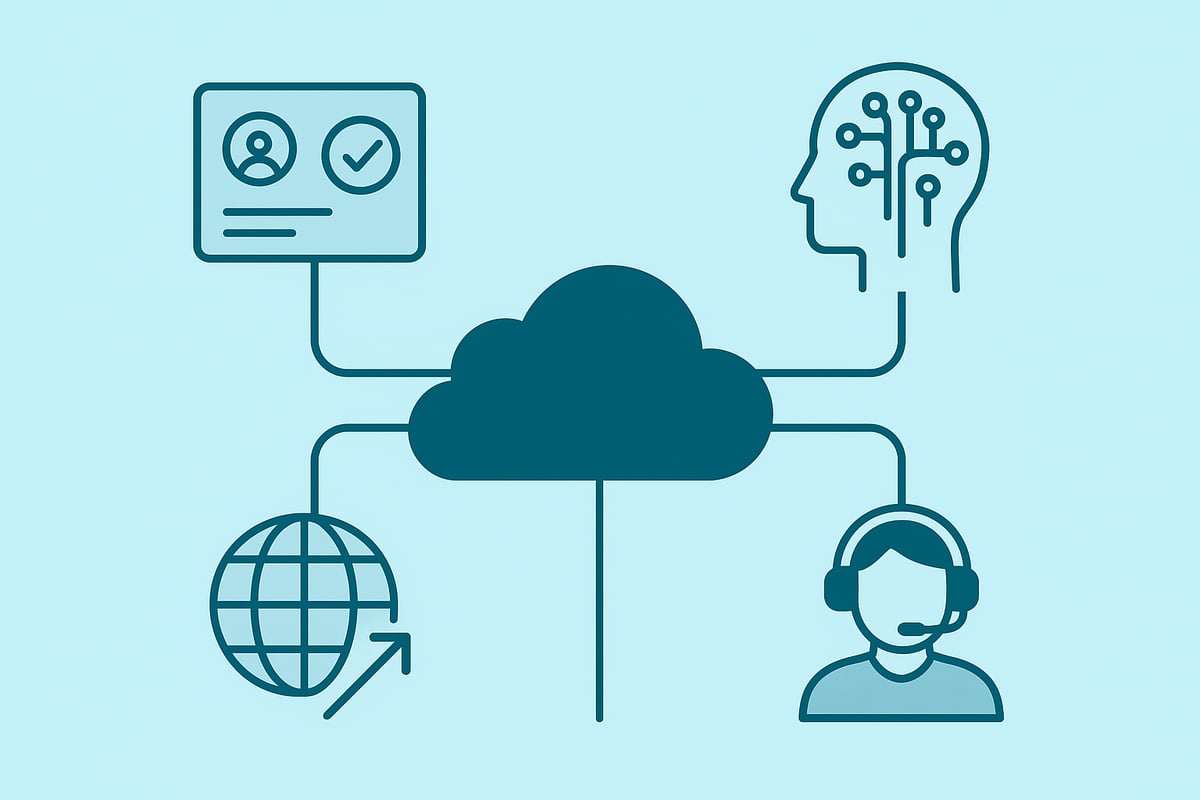
Evolution of SaaS: From 2024 to 2026
The saas business model has transformed the way organizations access and use software. Unlike traditional software licensing, which required upfront purchases and local installations, SaaS delivers applications via the cloud on a subscription basis. This approach reduces friction, accelerates deployment, and allows businesses to scale effortlessly.
| Feature | Traditional Software | SaaS Business Model |
|---|---|---|
| Delivery | On-premise install | Cloud-based |
| Payment | One-time license | Recurring subscription |
| Updates | Manual, infrequent | Continuous, automatic |
| Scalability | Limited, hardware | Instant, on-demand |
According to SaaS market size and growth projections, the SaaS market is expected to surpass $300 billion by the end of 2025, reflecting global adoption and the ongoing shift from legacy systems to cloud-native solutions.
Recent years have seen a surge in continuous integration and deployment practices, ensuring that the saas business delivers customer-centric updates with minimal disruption. There is also a notable rise in B2B and vertical SaaS solutions, targeting specific industries like healthcare and finance for deeper impact.
AI and automation are now central to the saas business, enhancing everything from billing to customer support. Stripe, for instance, has expanded its suite of SaaS-focused payment and billing tools, making it easier for companies to launch and scale globally.
Why SaaS Remains Dominant
The saas business model continues to attract founders and investors because of its predictable, recurring revenue streams. This financial stability is a major advantage, allowing companies to plan and invest confidently.
Key reasons for SaaS dominance include:
- Reduced IT Overhead: Customers avoid costly infrastructure investments, relying on secure, managed cloud services.
- Frictionless Deployment: Software can be accessed from anywhere, enabling fast onboarding and remote collaboration.
- Enhanced Scalability: The saas business can support thousands of users worldwide without significant changes to infrastructure.
- Low Barrier to Entry: Startups and SMBs can launch and grow quickly, leveraging subscription pricing.
Cloud analytics empower data-driven product improvements, helping companies refine features based on real usage patterns. Atlassian and Zoom exemplify how a saas business can scale rapidly, reaching global markets with minimal friction.
The model’s flexibility also enables continuous innovation. SaaS providers can iterate quickly, respond to feedback, and stay ahead of customer needs, making the saas business a resilient choice in a competitive environment.
Core Components of a SaaS Business
Building a successful saas business in 2026 requires attention to several critical operational pillars:
- Platform Infrastructure: Reliable cloud hosting, robust security, and high uptime are non-negotiable.
- Subscription Management: Automated billing and flexible pricing plans streamline revenue collection.
- Customer Success: Proactive support and education drive retention and reduce churn.
- Product-Led Growth: The product itself fuels user acquisition, often through freemium or free trial models.
- Integration Ecosystem: APIs and partnerships expand the reach and value of your saas business.
For example, Webflow’s no-code CMS offers an extensible platform with a strong integration marketplace, making it easy for users to customize and extend functionality.
By focusing on these components, a saas business remains agile, scalable, and customer-focused, ready to meet the evolving needs of 2026’s digital economy.
Key SaaS Market Trends and Opportunities for 2026
The trajectory of the saas business landscape is defined by rapid innovation and evolving market demands. As we approach 2026, several major trends are shaping the future of software delivery and growth opportunities. Staying ahead means understanding these shifts and strategically positioning your saas business to leverage them for sustained success.
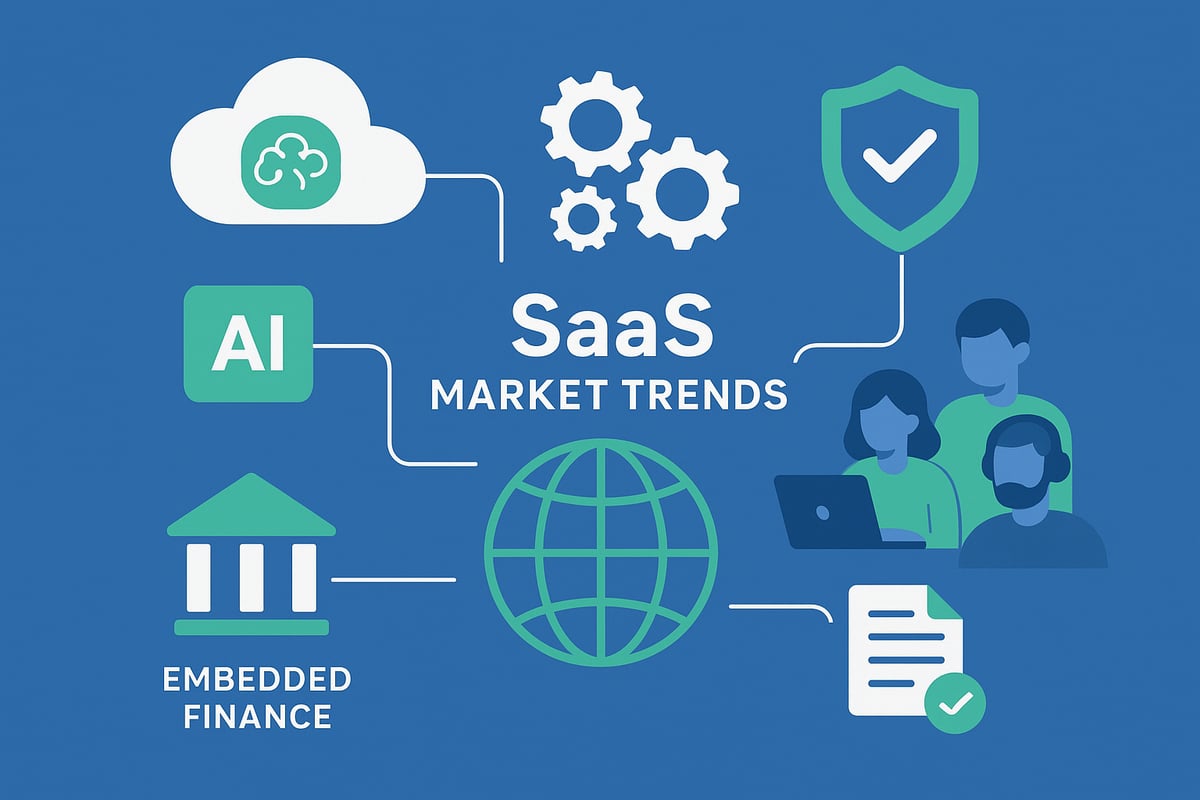
AI Integration and Automation
AI and automation are transforming the saas business model. Modern platforms now include intelligent features, from predictive analytics to smart chatbots, driving efficiency and better user experiences. For example, Kendo AI powers sales training by automating onboarding and performance tracking. Similarly, Sphere automates complex tax compliance for SaaS and AI companies. These innovations reduce manual work, cut costs, and help your saas business scale faster. The proliferation of AI-driven features is now a baseline expectation for customers, making it essential for competitive differentiation and future growth.
Vertical SaaS and Niche Solutions
A major trend for any saas business is the rise of vertical SaaS. Vertical solutions focus on specific industries such as healthcare, finance, or cybersecurity. This approach delivers tailored features, deeper customer understanding, and higher retention rates. Aura, for instance, offers cybersecurity SaaS designed for both individuals and businesses, combining robust protection with industry-specific compliance. Focusing on verticals reduces competition and unlocks growth. For practical steps on how to validate and seize vertical SaaS opportunities, explore proven frameworks to test your saas business idea before investing in development.
Hybrid and Remote Work Enablement
Hybrid and remote work have become foundational to the modern saas business environment. Demand is surging for collaboration and productivity tools that support distributed teams. Platforms like Zoom and Notion are essential for communication and workflow management. Close CRM, for example, empowers remote sales teams with all-in-one solutions. These platforms enable flexibility, drive productivity, and ensure business continuity. As businesses adapt, your saas business must prioritize seamless integrations, mobile-first design, and real-time collaboration to stay relevant.
Embedded Finance and Payment Solutions
Embedded finance is unlocking new revenue streams for the saas business sector. SaaS platforms now integrate payments, lending, and financial management directly into their products, simplifying user experiences and creating value. Stripe’s suite of payment and billing solutions is a prime example, enabling SaaS companies to offer seamless transactions. By embedding financial tools, your saas business can address customer needs holistically and differentiate itself in a crowded market. Industry data shows embedded finance will continue to expand rapidly through 2026.
Global Expansion and Compliance
As the saas business model goes global, companies must navigate complex regulatory, tax, and data privacy landscapes. Expansion brings opportunities but also challenges, such as localization, multi-currency support, and compliance with regional laws. Sphere’s global tax compliance automation helps SaaS and AI firms manage these hurdles efficiently. To scale internationally, your saas business should invest in robust infrastructure, prioritize compliance, and tailor offerings to diverse markets for sustained growth.
Sustainability, Security, and Trust
Sustainability and security are top priorities for any modern saas business. Customers expect reliable, secure, and environmentally conscious solutions. Enhanced security features, like Aura’s all-in-one protection suite, are now competitive differentiators. Compliance with global privacy standards such as GDPR and CCPA is non-negotiable. Building trust through transparency and proactive risk management will position your saas business as a leader in a market where reputation is everything.
Building a Winning SaaS Product in 2026
Launching a successful saas business in 2026 requires much more than a great idea. Entrepreneurs must validate their concepts, build products that solve real problems, and ensure seamless integration with the evolving digital ecosystem. This section explores how to transform an initial concept into a thriving saas business by focusing on validation, user-centric design, and integration strategies.
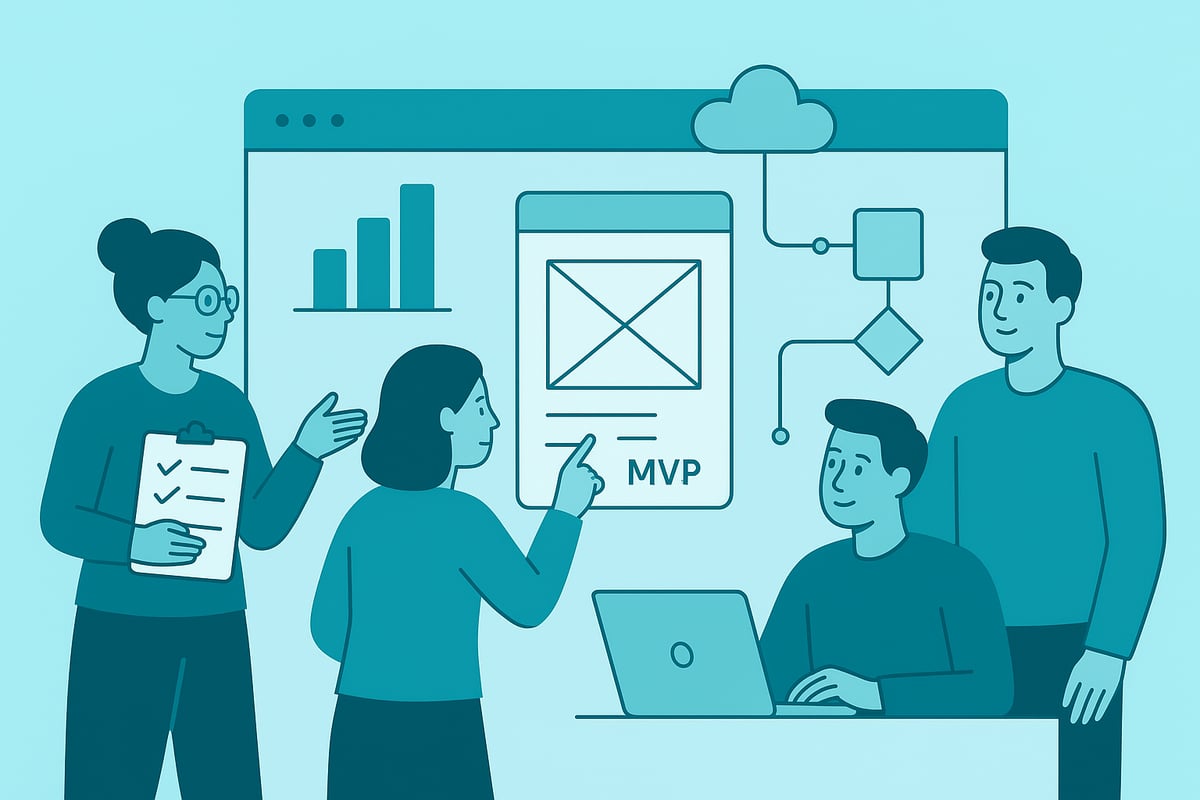
Validating Your SaaS Idea Before Development
Before committing resources to build a saas business, thorough validation is crucial. Start by conducting in-depth customer interviews to understand pain points and uncover unmet needs. These insights help refine your core value proposition and ensure your saas business addresses a real market demand.
A proven approach is to develop a Minimum Viable Product (MVP). MVPs allow you to test assumptions quickly and cost-effectively. Use landing pages, waitlists, and surveys to measure interest and gather feedback. Analyze competitor offerings and benchmark key features to pinpoint differentiation opportunities for your saas business.
Iterative feedback loops are essential. Continuously collect and implement user feedback to improve your MVP. This approach minimizes risk and sets the stage for product/market fit. For a deeper dive into effective validation, explore SaaS validation strategies, which offers actionable frameworks for early-stage founders.
Checklist for SaaS Validation:
- Interview at least 15 potential customers
- Build and launch an MVP with core features only
- Track sign-ups and user engagement on your landing page
- Gather direct feedback via surveys or interviews
- Compare competitor features and pricing
- Iterate based on real-world data
Product/Market Fit and User-Centric Design
Achieving product/market fit is the foundation of any enduring saas business. Product/market fit occurs when your solution resonates deeply with your target audience, driving adoption and retention. To measure this, track key indicators like activation rate, net promoter score (NPS), and churn.
User-centric design is vital for reducing friction and boosting engagement. Intuitive onboarding flows guide users through the platform, showcasing value from the start. Personalization and customization features empower users and foster loyalty, which is especially important for a saas business facing stiff competition.
Leverage analytics to inform product updates. Monitor feature adoption and user behavior to prioritize enhancements that matter most. Notion, for example, uses template-driven onboarding and customization to enable users to tailor experiences to their workflow, leading to higher retention and satisfaction.
Table: Key Metrics for Product/Market Fit
| Metric | What It Measures | Why It Matters |
|---|---|---|
| Activation Rate | % of users reaching value | Early product adoption |
| NPS | Customer satisfaction | Predicts referral growth |
| Churn Rate | User retention | Signals product/market fit |
Regularly revisit these metrics to ensure your saas business adapts to evolving customer needs.
Integration and Ecosystem Strategy
For a saas business to scale in 2026, seamless integration with other platforms is non-negotiable. Building robust APIs allows your product to connect with popular tools such as Slack or Salesforce, unlocking new use cases and expanding your reach.
Participating in app marketplaces can significantly increase visibility and drive user acquisition. Stripe’s app marketplace and Webflow’s integration partners are prime examples of how a saas business can leverage ecosystems for rapid growth.
When planning your integration strategy, prioritize platforms your target customers already use. Offer clear documentation, consistent support, and a reliable developer experience. This approach not only broadens your product’s utility but also positions your saas business as a valuable part of the broader digital landscape.
Consistent feedback from integration partners and users helps you refine your API offerings, ensuring long-term relevance and competitive advantage.
Go-to-Market Strategies and SaaS Sales Models
A successful go-to-market strategy is the backbone of any thriving saas business. As competition intensifies in 2026, the right approach to sales, marketing, and pricing will determine whether your saas business scales or stalls. Let us explore the most effective sales models, marketing tactics, and monetization frameworks shaping the future of the industry.

Low-Touch vs. High-Touch SaaS Sales
Choosing the right sales motion is critical for any saas business. The low-touch model relies on self-service, digital onboarding, and scalable automation. This approach is ideal for products with straightforward value propositions and lower price points.
In contrast, high-touch sales demand personal engagement. Dedicated sales reps, account executives, and tailored demos help close larger contracts. This model suits complex solutions where relationships and customization drive value.
Here is a quick comparison of both approaches:
| Model | Typical Price | Sales Cycle | Key Roles | Example Companies |
|---|---|---|---|---|
| Low-Touch | $10–$500/mo | Short (days) | Product, Support | Basecamp, Calendly |
| High-Touch | $5K–$100K+ | Long (months) | SDR, AE, CSM, Solutions Eng | Salesforce, Workday |
Low-touch models allow a saas business to scale rapidly, while high-touch models unlock enterprise deals with higher lifetime value. Many successful companies blend both models to reach diverse customer segments.
Hybrid Sales Approaches and Product-Led Growth
Modern saas business strategies often integrate elements of both low-touch and high-touch sales. Hybrid models allow companies to serve SMBs with self-serve onboarding while offering dedicated support for larger clients.
Product-led growth (PLG) is at the heart of this evolution. In a PLG framework, the product itself drives user acquisition and expansion. Companies monitor product usage data to identify high-potential accounts, then trigger personalized sales outreach based on user behavior.
A prime example is Zoom, which converts freemium users into enterprise contracts by tracking usage patterns and engagement. To stay competitive, more saas business teams are investing in seamless onboarding, in-app tutorials, and automated upsell flows. For a deeper dive into these strategies, see the latest Product-Led Growth strategies.
By blending automation with human touch, a saas business can maximize coverage, efficiency, and customer satisfaction.
Marketing Channels and Customer Acquisition
Customer acquisition is the lifeline of every saas business. Choosing the right mix of channels is essential for sustainable growth.
Effective marketing channels include:
- Content marketing and SEO for organic reach
- Paid advertising such as PPC and retargeting
- Influencer partnerships and affiliate programs
- Community-driven growth through forums and webinars
Saas business leaders also leverage user testimonials, case studies, and referral programs to build trust. Notion, for example, has harnessed community templates and viral sharing to fuel exponential growth.
The key is to measure channel performance continuously and double down on what delivers the highest ROI.
Pricing, Packaging, and Monetization
Pricing strategy can make or break a saas business. The most common models are:
- Usage-based pricing, charging per seat or transaction
- Tiered plans, offering different feature sets at escalating prices
- Freemium, providing a free basic version with paid upgrades
- Value-based pricing, aligning price with customer ROI
Typeform exemplifies smart packaging, combining tiered plans with add-ons to maximize revenue. Experimentation is vital, as customer needs and market dynamics shift rapidly.
A successful saas business revisits its pricing regularly, using analytics to fine-tune plans and unlock new monetization streams.
Measuring SaaS Success: Metrics, Benchmarks, and KPIs for 2026
Success in the saas business landscape depends on tracking the right metrics and benchmarks. Without a clear understanding of performance indicators, it is impossible to make informed decisions or drive sustainable growth. Let us break down the most critical KPIs and how they shape the path to success.
Financial Performance Metrics: The Backbone of Every SaaS Business
Understanding financial performance is fundamental for any saas business. The two primary metrics, Monthly Recurring Revenue (MRR) and Annual Recurring Revenue (ARR), provide a snapshot of predictable income. High MRR and ARR indicate stability, making the company attractive to investors and partners.
Customer Acquisition Cost (CAC) and Lifetime Value (LTV) are equally important. CAC measures the total cost to acquire a customer, while LTV estimates the revenue generated from a customer over their relationship with your saas business. Optimizing the LTV/CAC ratio signals efficient growth and healthy unit economics.
Here is a quick comparison of these core metrics:
| Metric | What It Measures | Ideal Benchmark |
|---|---|---|
| MRR/ARR | Recurring revenue predictability | Consistent growth, low volatility |
| CAC | Cost to acquire customer | Lower than LTV |
| LTV | Revenue per customer | 3x or more of CAC |
A strong grip on these numbers empowers leaders to forecast, budget, and allocate resources more effectively.
Engagement and Churn: Measuring Customer Health
Engagement metrics reveal how customers interact with your saas business. Daily Active Users (DAU) and Monthly Active Users (MAU) help determine product stickiness and adoption. A high DAU/MAU ratio means users find ongoing value in your platform.
Churn rate is another vital health indicator. Customer churn measures the percentage of users leaving each month, while revenue churn tracks the lost recurring revenue. For high-growth saas business models, a churn rate below 5% annually is considered healthy. Monitoring feature adoption rates can also highlight which functionalities drive retention.
Combining these indicators gives a real-time view of customer satisfaction and potential risks.
Sales and Support Benchmarks: Low-Touch vs. High-Touch Models
Sales and support metrics vary based on the saas business model. Low-touch sales, as seen with Atlassian, focus on scalable self-service and have shorter sales cycles, with conversion rates often between 5% and 10%. High-touch sales, such as those used by Salesforce, involve personalized demos and longer cycles, but can achieve higher annual contract values.
Support metrics play a central role in customer satisfaction. Track ticket volume, average resolution time, and Customer Satisfaction (CSAT) scores to ensure your saas business delivers timely and effective support. Leading companies use these benchmarks to refine processes and outperform competitors.
Actionable Analytics: Driving Retention and Upsell
Analytics are the engine behind proactive decision-making in a saas business. By tracking activation rates, feature usage, and upsell conversions, teams can identify opportunities to enhance customer journeys and reduce churn. Predictive analytics tools help spot at-risk accounts and automate retention campaigns.
As your company grows, leveraging analytics is essential for scaling efficiently. For more strategies on scaling your saas business through data-driven decisions and operational excellence, see Scaling your SaaS startup.
With the right metrics in place, every saas business can adapt quickly and sustain long-term growth.
Future-Proofing Your SaaS Business: Innovation and Scaling in 2026
Navigating the future of the saas business landscape requires a proactive approach to innovation, security, and global strategy. As competition intensifies, leaders must anticipate trends and adapt their operations to remain ahead. This section explores actionable ways to future-proof your saas business in 2026, focusing on technology adoption, trust, scale, culture, and partnerships.
Embracing AI, Automation, and Emerging Technologies
To stay competitive, every saas business must actively integrate AI and automation into their platforms. AI-driven features streamline workflows, personalize user experiences, and offer predictive analytics for smarter decision-making. Leading platforms like Kendo AI are transforming sales enablement with automated insights and training modules. The rapid adoption of such technologies is reshaping the software landscape, as highlighted in recent AI-driven SaaS features reports. Investing in emerging tools now positions your saas business to deliver value and stay relevant as technology evolves.
Security, Compliance, and Trust as Differentiators
Trust is now a cornerstone of every successful saas business. Customers demand robust data security, privacy protections, and compliance with evolving regulations. Proactive investment in security infrastructure, regular audits, and transparent data practices builds lasting confidence. Solutions like Aura demonstrate how comprehensive security suites can set your offering apart. Prioritizing compliance with frameworks such as GDPR and CCPA not only reduces risk but also enhances your brand’s reputation, leading to stronger customer loyalty.
Scaling Operations Globally
Expanding a saas business internationally requires careful planning to manage infrastructure, localization, and regulatory demands. Multi-region hosting ensures fast, reliable service for users worldwide. Adapting your product for different languages and currencies is essential for user adoption. Addressing global tax and payment complexities—using platforms like Sphere—simplifies compliance and accelerates market entry. By building scalable operations, your saas business can unlock new growth opportunities and serve a truly global customer base.
Building a Culture of Innovation and Agility
A future-ready saas business thrives on innovation and adaptability. Encourage experimentation across teams, fostering a mindset where continuous improvement is the norm. Investing in talent development, remote collaboration tools, and rapid feedback loops enables your business to respond quickly to market shifts. Webflow is a prime example, continuously evolving its product and engaging its vibrant user community. This agile culture ensures your saas business remains resilient and responsive amid changing industry dynamics.
Ecosystem Partnerships and Strategic Alliances
Growth in the saas business sector increasingly depends on ecosystem partnerships and integrations. Forming alliances with complementary platforms broadens your reach and adds value for customers. Leveraging app marketplaces, such as the Stripe partner ecosystem, enables seamless integrations and access to new audiences. Strategic collaborations not only drive user acquisition but also foster innovation through shared expertise. By building a strong network of partners, your saas business can accelerate expansion and adapt to emerging trends.