
The SaaS online course market is booming in 2026, attracting a surge of new creators and fierce competition. Learners now expect not just information, but cutting-edge experiences powered by AI-driven personalization and seamless global access.
Success is no longer guaranteed by content alone. Only a truly well-designed SaaS online course stands out and thrives in this crowded space. The stakes are higher than ever.
This expert guide will show you how to design, launch, and grow a winning SaaS online course from the ground up. You will discover proven strategies for market research, course creation, engagement, technology, marketing, analytics, and staying ahead of future trends.
Understanding the 2026 SaaS Online Course Landscape
The saas online course market in 2026 is rapidly evolving, blending cutting-edge technology with changing learner expectations. Understanding this landscape is essential for anyone looking to create, launch, or grow a saas online course in today’s competitive environment.
Evolution of SaaS Online Courses
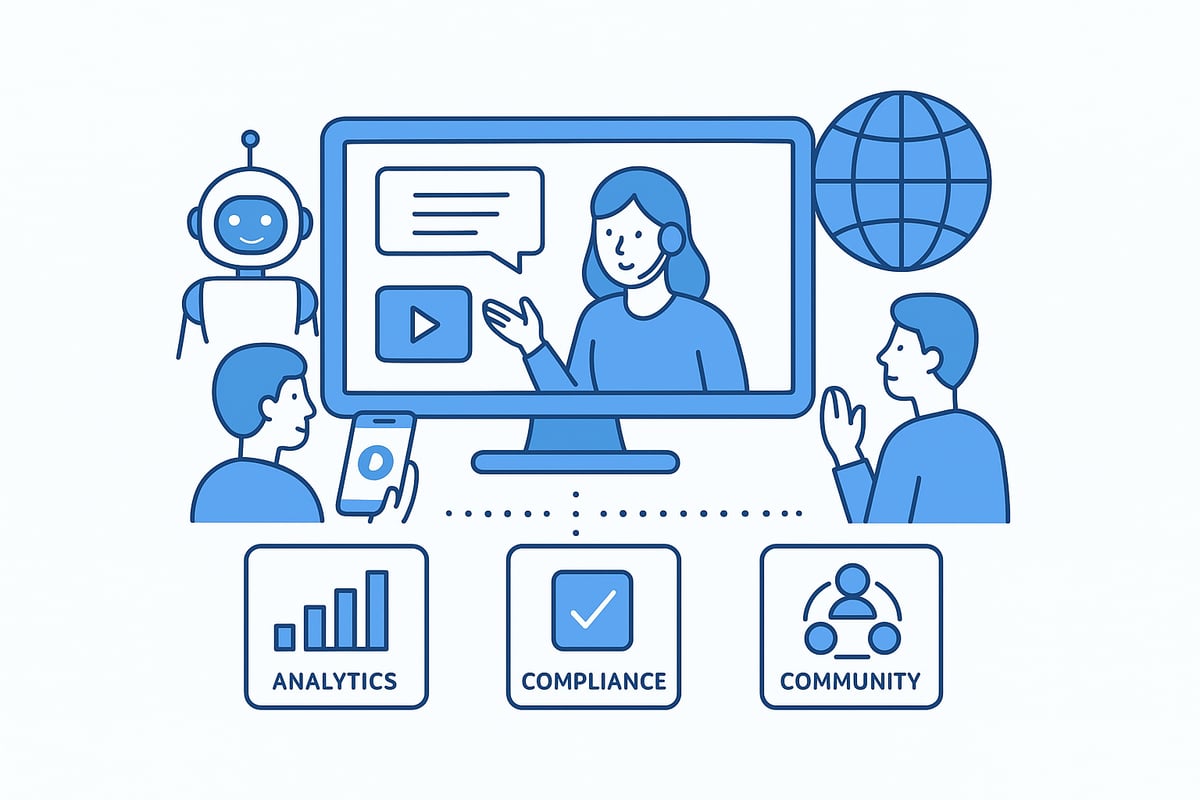
Over the past decade, the saas online course ecosystem has transformed from static, video-based platforms to highly interactive, SaaS-powered environments. In 2025, Udemy introduced AI course assistants that enabled adaptive learning paths, offering personalized content recommendations for each learner.
This shift is driven by AI-powered personalization and real-time data analytics, making learning experiences more engaging and effective. According to global e-learning market growth statistics, the worldwide e-learning SaaS market is projected to reach $30 billion by 2026. This explosive growth highlights the immense opportunity for saas online course providers to innovate and meet the demands of a global learner base.
Key Trends Shaping 2026
Several pivotal trends are defining saas online course delivery in 2026. Microlearning and modular content make courses more digestible, while gamification boosts motivation and retention. Community engagement tools are now standard, fostering peer-to-peer collaboration.
Mobile-first design is critical, with 65 percent of Coursera’s learners in 2025 accessing content via mobile devices. Seamless integration with workplace tools like Slack and MS Teams allows professionals to blend learning into their daily workflows, further increasing the appeal and accessibility of the saas online course model.
Competitive Landscape and Challenges
The saas online course space is more crowded than ever, with the proliferation of niche providers targeting specialized audiences. Learners now expect not only interactive content but also measurable outcomes and career advancement.
Data privacy and compliance have become top priorities, especially with updates to GDPR and CCPA regulations. A notable data breach in 2025 underscored the importance of robust security, as user trust can be quickly eroded by lapses in privacy protection. Navigating these challenges is crucial for any saas online course to succeed and maintain credibility.
Opportunities for SaaS Course Creators
Despite increased competition, significant opportunities remain for saas online course creators. Serving underserved verticals and micro-niches enables differentiation in a saturated market. Leveraging AI for content creation, learner support, and adaptive assessments can streamline operations while enhancing learner outcomes.
Building subscription-based communities creates recurring revenue and fosters ongoing engagement. By focusing on these strategies, saas online course providers can not only survive but thrive in the evolving 2026 landscape.
Step 1: Validating Your SaaS Course Idea
Launching a successful saas online course in 2026 starts with rigorous validation. With the market more competitive than ever, skipping this step can result in wasted resources and missed opportunities. By focusing on research, differentiation, testing, and iteration, you set a strong foundation for your saas online course journey.
Market Research and Audience Identification
Start by identifying your target audience and their needs. Use methods like:
- Online surveys to gauge interest in your saas online course topic.
- One-on-one interviews for deeper insights.
- Competitor analysis to discover gaps and trends.
Leverage SaaS analytics tools such as Hotjar or Google Trends to track demand signals. According to Thinkific, 78% of failed courses did not validate their audience. For a more in-depth exploration of why research is vital, see Market research for SaaS ideas.
Defining Unique Value Proposition (UVP)
Your saas online course must stand out in a crowded marketplace. Pinpoint what sets your course apart:
- Does it address a unique pain point?
- Is your content more actionable or up-to-date than competitors'?
- Can you offer exclusive access to industry tools or experts?
Align your UVP with current learner frustrations and clear industry gaps. This direct approach not only attracts attention but also builds lasting value for your saas online course.
Testing Course Concepts
Before full-scale development, test your saas online course ideas in the real world. Consider:
- Hosting pilot webinars to gauge interest.
- Offering free workshops or MVP lessons to collect early feedback.
- Using polls and beta groups to refine your approach.
Monitor engagement through analytics. This practical testing phase reduces risk and ensures your saas online course meets real learner needs.
Iterating Based on Feedback
After initial testing, refine your saas online course based on the data you collect. Adjust content, delivery methods, and pricing where needed. For example, one course increased conversions by 30% after acting on pilot feedback.
Regular iteration, driven by real learner input, leads to higher satisfaction and stronger results. Continuous improvement is critical for your saas online course to thrive in 2026.
Step 2: Designing and Building a High-Impact SaaS Online Course
Creating a high-impact saas online course in 2026 means more than just uploading videos. You need a strategic approach that blends curriculum, technology, engagement, automation, and community. Let’s break down the essential steps to ensure your saas online course stands out and drives real results.
Curriculum Development for SaaS Audiences
Successful saas online course design begins with a clear, progressive curriculum tailored for SaaS professionals. Start by mapping out learning objectives that address real-world SaaS challenges.
Incorporate case studies from leading SaaS companies, and structure modules to build on each other. Consider including hands-on projects, such as “build your own SaaS MVP,” to give learners practical experience. These elements ensure your saas online course remains relevant and actionable.
Keep content modular so learners can progress at their own pace. Regularly review and update modules to reflect the latest SaaS trends and technologies. This approach guarantees your course remains competitive in a fast-changing market.
Choosing the Right Technology Stack
The technology you choose can make or break your saas online course. Evaluate platforms like Teachable, Kajabi, or a custom LMS, focusing on scalability, integrations, and analytics. Here is a quick comparison:
| Platform | Adaptive Learning | Integrations | Analytics | Compliance Tools |
|---|---|---|---|---|
| Teachable | Basic | Yes | Yes | Moderate |
| Kajabi | Advanced | Yes | Yes | Good |
| Custom LMS | Customizable | Unlimited | Advanced | Customizable |
Prioritize features such as adaptive learning paths, seamless integration with SaaS tools, and robust analytics dashboards. Security is critical. Make sure your platform supports strong data protection measures, especially for GDPR and CCPA compliance. For more on turning compliance into a strength, see GDPR compliance for SaaS courses.
Your technology stack should also support mobile learning and easy content updates. Choose solutions that allow you to scale as your saas online course grows.
Creating Engaging and Accessible Content
Engagement is at the heart of every high-performing saas online course. Use a mix of multimedia and interactive elements to keep learners motivated:
- Short, focused video lessons
- Interactive quizzes and infographics
- Real-time polls and feedback tools
Accessibility is non-negotiable. Adhere to WCAG 2.2 standards to ensure your content is usable for everyone, regardless of ability. Offer multi-language support to reach global SaaS audiences.
Research shows that courses with interactive elements achieve 50 percent higher completion rates. By prioritizing engagement and accessibility, you set your saas online course apart from competitors.
Leveraging AI and Automation
AI and automation are transforming the saas online course landscape. Use AI tools to automate grading, track learner progress, and deliver personalized recommendations.
Implement AI chatbots to provide instant support and onboarding. This not only enhances the learner experience but also reduces your support workload.
Adaptive algorithms can analyze learner behavior and suggest tailored content paths. By leveraging these technologies, your saas online course becomes smarter and more effective with every user interaction.
Building Community and Peer Learning
A thriving community can elevate your saas online course from a static experience to a dynamic learning environment. Integrate discussion forums, Slack channels, or Discord servers to foster collaboration.
Encourage peer-to-peer reviews of projects and assignments. Research indicates that peer learning can boost engagement by up to 40 percent.
Continuous interaction helps learners feel supported and invested in their progress. Building community ensures your saas online course delivers ongoing value and encourages long-term retention.
Step 3: Launching and Marketing Your SaaS Course
Launching a successful saas online course in 2026 requires a strategic, multi-phase approach. The market is competitive, so careful planning before and after your launch is essential. By building anticipation, selecting the right channels, optimizing conversion, and nurturing growth, you can set your course apart and achieve long-term results.
Pre-Launch Strategies
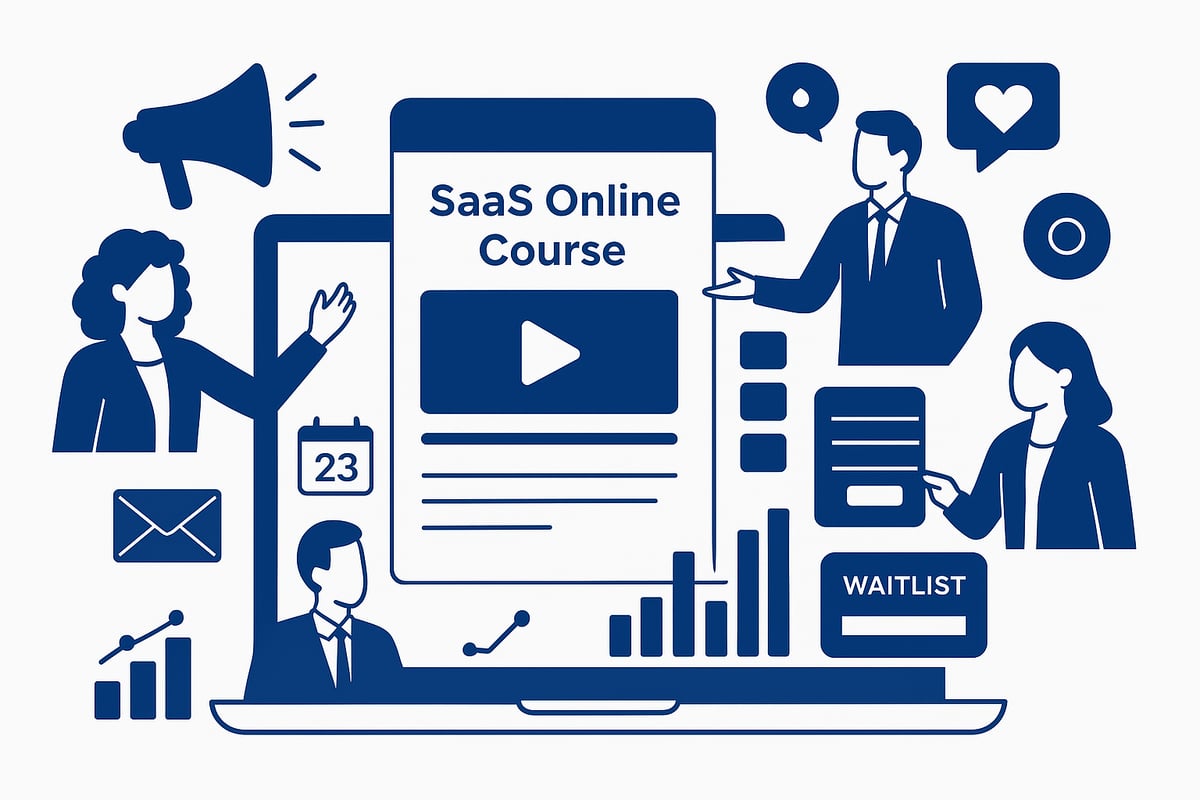
Start by generating excitement for your saas online course well before it goes live. Create a waitlist landing page to capture early interest and offer teaser content such as previews or mini-lessons via social media and email. Collaborate with SaaS thought leaders or influencers to boost your credibility and expand your reach. Early access offers or exclusive bonuses can incentivize sign-ups and help you gauge demand. These pre-launch tactics not only validate your course idea but also build a list of engaged leads ready for your official launch.
Go-to-Market Channels
Choosing the right channels is critical for reaching your target audience and maximizing ROI. For a saas online course, blend organic and paid strategies:
- Organic: Invest in SEO, publish thought leadership content, and guest post on industry blogs.
- Paid: Use PPC campaigns, retargeting ads, and social media ads targeting SaaS professionals.
- Example: LinkedIn advertising often drives high-quality B2B leads for SaaS course launches.
According to corporate e-learning market trends, the adoption of SaaS platforms for training is accelerating globally, creating a prime environment for course creators to scale.
Pricing and Monetization Models
Selecting the right pricing model for your saas online course can influence both conversion and retention. Popular options include:
- Subscription: Recurring payments for ongoing access and updates.
- One-time payment: Lifetime course access for a single fee.
- Freemium: Core modules free, with premium features behind a paywall.
- Bundling: Pair your course with SaaS tools or consulting services for extra value.
Test different models with your audience to determine which resonates best and aligns with your long-term growth strategy.
Conversion Optimization
A high-converting landing page is vital for turning interest into enrollments. Use clear, compelling CTAs and highlight the unique benefits of your saas online course. Showcase testimonials, case studies, and social proof to build trust and credibility. Incorporate concise course overviews, instructor bios, and preview content to reduce friction and answer common questions. Continually test elements like headlines, button colors, and form fields to improve conversion rates over time.
Post-Launch Growth Tactics
After launch, focus on sustaining momentum and driving ongoing enrollments for your saas online course. Implement referral programs and affiliate partnerships to encourage word-of-mouth growth. Keep learners engaged with regular email updates, new lessons, and community events. Gather feedback, analyze user data, and update your content to match evolving needs. Consistent engagement and improvement will help turn first-time buyers into loyal advocates and maximize your course’s impact.
Step 4: Measuring Success and Optimizing for Growth
Measuring the progress of your saas online course is crucial for sustainable growth. Without clear benchmarks, it is impossible to know if your learners are truly engaged or if your business objectives are being met. Let us break down the essential strategies to track, analyze, and optimize your course for peak performance.
Key Performance Indicators (KPIs) for SaaS Courses
To understand the health of your saas online course, focus on KPIs that reveal both learner engagement and business outcomes. Here are the most impactful metrics:
| KPI | Description | Why It Matters |
|---|---|---|
| Completion Rate | % of learners finishing the course | Indicates engagement |
| Learner Satisfaction | Post-course survey results | Reflects course quality |
| Net Promoter Score | Willingness to recommend your course | Measures loyalty |
| Revenue Growth | Increase in course income over time | Tracks financial success |
| Churn Rate | % of subscribers who leave | Reveals retention issues |
| Customer Lifetime Value | Revenue per learner over their journey | Gauges long-term value |
Set targets for each KPI and monitor them regularly. These metrics provide a holistic view of your saas online course performance, especially when compared with industry benchmarks from resources like Learning Management System (LMS) market analysis.
Data-Driven Course Optimization
Once you have baseline data, use analytics to uncover where learners are dropping off or losing interest. Identify bottlenecks in both content and marketing funnels.
Consider A/B testing different modules, lesson formats, or calls to action. For example:
- Test video length or quiz frequency to boost completion rates.
- Experiment with landing page headlines to increase sign-ups.
Advanced platforms can even use AI to recommend content improvements based on user behavior, a trend explored in AI-driven personalization in e-learning. Continuous optimization ensures your saas online course stays relevant and effective.
Gathering and Implementing Learner Feedback
Direct feedback is a goldmine for improving your saas online course. Use regular surveys, in-course polls, and active community forums to gather actionable insights.
- Ask learners what they enjoyed and where they struggled.
- Use quick polls after each module to track satisfaction in real time.
- Foster open discussion spaces for peer feedback.
Implementing changes based on this feedback can dramatically improve learner outcomes and satisfaction. Monthly feedback cycles keep your content aligned with audience needs.
Scaling Operations and Content
As your saas online course grows, automation becomes essential. Automate onboarding emails, learner support, and content updates to save time and maintain consistency.
Expand your course catalog based on demand signals from analytics and feedback. Consider adding advanced modules, related micro-courses, or certification tracks.
- Use integrations with popular SaaS tools for seamless learner experience.
- Leverage AI for personalized course recommendations.
Scalable systems help you deliver quality at every growth stage, ensuring your saas online course remains competitive.
Staying Compliant and Secure
With increased scale comes greater responsibility. Update privacy policies and data practices to keep pace with evolving global regulations.
- Regularly review GDPR, CCPA, and other compliance requirements.
- Secure learner data with robust encryption and access controls.
- Communicate transparently about data usage and security.
Staying proactive about compliance builds trust and protects your saas online course from legal and reputational risks.
Future-Proofing Your SaaS Course: Trends and Innovations for 2026
Staying ahead in the competitive world of saas online course creation means anticipating what comes next. The pace of change is accelerating, and successful course providers must adopt cutting-edge strategies to remain relevant and effective.
Embracing AI and Adaptive Technologies
Artificial intelligence is transforming the saas online course experience. Predictive analytics tailor learning paths based on student behavior and performance. With AI-driven content updates, courses stay current, and dynamic assessments ensure learners are always challenged at the right level.
These innovations help instructors deliver personalized journeys that boost engagement and completion rates. As AI matures, expect even more responsive and intuitive course environments.
Integrating with Next-Gen Tools and Platforms
Tomorrow’s saas online course will not be limited to traditional video lessons. VR and AR modules create immersive environments, letting users practice SaaS skills in realistic scenarios. API integrations with popular SaaS products allow hands-on learning, bridging the gap between theory and real-world application.
These advancements make learning more interactive and practical, preparing students for the evolving demands of the workplace.
Building Lifelong Learning Ecosystems
The future of saas online course offerings lies in creating sustainable, membership-based communities. Continuous learning paths encourage users to return for new content, while partnerships with SaaS companies open doors to certifications and career opportunities.
By fostering a culture of ongoing development, course creators build loyalty and long-term value for both learners and industry partners.
Sustainability and Social Impact
Eco-friendly hosting and digital accessibility are becoming core values for every leading saas online course provider. Initiatives like carbon-neutral servers and inclusive design standards help minimize environmental impact and expand reach to global audiences.
Supporting worldwide upskilling efforts, these platforms close digital divides and create lasting positive change in communities everywhere.
Preparing for Regulatory and Market Shifts
The regulatory landscape for saas online course delivery is always evolving. Staying compliant with new e-learning policies and SaaS industry standards is crucial. Flexible course frameworks enable quick adaptation to policy changes and shifting market demands.
By planning for uncertainty, creators protect their courses and ensure resilience in a fast-moving environment.