
SaaS tech is rapidly transforming how businesses operate and compete. With industry growth rates soaring, founders and product leaders face new challenges and opportunities as 2026 approaches.
This guide is your roadmap to mastering the evolving SaaS landscape. Discover the latest tech trends, market categories, proven validation strategies, infrastructure breakthroughs, go-to-market tactics, AI integration, security essentials, and forward-looking recommendations.
Ready to future-proof your business? Dive in for expert insights and practical steps to lead in the next era of SaaS.
The SaaS Tech Landscape in 2026: Key Trends and Market Shifts
The saas tech landscape in 2026 is defined by rapid innovation and shifting market dynamics. Founders and product leaders face a wave of transformation, where industry-specific solutions, AI, automation, and new business models are setting the pace.
Market Size and Growth Projections
The global tech saas market is projected to surpass $300 billion in 2026, with a CAGR that continues to outperform other tech segments. North America, APAC, and Europe remain the primary growth engines:
| Region | Market Share (%) | CAGR (2022-2026) |
|---|---|---|
| North America | 40 | 16 |
| APAC | 30 | 18 |
| Europe | 25 | 15 |
The market is also more crowded than ever, with over 30,000 SaaS companies worldwide. Investment is shifting away from growth at any cost toward sustainable scaling — venture capitalists increasingly prioritize solid fundamentals over hype, even as early-stage funding rounds grew 25% in a recent year. Standing out now requires sharp differentiation through unique features, superior user experience, or a specialized micro-SaaS focus.
The Rise of Vertical SaaS Solutions
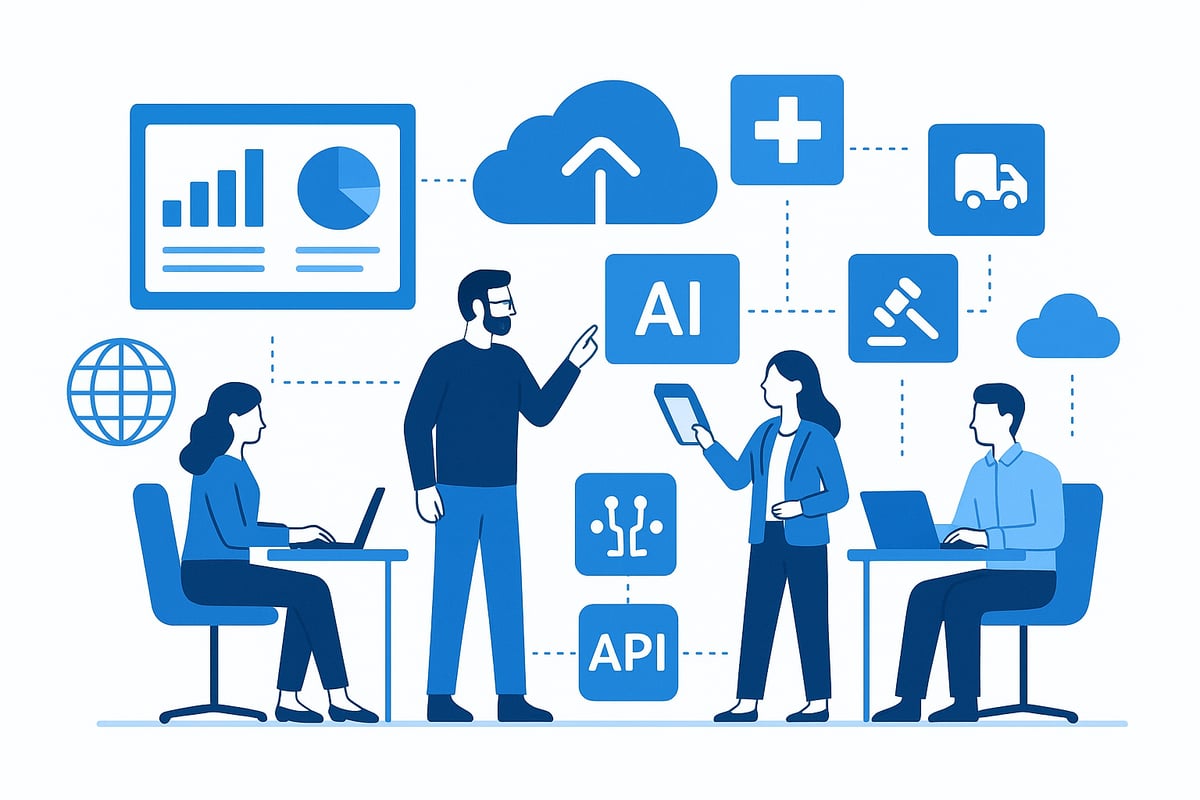
Vertical SaaS is reshaping the saas tech sector as buyers demand platforms tailored to specific industries. Companies like Veeva Systems in life sciences and Procore for construction lead this trend. According to Gartner, 60% of new SaaS startups in 2025 will focus on vertical markets, reflecting a push for specialized value and compliance readiness.
Industry-specific platforms allow for deeper workflow integration and faster adoption. This approach reduces customization costs and helps vendors address regulatory requirements unique to each field. As a result, vertical saas tech is driving more targeted growth and customer loyalty.
AI and Automation Dominate Product Roadmaps
AI and automation are now core to every saas tech roadmap. Customers expect AI-powered features, from predictive analytics and natural language processing to automated support. IDC reports that 78% of SaaS firms plan to boost AI investment by 2026.
Practical applications include AI-driven dashboards, intelligent chatbots, and workflow automation tools. These capabilities enhance decision-making and streamline operations, making AI a baseline expectation for any competitive saas tech company.
Low-Code/No-Code Platforms Accelerate Development
Low-code and no-code platforms are democratizing saas tech creation. Non-technical founders can quickly build and iterate products using tools like Bubble and OutSystems. This shift enables faster MVP launches, shorter feedback cycles, and reduced development costs.
The impact is profound: organizations can validate ideas and respond to user needs swiftly. As low-code solutions mature, expect saas tech teams to focus more on innovation and less on technical bottlenecks.
API-First and Composable Architectures
Adopting an API-first approach is a hallmark of modern saas tech. Companies are designing modular systems that support seamless integration and customization. Twilio and Stripe exemplify this with robust API ecosystems that enable rapid product expansion.
Composable architectures empower teams to build, scale, and update features independently. This flexibility is essential as customers demand more connected solutions and interoperability across the saas tech stack.
SaaS Monetization Evolves
Saas tech monetization models are evolving to match changing customer preferences. Usage-based pricing, freemium offerings, and hybrid structures are becoming standard. OpenView projects that 40% of SaaS revenue will come from usage-based models by 2026.
This shift aligns value delivery with customer consumption, making saas tech more accessible and scalable. Flexible pricing also supports global expansion and serves a wider range of business sizes.
Sustainability and Green SaaS
Sustainability is gaining traction in saas tech, as companies prioritize energy efficiency and lower carbon footprints. Salesforce’s net-zero cloud is a leading example, showing how technology firms are integrating green practices into their operations.
Customers and investors are increasingly evaluating vendors on environmental impact. Sustainable saas tech infrastructure can reduce costs while meeting regulatory and corporate responsibility goals.
Globalization and Data Localization
Globalization brings both opportunity and complexity to saas tech providers. Navigating data privacy regulations like GDPR, CCPA, and China’s PIPL is now a key factor in vendor selection. Forrester notes that 55% of SaaS buyers consider data localization essential.
Successful saas tech companies are investing in flexible infrastructure and compliance tools. This ensures they can serve international markets while maintaining trust and legal compliance.
SaaS Category Deep-Dive: Specialized Markets and Opportunities
The saas tech landscape in 2026 is more diverse than ever, with specialized markets offering tailored solutions to unique industry challenges. Understanding these categories equips founders and decision-makers to spot trends and seize new opportunities.
MarTech: Marketing Technology SaaS
MarTech is a dynamic segment of saas tech, empowering marketing teams to automate, optimize, and measure campaign performance. Popular categories include CRM, marketing automation, analytics, and social media management, with platforms like HubSpot, Marketo, and Salesforce Marketing Cloud leading the field. The MarTech market is projected to surpass $182 billion globally by 2026, driving a surge in demand for digital marketers and data analysts.
HealthTech: Healthcare SaaS
HealthTech continues to revolutionize healthcare delivery and patient engagement through saas tech. Key solutions include Electronic Medical Records (EMR), telemedicine, and wearable device integration, with strict compliance focus on HIPAA, GDPR, and data encryption. These platforms are central to digital transformation in healthcare, improving patient care while streamlining workflows.
Business Productivity and Collaboration SaaS
Business productivity and collaboration tools are vital for remote and hybrid teams, facilitating communication, project management, and knowledge sharing. Leading platforms — Slack, Microsoft Teams, Google Workspace, and Asana — deliver real-time collaboration, document management, and workflow automation for onboarding, cross-department coordination, and virtual meetings.
Learning Management Systems (LMS) and EdTech
LMS and EdTech solutions are transforming education and corporate training with scalable, customizable learning experiences. Platforms like Moodle, Canvas, and TalentLMS provide course authoring, progress tracking, and compliance reporting for employee onboarding, certification, and continuing education.
Other Emerging Verticals
Beyond the mainstream, saas tech is gaining traction in FinTech (payment processing, risk management, personal finance), LegalTech (document automation, case management, e-discovery), and PropTech (property management, smart building integrations). The rise of micro-SaaS, often targeting highly specific workflows, demonstrates the growing appetite for industry-specific and niche SaaS solutions. As saas tech expands into new markets, entrepreneurs can capitalize on gaps and unmet needs for sustainable growth.
Validating Your SaaS Idea: 2026’s Essential Frameworks and Tools
Validating your saas tech idea is more crucial than ever in 2026. With a crowded marketplace and rising customer expectations, skipping validation can lead to costly mistakes. In fact, 90% of saas tech startups fail due to lack of market need. A robust validation process is the difference between building a solution that thrives and one that gets lost in the noise.
Why Validation is More Critical Than Ever
The saas tech industry is evolving rapidly, making validation a non-negotiable first step. Intense competition and shifting buyer preferences demand that you prove real market need before investing heavily. As AI and automation become standard, customers expect smarter, more tailored solutions. This means your saas tech validation must go beyond surface-level research. Data-driven frameworks, real customer feedback, and iterative testing are essential for building products that resonate in 2026.
Step 1: Market Research & Customer Discovery
Effective market research is the foundation for any successful saas tech launch. Start with problem interviews, competitor analysis, and social listening to uncover pain points. Use tools like Typeform for surveys, Google Trends for demand signals, and LinkedIn Groups for direct feedback. For vertical SaaS ideas, it’s wise to follow Vertical SaaS validation strategies to ensure industry-specific needs are addressed. Some founders have validated demand by engaging communities on Reddit and LinkedIn, gathering essential insights even before building an MVP.
| Tool | Purpose | Use Case Example |
|---|---|---|
| Typeform | Surveys | Customer interviews |
| Google Trends | Market signals | Trend analysis |
| Community feedback | Industry discussions |
Step 2: Building and Testing MVPs
A lean MVP is essential for testing your saas tech assumptions with minimal risk. No-code platforms like Webflow, Bubble, and Figma allow rapid prototyping without deep technical expertise. For example, a SaaS startup cut MVP costs by 70% using no-code tools, accelerating time-to-market — a pattern echoed by well-known MVPs like Dropbox’s explainer video and Airtable’s early, deliberately basic build. Focus on building only the core features that address your target users’ primary problems, gather feedback quickly, and iterate based on what you learn.
Step 3: Pre-Sell and Early Adopter Engagement
Pre-selling your saas tech solution is a practical way to confirm real market interest. Set up landing pages, waitlists, or even crowdfunding campaigns to attract early adopters. Success at this stage is measured by the number of qualified leads or pre-sales — aim for at least 100 before writing a single line of code. This approach not only validates demand but also builds an engaged community eager for your launch.
Step 4: Iterative Improvement Based on Data
Continuous improvement is vital for saas tech products. After launching your MVP, leverage analytics tools like Mixpanel and Amplitude to monitor user behavior and engagement. Track activation and retention rates, aiming for at least 30% retention after launch. Use A/B testing to optimize features and workflows, and prioritize feedback loops with clear metrics to measure success at every stage.
Step 5: Go-to-Market Validation
The final step is validating your go-to-market strategy. Test different pricing models, messaging, and sales channels to see what resonates with your audience. Some saas tech companies have pivoted their pricing after A/B testing conversion rates, leading to significant revenue growth. Experiment with freemium, usage-based, or hybrid pricing to find the optimal fit before scaling your marketing efforts.
How SaaS Validation Empowers Founders to Succeed in 2026
SaaS Validation is a valuable resource for founders navigating the complex saas tech landscape. It offers step-by-step guides, expert advice, and community-driven insights tailored to modern validation challenges, along with real-world case studies, curated tools, and proven frameworks for everything from market research to go-to-market strategy.
Building a Future-Proof SaaS Stack: Infrastructure, Scalability, and Integration
Building a future-proof saas tech stack is essential for founders and product leaders aiming for resilience and adaptability in 2026. As the industry evolves, careful choices in infrastructure, automation, and data management will set successful platforms apart.
Cloud Infrastructure Choices for 2026
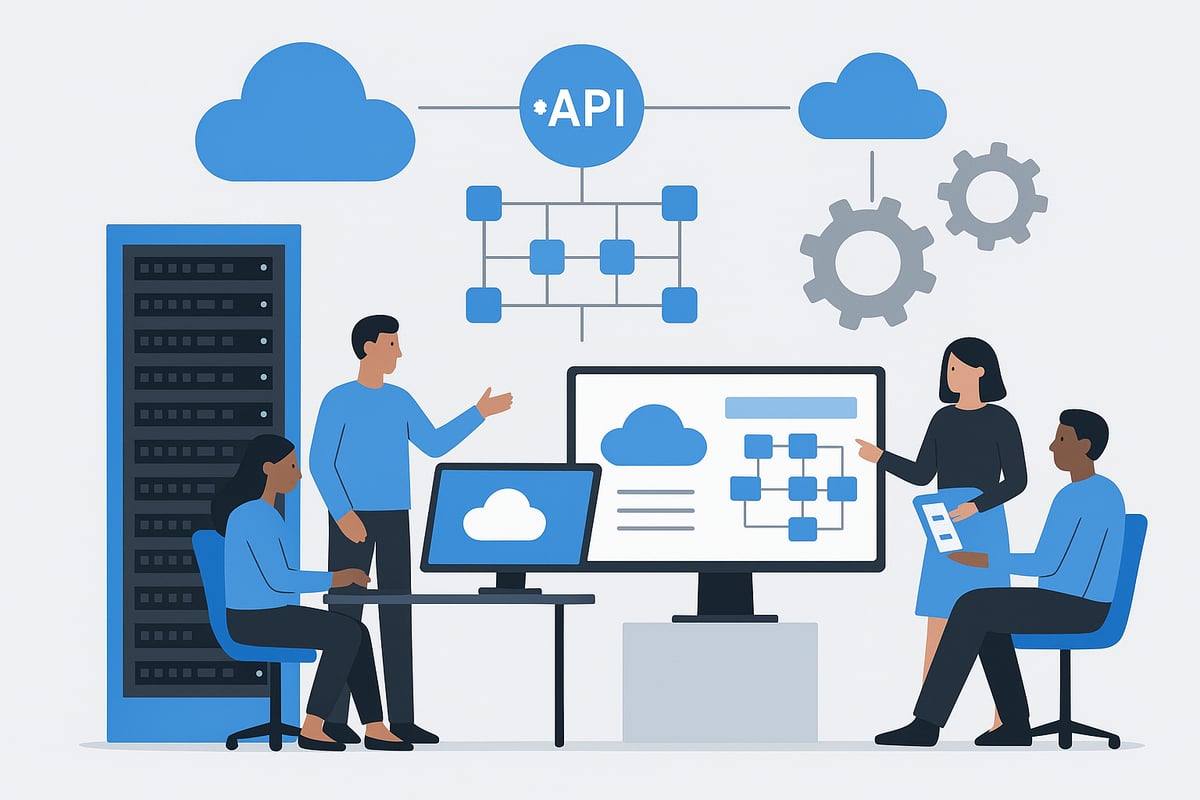
Selecting the right infrastructure is foundational to any saas tech strategy. The shift toward multi-cloud and hybrid cloud architectures is accelerating, with 67% of companies now leveraging more than one provider for resilience and compliance. AWS, Azure, and Google Cloud dominate the landscape, each offering distinct strengths.
| Provider | Strengths | Compliance Features |
|---|---|---|
| AWS | Broadest service range | Extensive certifications |
| Azure | Enterprise integration | Strong hybrid cloud |
| Google Cloud | Data analytics, AI | Advanced security |
This multi-cloud approach allows teams to avoid vendor lock-in and optimize for both performance and regulatory needs.
Modern DevOps and Continuous Delivery
Adopting modern DevOps practices is critical for saas tech teams intent on rapid innovation. Automated CI/CD pipelines, powered by solutions like GitHub Actions and CircleCI, streamline deployments and minimize human error. Kubernetes enables scalable container orchestration, allowing seamless updates and rollbacks. Consider this workflow:
- Code committed to repository
- Automated tests and builds triggered
- Containers deployed to staging, then production
One SaaS firm recently reduced deployment times by 80% by moving to container-based delivery, highlighting the operational gains of this approach.
Microservices and Composable SaaS
Microservices architectures are now the norm for scalable saas tech solutions. By dividing applications into independent, modular services, companies gain flexibility in scaling and updating components without impacting the entire system. Netflix exemplifies this approach, managing thousands of microservices to deliver a seamless user experience globally.
Integration and API Management
Integration is at the core of a robust saas tech stack. Customers expect seamless connections with third-party tools, making API-first design and effective API management vital. Leading platforms like Zapier, MuleSoft, and Postman help teams build, test, and manage integrations efficiently, boosting customer retention and opening new partnership opportunities.
Data Storage and Management
Choosing the right data storage model is another key decision for saas tech leaders. The market is split between SQL, NoSQL, and cloud-native databases, each with unique benefits. By 2026, 50% of SaaS applications are projected to use cloud-native databases for their scalability and reliability. Monitoring, observability, and cost management are essential to maintain uptime and control expenses — tools like Datadog, New Relic, and CloudHealth provide actionable insights, helping teams quickly detect issues and optimize resource utilization.
Cost Management and Optimization
Managing costs is a strategic part of building a sustainable saas tech business. Cloud cost monitoring tools like CloudHealth and AWS Cost Explorer provide real-time visibility into spending. Adopt best practices such as resource tagging, rightsizing, and shutting down unused services — usage-based pricing models help align costs with customer value, as demonstrated by HubSpot’s modular pricing structure. Avoid vendor lock-in by using open standards and modular components; diversifying third-party dependencies reduces risk and supports long-term flexibility.
A future-proof saas tech stack blends resilient infrastructure, agile development, modular architectures, seamless integration, and disciplined cost management. Strategic decisions in each area let SaaS leaders build platforms ready to meet the challenges and opportunities of 2026.
Go-to-Market Strategies for SaaS Success
Launching and scaling a saas tech product in today’s market requires more than a great idea. Success depends on strategic positioning, multi-channel acquisition, product-led growth, and building lasting customer relationships. Each element of your go-to-market strategy should be tailored for the dynamic saas tech landscape, ensuring you stand out and drive sustainable growth.
Crafting a Winning Positioning and Messaging
In a saturated saas tech market, clear positioning is your secret weapon. Start by defining what makes your solution unique — are you solving a problem no one else addresses, or delivering better value? Develop messaging that resonates with your target audience, focusing on outcomes and benefits. According to recent industry analysis, AI is now a “must-have” feature in SaaS — businesses expect automation and intelligence as standard, so reflect this in your messaging. Strong positioning helps saas tech brands double conversion rates.
Multi-Channel Customer Acquisition
Acquiring users for a saas tech product demands a multi-channel approach. Inbound marketing — content, SEO, and thought leadership — builds trust and attracts organic traffic, while outbound efforts like targeted outreach and account-based marketing (ABM) accelerate growth.
| Channel | Strengths |
|---|---|
| SEO | High-quality, scalable leads |
| Paid ads | Immediate visibility |
| ABM | Reaches high-value accounts |
| Partnerships | Expands reach and credibility |
Did you know that 60 percent of SaaS signups begin with organic search? Review your own SaaS Market Statistics to benchmark acquisition strategies and refine your approach to saas tech growth.
Product-Led Growth (PLG) Tactics
Product-led growth is transforming how saas tech companies scale. With PLG, your product itself becomes the primary driver of acquisition and retention. Offer free trials or freemium versions to lower barriers and showcase value early, and implement viral loops — referral incentives or in-app sharing — to encourage organic growth. Companies adopting PLG models report 30 percent faster growth compared to traditional sales-led approaches. Prioritize seamless user experiences and self-service to empower customers and fuel word-of-mouth.
Sales Enablement and Customer Journey Optimization
A high-performing sales team is crucial for saas tech businesses targeting complex or enterprise accounts. Equip your team with battle cards, case studies, and demo scripts tailored to each stage of the buyer journey. Map the customer journey end-to-end, identifying friction points and opportunities for delight. Companies that invest in customer journey optimization see up to 50 percent higher retention rates, driving sustainable revenue growth.
Onboarding, Activation, and Retention Strategies
Effective onboarding is the foundation of strong retention in saas tech. Guide new users through setup with intuitive walkthroughs and helpful resources, and personalize the onboarding journey based on user roles or segments to maximize engagement. Track activation metrics such as time-to-first-value and feature adoption — research shows personalized onboarding experiences can increase activation rates by 20 percent.
Community Building and Brand Advocacy
Fostering a community around your saas tech solution amplifies brand loyalty and advocacy. Launch user forums, host webinars, and create spaces for customers to share feedback and best practices. Encourage power users to act as brand ambassadors through referral programs and testimonials — saas tech brands with thriving communities see Net Promoter Scores three times higher than those without.
AI, Automation, and Personalization: The New SaaS Differentiators
Artificial intelligence, automation, and personalization have become the true differentiators in saas tech. As 2026 approaches, these advancements are transforming how SaaS businesses build, deliver, and refine their products. Companies that leverage these pillars will set themselves apart and deliver superior value to customers.
Embedding AI and ML in SaaS Products
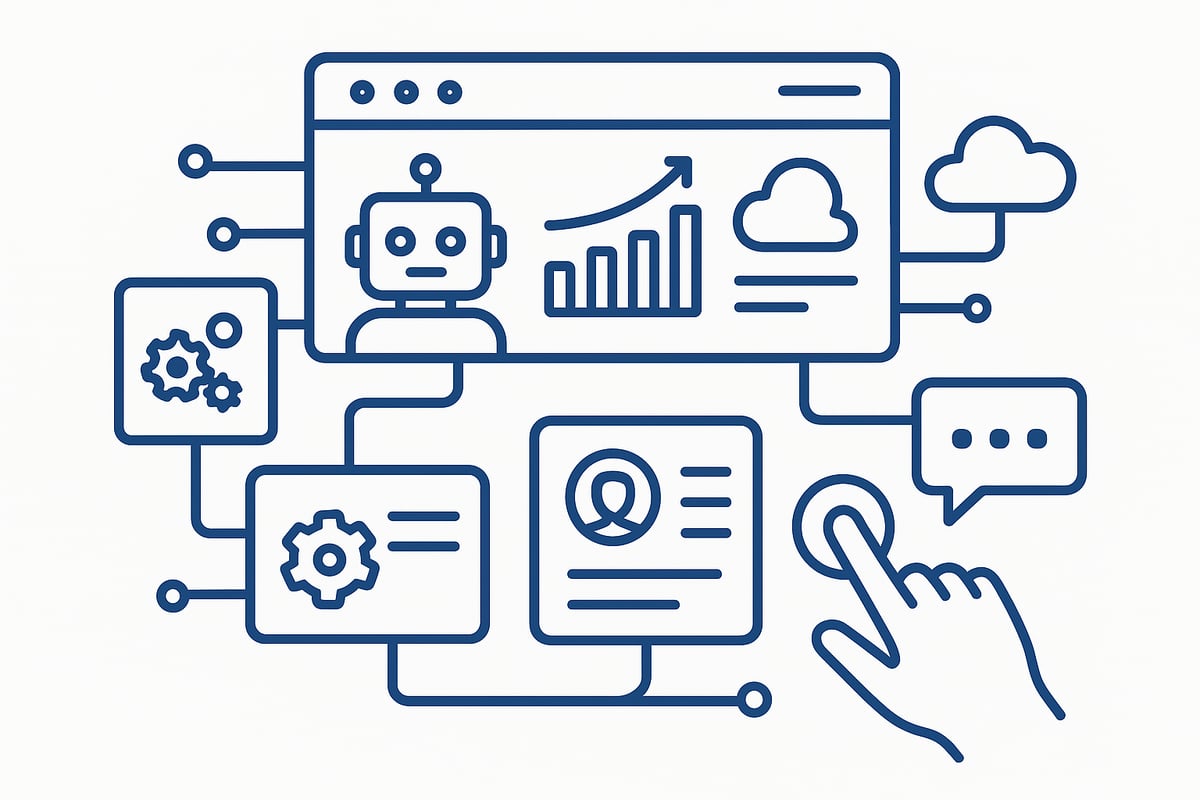
Embedding AI and machine learning is no longer optional for saas tech. By 2026, 85% of SaaS applications will feature some form of embedded AI, according to IDC. These AI-driven features span predictive analytics, intelligent search, and automated onboarding — helping product teams identify churn risks, surface relevant content, and streamline setup for new customers. To explore how these advances are transforming the industry, review AI in SaaS platforms for in-depth coverage of current trends and practical examples.
Automation for User Experience and Operations
Automation is a core enabler for modern saas tech, driving both user satisfaction and operational efficiency. Workflow automation tools reduce manual tasks, allowing teams to focus on strategic initiatives, while chatbots powered by natural language processing deliver instant answers around the clock. Consider Intercom’s AI-powered customer support platform, which automates common queries and routes complex issues to human agents. SaaS companies are adopting automation to accelerate onboarding, trigger personalized emails, and optimize billing workflows.
Hyper-Personalization and Adaptive Interfaces
Hyper-personalization is at the forefront of saas tech innovation. Modern SaaS applications leverage behavioral data to deliver dynamic user experiences tailored to individual needs. Adaptive interfaces adjust layouts, content, and recommendations based on user actions — tools like Segment and Dynamic Yield enable SaaS teams to segment audiences and personalize content in real time. Personalized dashboards, context-aware notifications, and AI-driven recommendations drive higher engagement and satisfaction.
Responsible AI and Ethical Considerations
As AI becomes ubiquitous in saas tech, responsible adoption is critical. Companies must address issues of bias, transparency, and regulatory compliance. Frameworks such as Google’s Responsible AI Practices provide guidelines for ethical development and deployment — it’s essential to audit algorithms for unintended bias and document decision-making processes. Transparent communication about data usage and model limitations builds trust with users.
Human-in-the-Loop Systems
Despite automation’s advantages, human oversight remains vital in saas tech. Human-in-the-loop (HITL) systems combine AI efficiency with expert judgment for critical processes. For instance, SaaS HR platforms use AI to screen candidates, but final hiring decisions rest with human managers. HITL systems are also valuable in sensitive areas such as healthcare, finance, and compliance, where nuanced decisions are required.
Measuring ROI of AI Initiatives
Quantifying the impact of AI in saas tech is essential for ongoing investment. Key metrics include churn reduction, upsell rates, and support ticket resolution times. On average, companies integrating AI report a 40% productivity boost, according to McKinsey.
| Metric | Impact Area | Typical Improvement |
|---|---|---|
| Churn Rate | Customer Success | -15% |
| Upsell Rate | Revenue Growth | +20% |
| Ticket Resolution Time | Customer Support | -35% |
Security, Privacy, and Compliance in 2026 SaaS
SaaS tech faces a rapidly changing security landscape in 2026. As adoption grows, so do the threats and regulatory demands. Protecting data, ensuring privacy, and maintaining compliance are now essential for every SaaS provider.
Evolving Threat Landscape and Security Standards
The threat landscape for saas tech is intensifying. Ransomware, supply chain attacks, and credential stuffing are among the top risks. According to the Verizon DBIR 2025, SaaS breaches have increased by 30 percent year over year. Security standards are evolving to counter these threats — companies now follow frameworks like SOC 2, ISO 27001, and PCI DSS, with regular audits and penetration testing as standard practice.
Zero Trust and Identity Management
Implementing Zero Trust architectures is a best practice for modern saas tech. This approach assumes no user or device is trusted by default, reducing attack surfaces. Single sign-on (SSO) and multi-factor authentication (MFA) are now standard features. Okta’s identity solutions illustrate how effective identity management can protect SaaS platforms. For more actionable strategies, review top SaaS Security Best Practices.
Data Privacy Regulations and Global Compliance
Data privacy is at the heart of saas tech compliance. Regulations such as GDPR, CCPA, and China’s PIPL require strict data handling and transparency. In 2026, 70 percent of SaaS buyers demand clear compliance from vendors. Navigating global rules means mapping data flows, updating policies, and providing customer controls. For a deep dive into privacy strategies, see how SaaS security and GDPR compliance can be a competitive advantage.
Secure DevOps (DevSecOps)
Secure DevOps, or DevSecOps, embeds security within the development lifecycle of saas tech. By integrating security tools like Snyk and Aqua Security into CI/CD pipelines, teams detect vulnerabilities early. Automated testing, code reviews, and continuous monitoring ensure that security is not an afterthought but a core part of development.
Customer Trust and Transparency
Building trust is fundamental for saas tech providers. Customers expect clear communication about security practices, data usage, and incident response. Many companies now publish security pages and obtain SOC 2 certifications, along with real-time status updates and easy access to compliance documentation.
Preparing for the Future: SaaS Innovation and Growth Strategies
As the pace of change accelerates, preparing for the future is essential for every SaaS tech leader. Embracing innovation and adopting agile growth strategies can set your business apart in the competitive landscape.
Continuous Product Discovery and User Feedback
Ongoing product discovery is the cornerstone of sustainable growth. SaaS tech companies should prioritize regular customer interviews, NPS tracking, and feature voting to stay aligned with user needs:
- Conduct monthly feedback sessions
- Monitor user behavior analytics
- Implement rapid iteration based on insights
Internationalization and Localization
To compete in global markets, internationalization is no longer optional. SaaS tech organizations must provide multi-language support, local payment options, and adapt user experiences for cultural nuances.
| Feature | Benefit |
|---|---|
| Multi-language UI | Wider market reach |
| Local payment gateways | Improved conversion rates |
| Regional compliance | Faster market entry |
Localized products can achieve 1.5x faster growth than non-localized counterparts. Success in new regions often depends on how well you localize your product and support.
Monetization and Pricing Innovation
Innovative pricing models are transforming the saas tech landscape. Companies are shifting from traditional subscriptions to usage-based and hybrid pricing, aligning value with customer outcomes. Experimenting with tiered, outcome-based, or consumption pricing can unlock new growth channels.
Partnerships and Ecosystem Building
Building a robust ecosystem is vital for scaling saas tech businesses. Strategic partnerships with marketplaces, developer platforms, and channel partners extend your reach and accelerate innovation:
- Integrating with leading platforms
- Co-marketing with complementary products
- Participating in industry alliances
Talent and Remote Team Management
Distributed teams are now the norm in SaaS tech. Attracting top talent globally requires investment in remote collaboration tools, inclusive culture, and clear communication channels:
- Quarterly team retreats for alignment
- Transparent goal-setting
- Flexible work arrangements
Funding and Financial Sustainability
Financial planning is critical for scaling saas tech ventures. Choosing between bootstrapping and venture funding depends on your growth goals and risk tolerance — managing cash flow, burn rate, and runway helps maintain stability in volatile markets. Investment in the sector is shifting away from growth at any cost toward sustainable fundamentals, though early-stage funding rounds have still grown by 25% in a recent year. Global IT spending is projected to exceed $6 trillion by 2026, according to Gartner’s 2026 IT Spending Forecast, highlighting the growing investment in cloud and AI infrastructure. Explore alternative funding methods, such as revenue-based financing, to diversify your options.
Common Pitfalls to Avoid
Even the most promising saas tech startups can stumble if they overlook key risks:
- Neglecting security and compliance, which exposes customer data and erodes trust
- Building too many features too soon, leading to bloated code and wasted resources
- Poor onboarding and customer support, resulting in low engagement and high churn
Remember, roughly 30% of saas tech startups fail due to technical debt — focus on robust security practices, validate features before scaling, and invest in seamless onboarding to keep your architecture clean and your growth sustainable.
Measuring Long-Term Success: LTV, NRR, CAC, and NPS
Tracking advanced metrics is the cornerstone of sustainable growth in saas tech. Key indicators include Lifetime Value (LTV), Net Revenue Retention (NRR), Customer Acquisition Cost (CAC) payback, and Net Promoter Score (NPS). Establishing feedback loops around these metrics ensures ongoing improvement and customer satisfaction — set ambitious, data-driven goals and benchmark your progress regularly to ensure your saas tech company remains a leader.
Staying Ahead: Learning, Networking, and Trend Tracking
Staying ahead in saas tech means committing to continuous learning. Attend SaaS conferences, join founder communities, and subscribe to industry reports to keep your finger on the pulse:
- Online forums for peer insights
- Webinars on emerging trends
- Regular competitor benchmarking
A compelling example is a SaaS company that doubled its ARR by expanding into APAC, leveraging localized features and strategic partnerships. Forward-thinking saas tech leaders who embrace innovation and global perspectives will be best positioned for growth in 2026.
Frequently Asked Questions
What does “SaaS technology” actually cover?
SaaS technology spans everything involved in building, running, and scaling a software-as-a-service product: the cloud infrastructure and architecture choices, the AI and automation embedded in the product, the security and compliance layer, and the go-to-market motion that gets it in front of customers. It’s less a single technology than the full stack a modern SaaS business runs on.
How big is the SaaS market in 2026?
Estimates converge around $300 billion for the global SaaS technology market in 2026, growing at a CAGR that outpaces most other tech segments, with North America, APAC, and Europe as the three largest regional markets.
What’s the difference between horizontal and vertical SaaS?
Horizontal SaaS (Slack, HubSpot, Google Workspace) solves a function — communication, marketing, productivity — for any industry. Vertical SaaS (Veeva Systems for life sciences, Procore for construction) is built for one specific industry’s workflows and compliance needs. Vertical SaaS is growing faster right now because it reduces customization costs and bakes in regulatory requirements the horizontal tools can’t.
Do I need AI in my SaaS product to compete in 2026?
Effectively, yes — 85% of SaaS applications are expected to ship with embedded AI by 2026, and customers increasingly treat predictive analytics, intelligent search, and automated support as baseline expectations rather than premium features. Where and how deeply you embed it should still be driven by a real workflow problem, not by AI for its own sake.
What’s the biggest reason SaaS startups fail, and how do I avoid it?
Lack of validated market need is the single biggest cause — as many as 90% of failures trace back to it. Avoid it by validating before you build at scale: run customer discovery interviews, ship a lean MVP, pre-sell to at least 100 qualified leads, and iterate on real usage data before investing in go-to-market or infrastructure.
Should I bootstrap or raise venture funding for my SaaS company?
It depends on your growth goals and risk tolerance. Bootstrapping preserves control and forces discipline on burn rate, but caps how fast you can hire and acquire customers. Venture funding buys speed but comes with growth expectations and dilution. Investors are increasingly rewarding solid fundamentals over growth-at-any-cost, so either path now requires demonstrating real validation and traction first.