
Imagine trying to keep up with rapid business changes in 2025, only to be slowed by preventable errors and outdated processes. As workflows grow more complex, the need for precise validation is more urgent than ever.
Mounting challenges in data, process, and software validation put productivity, compliance, and business continuity at risk. The right validation tools are now essential for any organization aiming to reduce costly mistakes and accelerate results.
In this article, discover 7 essential validation tools that can transform your workflow, streamline operations, and deliver measurable efficiency gains. Ready to boost accuracy and productivity? Let’s explore the best solutions for 2025.
Understanding Workflow Validation in 2025
In an era where business operations are more complex than ever, validation tools have become the backbone of efficient workflow management. The rapid growth of digital processes in 2025 demands robust systems to ensure accuracy, compliance, and productivity. Let us explore how validation tools are shaping the future of work.
The Evolving Importance of Validation
As organizations embrace automation and AI, the complexity of managing data and workflows has soared. Validation tools are now essential for maintaining operational accuracy and business continuity. In 2025, industries face mounting challenges due to cross-platform operations and globally distributed teams.
Statistics reveal that effective data validation can cut manual effort by up to 70 percent, reducing costly errors and compliance risks. According to the latest data quality statistics, poor data quality costs businesses millions annually. For example, a multinational bank streamlined its reporting processes and improved productivity by integrating automated validation tools, highlighting their transformative impact.
Types of Validation Tools: Data, Process, and Software
Validation tools fall into three main categories: data validation, process validation, and software validation. Data validation tools check the integrity and accuracy of financial records, customer lists, or product inventories. Process validation tools focus on workflow consistency, ensuring that project management or HR processes run smoothly and comply with standards. Software validation tools verify that SaaS applications or custom software meet requirements and function as intended.
Choosing the right type of validation tools is critical. For instance, finance teams rely on data validation to prevent reporting errors, while project managers use process validation to track milestones. SaaS companies depend on software validation for continuous deployment and customer trust.
Common Workflow Bottlenecks Solved by Validation Tools
Manual data checks, inconsistent processes, and error-prone handoffs create significant bottlenecks in modern workflows. Validation tools automate these tasks, eliminating repetitive checks and reducing compliance risks. For example, unvalidated email contact lists can lead to failed marketing campaigns and lost revenue. Similarly, manual invoice processing often results in delays and costly mistakes.
By automating validation, organizations save time and resources. The implementation of validation tools ensures that workflow bottlenecks are addressed proactively, leading to smoother operations and faster decision-making.
The ROI of Investing in Validation Tools
Investing in validation tools delivers measurable returns. Companies report reduced error rates, faster project delivery, and improved compliance with industry regulations. Automated validation tools often cut validation time from hours to minutes, enhancing productivity and team morale.
Long-term savings also come from fewer compliance incidents, better data-driven decisions, and more agile business operations. As digital transformation accelerates in 2025, the ROI of validation tools is clear—streamlined workflows, reduced costs, and a stronger foundation for growth.
Criteria for Choosing the Right Validation Tool
Selecting the right validation tools for your organization can make or break your workflow efficiency in 2025. With so many options on the market, knowing what to prioritize ensures you avoid costly missteps and maximize productivity.
Key Features to Look For
When evaluating validation tools, focus first on core features that will directly impact your workflow. Look for automated error detection and correction to minimize manual effort. Real-time validation at data entry points is essential for catching mistakes early. The ability to set custom rules and configure workflows ensures the tool adapts to your unique processes. AI-powered insights and predictive analytics give you a competitive edge by proactively identifying issues.
For a side-by-side overview of essential features in leading solutions, see this Data Quality Tools Comparison 2025. By prioritizing these features, you set your team up for success with the most effective validation tools.
Integration and Compatibility
Integration capabilities are crucial when choosing validation tools. Seamless compatibility with popular platforms like Google Sheets, Excel, CRMs, and APIs reduces the need for manual data transfers. Effective integration streamlines your workflow and minimizes errors caused by data silos.
Many organizations benefit from choosing validation tools that can work directly within their existing cloud or spreadsheet environments. This approach not only saves time but also boosts user adoption, as teams can validate data without leaving familiar interfaces.
Scalability and Performance
As your business grows, your validation tools must scale with you. Opt for solutions that can handle large datasets or high transaction volumes without lag. Cloud-based validation tools are especially valuable for enterprises operating across multiple regions or handling millions of records.
Reliable performance ensures that validation processes do not become bottlenecks. Scalable validation tools support business expansion and maintain workflow speed, even as data complexity increases.
Compliance, Security, and Governance
For industries such as finance, healthcare, or eCommerce, compliance and security are non-negotiable. The best validation tools offer features like audit trails, role-based access controls, and robust support for regulatory frameworks such as GDPR or HIPAA.
Strong governance capabilities not only help prevent data breaches but also support internal audits and external reporting. Choosing validation tools with a proven track record in compliance ensures your organization meets industry standards while protecting sensitive information.
7 Essential Validation Tools to Streamline Your Workflow in 2025
Selecting the right validation tools is crucial for any business aiming to minimize errors, enhance efficiency, and maintain compliance in 2025. Below, we explore seven standout solutions, each designed to address specific workflow validation needs, whether for data, process, or software. These validation tools have been chosen for their innovation, reliability, and proven results across diverse industries.
1. Numerous.ai
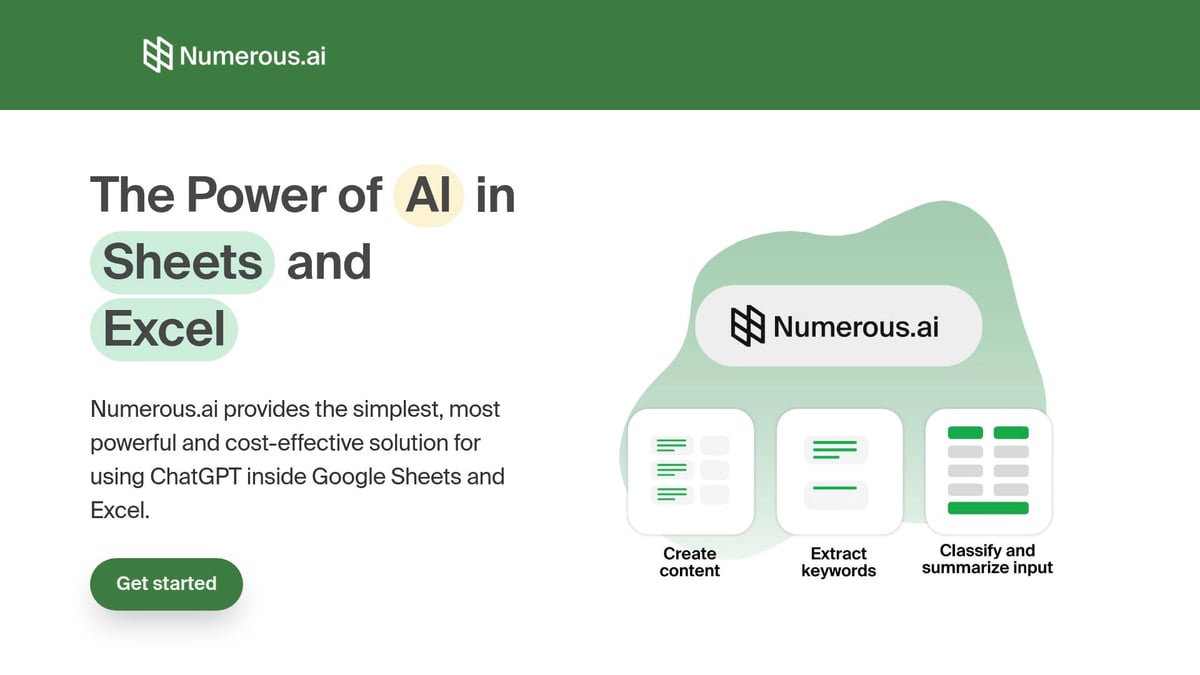
Numerous.ai is a leading solution among validation tools for spreadsheet users seeking accuracy and speed. It offers a subscription-based model with a free trial, making it accessible for businesses of all sizes.
Core Features:
- AI-powered spreadsheet validation
- Real-time error detection
- One-click corrections
- Seamless integration with Google Sheets and Excel
Key Benefits:
Numerous.ai eliminates the need for manual spreadsheet checks. Its AI engine instantly cleans data, ensuring teams can focus on analysis rather than error hunting.
Target Audience:
Content marketers, eCommerce businesses, data analysts, and teams reliant on spreadsheets.
Ideal Use Cases:
- Validating marketing contact lists
- Cleaning sales and inventory data
- Automating routine spreadsheet checks
Pros:
Easy to integrate, user-friendly, and scalable for large datasets.
Cons:
Mainly focused on spreadsheet environments, limiting use outside these platforms.
Unique Selling Point:
AI-powered validation directly within familiar spreadsheet tools, making it a standout among validation tools for non-technical users.
2. Informatica Data Quality
Informatica Data Quality stands out as an enterprise-grade choice in the world of validation tools. Pricing is custom, tailored to large organizations with complex data needs.
Core Features:
- Data profiling and cleansing
- Robust data validation and governance
- Real-time monitoring
Key Benefits:
A comprehensive solution, Informatica delivers strong compliance features and supports large-scale operations, making it ideal for regulated industries.
Target Audience:
Enterprises, financial institutions, healthcare, and data engineering teams.
Ideal Use Cases:
- Financial data validation
- Regulatory compliance
- Data migration projects
Pros:
Highly customizable, extensive integrations with business systems, and strong customer support.
Cons:
A steep learning curve and higher cost can be barriers for smaller organizations.
Unique Selling Point:
Enterprise-grade governance, making it one of the most trusted validation tools for mission-critical data.
3. PydanticAI
PydanticAI is an open-source, schema-based validation tool popular with developers working in Python. It is free to use, with optional enterprise support.
Core Features:
- Schema validation for Python data models
- Automated error correction
- API integration
Key Benefits:
Ensures data consistency across Python applications and APIs, making it invaluable for software teams.
Target Audience:
Developers, machine learning engineers, and API specialists.
Ideal Use Cases:
- Validating API payloads
- Preprocessing data for ML training
- Automating backend data checks
Pros:
Lightweight, fast, and integrates with popular Python frameworks.
Cons:
Requires familiarity with Python, so less suitable for non-developer teams.
Unique Selling Point:
Best-in-class Python data validation, making it a top pick among validation tools for technical teams.
4. Ataccama ONE
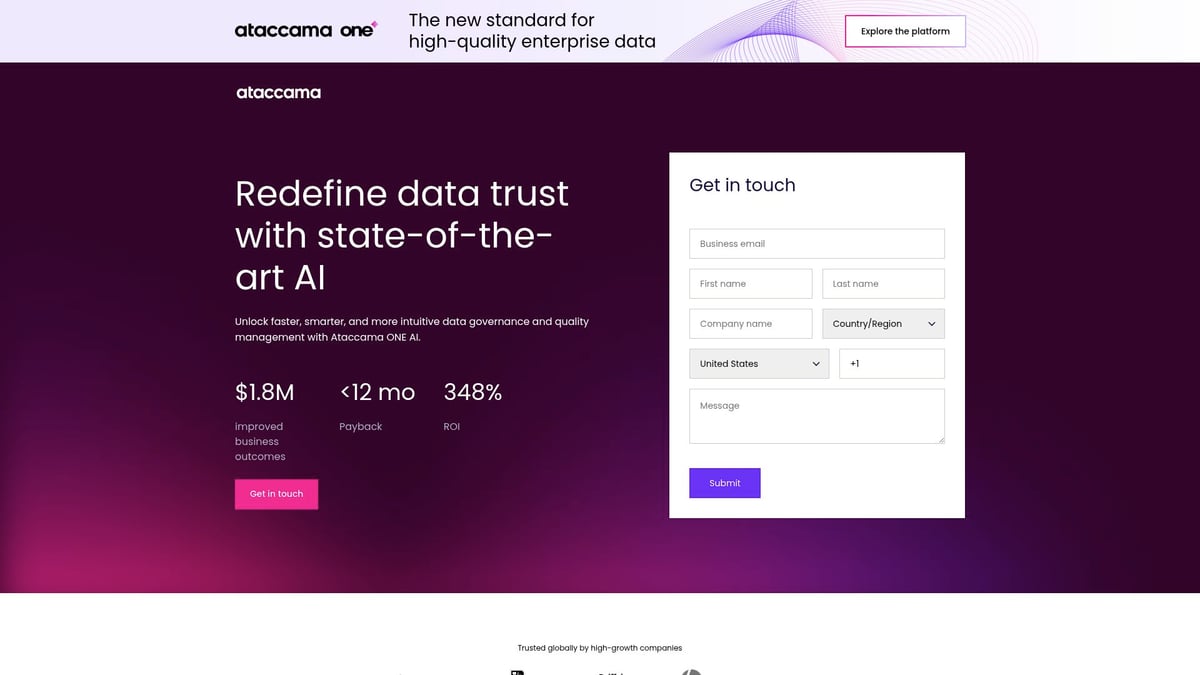
Ataccama ONE is a comprehensive data management platform that excels at AI-powered validation tools for large enterprises. Pricing is customized to the scale of the organization.
Core Features:
- AI-driven data profiling and cleansing
- Master data management
- End-to-end data validation
Key Benefits:
Ataccama ONE offers powerful AI insights, ensuring data quality and compliance at scale.
Target Audience:
Large enterprises, IT departments, and data governance teams.
Ideal Use Cases:
- Managing data lakes
- Big data validation projects
- Regulatory compliance initiatives
Pros:
Highly scalable, supports integration with multiple data sources, and offers advanced analytics.
Cons:
Complex setup and potentially high cost for smaller businesses.
Unique Selling Point:
Combines validation with AI-driven data management, setting it apart from other validation tools in the enterprise segment.
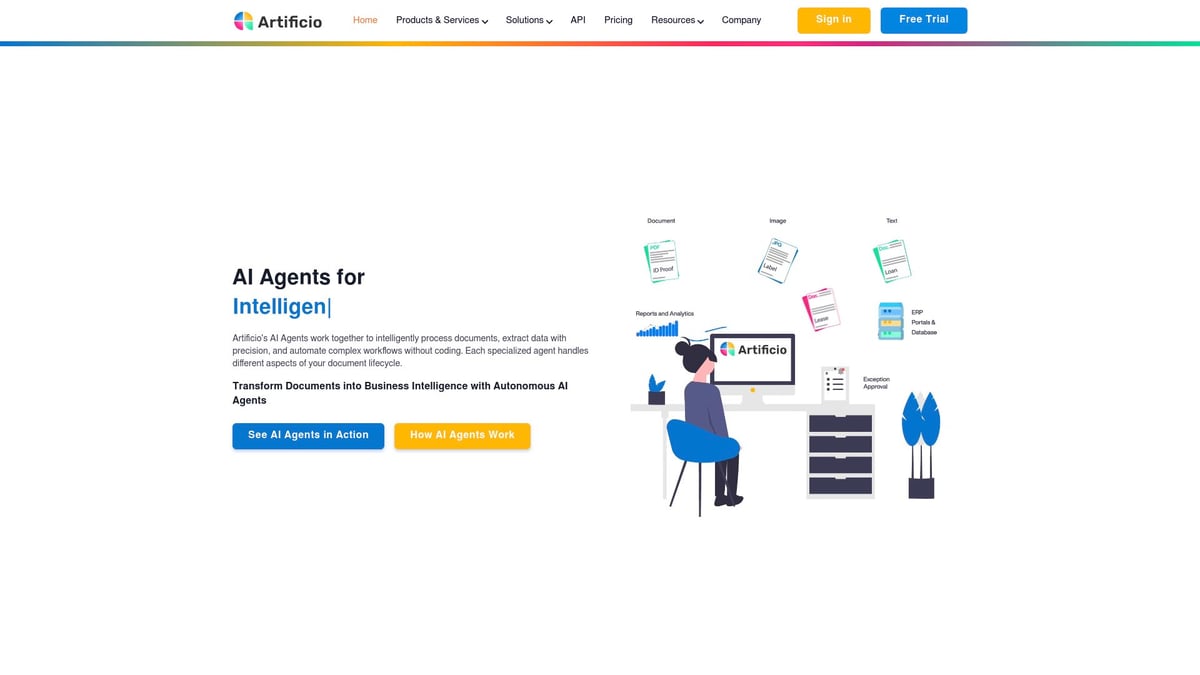
5. ArtificioAI
ArtificioAI is designed with compliance and governance in mind, making it a robust choice among validation tools for regulated industries. Pricing is by quote, reflecting its enterprise focus.
Core Features:
- AI-driven data validation
- Automated compliance checks
- Anomaly detection and standardization
Key Benefits:
Tailored for industries with strict regulatory demands, ArtificioAI helps ensure data integrity and compliance.
Target Audience:
Finance, healthcare, government agencies, and compliance officers.
Ideal Use Cases:
- Auditing and regulatory reporting
- Sensitive data validation
- Ongoing compliance monitoring
Pros:
Strong focus on compliance, machine learning-powered insights, and robust governance features.
Cons:
May be more than needed for small teams, and the price reflects its advanced capabilities.
Unique Selling Point:
Combines validation with governance, positioning it as a leader in compliance-focused validation tools.
6. aqua ALM
aqua ALM streamlines quality assurance workflows with its all-in-one validation tools for software development. It offers tiered plans and a free trial, appealing to agile teams.
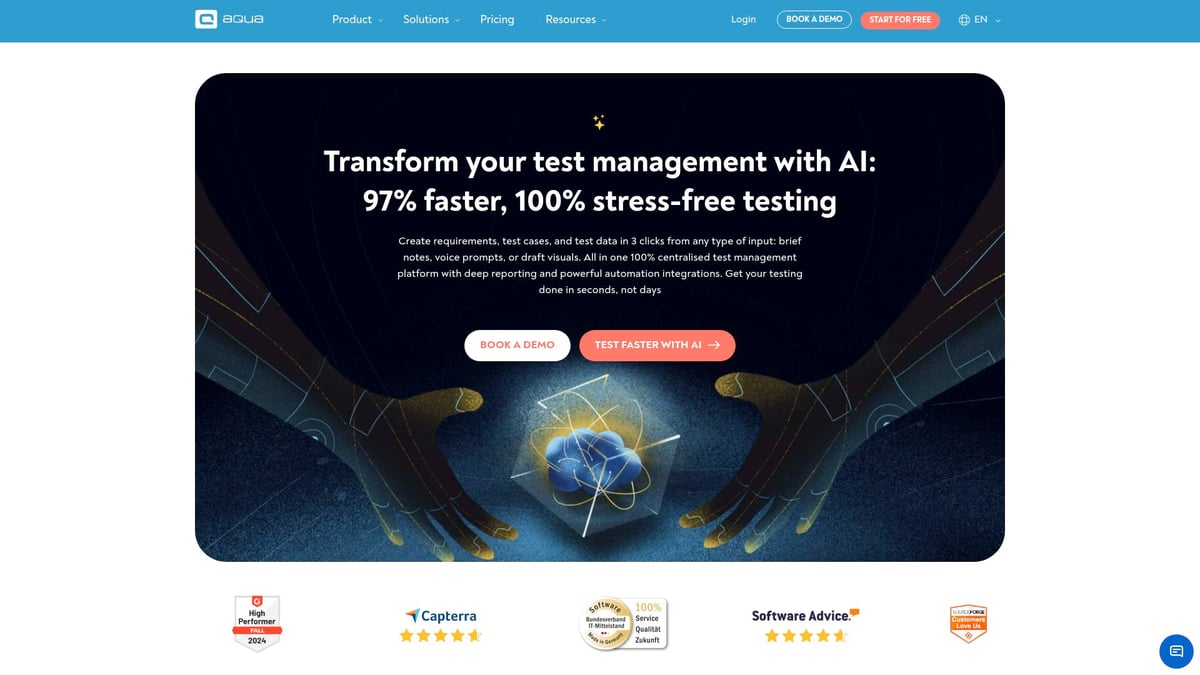
Core Features:
- Test management and automated validation
- Requirements management and bug tracking
- Integrations with Jira, Jenkins, and more
Key Benefits:
Centralizes and automates QA processes, reducing manual validation and supporting agile methodologies.
Target Audience:
QA teams, software developers, and project managers.
Ideal Use Cases:
- Software and user acceptance testing
- Agile QA processes
- Coordinating manual and automated validation
Pros:
Comprehensive suite, strong integrations, and supports both manual and automated testing.
Cons:
Initial learning curve for new users.
Unique Selling Point:
Centralizes test and validation management, making it one of the most versatile validation tools for software projects.
7. Talend Data Quality
Talend Data Quality is a cloud-ready solution that integrates seamlessly with ETL processes, making it a flexible option among validation tools. It offers subscription-based pricing and a free trial.
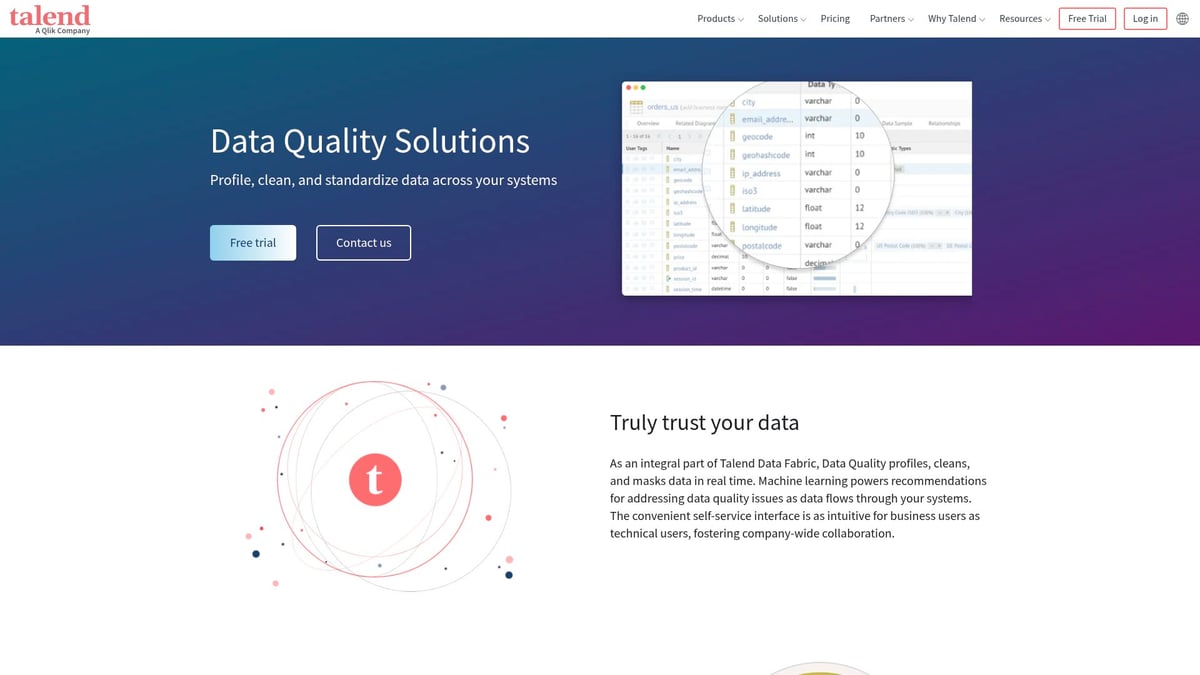
Core Features:
- Data profiling, cleansing, and validation
- Real-time monitoring
- Integration with ETL and cloud platforms
Key Benefits:
Supports both batch and real-time validation, making it ideal for modern data pipelines and analytics.
Target Audience:
Data engineers, BI teams, and cloud architects.
Ideal Use Cases:
- ETL pipeline validation
- Cloud migration projects
- Analytics and reporting
Pros:
Open-source options, strong community support, and easy cloud integration.
Cons:
Some advanced features require paid plans.
Unique Selling Point:
Seamless integration with data pipelines, setting it apart from other validation tools for cloud environments.
For readers interested in further exploring how validation tools can be leveraged for SaaS idea validation, check out this list of landing page validation tools for a curated selection tailored to SaaS founders and product teams.
Maximizing the Impact of Validation Tools in Your Workflow
Adopting validation tools is just the start—maximizing their impact requires a strategic approach. By following proven best practices, integrating tools with existing systems, and tracking the right metrics, your organization can unlock true workflow efficiency. Looking ahead, staying aware of future trends ensures your investment remains valuable as technology evolves.
Best Practices for Implementation
To make validation tools effective, start with a focused pilot project. Select a workflow with measurable pain points so you can quickly demonstrate value. Engage stakeholders from IT, compliance, and business operations early to ensure the chosen validation tools align with organizational needs.
Define clear validation rules before rollout. These rules should reflect your business logic and compliance requirements. Regularly review and update them to keep pace with changing regulations. For SaaS teams, leveraging SaaS founder validation strategies can help tailor tool adoption to your unique strengths and workflow nuances.
Integrating Validation Tools into Existing Systems
Successful integration of validation tools depends on mapping your current workflows and pinpointing where validation adds the most value. Identify key data entry points and process handoffs that are prone to errors.
Use APIs, native connectors, or built-in integrations to ensure smooth data flow between validation tools and platforms like Google Sheets, CRMs, or ERP systems. Provide hands-on training for end users, emphasizing the benefits and day-to-day impact. Clear documentation and ongoing support further boost adoption and long-term success.
Measuring Success: KPIs and Metrics
To evaluate the ROI of validation tools, focus on tangible performance metrics. Track before-and-after results to showcase improvements.
| KPI | Before Tools | After Tools |
|---|---|---|
| Error Reduction Rate | 5% | 0.5% |
| Validation Speed | 5 hours | 25 minutes |
| Compliance Incidents | 3/month | 0/month |
| User Adoption Rate | 40% | 90% |
By monitoring these KPIs, you can justify continued investment and identify opportunities for further optimization. Consistent measurement reinforces the value of validation tools to leadership and the broader team.
Future Trends: AI, Automation, and Beyond
The landscape of validation tools is rapidly evolving. Artificial intelligence is powering smarter, self-improving validation processes that catch errors in real time and even predict future risks. As organizations transition to cloud-first operations, expect deeper integration with low-code and no-code platforms.
According to Validation in Transition 2025, digital validation tools are becoming essential for compliance and efficiency. Real-time, self-healing validation will soon be standard, enabling continuous workflow optimization and future-proofing your business processes.