
In 2025, launching a new product concept means facing fierce competition and rapidly shifting customer expectations. Many products still fail at the first hurdle, making robust concept development more crucial than ever.
This essential guide will demystify the journey from idea to validated product concept, offering proven frameworks and expert strategies for success. You will discover what sets winning concepts apart, how to develop them step by step, and how to ensure true product-market fit.
Ready to transform your next idea into a breakthrough? Use this guide to unlock actionable insights, avoid common pitfalls, and position your product concept for real-world impact.
Understanding Product Concepts in 2025
In 2025, a robust product concept is the cornerstone of innovation and successful market entry. As competition intensifies and customer expectations evolve, businesses must move beyond fleeting ideas and craft detailed concepts that guide every stage of development. Understanding the anatomy, value, and strategic role of a product concept is essential for transforming inspiration into sustainable growth.
Defining Product Concepts and Their Role
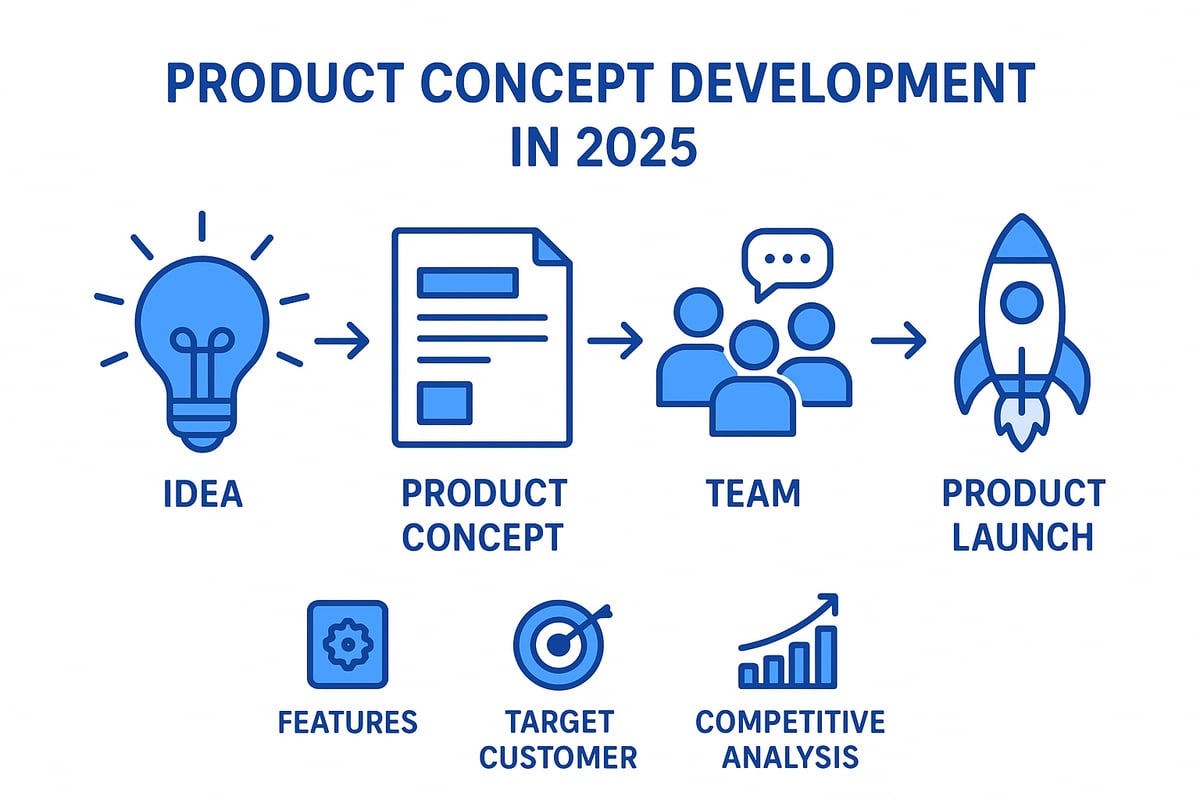
A product concept is a comprehensive blueprint that details what the product is, its core features, intended benefits, and the market it aims to serve. Unlike a product idea, which is often an initial spark or inspiration, a product concept is a refined and actionable plan. This distinction ensures teams move from vague notions to structured roadmaps.
Product concept statements play a pivotal role in aligning development, marketing, and strategic decisions. They serve as a reference point throughout the early product lifecycle, shaping the roadmap and ensuring stakeholders stay unified. For example, consider a reusable silicone bag designed for eco-conscious consumers. The concept defines its unique features, environmental benefits, and target market, providing a clear direction for all involved.
Key Elements of a Product Concept Statement
A strong product concept statement includes several core elements:
- Product overview: What the product is and what it does.
- Target customer: Demographics, needs, and pain points.
- Key features and benefits: Unique attributes that drive value.
- Market opportunity: Data-driven validation of demand.
- Positioning and differentiation: How it stands out from competitors.
- Pricing strategy: Alignment with customer expectations.
For instance, the sustainable kitchenware market is projected to grow by 8 percent annually, making eco-friendly products a compelling opportunity. Defining your target customer is critical; leveraging tools and frameworks like those found in Understanding your buyer persona ensures your product concept resonates with real needs and expectations.
Types of Product Concepts
Product concepts can take many forms, each with unique considerations:
- Convenience products: Frequent, low-effort purchases such as batteries.
- Specialized products: Offer unique features and command brand loyalty, like luxury vehicles.
- Branded products: Rely on established brand recognition for success.
- SaaS and digital product concepts: Require distinct approaches for software and online services.
A notable example is Samsung’s foldable screens, which represent a breakthrough product concept that redefines user experience and market standards. Each type calls for tailored development and validation approaches.
Advantages and Disadvantages of Product Concepts
Developing a product concept offers several advantages:
- Focus on quality and differentiation early
- Secures stakeholder buy-in
- Enables higher margins and generates market curiosity
However, there are potential drawbacks:
- Risk of adding irrelevant features
- Sensitivity to pricing
- Possible misalignment with actual market needs
Success depends on balancing innovation with genuine customer requirements. Under Armour’s HOVR Infinite running shoe exemplifies this, achieving success through early feedback and iterative concept testing.
The Strategic Importance of Product Concepts in 2025
A well-crafted product concept acts as a blueprint for both development and marketing. It ensures every team member is aligned with the company vision and strategy, fostering brand consistency and efficiency.
Product concepts are also instrumental in securing investment and stakeholder support. For example, Starface’s development process emphasized a clear, resonant product concept, leading to strong customer engagement and market traction. In 2025, the strategic value of a product concept is paramount for navigating fast-moving markets and achieving sustainable growth.
Step-by-Step Process for Developing a Winning Product Concept
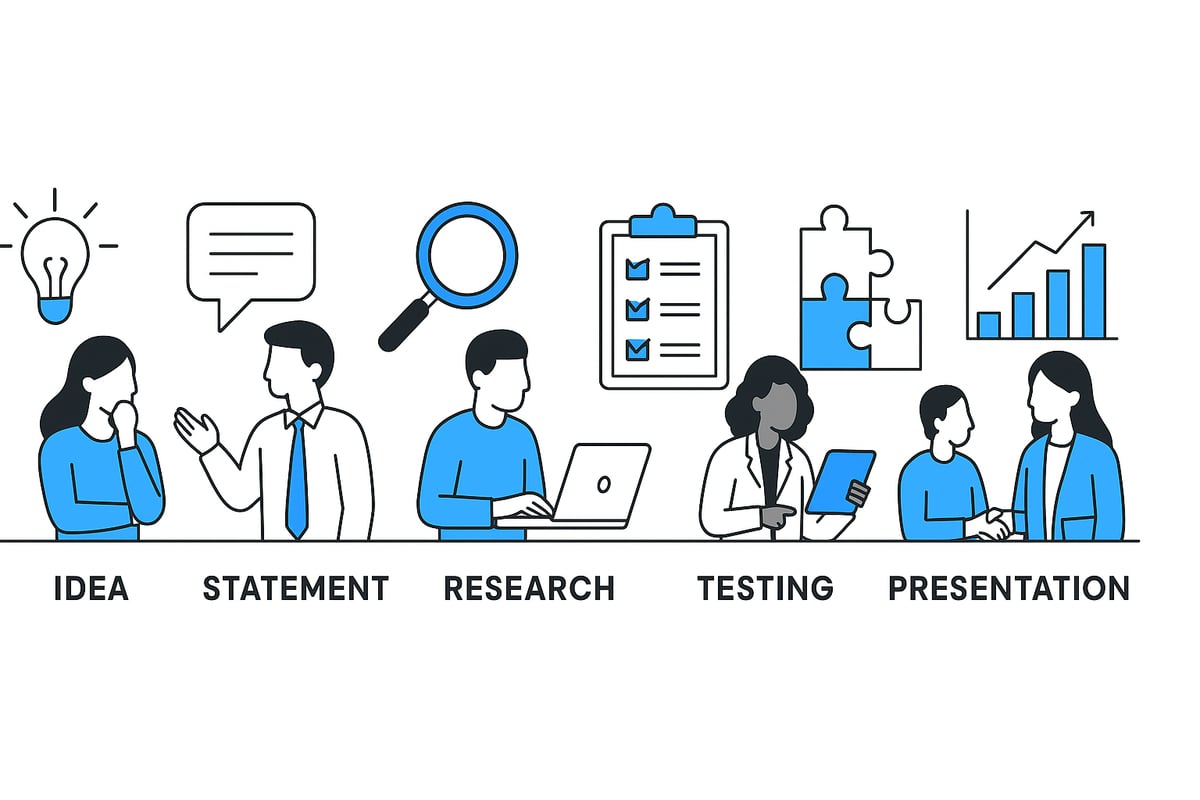
Launching a standout product concept in 2025 requires a clear, actionable process. Each stage, from idea generation to final presentation, plays a vital role in shaping a solution that resonates with your target market and secures buy-in from stakeholders. Let us walk through the six essential steps for developing a winning product concept, ensuring your approach is structured, data-driven, and customer-focused.
Step 1: Ideation and Opportunity Identification
Every successful product concept begins with robust ideation. Use brainstorming sessions, mind mapping, and cross-functional workshops to spark creativity. Encourage team members to bring fresh perspectives, focusing on both incremental improvements and disruptive ideas.
Look for inspiration in market trends, emerging technologies, and evolving customer needs. Analyze gaps in competitors’ offerings and pain points voiced by your existing customers. Leverage data sources such as industry reports, social listening tools, and customer feedback to validate the potential of your initial ideas.
For example, if you notice a surge in demand for sustainable kitchenware, explore how your product concept can address this gap. Keep your approach open and iterative, allowing promising ideas to evolve as you gather more insights.
Step 2: Crafting the Product Concept Statement
Translate your best ideas into a clear product concept statement. This document acts as a blueprint, outlining what the product is, who it serves, and why it matters. Start with a concise overview: What problem does your product concept solve, and how does it stand out?
Detail your target customer by defining demographics, behaviors, and pain points. Highlight the key features and benefits that make your product concept unique. Support your statement with data on market opportunity and customer demand.
Align the product concept with your business goals and brand values. For instance, a SaaS tool designed for remote teams should emphasize collaboration, security, and ease of use, reflecting both market needs and your strategic vision.
Step 3: Market Research and Customer Validation
Effective market research is crucial for any product concept. Use a blend of qualitative and quantitative methods. Conduct surveys, in-depth interviews, and focus groups to understand perceptions and uncover unmet needs.
Build detailed buyer personas to refine your target audience. Employ tools like CSAT and NPS to measure customer satisfaction and likelihood to recommend. Leverage structured worksheets, such as those available from Shopify, to organize research findings and validate your product concept.
Analyze the data to assess demand, identify trends, and refine your product concept accordingly. Consistent validation at this stage reduces risk and increases the likelihood of product-market fit.
Step 4: Concept Testing and Iteration
Testing your product concept with real users provides actionable insights. Organize sessions using prototypes, wireframes, or mockups to gauge customer reactions to design, features, and overall appeal.
Gather structured feedback through interviews, surveys, and A/B tests. Use platforms like Qualtrics for rapid data collection and analysis. Iteration is key—refine your product concept in response to what you learn.
For a deeper dive into this process, explore Proven steps for SaaS idea testing to see how structured frameworks can accelerate market validation and reduce costly missteps.
Step 5: Aligning Technical, Manufacturing, and Go-to-Market Strategies
Technical and operational alignment ensures your product concept is feasible and scalable. Define specifications, select materials, and set clear performance criteria. Decide on your manufacturing or development strategy—will you produce locally, overseas, or use a hybrid approach?
Evaluate supply chain logistics, scalability, and cost implications at this stage. Begin integrating marketing and positioning strategies early, ensuring your product concept is ready for launch. For example, when designing a bamboo standing desk, technical and market requirements must align to deliver on both performance and sustainability.
Step 6: Finalizing and Presenting the Product Concept
The final step is crafting a compelling presentation for stakeholders and investors. Highlight the unique value proposition, market differentiation, and your go-to-market strategy. Prepare comprehensive documentation for internal alignment and external validation.
Set clear KPIs and success metrics to measure launch readiness. Present your product concept with clarity and confidence, ensuring all decision-makers understand the vision, value, and path to success.
Critical Success Factors for Product Concept Validation
Validating a product concept in 2025 requires a blend of advanced tools, strategic thinking, and relentless customer focus. Each success factor ensures your concept is not just innovative but also relevant and ready for real-world adoption.

Market Research Best Practices for 2025
Market research is the backbone of any robust product concept validation process. In 2025, leveraging advanced analytics, AI-driven sentiment analysis, and real-time data is essential for getting accurate insights.
Combine traditional surveys with digital listening tools to track emerging trends and customer needs. For example, platforms like Qualtrics enable AI-powered topic and sentiment analysis, quickly uncovering what customers value most in a product concept. For a deeper dive into best practices, see Why market research matters.
Continuous research at every stage ensures your product concept remains aligned with market shifts and customer expectations.
Customer-Centric Design and Feedback Loops
Embedding customer feedback into your product concept development cycle is non-negotiable. Start early, using interviews, surveys, and real-world use cases to inform design decisions.
Implement iterative design with rapid prototyping and testing. Build MVPs to validate core assumptions and reduce risk. Under Armour’s HOVR Infinite is a prime example of shortening the feedback loop, resulting in a product concept that resonates with its target audience.
Regularly collect actionable insights, then refine your product concept based on what customers actually want.
Balancing Innovation and Market Fit
Pursuing innovation is crucial, but it must be balanced with genuine market fit. Avoid feature overload in your product concept—focus on functional value that addresses real problems.
Use data to distinguish between “must-have” and “nice-to-have” features. Samsung’s foldable screens succeeded by marrying innovation with a clear use case, ensuring their product concept was both novel and practical.
Prioritize solutions that deliver measurable value, keeping your product concept relevant and competitive.
Pricing, Positioning, and Differentiation Strategies
A compelling product concept is more than just features—it requires smart pricing, sharp positioning, and clear differentiation. Set price points that reflect your product’s value and align with customer expectations.
Craft messaging that highlights your unique selling points. Use competitor analysis to identify gaps and opportunities for your product concept. For example, a reusable silicone bag positioned for affordability and eco-friendliness can stand out in a crowded market.
Regularly revisit your pricing and positioning strategies to keep your product concept ahead of the curve.
Common Pitfalls and How to Avoid Them
Many product concepts fail due to avoidable missteps. Common pitfalls include ignoring customer feedback, overcomplicating features, and misaligning with brand or business goals.
To avoid these, stay disciplined in your validation process. Test early and often, maintain a clear focus on your target audience, and ensure your product concept supports your overall strategy.
Rigorous validation and adaptability are your best defenses against costly mistakes in product concept development.
Real-World Examples of Product Concept Success (and Lessons Learned)
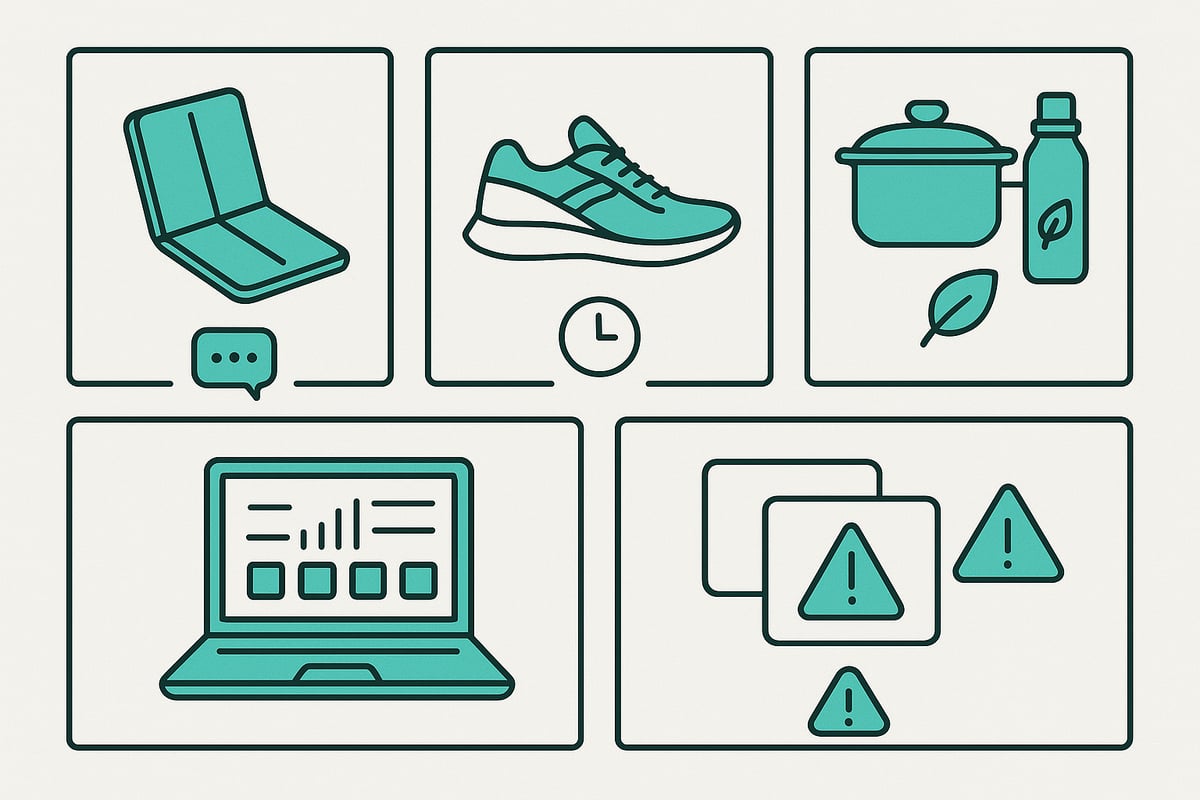
Success in the world of product concept development is rarely accidental. Learning from real-world examples helps teams avoid missteps, adapt quickly, and create offerings that truly resonate with their markets. Let’s explore five instructive cases that highlight what works—and what does not—in today’s competitive environment.
Samsung’s Foldable Screens: Fast-Moving Innovation
The product concept behind Samsung’s foldable screens emerged from a clear market need for larger displays combined with portability. Samsung’s team rapidly prototyped, tested, and refined the concept, enabling them to launch ahead of competitors. Their approach focused on speed, customer experience, and clear differentiation in a crowded market.
Key lessons from this product concept include:
- Embrace rapid iteration and prototyping.
- Prioritize user-centric design choices.
- Stand out through distinctive features.
By aligning every step with real user needs, Samsung redefined what a mobile device could be.
Under Armour HOVR Infinite: Leveraging Customer Insights
Under Armour’s HOVR Infinite running shoe is a prime example of a product concept built on deep customer understanding. The company engaged runners early, collecting feedback on comfort, durability, and performance. They used MVPs to test features and quickly iterated based on real-world input.
This product concept succeeded by:
- Embedding feedback loops throughout development.
- Using data to guide improvements.
- Validating core features before scaling up.
Recognition from industry experts, such as the Runner’s World Award, affirmed the effectiveness of this approach.
Sustainable Kitchenware: Market Opportunity and Differentiation
Rising consumer demand for eco-friendly products created a fertile ground for innovative kitchenware. Brands that developed a product concept around reusable silicone bags and bamboo utensils tapped into an 8 percent annual growth market. Differentiation came through sustainable materials, thoughtful design, and accessible pricing.
Key factors in this product concept’s success:
- Aligning with sustainability trends.
- Offering clear value and usability.
- Positioning for both affordability and eco-consciousness.
The result was a strong connection with modern consumers who value both function and responsibility.
SaaS Product Concept Validation: Digital-First Strategies
For digital products, validating a product concept before development is essential. Successful SaaS founders rely on surveys, interviews, and landing page tests to assess demand and refine their ideas. Iterative prototyping and customer feedback loops minimize risk, ensuring the product meets real needs.
To learn more about effective SaaS validation, explore SaaS product validation strategies. This approach highlights the importance of reducing uncertainty and striving for product-market fit before scaling up.
Lessons from Failed Product Concepts
Not all product concept journeys end in success. Common pitfalls include misreading the market, ignoring user feedback, and setting prices too high. Case studies reveal that humility, adaptability, and data-driven decision-making are vital.
To avoid failure, teams should:
- Rigorously validate assumptions with real customers.
- Stay open to feedback and course corrections.
- Align the product concept with business and brand strategy.
The ultimate takeaway is clear: thorough validation and ongoing learning are the cornerstones of lasting success.
Future Trends and Innovations in Product Concept Development
As we look ahead to 2025, rapid advancements are transforming how companies approach every stage of the product concept journey. Teams must adapt to new technologies, customer expectations, and sustainability imperatives to remain competitive. The following trends and innovations are shaping the future of product concept development.
The Role of AI and Automation in Concept Validation
Artificial intelligence is revolutionizing the way organizations validate a product concept. AI-powered tools can rapidly analyze market data, predict trends, and process customer sentiment from vast data sources. Automation streamlines survey distribution, feedback analysis, and even prototyping, allowing teams to iterate on a product concept with unprecedented speed.
For example, modern platforms use AI to discover themes in open-text feedback, shortening the cycle from idea to actionable insight. As highlighted in AI-Driven Automation in Product Development, machine learning is now integral to design and testing, making validation more accurate and efficient.
Sustainability and Ethical Considerations
The demand for sustainable and ethical product concept development is only increasing. Consumers are prioritizing eco-friendly materials, low-waste production, and responsible sourcing. Integrating sustainability into the product concept not only meets regulatory requirements but also builds long-term customer trust.
Companies are now designing for circularity, using biodegradable or recycled inputs wherever possible. As discussed in Sustainability and Ethical Considerations in Product Development, forward-thinking product concept teams gain a strategic advantage by embedding ethical considerations from the start.
Cross-Functional Collaboration and Agile Development
Successful product concept development now relies on seamless collaboration between product, engineering, marketing, and design. Agile methodologies are increasingly applied, enabling rapid iteration and quick pivots based on user feedback. Cross-functional teams ensure that every aspect of the product concept is aligned with business goals and market needs.
Frequent stand-ups, sprints, and shared digital workspaces help teams stay aligned and responsive. This approach reduces bottlenecks, increases transparency, and accelerates time to market for every new product concept.
Evolving Customer Expectations and Personalization
Customer expectations are evolving rapidly, and personalization is at the core of every successful product concept. Teams now leverage customer data to tailor features, messaging, and user experiences for specific segments. Hyper-personalized product concept development ensures that offerings stay relevant and resonate with diverse audiences.
Real-time feedback and analytics allow for continuous refinement. By adapting product concept elements to evolving market segments, companies can build stronger customer loyalty and drive higher adoption rates.
Preparing for the Next Wave: Continuous Innovation
Continuous innovation is essential for long-term product concept success. Organizations are fostering cultures that encourage experimentation, learning, and adaptability. Investing in ongoing research, trend analysis, and customer engagement helps future-proof every product concept.
Regularly revisiting and refining the product concept ensures alignment with technological advances and shifting market demands. Teams that prioritize agility and learning are best positioned to capitalize on new opportunities and sustain growth.