
Landing page optimization is more competitive than ever as we head into 2026. Marketers face rapidly shifting user expectations and an explosion of new technologies, making it essential to rethink how you build landing page strategies.
In this article, you will discover seven smart and actionable ways to build landing page success in 2026. We blend time-tested conversion tactics with the latest advancements in AI, personalization, and design.
Whether you are a marketer, entrepreneur, or SaaS founder, you will learn how to future-proof your approach with cutting-edge trends, dynamic personalization, AI-powered enhancements, and data-driven best practices for higher ROI and conversions.
The Evolving Landscape of Landing Pages in 2026
The way businesses build landing page experiences is changing faster than ever in 2026. Driven by rapid advances in technology and shifting user expectations, marketers face a landscape where old tactics are no longer enough. Today's audiences expect seamless, personalized journeys from the first click.
Artificial Intelligence and Automation Set the Pace
AI is now at the heart of how brands build landing page strategies. Tools like Canva Magic Write and advanced ChatGPT integrations make it possible to generate on-brand copy, select images, and even optimize layouts in real time. AI-driven personalization delivers tailored content, dynamic CTAs, and smart product recommendations based on user behavior. According to recent industry reports, brands that leverage AI personalization can see conversion rates jump as much as 202 percent. Interactive elements such as quizzes and real-time feedback tools are now commonplace, helping to keep users engaged and collect valuable data.
Mobile-First and Omnichannel Experiences are the New Standard
In 2026, every effort to build landing page assets must start with mobile in mind. Over 60 percent of landing page traffic now comes from mobile devices, making responsive design, fast loading, and touch-friendly navigation essential. Omnichannel strategies ensure that users enjoy a consistent experience whether they arrive from email, social, or paid ads. The rise of no-code and low-code landing page platforms has made these advanced features accessible even to non-technical users, accelerating innovation and lowering barriers to entry.
Data Privacy, Compliance, and Trust are Conversion Drivers
With regulations like GDPR and CCPA evolving, trust signals are more important than ever. Users want to know how their data is handled before they convert. Companies that build landing page flows with clear privacy policies, visible compliance badges, and transparent messaging see higher submission rates. For those seeking practical examples and strategies, Landing page best practices SaaS offers a curated look at what works in today's privacy-first environment.
Integration with Broader Marketing and SaaS Validation Funnels
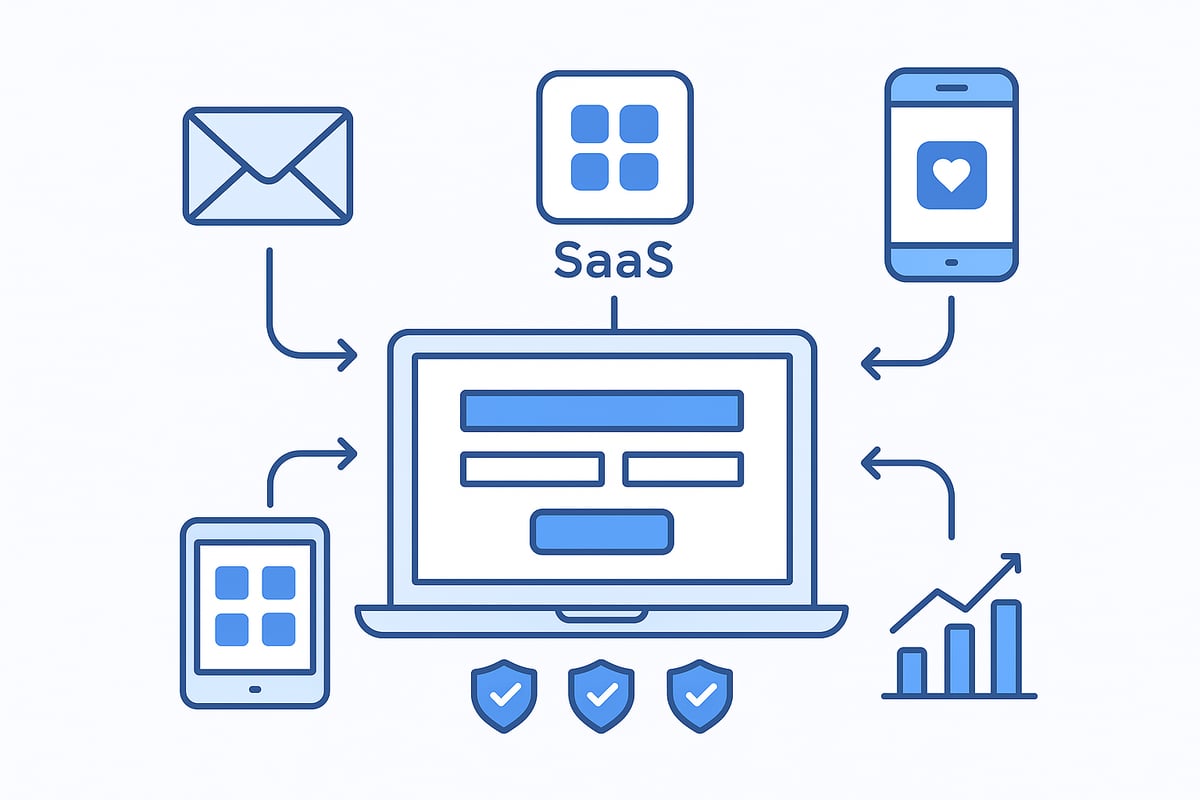
The most successful brands do not treat their landing pages as isolated assets. Instead, they build landing page experiences that connect seamlessly with email, paid ads, onboarding flows, and SaaS validation experiments. AI-powered analytics and centralized dashboards allow teams to track performance, optimize in real time, and understand the true impact of each campaign. By blending these strategies, companies are seeing higher ROI and more effective lead generation.
The landscape for those who build landing page strategies in 2026 is more dynamic, data-driven, and user-focused than ever. Staying ahead means embracing new technologies, prioritizing trust, and integrating every landing page into a cohesive growth ecosystem.
7 Smart Ways To Build Landing Page Success In 2026
The digital landscape in 2026 is transforming how marketers build landing page experiences that drive results. To outperform competitors, you need a blend of proven tactics and forward-thinking strategies. Below are seven actionable ways to build landing page success, each leveraging new technology, design trends, and user expectations.
1. Embrace AI-Driven Personalization
AI has redefined how brands build landing page experiences tailored to each visitor. In 2026, dynamic personalization is not just a trend, it's essential for conversion. AI tools can analyze user behavior in real time, delivering hyper-personalized content, product recommendations, and adaptive calls-to-action.
For example, e-commerce SaaS providers now use AI to build landing page layouts that showcase relevant products based on browsing history and segmentation. Copywriting, image selection, and even page structure can be optimized by AI platforms such as Canva Magic Studio or ChatGPT integrations.
Brands leveraging AI-driven personalization have seen up to 202% higher conversion rates, according to AI-driven personalization boosts conversion rates. This significant lift proves the power of AI in helping marketers build landing page success.
To integrate AI, start by connecting your martech stack and CRM to AI engines that can process user data and trigger personalized experiences. Use smart recommendations and adaptive CTAs that update as users interact with your page.
However, watch out for over-personalization, which can overwhelm or alienate visitors. Always maintain your brand voice, and address privacy concerns transparently.
E-commerce SaaS landing pages that build landing page experiences with AI see higher engagement, more qualified leads, and a clear edge over competitors.
2. Optimize for Seamless Mobile and Multi-Device Experiences
In 2026, over 60 percent of landing page traffic comes from mobile devices. To build landing page experiences that convert, your design must be mobile-first and responsive across all screens.
Start with frameworks that prioritize mobile usability. Test your landing pages for loading speed, touch-friendly navigation, and accessibility on smartphones, tablets, and desktops. No-code builders like Canva and Unbounce now offer built-in mobile optimization, making it easier than ever to build landing page variants for every device.
Key features such as click-to-call, autofill forms, and one-tap CTAs simplify the conversion process. SaaS companies report higher trial signups when they streamline mobile onboarding and ensure frictionless navigation.
Consider using AMP (Accelerated Mobile Pages) and PWA (Progressive Web Apps) technologies to build landing page experiences that load instantly and work offline. Device-specific analytics help you understand how users interact with your landing pages across different platforms.
To build landing page strategies for the future, make mobile optimization a standard, not an afterthought. Regularly test your pages on multiple devices and leverage analytics to spot and fix bottlenecks.
Remember, a seamless mobile experience can be the difference between a bounce and a conversion when you build landing page campaigns for 2026.
3. Leverage Interactive and Engaging Visual Elements
Modern users expect more than static content. To build landing page engagement, incorporate interactive elements that capture attention and encourage participation. Videos, animations, quizzes, and dynamic infographics can all boost user involvement.
Real-time feedback tools such as sliders and polls increase dwell time and provide valuable data for optimization. AI-powered image and video generators allow teams to quickly build landing page assets that are visually stunning and on-brand.
Platforms like Canva offer vast visual libraries and drag-and-drop editors, enabling marketers to prototype and build landing page designs efficiently. Interactive content has been shown to increase conversions by up to 40 percent, making it a vital component of any modern build landing page strategy.
Balance is key. Too many visuals can slow load times, so optimize images and limit animations to ensure fast performance. Always align visuals with your brand identity and messaging.
To build landing page experiences that stand out, focus on purposeful interactivity. Use elements that educate, entertain, or guide users toward your desired action.
By weaving interactive features into your build landing page approach, you create memorable experiences that drive results.
4. Streamline Conversion Paths with Smart Forms and CTAs
Reducing friction is crucial when you build landing page funnels that convert. Multi-step, conversational forms can make data collection feel less intrusive, improving completion rates and lead quality.
Dynamic CTAs that respond to user intent and funnel stage drive higher engagement. Integrating your forms and CTAs with CRM and marketing automation enables real-time follow-up, ensuring no opportunity is missed.
SaaS companies are increasingly using progressive profiling, capturing only essential data at first and requesting more as trust grows. This method helps build landing page journeys that respect user attention while gathering valuable insights.
Smart forms have been shown to improve completion rates by more than 30 percent. A/B test form length, CTA copy, and placement to find the optimal combination for your audience.
Avoid common pitfalls. Overcomplicated forms or neglecting mobile usability can sabotage your build landing page performance. Keep forms short, relevant, and easy to complete on any device.
By refining your forms and CTAs, you build landing page pathways that guide visitors smoothly from interest to action.
5. Prioritize Speed, Accessibility, and Technical SEO
Performance is non-negotiable when you build landing page experiences in 2026. Aim for load times under two seconds, as every extra second can drop conversions by up to 20 percent.
Optimize images and code, choose reliable hosting, and use schema markup, semantic HTML, and logical heading structures for better search visibility. Accessibility is also critical. Ensure your landing pages meet WCAG 2.2 standards so everyone can engage with your content.
Tools like Google PageSpeed Insights, Lighthouse, and accessibility checkers help you monitor and improve technical aspects. Landing pages with superior Core Web Vitals consistently outperform competitors, driving more conversions and higher ROI.
Conduct regular technical audits to fix issues before they impact performance. Fast, accessible, and search-friendly pages build landing page authority and trust with both users and search engines.
Technical excellence is not just a best practice, it's a competitive advantage when you build landing page assets for the future.
6. Harness Data, Testing, and Analytics for Continuous Improvement
Data-driven iteration is the backbone of modern marketing. To build landing page strategies that evolve, set up robust analytics with GA4, heatmaps, and session recordings. These tools reveal how users interact with your content and where they drop off.
Run frequent A/B and multivariate tests on headlines, layouts, and CTAs. AI-powered insights can surface optimization opportunities you might miss, accelerating results.
SaaS companies that build landing page processes around data have doubled their conversion rates by targeting high-impact changes. Monitor metrics like bounce rate, time on page, and micro-conversions to understand what works.
Segment your tests by traffic source and device for sharper insights. However, avoid analysis paralysis. Focus on changes that are likely to move the needle and iterate quickly.
A culture of testing and learning ensures you continually build landing page experiences that outperform the competition and adapt to changing user needs.
7. Foster Trust with Transparent Messaging and Social Proof
Trust is the foundation of every successful build landing page campaign. Display clear value propositions, privacy policies, and compliance badges to reassure visitors.
Leverage testimonials, reviews, and client logos as social proof. Video testimonials and live chat options add authenticity and credibility. Real-time counters (such as signups or downloads) can further boost trust.
Landing pages with robust trust signals see up to 50 percent more form submissions. Collect and showcase authentic social proof, and address privacy and data security concerns upfront.
Keep your messaging concise, user-centered, and transparent. Avoid jargon and focus on how you solve the user's problem. This approach helps you build landing page trust, which is essential for long-term success.
Authentic, transparent messaging combined with strategic social proof creates landing pages that visitors believe in and act on.
Integrating Landing Pages into Your 2026 Marketing Ecosystem
Integrating your efforts to build landing page success is more vital than ever in the 2026 marketing ecosystem. Modern customers interact across multiple channels and devices, so your landing pages must fit seamlessly into a broader strategy. This integrated approach ensures that every touchpoint—whether email, paid ad, or SaaS onboarding—drives consistent engagement and higher ROI.
Connecting Landing Pages to Your Marketing Stack
To truly build landing page effectiveness, connect each page to essential marketing tools and platforms. Sync forms with your CRM, link analytics dashboards, and automate follow-ups through email or retargeting ads. This holistic connection means every lead is captured, tracked, and nurtured without manual effort.
For those looking to streamline this process, explore tools for validating with landing pages that make integration and testing straightforward, even for non-technical users.
Omnichannel Consistency and Branding
Consistency is crucial when you build landing page experiences across channels. Ensure that your messaging, visuals, and CTAs remain unified from social ads to onboarding flows. Use centralized design systems and brand guidelines so users always know they are engaging with your company, no matter where they click.
A table summarizing key channels and integration tips:
| Channel | Integration Tip |
|---|---|
| Personalize landing page links | |
| Paid Ads | Use unique tracking parameters |
| Social Media | Match visuals and messaging |
| SaaS Onboarding | Sync with product flows |
Using Landing Pages for Targeted Campaigns
Landing pages excel when used for specific goals—think webinars, product launches, or SaaS validation. Tailor each page to its audience segment and campaign objective. For SaaS founders, following a landing page validation guide can help you test product ideas and gather valuable feedback before a full launch.
Automation tools allow you to nurture leads post-conversion. Trigger email sequences, push notifications, or retargeting ads based on user actions, keeping prospects engaged throughout the funnel.
Overcoming Integration Challenges
While you build landing page strategies, expect to encounter obstacles like siloed data, inconsistent user experiences, or attribution gaps. Address these by adopting centralized platforms that unify analytics and automate workflows. Unified dashboards give you a clear view of performance, helping you optimize every step.
Key Benefits and Next Steps
Companies that fully integrate their landing page strategies report 15-25% higher ROI compared to siloed approaches. By connecting your marketing stack, maintaining brand consistency, and leveraging automation, you future-proof your ability to build landing page success in a rapidly evolving digital landscape.
Future-Proofing Your Landing Page Strategy: Trends to Watch
Navigating the future of digital marketing means anticipating what’s next in how you build landing page experiences. The landscape is shifting fast, with emerging trends and technologies shaping tomorrow’s conversion strategies. Staying ahead means adapting to these changes and preparing your approach for what’s coming.
AI-Generated Design and Content
AI is transforming how brands build landing page assets. In 2026, AI-driven platforms will generate content, images, and layouts that adapt to each visitor’s preferences in real time. Marketers can use AI to test, optimize, and iterate on design elements at scale, resulting in smarter personalization and faster time-to-market.
AI-powered tools are also making it easier to streamline the creative process. For example, dynamic content blocks can tailor headlines and visuals based on user data, improving engagement. Brands that embrace these innovations will find new ways to build landing page effectiveness and stay ahead of competitors.
Conversational UI, Voice Search, and AR/VR Experiences
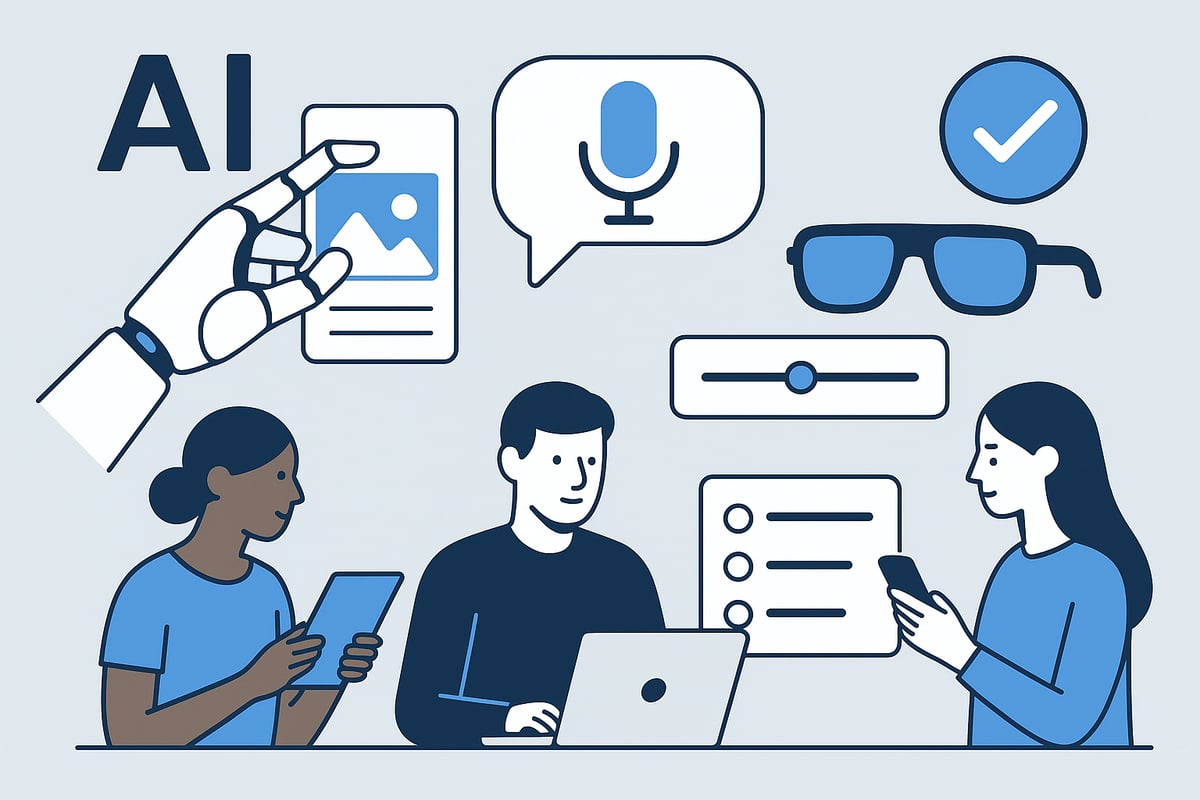
The way users interact with landing pages is evolving rapidly. Conversational interfaces, including chatbots and voice assistants, are becoming integral to how people navigate and convert. AR and VR bring immersive experiences, letting users explore products or features directly on the build landing page.
These technologies not only enhance accessibility but also create memorable interactions. Imagine a SaaS demo offered through AR overlays or a voice-activated onboarding process. Adopting these trends can set your brand apart and drive higher engagement rates.
Privacy-First Design and Data Compliance
Consumers are increasingly aware of how their data is used when they visit a build landing page. Privacy-first design is no longer optional—it’s a necessity. Future-proof strategies must prioritize transparency, clear consent mechanisms, and robust compliance with evolving regulations like GDPR and CCPA.
Marketers can turn privacy into a competitive advantage by showcasing compliance badges and transparent messaging. For more on how landing page compliance and GDPR boost conversions, see this dedicated guide. Building trust through thoughtful privacy practices will be a key differentiator in 2026.
Zero-Party Data and Micro-Experiences
Modern consumers want control over their data and value personalized experiences. Zero-party data—information users intentionally share—will become central to how you build landing page strategies for lead generation and segmentation. Interactive lead magnets, such as quizzes and calculators, encourage users to provide this data willingly.
At the same time, micro-experiences are rising in popularity. These are single-purpose, ultra-focused landing pages designed for a specific offer or audience segment. They minimize distractions and maximize conversions by delivering precisely what the user expects.
Community-Driven and User-Generated Content
Building landing page trust now extends beyond testimonials. Community-driven strategies involve integrating real user feedback, reviews, and even live discussions directly into the landing page. User-generated content can foster authenticity and social proof, making every visitor feel part of a larger conversation.
SaaS brands are already leveraging this by showcasing customer stories, video testimonials, and real-time engagement stats. As audiences grow more discerning, these elements will become vital for sustained credibility.
Actionable Steps to Stay Ahead
To future-proof your build landing page approach, prioritize continuous learning and experimentation. Stay updated on AI, compliance, and new interaction models. Test emerging technologies in controlled campaigns, measure their impact, and scale what works.
The digital landscape will keep evolving, but brands that proactively adapt will lead the way in landing page innovation and conversion success.