
In 2025, understanding guide product essentials is the key to thriving in a rapidly evolving market. As products become more complex and user expectations rise, mastering guide product creation separates leaders from the rest.
This step-by-step handbook will walk you through every aspect of building and optimizing a guide product. You will discover how to create effective documentation, improve user satisfaction, and drive business growth.
Throughout this article, you will learn the foundational elements of a successful guide product, explore the creation process, and uncover best practices for user experience and platform optimization. Ready to elevate your skills? Let us dive into actionable strategies that will help you leverage guide product mastery for long-term success.
Understanding Product Guide Essentials
In the fast-paced digital world, a well-structured guide product is the backbone of successful user onboarding and retention. Whether you are building for SaaS or hardware, understanding the essentials ensures users are empowered from day one. Let us break down what makes an effective guide product in 2025.
Defining Product Guides and Their Purpose
A guide product is a resource designed to help users understand, set up, and fully utilize a product or service. Unlike manuals that provide exhaustive technical details, or quick-start sheets that focus on initial setup, a guide product offers a comprehensive yet approachable path for users.
The primary purpose is to streamline onboarding and encourage retention by making complex processes simple. For example, SaaS platforms have reported that a well-crafted guide product can reduce support queries by up to 40 percent, according to competitor onboarding data. This highlights the direct impact on both user satisfaction and operational efficiency.
Core Components of Effective Product Guides
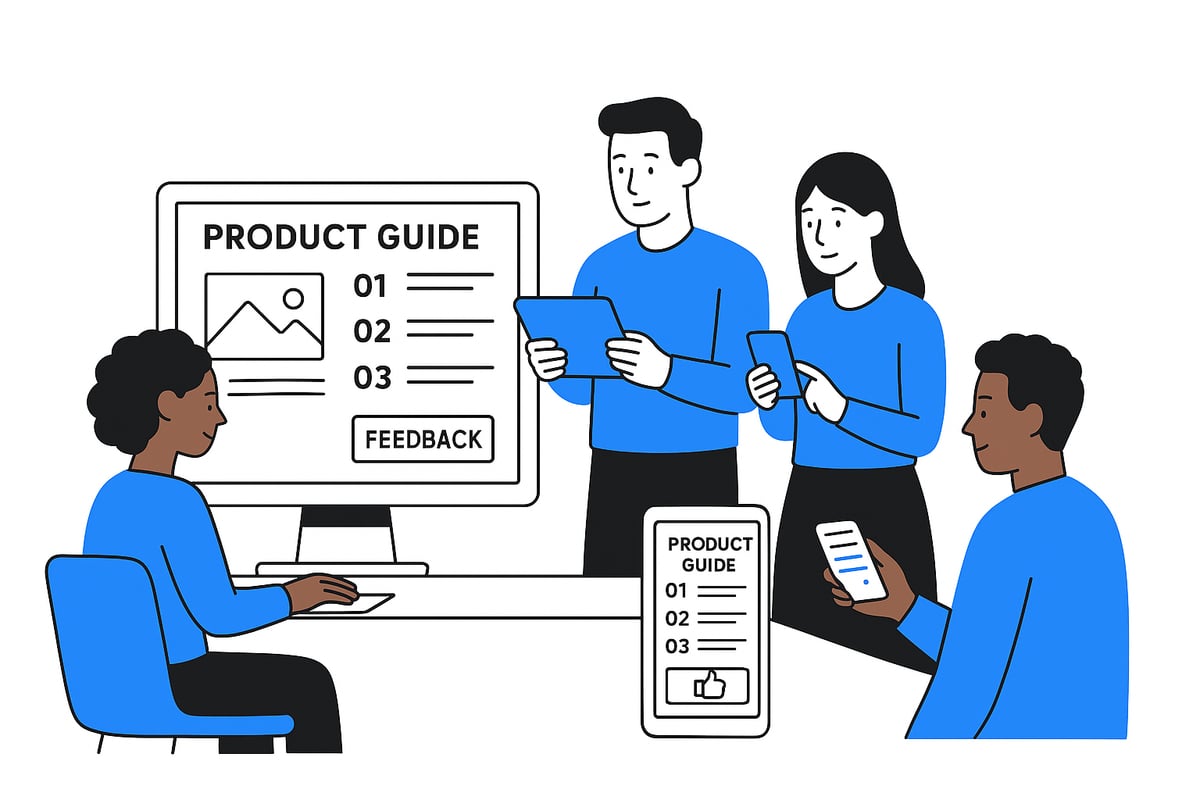
Every guide product should include several essential elements: clear, step-by-step instructions, engaging visuals, thorough troubleshooting sections, and an updated FAQ. Equally important are layout, design, and accessibility. A clean, organized structure makes it easier for users to find what they need.
Interactive elements are increasingly vital. One case study found that adding clickable tooltips and embedded videos to a guide product boosted user engagement significantly. For more detailed advice, explore these product guide best practices to ensure your documentation stands out.
Why Product Guides Matter in 2025
The complexity of digital products continues to grow, and so do user expectations. Today’s consumers want to solve problems independently and quickly. According to a 2023 industry survey, 73 percent of users prefer self-service resources like a guide product before reaching out to customer support.
Companies that invest in a robust guide product gain a competitive edge. Superior documentation not only decreases support costs but also builds trust and loyalty. In 2025, staying ahead means making your guide product a core part of your user experience strategy.
Common Mistakes to Avoid
While building a guide product, avoid overloading content with jargon or overly technical language. Always keep your documentation up to date. Outdated information can lead to user frustration and increased support tickets, especially in fast-evolving SaaS environments.
Poor navigation is another pitfall. If users cannot quickly find answers, they may abandon the guide product altogether. Learning from these mistakes helps ensure your documentation remains valuable and relevant.
The Role of Feedback and Continuous Improvement
A guide product is never truly finished. Gathering user feedback is essential for ongoing improvement. Use surveys, analytics, and in-app prompts to collect actionable insights.
Modern tools allow you to track which sections users find most helpful and where they struggle. By acting on this feedback, you can iterate and refine your guide product, ensuring it evolves with both the product and its users.
Step-by-Step Guide Creation Process
Creating a successful guide product requires a well-structured, methodical approach. Each step in the process builds on the last, ensuring your documentation is accurate, accessible, and genuinely valuable to users.
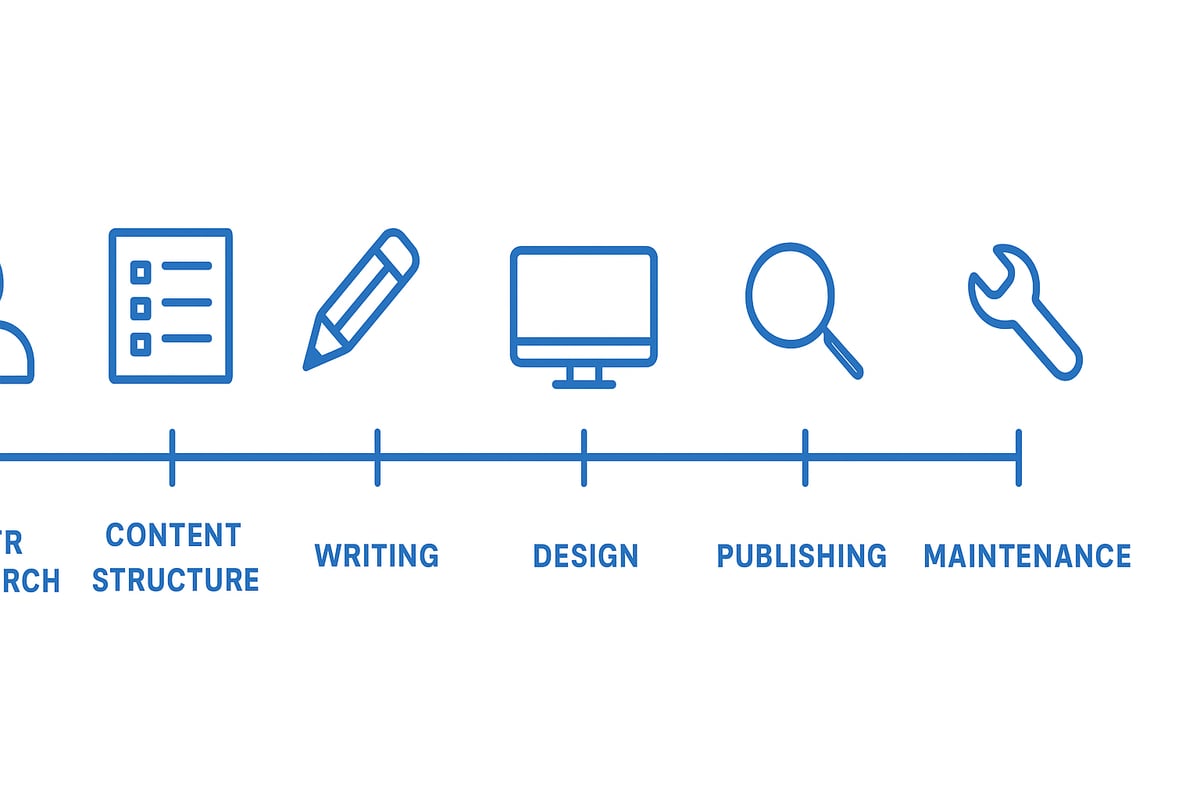
Step 1: Audience and Product Analysis
Begin your guide product journey by thoroughly understanding your audience. Identify who will use the guide, their technical background, and their pain points. Create user personas to anticipate the needs and expectations of different user segments.
Mapping user journeys is essential. This helps you pinpoint where users might struggle and what information they will need most. For SaaS platforms, onboarding personas can strongly influence the tone and complexity of your guide product.
To dive deeper into user needs and behaviors, refer to resources like Understanding your buyer persona. This step ensures your guide product is relevant and user-focused.
Step 2: Structuring Your Guide
A clear, logical structure is the backbone of any effective guide product. Start with an introduction, followed by setup instructions, feature walkthroughs, and troubleshooting sections. Use a modular approach, breaking content into standalone sections for quick reference.
Tables of contents, clickable headings, and summary tables make navigation effortless. Modular guides are proven to increase user retention by 25 percent, as users easily find the information they need. Always plan the flow before writing, ensuring your guide product remains intuitive and organized.
Step 3: Content Development and Writing
Now, focus on writing concise, actionable content. Use simple language, active voice, and direct instructions in your guide product. Each step should be easy to follow, with clear outcomes.
Enhance understanding with visuals such as screenshots, videos, and infographics. Visual aids bridge gaps in comprehension and cater to visual learners. Prioritize accessibility by considering language simplicity, font size, and color contrast. An accessible guide product is usable by all, regardless of ability.
Step 4: Design and User Experience
Design impacts how users perceive and interact with your guide product. Ensure your documentation is responsive for both desktop and mobile users. Use whitespace and clear headings to reduce cognitive load.
Incorporate interactive elements like tooltips, embedded videos, and progress indicators. These features boost engagement and satisfaction, especially in SaaS environments. A well-designed guide product supports users at every step, making the learning process smooth and enjoyable.
Step 5: Testing and Iteration
Before publishing, test your guide product with real users. Beta testing helps uncover unclear instructions or missing information. Collect feedback through surveys, usability tests, and analytics.
Use this feedback to refine your guide product. Iteration is key—regularly update content based on user input and observed pain points. This ongoing process ensures your guide product remains accurate and effective as your product evolves.
Step 6: Publishing and Distribution
Choose the right platform for your guide product. Options include in-app help, web-based documentation, PDFs, and printed materials. Consider where your users are most likely to seek help.
Integrate the guide product directly into onboarding flows for seamless support. SaaS platforms often embed guides within the application, streamlining user adoption and reducing friction. Effective distribution ensures users always have access to the information they need.
Step 7: Maintenance and Updates
A guide product is never truly finished. Schedule regular reviews to keep content current with product updates and feature changes. Outdated guides can mislead users and increase support tickets.
Communicate changes clearly to your users, highlighting new features or revised steps. An up-to-date guide product builds trust and encourages ongoing engagement, supporting both user satisfaction and business success.
Best Practices for User-Centric Product Guides
Creating a user-centric guide product is essential for maximizing engagement and satisfaction. By applying proven strategies, you ensure every user finds value, clarity, and support throughout their journey. Explore these best practices to elevate your guide product in 2025.
Personalization and Adaptive Content
Personalization is a core driver of effective guide product adoption. Tailoring content to individual user roles, experience levels, or preferences ensures relevance and clarity. Adaptive onboarding flows, for example, dynamically adjust instructions based on user actions, which can increase activation rates and reduce confusion.
To implement this, segment your audience and design pathways that address specific needs. Use data analytics to understand where users drop off or need extra help. By integrating personalization features, your guide product becomes a living resource that supports users at every stage.
Visual and Interactive Elements
A modern guide product leverages multimedia to simplify complex information. Including screenshots, annotated images, infographics, and video tutorials helps users understand processes quickly. Interactive elements like checklists, progress bars, and tooltips further boost engagement.
According to industry data, guides with video tutorials can reduce support tickets by 30 percent. For actionable inspiration, explore User Experience Design Best Practices for 2025 to see how leading companies use visuals and interactivity to enhance product documentation.
Accessibility and Inclusivity
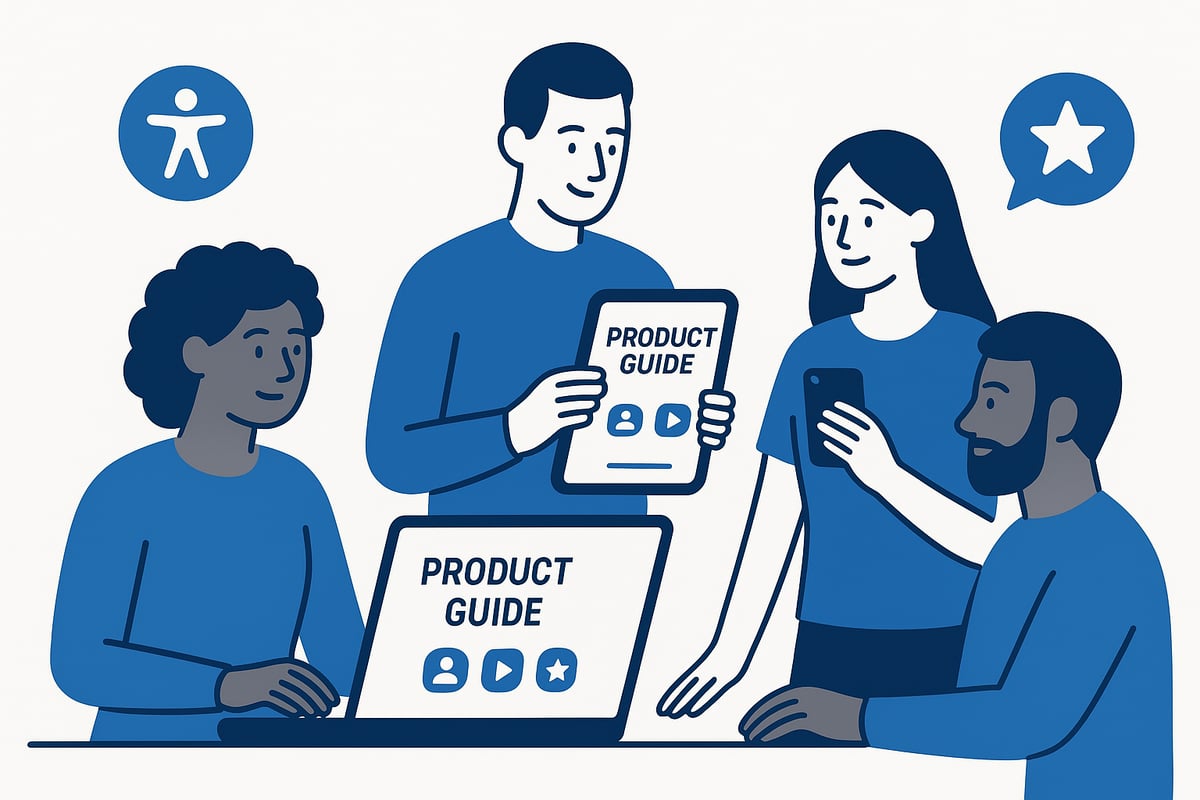
Ensuring your guide product is accessible to all users is non-negotiable. This means following WCAG guidelines, using high-contrast color schemes, readable fonts, and providing text alternatives for images and videos. Accessibility tools like screen readers should function seamlessly with your content.
Inclusivity also means supporting users with varying abilities and language skills. Offer translations or simplified language options when possible. An accessible guide product not only meets legal standards but also demonstrates a commitment to every user’s success.
Language and Tone
Clear, jargon-free language is essential for any guide product. Avoid complex terminology and break down instructions into logical, actionable steps. Align your tone with your brand voice, whether it’s friendly, professional, or authoritative, and ensure consistency throughout the documentation.
Consider your audience’s background and expectations. Use bullet points, short paragraphs, and visual cues to make information digestible. The right tone and language foster trust and make your guide product a reliable companion for users at all stages.
Feedback Loops and Continuous Improvement
A successful guide product is never static. Collecting user feedback through surveys, ratings, and analytics allows you to identify gaps and areas for improvement. Regularly update your content based on real user experiences and changing product features.
Incorporate feedback mechanisms directly within your guide product, such as thumbs-up ratings or quick polls. By iterating on your documentation, you demonstrate responsiveness and ensure your users always have the most relevant, helpful guidance available.
Optimizing Product Guides for Multiple Platforms
Ensuring your guide product is effective across platforms is essential in today's multi-device environment. Users expect seamless access, whether they're browsing on the web, using an app, or referencing offline materials. Optimizing your guide product for each platform enhances usability, reach, and satisfaction.
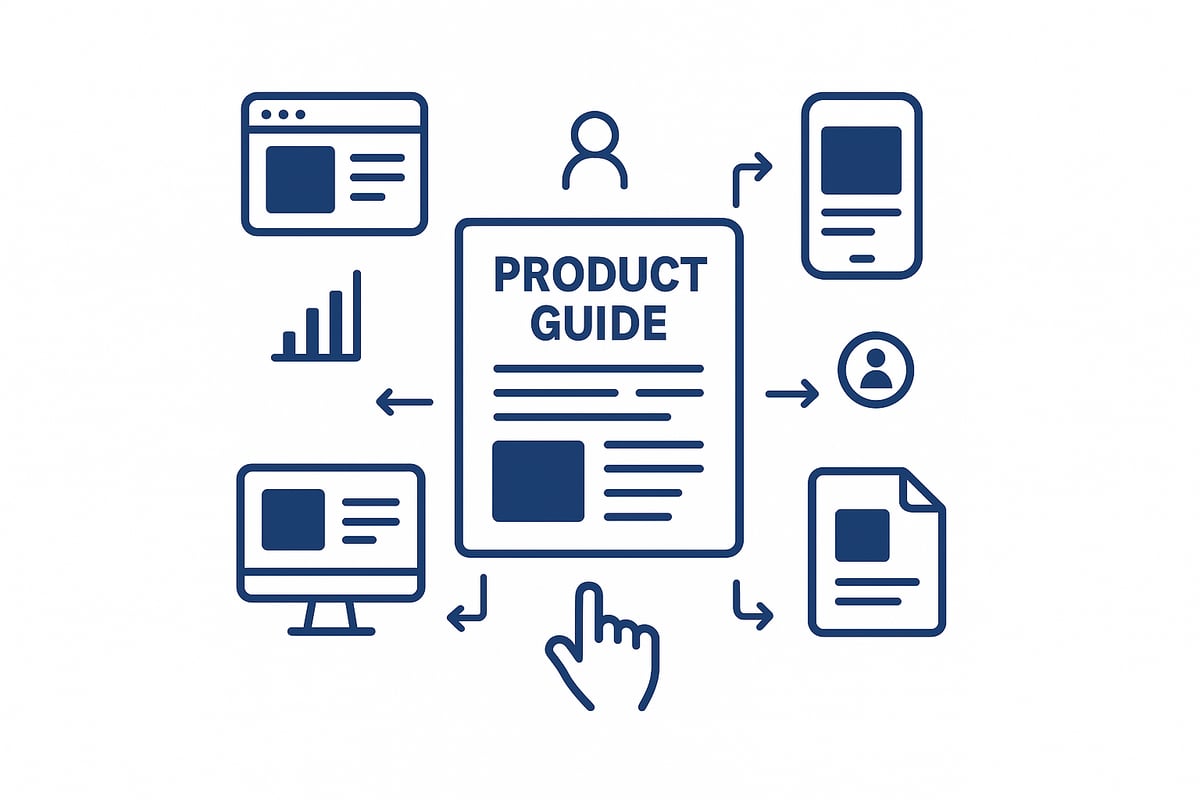
Web-Based Guides
Web-based guide product formats offer significant flexibility. They are easy to update, ensuring users always have the latest information. Interactive features like clickable elements, tooltips, and embedded videos boost engagement.
A key advantage is the ability to track user behavior with analytics. You can see which sections users spend time on, helping you refine your guide product. SEO optimization is also crucial, as it ensures your guides are discoverable by users searching for solutions online.
A well-designed web guide product should include clear navigation, search functionality, and adaptive layouts. These elements support users across different browsers and devices, making information access effortless.
In-App and Embedded Guides
Integrating your guide product directly within your application provides real-time assistance. Users receive support exactly when and where they need it, reducing friction during onboarding and day-to-day use.
Interactive walkthroughs, tooltips, and contextual help are proven techniques. According to the State of SaaS Onboarding Report 2023, platforms that embed interactive guide product elements see higher activation and retention rates.
Embedding guides also ensures users do not leave the app to seek help, streamlining the learning process. This approach is vital for SaaS and mobile-first products aiming for smooth onboarding.
Printable and Offline Guides
Not all users have consistent internet access, making printable and offline guide product versions essential. These guides should be formatted for clarity, with logical sections, concise language, and high-contrast visuals.
Offline guide product formats must be easy to download and print, ensuring all users can access critical instructions anytime. Best practices include using standard file types like PDF and providing version numbers for easy reference.
Distribution can happen via email, downloadable links, or bundled within the product package. This guarantees reach for users in low-connectivity environments.
Mobile Optimization
With 60% of users accessing guide product content via mobile devices, mobile optimization is non-negotiable. Responsive design ensures your guide product adapts to various screen sizes and orientations.
Mobile-friendly guide product layouts use larger fonts, touch-friendly buttons, and concise content blocks. Prioritize fast loading times and offline access where possible.
Testing your guide product on multiple devices helps identify usability issues early. A mobile-optimized guide product maximizes accessibility and supports users wherever they are.
Measuring Success and Improving Guide Performance
Effectively measuring the impact of your guide product is essential for ensuring ongoing improvement and user satisfaction. By tracking the right metrics, leveraging user feedback, and benchmarking against competitors, you can refine your guide product for optimal performance.
Key Metrics and KPIs
Begin by identifying key performance indicators (KPIs) that reflect how users interact with your guide product. Essential metrics include:
- User engagement: How frequently users access and interact with the guide product.
- Completion rates: Percentage of users finishing the entire guide product.
- Time-on-page: Average duration users spend on each section.
- Support ticket reduction: Drop in support requests after implementing the guide product.
| Metric | Why It Matters |
|---|---|
| User Engagement | Reveals adoption and usefulness |
| Completion Rate | Indicates clarity and value |
| Time-on-Page | Shows user interest |
| Support Ticket Reduction | Measures effectiveness |
For example, SaaS onboarding guides have been shown to reduce churn rates significantly, highlighting the value of a well-optimized guide product.
User Feedback and Analytics
Collecting actionable feedback is vital for refining your guide product. Tools like surveys, in-app prompts, and heatmaps uncover user pain points and areas for improvement.
Implementing click tracking helps you see which sections of the guide product are most visited or skipped. Analyzing this data enables targeted updates that enhance the user experience.
To streamline feedback collection, consider leveraging resources such as tools for SaaS validation interviews. These solutions make it easier to gather, interpret, and act on user insights, resulting in a more responsive and effective guide product.
A/B Testing and Iteration
A/B testing allows you to experiment with different layouts, formats, and content within your guide product. By presenting users with variations, you can determine which elements boost engagement and comprehension.
Monitor the impact of changes using analytics. For deeper insights into user interaction and content clarity, research on enhancing information engagement through computational linguistics underscores the importance of clear communication in guide product design.
Iterate based on results, focusing on data-driven decisions that lead to continual improvement. This process ensures your guide product remains relevant and valuable.
Benchmarking Against Competitors
To maintain a competitive edge, regularly compare your guide product with those offered by industry peers. Analyze strengths, weaknesses, and unique features across similar products.
Look for gaps in competitor documentation where your guide product can excel. Consider:
- Feature comparison tables
- User feedback analysis
- Documentation depth and accessibility
Benchmarking helps you identify opportunities for differentiation and innovation, ensuring your guide product stands out in a crowded market. Regular reviews keep your guide product aligned with evolving industry standards and user expectations.
Future Trends in Product Guide Creation
The landscape for guide product creation is evolving rapidly as technology and user needs shift. Staying ahead means understanding how future trends will shape the way teams design, deliver, and optimize every guide product for maximum impact.
AI and Automation in Guide Development
AI-driven tools are transforming how teams build and maintain every guide product. Automated content generation, real-time updates, and personalized recommendations are quickly becoming standard. For example, AI chatbots can provide contextual help by analyzing user behavior and delivering relevant steps instantly.
Research on Intent-Aware FAQ Retrieval in Product Search demonstrates how integrating advanced FAQ systems can streamline support and reduce queries. These innovations let a guide product adapt in real time, ensuring users always have up-to-date, relevant answers.
AI also powers analytics, revealing patterns in guide usage and highlighting areas for improvement. This feedback loop helps teams keep each guide product aligned with changing needs.
Interactive and Immersive Experiences
Interactive elements are defining the next generation of guide product resources. Augmented reality (AR) and virtual reality (VR) are making complex instructions more accessible through hands-on learning. Users can follow a guide product in an immersive environment, seeing 3D models or step-by-step overlays.
Early adopters report that AR-powered guides can accelerate onboarding by 50 percent. These technologies increase engagement and retention, especially for products with technical or multi-step workflows.
Interactive checklists, embedded videos, and clickable tooltips are also enhancing the guide product experience. These features make learning intuitive and enjoyable for all users.
Integration with Customer Support Ecosystems
Seamless integration between a guide product and broader support systems is now essential. Modern platforms connect guides directly with live chat, ticketing, and community forums, enabling users to transition smoothly from self-help to expert assistance.
Omnichannel support strategies ensure that a guide product is available wherever users need it, whether in-app, online, or within mobile platforms. This unified approach streamlines the support journey and reduces friction for users.
By embedding guides within the customer support ecosystem, businesses can provide proactive tips and solutions, helping users resolve issues faster and boosting satisfaction.
Evolving User Expectations
User expectations for any guide product are rising. People demand instant access to information, personalized recommendations, and predictive guidance based on their behavior and preferences.
Predictive analytics now allow a guide product to anticipate user needs, offering targeted help before problems arise. Users expect guides that are not only accurate, but also tailored to their journey and context.
To stay competitive in 2025 and beyond, organizations must prioritize innovation in guide product development, focusing on speed, relevance, and personalization to meet evolving demands.