Scaling a SaaS company in 2025 is more than chasing rapid growth; it requires building a resilient, repeatable system for sustainable success. With 70% of SaaS startups failing due to premature scaling, understanding the right approach is crucial for those seeking predictable growth.
This guide on saas scale delivers proven, data-backed strategies to help founders and leaders avoid common pitfalls. You will discover the critical stages of SaaS growth, actionable segmentation tactics, market timing insights, workflow-driven expansion, and how to create defensible moats.
Learn what top-performing SaaS companies do differently as they grow from $1M to $10M ARR and beyond. Apply these frameworks to build a business that not only survives but thrives in the competitive landscape of 2025.
Understanding the Stages of SaaS Scaling
Scaling a SaaS company is not just about chasing rapid growth. The saas scale journey involves a series of well-defined stages, each with its own challenges and opportunities. According to the Startup Genome Project, 70% of SaaS startups fail due to premature scaling, often by skipping crucial validation steps. To avoid this fate, founders must recognize where they are in the journey and which risks to focus on at each phase.
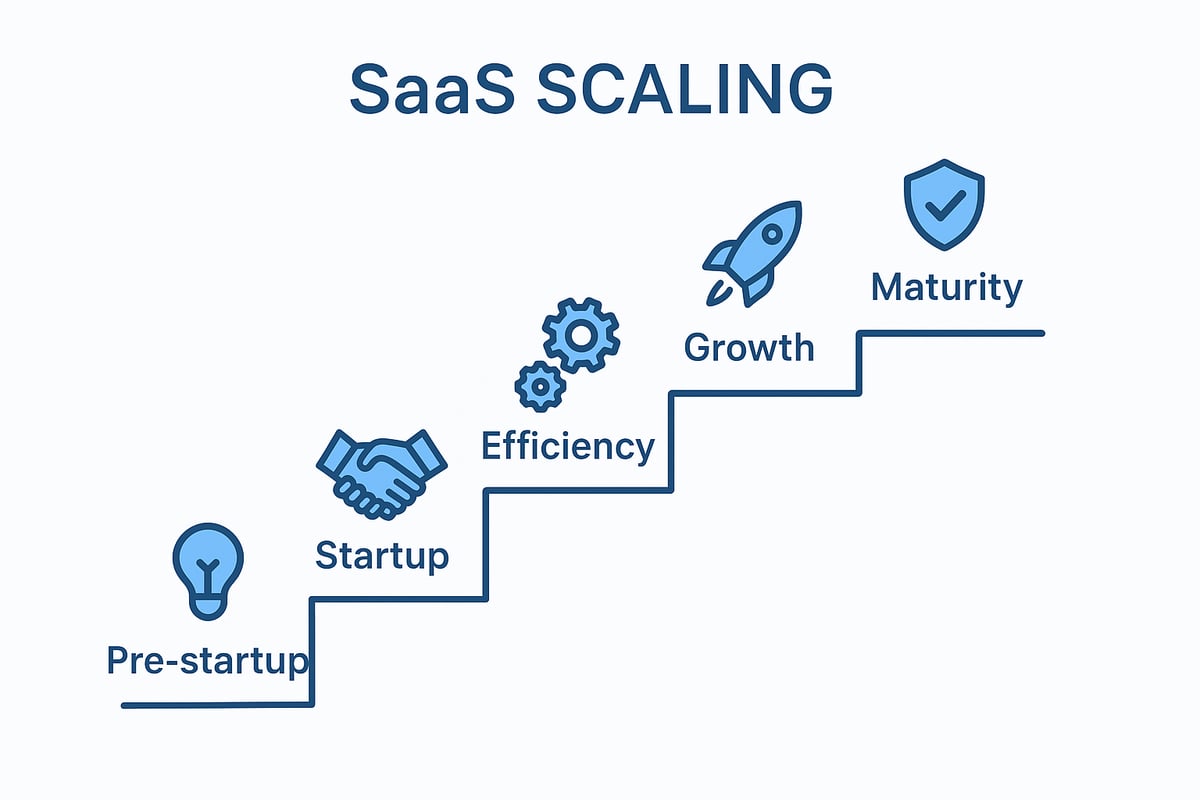
Let’s break down the critical stages of the saas scale journey:
| Stage | Focus Areas | Common Activities | Key Risks |
|---|---|---|---|
| Pre-startup | Problem/solution fit, MVP | Ideation, prototyping, seed funding | Building before validation |
| Startup | Product/market fit, channels | Early customers, analytics | Overhiring, weak fit |
| Efficiency | Process improvement | Funnel optimization, onboarding | Siloed teams, churn |
| Growth | Aggressive acquisition | Series A, conversion optimization | Unscalable processes |
| Maturity | Operational efficiency | Profitability, retention | Complacency, slowdown |
The transition from “zero to one” is about finding a strong product-market fit. This is where many founders underestimate the time needed to validate the market, which typically takes two to three times longer than expected. Rushing through this stage can derail your saas scale efforts before they gain momentum.
Once you move beyond product-market fit, scaling shifts from experimentation to repeatability. At this point, systematizing what works becomes essential. Maxio’s framework emphasizes the importance of process optimization, such as refining customer onboarding and developing a repeatable sales process. Failing to build these systems early can lead to chaos and wasted resources.
Consider Nexl, which unlocked sustainable growth by segmenting its customer base and focusing on high-margin regions and contract sizes. In contrast, Groove faced challenges as its user base expanded, revealing the hidden costs of scaling without robust process management.
A common pitfall is the scattergun approach to customer acquisition, where teams chase every opportunity without clear focus. This leads to misaligned teams and wasted spend. Instead, successful companies treat the saas scale journey as a series of systematized experiments, using data to guide each step.
For practical frameworks and tools that support every stage of the saas scale journey, explore this guide on scaling your SaaS business.
Ultimately, the key insight is that saas scale is not just about adding more customers or revenue. It’s about building a resilient, repeatable engine for sustainable success. By understanding and respecting each stage, founders can avoid premature scaling and lay the groundwork for long-term growth.
Segmentation: The Foundation of Sustainable SaaS Scale
Unlocking true saas scale starts with segmentation. Far from a mere marketing exercise, segmentation is the backbone of sustainable growth and the first lever every founder should pull. Before you ramp up sales or expand your product, segmentation ensures you’re investing resources where they yield the highest impact.
Why Segmentation Drives Scalable Growth
Segmentation is not just about carving out personas or basic demographics. For effective saas scale, segmentation must be a rigorous financial exercise. Leaders like Allen Zhu highlight that segmentation should precede all other scaling activities.
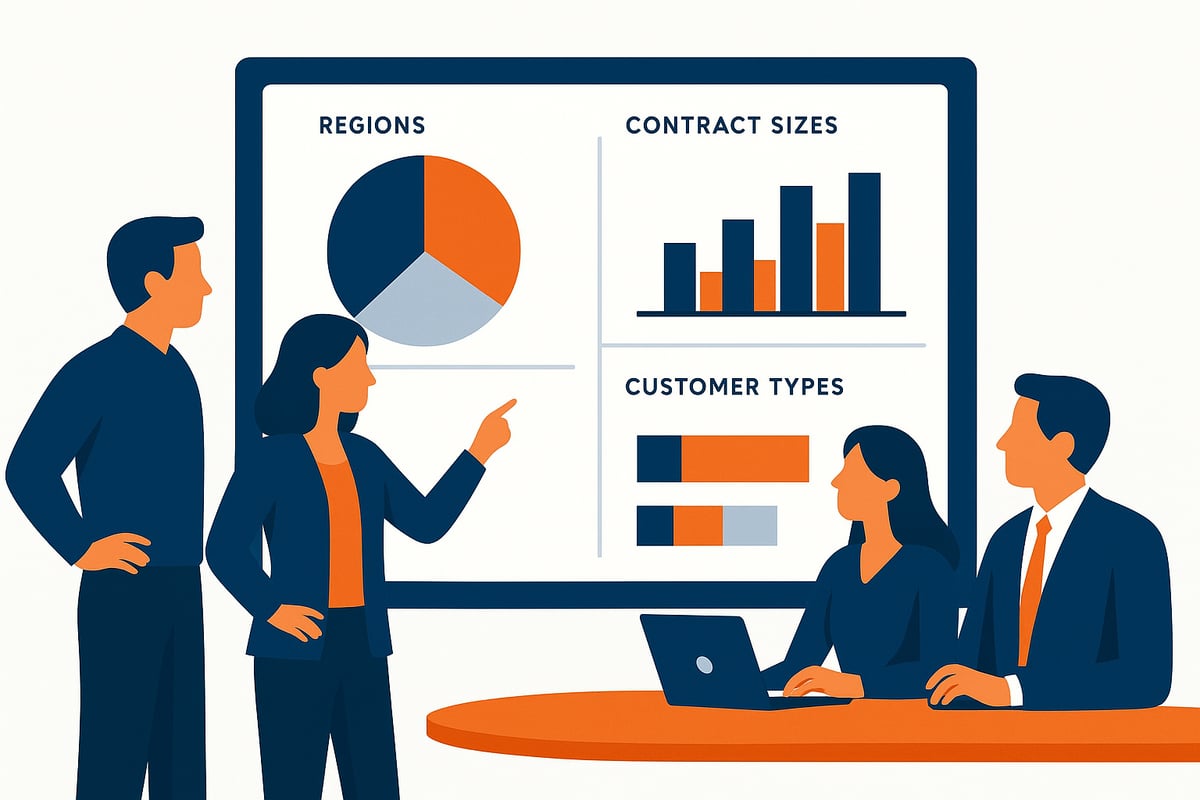
Consider Nexl’s experience. Their team analyzed profitability by region, contract size, and customer type, revealing that not all customers contributed equally to growth. By identifying which segments produced the highest margin and lowest cost-to-serve, Nexl shifted resources to focus on these high-value groups.
Many founders are tempted by the “spray and pray” approach, especially in small total addressable markets. This can lead to wasted sales and marketing spend, high churn, and low gross margins. Instead, aligning segmentation insights across leadership, sales, and marketing teams ensures everyone is moving in the same profitable direction.
A quick comparison of segmentation variables:
| Variable | Example Value | Impact on SaaS Scale |
|---|---|---|
| Region | North America | High margin, low churn |
| Contract Size | Enterprise | Greater LTV, longer sales cycles |
| Customer Type | Legal Firms | Lower cost-to-serve |
For a comprehensive approach to vertical segmentation and validation, consider this Guide to vertical SaaS validation, which outlines proven steps to identify and test your most promising segments for saas scale.
Making Segmentation Actionable
The real power of segmentation for saas scale lies in its application. Segmentation must be embedded in sales playbooks, customer success motions, and product roadmaps. Nexl’s switch from high-volume outbound to a targeted account-based marketing (ABM) strategy is a prime example. By focusing on their most profitable segments, they improved sales efficiency and customer retention.
Leadership must ensure segmentation is not siloed. Aligning go-to-market teams on clear, data-driven segments enables precision in outreach and messaging. This reduces the risk of overextending resources and improves conversion rates.
Companies relying on broad, undifferentiated outreach often struggle with low engagement and high churn. In contrast, those that operationalize segmentation see higher gross margins and lower churn rates, as shown by EVP portfolio insights.
Focus on Value: Not All Growth Is Equal
In the pursuit of saas scale, remember that not all growth opportunities are created equal. The most successful SaaS companies focus relentlessly on segments where they can create and capture the most value.
Actionable segmentation is the difference between sustainable scale and wasted effort. By using real data to target your most profitable segments, you lay a foundation for repeatable, defensible growth. Prioritize alignment, validate your segments rigorously, and let segmentation guide your next moves for saas scale.
Timing and Market Entry: Capturing Opportunities for Scale
Entering the market at the right moment is a foundational element for any successful saas scale strategy. While many teams focus on perfecting their channel or messaging, true growth comes from understanding when your customers are actually ready to buy. Market timing is not just a tactical detail, it is often the difference between high conversion and missed opportunities.
Finding and Timing the Right Market Entry
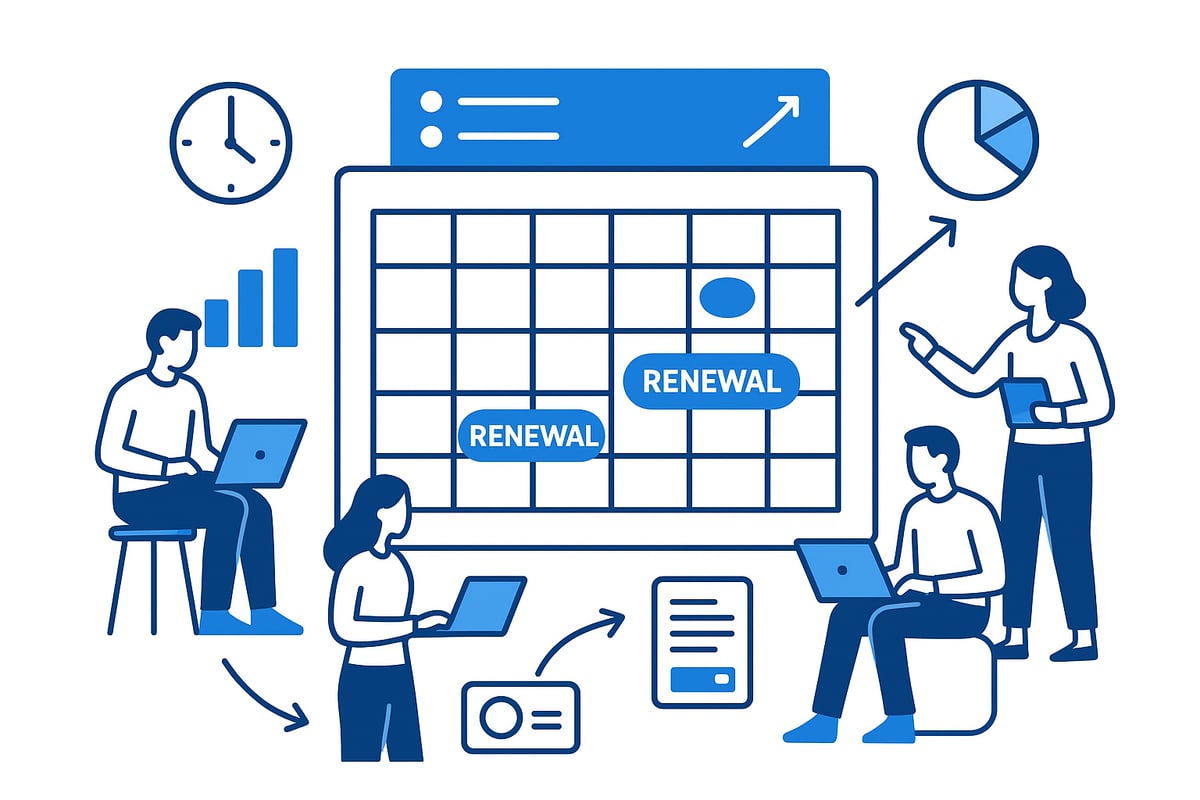
In the world of saas scale, timing is everything. Consider the approach used by Deckard, which leverages public contract data to anticipate government software renewals. By mapping out when contracts are set to expire, they ensure outreach occurs precisely when prospects are entering a buying window.
Cataloguing your market is a critical step. Rather than relying on assumptions, gather concrete data on:
- Competitors active in your space
- Contract cycles and renewal windows
- Ideal customer profile (ICP) details: vendor relationships, budgets, expiration dates, and pain points
Only a small slice of your total addressable market is actively evaluating new solutions at any given time. This means that, for effective saas scale, you need to know not just who to target but also when to engage. Early engagement, as shown in Deckard’s strategy, allows you to pre-board ROI before the renewal cycle even begins, making your solution top of mind when the decision point arrives.
A practical workflow for this process includes:
- Mapping the entire market to identify all relevant prospects.
- Tracking contract expiration and budget cycles.
- Nurturing relationships with timely, relevant communication until the buying window opens.
Precision in outreach beats high-volume tactics, especially in competitive B2B environments. Companies that align their sales and marketing efforts with contract cycles consistently see higher conversion rates and shorter sales cycles. According to recent insights, organizations adopting this approach often outperform peers in both win rates and deal velocity.
For actionable strategies on market expansion and automation, explore these SaaS Growth Tactics for 2025, which detail how timing and workflow-driven engagement can accelerate your saas scale efforts.
Ultimately, market timing is a unique, scalable advantage that cannot be replicated by simply increasing outreach volume. By being present and relevant at the exact moment your customer is ready to buy, you transform your saas scale journey from guesswork into a repeatable, data-driven system.
Building Scalable Processes and Teams
Scaling a SaaS business is not just about growing fast, it is about building a resilient engine that delivers predictable results at every stage. The difference between success and stagnation often comes down to how well your processes and teams can handle the demands of true saas scale. Without strong foundations, growth can quickly become chaotic and unsustainable.

Transitioning from Founder-Led to Process-Driven Growth
The early days of a SaaS company often rely on founder intuition and direct customer engagement. However, to achieve saas scale, leaders must shift from ad hoc tactics to structured, repeatable processes. This transition is critical and requires clear documentation of what works, so new team members can replicate successful outcomes.
A process-driven approach ensures sales, marketing, and product teams align on goals and workflows. For example, moving from founder-led demos to a standardized sales playbook allows predictable onboarding and customer activation. This shift not only accelerates growth but also reduces risk as the company adds new hires and expands into new markets.
Optimizing Funnels and Building the Right Team
Efficient funnel optimization is at the core of sustainable saas scale. Start by mapping every touchpoint, from lead generation to onboarding and retention. Even small improvements in trial-to-paid conversion can dramatically impact revenue, as seen in benchmarks from Maxio and BigCommerce.
To manage the complexity of scaling, invest in automation and clear communication. Maxio’s use of automated subscription management and lifecycle email campaigns freed up teams to focus on higher-value tasks. Groove’s experience shows that as the customer base grows, more users can expose new bugs, requiring developers to shift from rapid feature releases to prioritizing stability and support.
Bad hires at this stage can stall momentum. Prioritize team members who thrive in fast-changing environments and value cross-functional collaboration. For more strategies on process optimization and operational excellence, see Managing SaaS processes effectively.
Measuring, Documenting, and Sustaining Scale
Sustaining saas scale depends on robust measurement and process documentation. Key metrics like activation rates, retention, Net Promoter Score (NPS), and cohort analysis should be tracked closely. These indicators reveal where bottlenecks occur and where to focus improvement efforts.
Documenting workflows ensures consistency as teams grow. Create playbooks for onboarding, support, and product development. Encourage regular reviews to adapt processes as your business evolves. Remember, well-documented systems are the backbone of repeatable success and help protect company culture during rapid expansion.
Ultimately, scalable processes and strong teams are not just operational checkboxes. They are strategic assets that allow your SaaS business to adapt, learn, and thrive as you pursue long-term growth.
Funding and Self-Funding Models for SaaS Scale
Securing the right funding model is a pivotal decision for any company pursuing saas scale. The path to sustainable growth depends not just on raising capital but on how efficiently you deploy and manage it. Founders must weigh the benefits of external funding against the flexibility and control offered by self-funding, all while keeping a close eye on profitability and runway.
The Self-Funding Approach
Many SaaS leaders initially pursue a self-funding strategy, reinvesting early sales and marketing returns back into the business. This approach, often called the "self-funding window," allows for experimentation with go-to-market strategies without diluting ownership or ceding control. Companies allocate a portion of monthly recurring revenue (MRR) to fuel customer acquisition, test channels, and refine their product-market fit.
This method works best when the business has a clear understanding of its most profitable segments and can generate consistent, predictable cash flow. According to the State of B2B SaaS in 2025, self-serve revenue models are reshaping how SaaS companies accelerate growth, often reducing the need for early venture capital.
Comparing Funding Models
When considering saas scale, founders often debate whether to pursue Series A funding or continue growing organically. Venture capital can provide the capital injection needed for rapid expansion, larger teams, and faster market entry. However, it comes with potential downsides, such as loss of control, pressure for hypergrowth, and dilution of equity.
| Model | Advantages | Risks |
|---|---|---|
| Self-Funding | Control, flexibility, discipline | Slower growth, cash constraints |
| Venture Capital | Faster scaling, resources | Loss of control, higher burn |
Balancing these options requires a deep understanding of the company's current stage, target market, and long-term vision for saas scale.
Mastering Cash Flow and Metrics
SaaS scale relies on meticulous financial management. Key metrics such as payback period, customer acquisition cost (CAC), and lifetime value (LTV) must be tracked and optimized. Allocating too much spend on sales or marketing before confirming product-market fit can lead to cash shortfalls and unsustainable burn rates.
Successful SaaS companies manage cash flow by:
- Closely monitoring recurring revenue and expenses
- Reinvesting profits into high-ROI growth activities
- Avoiding overhiring during uncertain growth phases
Disciplined funding ensures that scaling expenses never outpace revenue, preserving a healthy runway and gross margin.
Aligning Funding with Segmentation
The most effective funding strategies for saas scale align capital allocation with the segments that offer the highest margins and lowest risk. Leaders should use real data to target investments where customer lifetime value exceeds acquisition cost by a healthy margin.
Avoiding the trap of spreading resources too thin, companies should double down on validated segments and scale only what is proven to work. This approach not only protects the business from costly missteps but also creates a foundation for sustainable, predictable growth.
In summary, smart funding fuels saas scale, but discipline and alignment with core segments ensure long-term survival and success.
Product Expansion and Building Defensible Moats
Expanding your product is a pivotal move for achieving true saas scale. Yet, expansion without a clear strategy often leads to wasted resources and diluted value. The most successful SaaS leaders prioritize deep integration into customer workflows and develop products that are hard to replace. This approach not only unlocks new revenue streams but also creates defensible moats that safeguard long-term growth.
Product Expansion: Mapping Workflows and Value
To achieve sustainable saas scale, expansion should always begin with a deep understanding of your customers’ workflows. Rather than chasing every new vertical or logo, leading SaaS companies map the daily processes of their best customers. This insight reveals natural points for upsell, cross-sell, and feature adoption.
A proven framework is “follow the workflow, then follow the money.” Start by identifying where your product fits into the customer’s routine. Next, look for adjacent needs that can be solved within the same workflow. For example, many high-growth SaaS firms first focus on deepening adoption within existing accounts before adding new modules or integrations.
Consider Nexl’s approach. By analyzing usage data and customer feedback, they expanded features that supported legal teams’ end-to-end processes. This not only increased product stickiness but also positioned Nexl as a mission-critical platform, fueling further saas scale.
Here are practical steps to guide workflow-based expansion:
- Interview top customers to map their daily tasks and pain points.
- Analyze product usage to find under-served workflow gaps.
- Prioritize features that streamline or automate high-value steps.
- Pilot new offerings with your most engaged segments first.
Industry trends highlight the shift toward vertical SaaS and workflow-centric expansion. For more on how leading companies are adapting, see SaaS Industry Projections and Insights 2025.
A workflow-driven approach to saas scale ensures that every new feature or service is grounded in real customer value, reducing the risk of feature bloat and maximizing ROI.
Building Defensible Moats: Integration, Data, and Advocacy
As your company grows, building a defensible moat becomes essential for sustainable saas scale. Moats make it difficult for competitors to lure away your customers, even if they offer lower prices or similar features. The most effective moats are built on deep integration, proprietary data, and strong customer relationships.
Switching-cost moats arise when your solution is tightly woven into a customer’s business processes. For instance, Deckard’s pre-boarding strategy for enterprise clients focused on integrating ROI demonstration early. By showing measurable results before the contract even started, Deckard accelerated buy-in and locked in long-term value.
Key strategies for building defensible moats:
- Integrate your product with critical systems and workflows.
- Leverage proprietary data to deliver unique insights.
- Launch customer advocacy programs, such as advisory boards and reference groups.
- Foster a vibrant user community for peer support and engagement.
However, product expansion is not without risks. Feature bloat, loss of focus on core segments, and easy-to-copy features can undermine your moat. The table below summarizes best practices for segment-focused versus scattergun expansion:
| Expansion Approach | Pros | Cons |
|---|---|---|
| Segment-Focused | Higher retention, deeper value | Slower initial growth, resource intensive |
| Scattergun | Fast reach, broad exposure | High churn, low differentiation |
Benchmark data confirms that SaaS companies with high switching costs and workflow integration achieve lower churn and higher net revenue retention (NRR). For concrete metrics and industry comparisons, reference the B2B SaaS Metric Benchmarks 2025.
Aligning your product roadmap with your most valuable segments is key to defensible saas scale. Sustainable growth comes from building advantages that competitors cannot easily replicate, ensuring that your platform remains indispensable to your customers.
Lessons and Actionable Takeaways for SaaS Founders in 2025
Scaling a SaaS company in 2025 requires more than ambition. It demands a disciplined approach, where every decision is grounded in data and operational clarity. The journey to effective saas scale is paved with lessons learned from industry leaders and real-world case studies.
Key Insights and Common Mistakes
The road to successful saas scale is littered with pitfalls. The most critical mistake is attempting to scale before truly understanding your ideal customer segments and aligning core processes. Maxio’s research reveals that companies who rush into growth without segmentation see higher churn and lower margins.
Leadership alignment is essential. Teams must rally around clear, data-driven segments, using real profitability data to guide go-to-market decisions. This prevents the scattergun approach that drains resources and leads to inconsistent results.
Market timing and cataloguing ICPs are often overlooked. Companies that map contract cycles and buying signals, as Deckard did, consistently outperform those relying on volume-based outreach. Systematizing sales, onboarding, and customer success is the backbone of repeatable revenue.
Funding is another balancing act. While venture capital can accelerate growth, disciplined self-funding often leads to healthier margins and longer runways. Aligning funding models with segmentation insights ensures capital is invested where it yields the highest return.
Product expansion should focus on workflow integration and customer value, not just feature count. Building defensible moats through switching costs, proprietary data, and community engagement is vital for long-term differentiation.
For founders, leveraging resources like SaaS founder validation strategies can provide tailored frameworks for early validation and leadership alignment, setting the stage for scalable success.
Actionable Steps for SaaS Scale Success
To achieve sustainable saas scale, founders should follow a structured approach:
- Audit Your Stage: Identify where your company is along the SaaS journey. Are you pre-product-market fit, optimizing processes, or ready for aggressive growth?
- Map Profitable Segments: Use data to pinpoint high-margin, low-churn customer groups. Align leadership, sales, and marketing around these segments.
- Systematize Processes: Document and refine sales, onboarding, and customer success workflows for repeatability and efficiency.
- Leverage Market Timing: Catalog your market, track contract cycles, and trigger outreach when prospects are most likely to convert.
- Balance Funding Models: Allocate capital strategically, combining venture investment and self-funding to extend runway and preserve control.
- Focus Product Roadmap: Prioritize features that drive adoption and retention among your best segments.
- Build Defensible Moats: Deepen customer integration, increase switching costs, and foster a community around your product.
| Step | Key Action | Outcome |
|---|---|---|
| Audit Stage | Assess current growth phase | Clarity on next priorities |
| Map Segments | Analyze real data for profitability | Targeted acquisition |
| Systematize Processes | Document repeatable workflows | Predictable revenue |
| Leverage Timing | Catalog contracts and buying signals | Higher conversion rates |
| Balance Funding | Align investment with margin insights | Healthy runway |
| Focus Product Roadmap | Build for core segments first | Lower churn, higher NRR |
| Build Moats | Develop switching costs and community | Long-term differentiation |
By consistently applying these steps, SaaS founders can avoid the most common mistakes and build a foundation for enduring saas scale. The companies that outperform in ARR growth and retention are those that treat scaling as a system, not a sprint.