The SaaS landscape is transforming at an unprecedented pace, making 2026 a pivotal year for digital innovation. Entrepreneurs and startups are more determined than ever to identify untapped opportunities and launch the next wave of successful saas ideas.
Emerging technology trends such as AI, automation, and the rise of remote work are driving new business needs and reshaping expectations. Staying ahead in this environment means finding fresh, validated saas ideas that solve pressing pain points.
In this guide, you will discover 12 innovative saas ideas, each designed to address real-world challenges. Explore actionable product concepts, key features, and strategies to capitalize on these trends and build a thriving SaaS venture in 2026.
Why 2026 Is the Year for SaaS Innovation
The SaaS industry is on the brink of a major leap, with the global market projected to surpass $441 billion by 2026. This explosive growth is fueled by organizations seeking scalable, efficient, and cloud-based solutions to modernize workflows and stay competitive. For entrepreneurs searching for fresh saas ideas, this momentum creates fertile ground for innovation and new market entry. As more businesses transition to the cloud, opportunities for creative, high-impact products multiply rapidly.
The shift to remote work, digital collaboration, and process automation has moved from temporary adaptation to permanent strategy. Companies now require flexible, cloud-native tools to support distributed teams, streamline operations, and maintain business continuity. This environment has led to a surge in demand for novel saas ideas that address the unique challenges of hybrid and fully remote workplaces. Those who can anticipate and solve these evolving needs will find themselves well-positioned for growth.
Another key driver is the rise of industry-specific, or vertical, SaaS solutions. Unlike broad, one-size-fits-all platforms, vertical SaaS targets the nuanced requirements of particular sectors such as healthcare, legal, or real estate. Coupled with advancements in AI, machine learning, and low-code technologies, these solutions offer tailored value that generic software cannot match. According to recent reports, Global SaaS Market to Reach $441.26 Billion by 2026, highlighting just how vast the landscape for new saas ideas has become.
Security, compliance, and privacy are also taking center stage as regulations grow increasingly complex. SaaS founders must build trust by prioritizing data protection and regulatory adherence from the start. Validating market needs is more crucial than ever—successful ventures are those that solve urgent, overlooked problems with agile solutions. The rapid rise of AI-powered content platforms and telehealth services demonstrates how fast-moving teams can capture new demand with the right saas ideas at the right time.

12 Innovative SaaS Ideas to Launch in 2026
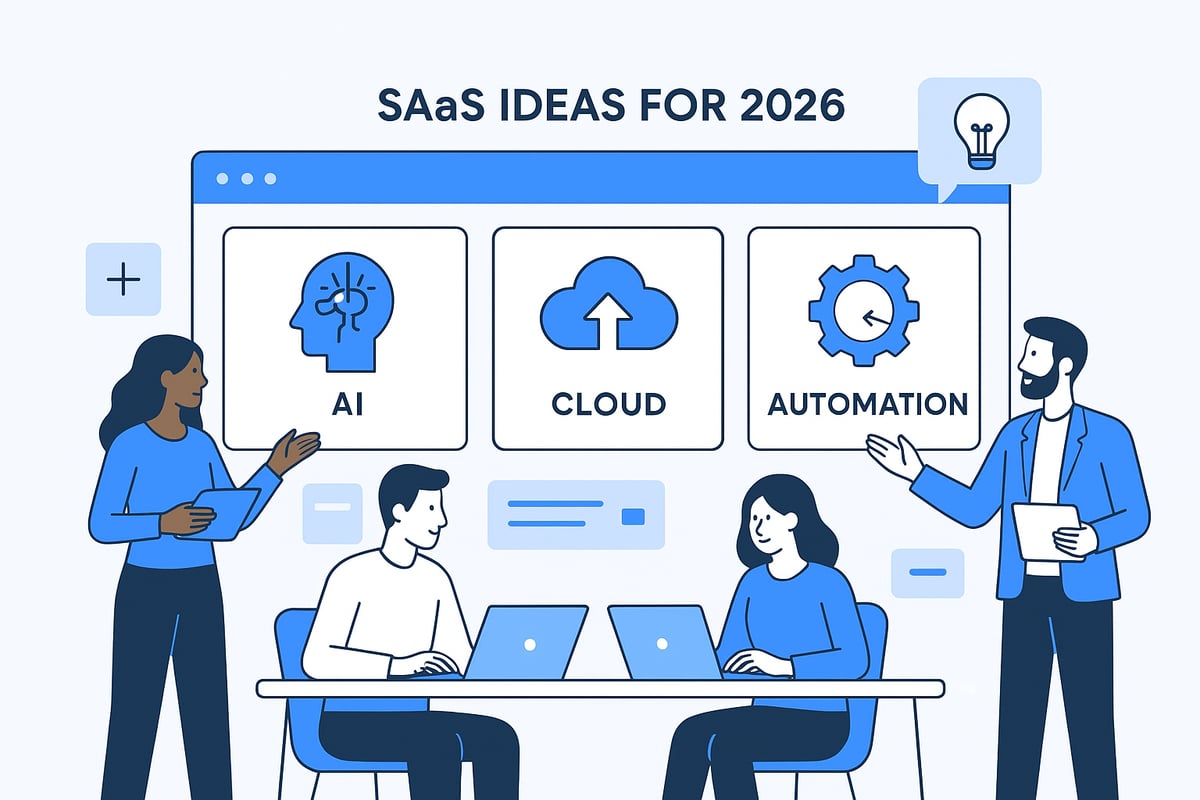
Exploring the latest saas ideas is essential for entrepreneurs aiming to stay ahead in 2026. This handpicked list of 12 innovative saas ideas covers a range of industries, technologies, and user needs. Each concept is designed to solve a genuine market pain point, offering actionable features, clear pros and cons, and real-world examples. Before you build, remember that validation is critical to success. For a broader perspective, review Best SaaS business ideas to complement your research.
1. AI-Driven Content Optimization Platform
AI-driven content optimization platforms are redefining how marketers approach SEO and digital publishing. These saas ideas leverage automated keyword research, real-time content scoring, and competitor benchmarking to streamline workflows. Integration with major CMS platforms and support for multiple languages make these tools especially powerful.
- Core Features: Automated keyword research, content scoring, AI suggestions.
- Unique Selling Points: CMS integration, actionable SEO tips, multilingual support.
- Target Audience: Content marketers, SEO agencies, digital publishers.
Pros: Boosts organic traffic, reduces manual research, scalable for teams.
Cons: Needs frequent updates as search algorithms evolve.
Example: Surfer’s popularity highlights the market’s appetite for advanced AI-powered content solutions.
2. Vertical SaaS for Small Landlords
Vertical saas ideas tailored for micro-landlords address a long-standing gap. These solutions offer rent reminders, maintenance scheduling, digital lease storage, and automated tenant screening using financial APIs. The intuitive interface is perfect for independent landlords managing fewer than 10 units.
- Core Features: Rent reminders, digital leases, automated screening.
- Unique Selling Points: Designed for micro-landlords, easy to use.
- Target Audience: Small landlords, property managers.
Pros: Reduces missed payments, improves maintenance, ensures data retention.
Cons: Less suited for larger property portfolios.
Example: Reddit discussions reveal widespread pain among small landlords, demonstrating real demand for this type of saas ideas.
3. Automated Supply Chain Visibility & Optimization
Automated supply chain platforms are standout saas ideas for businesses seeking resilience. They provide end-to-end tracking, predictive analytics, and real-time alerts to help companies respond quickly to disruptions. Integration with ERP and logistics platforms streamlines operations.
- Core Features: End-to-end tracking, predictive analytics, supplier dashboards.
- Unique Selling Points: AI-powered forecasting, seamless integrations.
- Target Audience: E-commerce, manufacturing, logistics.
Pros: Minimizes disruptions, optimizes inventory, enhances transparency.
Cons: Integrating with legacy systems can be complex.
Example: The surge in demand for supply chain visibility after 2020 underscores the market’s appetite for these saas ideas.
4. AI-Powered Paralegal for Law Firms
AI-powered paralegal tools are innovative saas ideas that help law firms automate tedious tasks. These platforms draft legal documents, manage citations, check for conflicts, and conduct research efficiently. Compliance safeguards ensure reliability.
- Core Features: Document drafting, citation management, research automation.
- Unique Selling Points: Compliance-focused AI, affordable automation.
- Target Audience: Solo attorneys, small law firms.
Pros: Reduces admin workload, speeds up preparation, cost-effective.
Cons: Needs regular legal dataset updates, faces regulatory scrutiny.
Example: Frustration with bloated legal tools in online forums shows a strong need for focused saas ideas in legal tech.
5. Low-Code Platform for Rapid App Development
Low-code platforms are top saas ideas for democratizing software creation. With drag-and-drop UI builders, pre-built templates, and workflow automation, non-developers can quickly launch production-ready apps. API integrations further extend functionality.
- Core Features: UI builder, templates, workflow automation, API integration.
- Unique Selling Points: Empowers non-developers, rapid deployment.
- Target Audience: SMBs, startups, product managers.
Pros: Accelerates transformation, lowers costs, quick time to market.
Cons: Limited customization for highly complex apps.
Example: Ninox’s growth proves that accessible low-code saas ideas resonate with a broad user base.
6. Subscription Management & Automated Billing SaaS
Subscription management platforms are essential saas ideas for digital businesses. These solutions handle recurring billing, invoicing, tax calculations, and revenue recognition. Advanced analytics and multi-currency support give businesses the tools they need to grow globally.
- Core Features: Recurring billing, invoicing, analytics, payment integrations.
- Unique Selling Points: Multi-currency, compliance-ready, advanced reporting.
- Target Audience: SaaS, e-commerce, digital services.
Pros: Reduces churn, streamlines revenue, automates compliance.
Cons: Competitive space, integration challenges.
Example: Chargebee’s rapid adoption highlights the demand for robust subscription-focused saas ideas.
7. Minimalist Helpdesk for IT Service Providers
Minimalist helpdesk platforms are practical saas ideas for small IT service providers. Features like mobile-first ticketing, offline logging, and client portals deliver speed and simplicity. Asset documentation is streamlined for ease of use.
- Core Features: Mobile ticketing, onboarding portal, asset documentation.
- Unique Selling Points: Lightweight, fast, MSP-focused.
- Target Audience: IT consultants, small MSPs.
Pros: Saves time, reduces complexity, budget-friendly.
Cons: May lack features needed by large enterprises.
Example: Reddit MSP communities often complain about overly complex systems, proving the need for leaner saas ideas.
8. Telehealthcare SaaS for Specialized Practices
Telehealthcare platforms are emerging saas ideas that serve niche medical practices. Secure video consultations, e-prescriptions, and appointment scheduling make healthcare more accessible. Customization for specialties like mental health or dermatology ensures fit.
- Core Features: Video consults, e-prescriptions, scheduling, data management.
- Unique Selling Points: HIPAA-compliant, specialty customization.
- Target Audience: Private clinics, therapists, niche providers.
Pros: Expands access, boosts engagement, lowers overhead.
Cons: Faces regulatory hurdles, privacy concerns.
Example: BetterHelp’s acquisition demonstrates the profitability and demand for these specialized saas ideas.
9. AI Chatbot Builder for Customer Support
AI chatbot builders are popular saas ideas for enhancing customer support. These platforms use natural language processing, multi-channel deployment, and analytics dashboards to automate interactions. No-code setup and multilingual support make implementation easy.
- Core Features: NLP, multi-channel, analytics, no-code setup.
- Unique Selling Points: Custom workflows, 24/7 support, scalable.
- Target Audience: SMEs, e-commerce, SaaS platforms.
Pros: Reduces human workload, supports multiple languages, easy to scale.
Cons: Needs training for specialized queries.
Example: Codica AI Chat’s seamless integration shows the practicality of these saas ideas for modern businesses.
10. Volunteer and Event Scheduling Platform for Nonprofits
Volunteer and event scheduling tools are valuable saas ideas for nonprofits and community groups. Features like shift sign-ups, automated reminders, and communication tools simplify coordination. Designed with mobile access in mind, these platforms improve volunteer retention.
- Core Features: Shift sign-ups, reminders, communication, coverage swapping.
- Unique Selling Points: Nonprofit focus, mobile-friendly, simple UI.
- Target Audience: Volunteer coordinators, event organizers.
Pros: Reduces scheduling chaos, boosts retention, easy adoption.
Cons: May not scale for very large organizations.
Example: Pain points mentioned in nonprofit forums highlight the ongoing need for effective scheduling saas ideas.
11. Creator Affiliate Link & Sponsorship Tracker
Affiliate link and sponsorship trackers are niche saas ideas for the creator economy. These tools monitor affiliate links, alert users to broken links, and track sponsorship deals and payments. Integration with social media platforms is a key feature.
- Core Features: Link management, broken link alerts, sponsorship tracking.
- Unique Selling Points: Built for creators, social media integrations.
- Target Audience: Content creators, influencers, affiliate marketers.
Pros: Recovers lost revenue, streamlines collaborations, easy to use.
Cons: Niche market, requires ongoing API maintenance.
Example: Reddit creator threads reveal frequent income loss from broken links, showing why these saas ideas matter.
12. AI-Powered Compliance Checker for E-commerce Sellers
AI-powered compliance checkers are essential saas ideas for online retailers. These platforms review listings for policy compliance, send suspension risk alerts, and generate appeal templates. Real-time monitoring for major platforms ensures sellers stay compliant.
- Core Features: Listing review, compliance checks, risk alerts, appeal templates.
- Unique Selling Points: Supports Shopify, Etsy, Amazon, real-time updates.
- Target Audience: E-commerce sellers, marketplace vendors.
Pros: Reduces risk, saves time, keeps sellers compliant.
Cons: Must keep up with changing platform policies.
Example: Etsy sellers’ anxiety about suspensions underlines the need for compliance-focused saas ideas.
SaaS Validation: The Importance of Validating Your SaaS Idea First
Validating your saas ideas is the most crucial step before investing time and resources into development. The reality is that up to 90 percent of SaaS startups fail, often because their saas ideas do not address real user pain points or lack sufficient market demand. Entrepreneurs can avoid these costly mistakes by focusing on validation early in their journey.
Why SaaS Validation Matters Before You Build
Launching saas ideas without testing can lead to wasted resources and missed opportunities. Validation ensures that your product concept solves a genuine problem and is something users are willing to pay for. By seeking feedback from your target audience, you can refine your saas ideas and avoid building features no one wants.
Validated saas ideas also reduce the risk of high churn rates after launch. Companies that validate before building see stronger initial adoption and better long-term retention. This process is not just about avoiding failure, but about increasing your chances of creating a SaaS product that thrives in the market.
How to Validate Your SaaS Ideas
There are proven methods and tools to validate saas ideas effectively. One of the most actionable approaches is using landing pages to gauge interest and gather user feedback. By setting up a simple landing page, you can measure sign-ups, collect emails, and test messaging before writing a single line of code. For step-by-step guidance, see How to use landing page validation.
Additionally, leveraging specialized validation tools helps streamline market research, run surveys, and analyze competitor data. These resources are invaluable for founders looking to validate multiple saas ideas quickly and efficiently.
Unlocking Growth with the Right Resources
SaaS Validation is a free hub designed to support founders, product managers, and innovators as they bring new saas ideas to life. The platform offers expert interviews, frameworks, and community discussions, empowering you to build with confidence. Access design inspiration for landing pages, stay updated on compliance trends, and participate in polls to refine your concept.
By prioritizing validation, you ensure your saas ideas are grounded in real demand and positioned for success in 2026 and beyond.
Key Trends Shaping SaaS Success in 2026
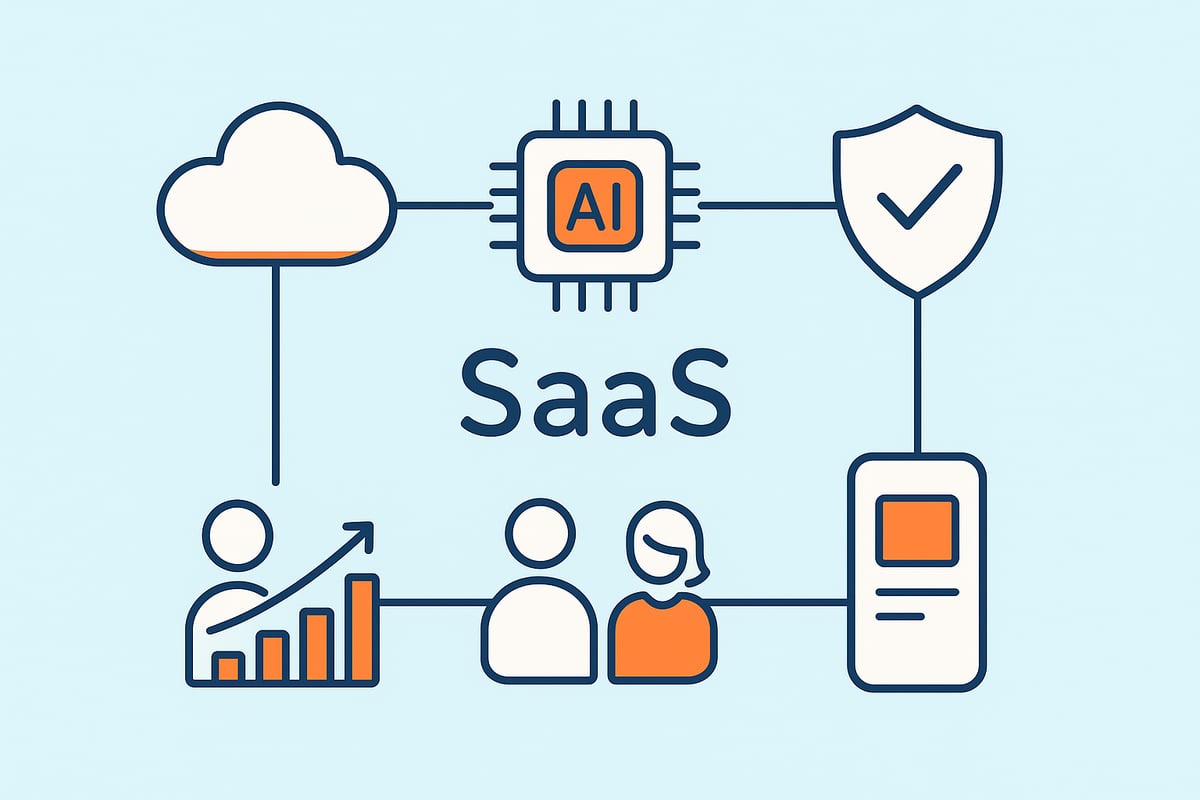
The SaaS landscape is evolving at record speed. Staying ahead requires not just creativity, but a deep understanding of the trends shaping tomorrow's most successful saas ideas. Let’s break down the forces driving innovation and growth in 2026.
The Rise of Vertical SaaS and Industry-Specific Solutions
Industry-focused solutions are outpacing horizontal platforms, and this trend is only accelerating. Vertical SaaS targets the unique needs of sectors like healthcare, legal, and real estate, offering tailored features and compliance capabilities. These niche-focused saas ideas command higher pricing and build deeper customer loyalty.
If you want to validate your vertical saas ideas, follow this Vertical SaaS validation steps guide to reduce market risk and maximize product-market fit. Companies that specialize see faster adoption, less churn, and greater word-of-mouth.
AI and Automation as Core Differentiators
AI is now a baseline expectation, not a bonus. Features like intelligent content optimization, predictive analytics, and chatbots help saas ideas stand out from the crowd. Automation handles repetitive tasks, freeing teams to focus on strategy and growth.
The AI Boom to Drive IT Spending in 2026 highlights how AI will fuel greater investment, making it essential for SaaS founders to embed smart automation from the start. Products that leverage AI experience higher retention and improved scalability.
The No-Code/Low-Code Revolution
No-code and low-code platforms are democratizing software development. These saas ideas empower non-technical users to create business tools, prototypes, and workflows, accelerating digital transformation across industries.
With platforms like Ninox and Bubble gaining traction, the barrier to entry for new SaaS products is lower than ever. This trend is enabling rapid experimentation and reducing time-to-market, especially for startups and SMBs.
Security, Compliance, and Privacy at the Forefront
Data privacy and security are top priorities for every SaaS customer. New regulations and high-profile breaches have made built-in compliance and robust security features a non-negotiable part of modern saas ideas.
SaaS products that offer GDPR, HIPAA, or industry-specific compliance controls are more attractive to businesses. Automated tools for privacy management and incident response also drive adoption and trust.
Subscription Models and Customer Retention
SaaS is synonymous with recurring revenue, but the real differentiator is smart retention strategies. Automated billing, dunning management, and advanced analytics help saas ideas reduce churn and increase lifetime value.
Personalized engagement and seamless onboarding experiences are now standard. Companies that build strong retention loops will outperform those that focus only on acquisition.
Community, Collaboration, and User-Centric Design
SaaS products that foster community and collaboration often enjoy powerful network effects. Volunteer platforms and creator tools are just a few examples of saas ideas that thrive on user engagement.
Intuitive interfaces and feedback-driven development help companies stay close to user needs. Simplicity, not feature bloat, wins customer loyalty and accelerates growth.
Data-Driven Decision Making and Validation
Continuous validation and data-driven iteration are critical to SaaS success. The best saas ideas are refined through real-world user feedback, rapid prototyping, and analytics.
Founders who embrace data-driven product strategies avoid costly missteps and deliver solutions the market truly needs. Leveraging validation resources and tools gives a significant competitive edge.
Summary Table: Key Trends for SaaS Ideas in 2026
| Trend | Impact on SaaS Ideas |
|---|---|
| Vertical SaaS & Industry Focus | Higher pricing, faster adoption |
| AI & Automation | Improved retention, scalability |
| No-Code/Low-Code | Lower entry barrier, faster launches |
| Security & Compliance | Increased trust, regulatory fit |
| Subscription & Retention | Predictable revenue, reduced churn |
| Community & User-Centric Design | Stronger loyalty, network effects |
| Data-Driven Validation | Better market fit, lower risk |