The SaaS landscape in 2026 is fiercely competitive, with new products launching daily and customer expectations constantly evolving. Navigating this environment requires more than just a great idea; it demands a robust product marketing saas approach.
Buyers expect seamless experiences and personalized value at every touchpoint. New marketing technologies are reshaping how companies connect with and retain users. The stakes have never been higher—effective product marketing saas is now essential not only for growth but for survival.
This guide will provide a comprehensive, actionable roadmap to help you master product marketing saas in 2026. You’ll discover the latest strategies, proven frameworks, and powerful tools to attract, engage, and retain customers in a rapidly changing market.
We’ll explore the modern SaaS product marketing landscape, highlight key differences from traditional marketing, walk through step-by-step strategy creation, share automation best practices, and showcase inspiring real-world examples.
Understanding SaaS Product Marketing in 2026
The world of product marketing saas is evolving rapidly, driven by changing user needs and new technology. In 2026, understanding what sets SaaS product marketing apart is essential for any company that wants to thrive. This section breaks down how the role of product marketing saas has changed, compares it to traditional product marketing, and highlights the biggest challenges and opportunities facing SaaS teams today.
The Evolving Role of Product Marketing in SaaS
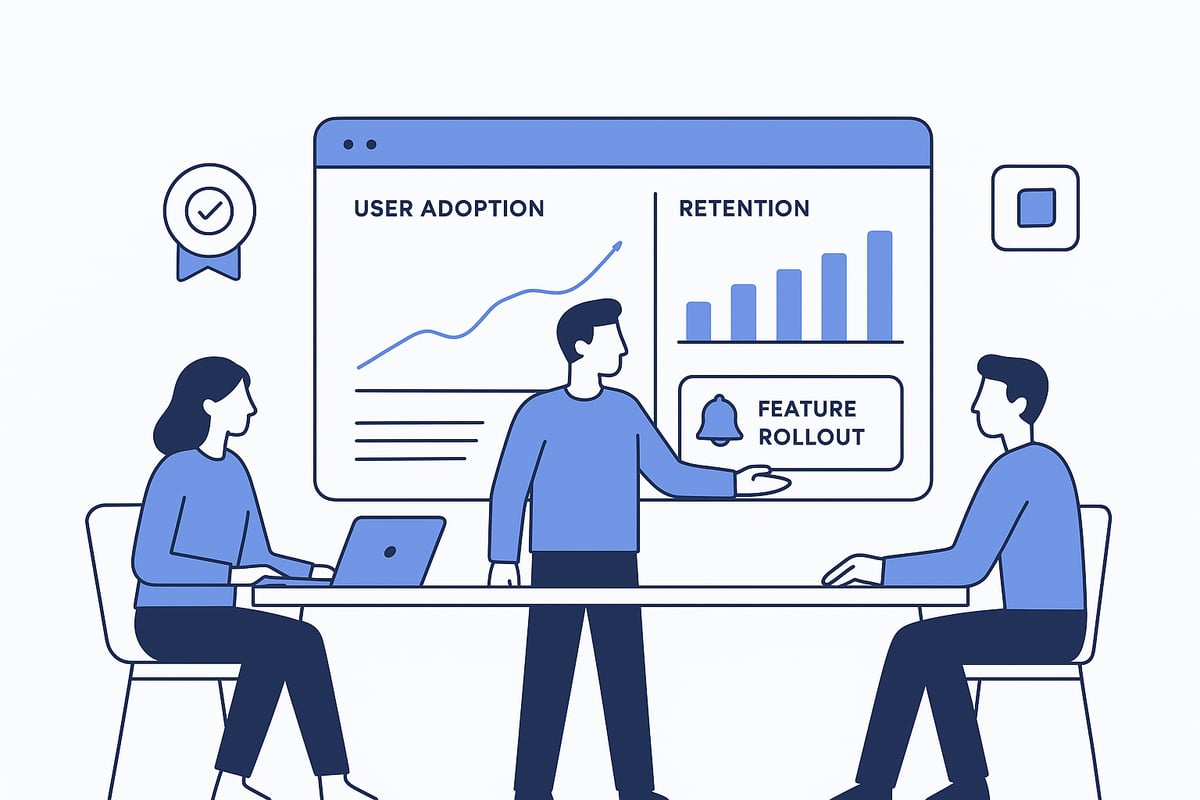
Product marketing saas is more than just launching new features. It is a strategic, ongoing process that ensures software products are positioned for adoption and retention. In SaaS, the work does not end at launch. Teams must continuously engage users and prove value every month so customers keep subscribing. This means product marketing saas sits at the intersection of product, marketing, and customer success.
Unlike traditional models, SaaS teams must adapt quickly to frequent product updates and feature rollouts. Product marketers collaborate closely with engineers and customer support to align messaging and user experience. The main focus is on user adoption, engagement, and revenue expansion, not just acquisition. For example, Zoom regularly announces new features and uses in-app prompts to encourage upsells and deeper usage.
A key part of this ongoing process is developing clear product concepts and messaging that communicate value as the product evolves. For a deeper understanding of how to build and refine your SaaS positioning, see the Guide to product concepts.
SaaS Product Marketing vs. Traditional Product Marketing
The approach to product marketing saas is fundamentally different from traditional product marketing. In SaaS, the customer lifecycle is extended, with ongoing communication required to drive retention and expansion. Subscription models mean revenue depends on delivering value month after month.
Traditional product marketing often centers on a single launch event and short-term campaigns. In contrast, SaaS marketers must update messaging frequently to reflect new features and use cases. The product itself is always evolving, and so is the way you market it.
Consider how Spotify keeps users engaged with personalized playlists, notifications, and new content, rather than relying on one-time launches. This ongoing cycle is essential for reducing churn and growing customer lifetime value. In product marketing saas, failure to adapt messaging and engagement strategies leads to higher churn and lost opportunities.
- SaaS emphasizes retention and expansion, not just acquisition.
- Continuous messaging updates are necessary.
- Subscription models require sustained value delivery.
Key Challenges and Opportunities in 2026
In 2026, product marketing saas teams face intense competition and market saturation. New SaaS products launch daily, making differentiation harder than ever. Customers expect seamless onboarding and highly personalized experiences from the very first interaction.
Data-driven decision-making is now a necessity. Teams use analytics and automation to optimize every stage of the user journey. Product-led growth, where the product itself drives acquisition and expansion, is gaining traction. Community-driven marketing is also rising, as users seek trusted recommendations and peer support.
AI and new marketing technologies are reshaping execution. Marketers must stay agile to leverage these tools for smarter segmentation and personalized campaigns. Despite the challenges, these shifts open the door to new growth opportunities for SaaS businesses that can adapt quickly and put users at the center of every strategy.
Building a Winning SaaS Product Marketing Strategy: Step-by-Step for 2026
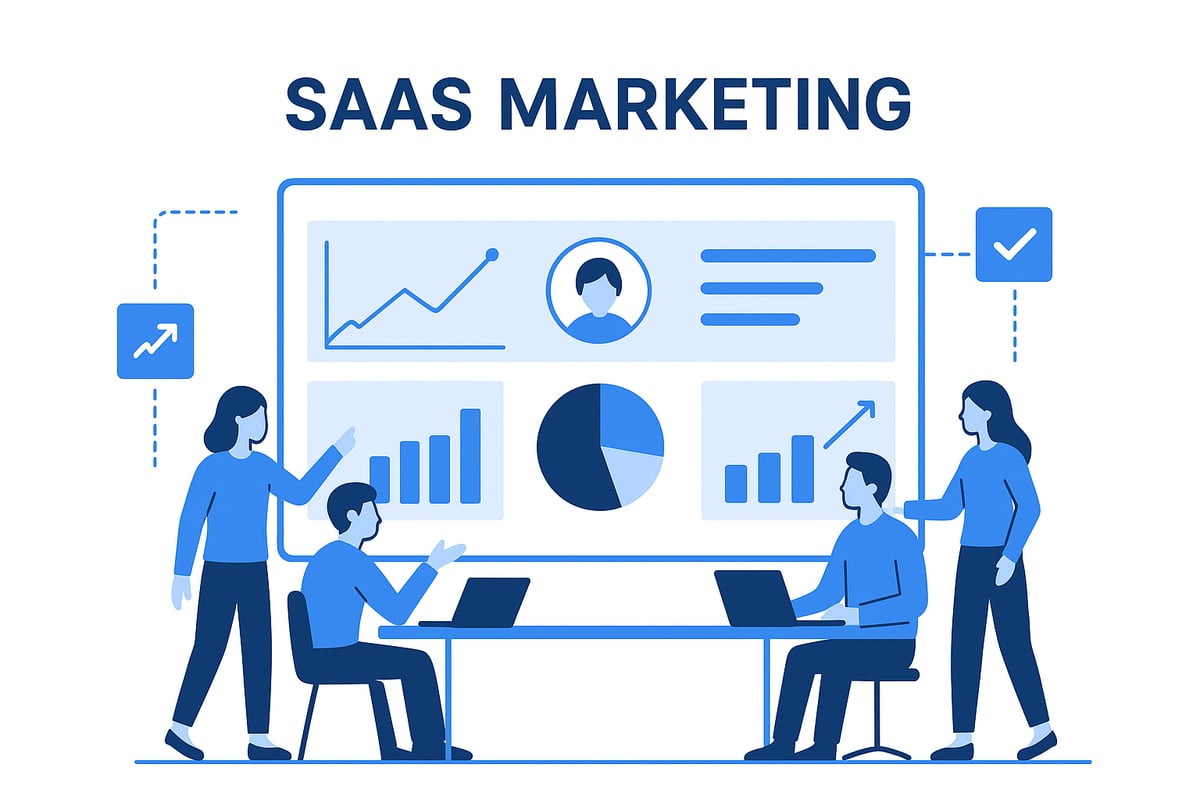
A robust product marketing saas strategy is the cornerstone of growth and customer retention in 2026. With competition at an all-time high, SaaS businesses need a clear, actionable roadmap to stand out and deliver ongoing value. This step-by-step guide will walk you through the essential stages of building a winning product marketing saas strategy.
Step 1: Conduct Competitive and Market Analysis
Kick off your product marketing saas strategy by deeply understanding the competitive landscape. Identify both direct and indirect competitors. Create a simple table to compare their strengths, weaknesses, pricing, and go-to-market tactics:
| Competitor | Strengths | Weaknesses | Pricing Model | UVP |
|---|---|---|---|---|
| A | Feature-rich | Complex onboarding | Tiered | Fast integrations |
| B | Low cost | Limited support | Freemium | Affordable solution |
Analyze customer reviews and feedback to spot unmet needs and opportunities. Look at competitor feature sets and unique value propositions to refine your own approach.
Regular competitive analysis helps you spot positioning gaps. For example, ClickUp differentiated in the crowded project management space by consolidating multiple tools into one, addressing a key user pain point.
Remember, product marketing saas strategies that adapt to market changes outperform those that do not. Companies conducting regular analysis see up to 30% improved positioning.
Step 2: Define Your Ideal Customer Persona (ICP)
A precise ICP is vital for effective product marketing saas campaigns. Segment your audience by industry, company size, pain points, and specific roles. Use both qualitative interviews and quantitative usage data to create a full picture.
Define the jobs-to-be-done (JTBD) for each persona. This ensures your solution addresses real, pressing problems. HubSpot’s expansion from SMBs to enterprises was driven by refining their ICPs through ongoing research.
For a deeper dive into persona creation, check out this guide on understanding your buyer persona.
A refined ICP boosts campaign ROI and reduces churn. When you know exactly who you are targeting, product marketing saas messaging becomes more resonant and effective.
Step 3: Craft Strategic Positioning and Messaging
Powerful positioning is the heart of product marketing saas. Develop a compelling narrative using frameworks like Andy Raskin’s “Promised Land.” Focus on how your SaaS transforms users’ workflows, not just on features.
Your messaging should clearly articulate how you solve major pain points. Slack, for example, positioned itself as the cure for “email overload,” not just another chat tool. Avoid long feature lists. Instead, highlight outcomes and transformation.
Consistency is key. Ensure your product marketing saas message is unified across your website, emails, in-app prompts, and sales materials. This builds trust and recognition at every touchpoint.
Step 4: Map the Customer Journey and User Lifecycle
Mapping the customer journey is essential for optimizing every stage of product marketing saas. Chart the path from awareness to consideration, trial, activation, adoption, retention, and expansion.
Identify key touchpoints and “moments of truth” that impact user decisions. For example, Notion found that users creating three or more pages in their first week were far more likely to become loyal customers.
Align your marketing tactics to each journey stage. Use onboarding flows, in-app guidance, and upsell prompts to move users forward. Companies that map customer journeys typically see a 20% increase in activation rates, a testament to the impact of this product marketing saas practice.
Step 5: Set Measurable Goals and KPIs
Clear goals and KPIs keep your product marketing saas strategy focused and accountable. Define objectives for acquisition, activation, retention, and expansion. Track metrics like CAC, MRR/ARR, activation rate, retention rate, churn, and NPS.
Use the table below to organize your KPIs:
| Goal | KPI | Benchmark |
|---|---|---|
| Acquisition | Customer acquisition cost (CAC) | <$200 |
| Activation | Activation rate | >35% |
| Retention | Churn rate | <5% monthly |
| Expansion | Net promoter score (NPS) | >40 |
Set benchmarks based on your historical data and industry standards. Regularly review your metrics to drive alignment and accelerate growth. Measurable product marketing saas goals ensure your entire team is moving in the same direction.
Step 6: Select and Prioritize Marketing Tactics & Channels
Choosing the right tactics is the final step in your product marketing saas strategy. Consider a mix of:
- SEO-driven content marketing: Blogs, case studies, and whitepapers
- Product-led growth: Freemium models, in-app onboarding, and referral programs
- Paid advertising: Google Ads, LinkedIn, and retargeting
- Partnerships: Joint webinars and co-marketing
- Community and advocacy: User groups and ambassador programs
Coda’s user-centric messaging and active community engagement set a high standard for SaaS brands. Test different tactics, double down on what works, and iterate regularly. This agile approach is at the core of successful product marketing saas execution in 2026.
Automation and Technology in SaaS Product Marketing
The competitive pace of the SaaS industry in 2026 demands more than creativity and intuition. For product marketing saas teams, automation is now essential for scaling campaigns and delivering consistent, personalized experiences to every user. As SaaS companies handle high sign-up volumes and rapid feature updates, leveraging automation ensures your marketing keeps pace with both product and customer needs.
Automation not only reduces manual workloads, but it also creates new opportunities for efficiency, consistency, and growth. By integrating advanced technology into your product marketing saas strategy, you can engage users at the right time, boost retention, and optimize every touchpoint across the customer journey.
The Role of Automation in Scaling SaaS Marketing
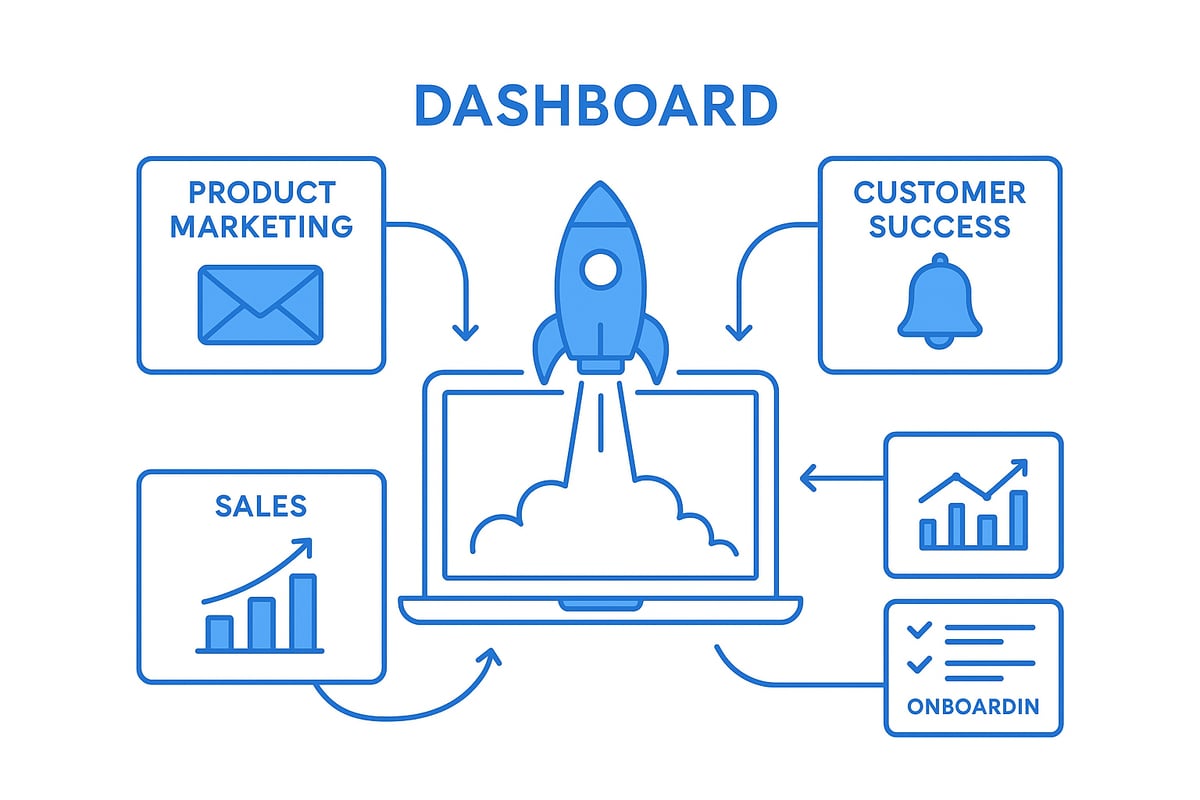
Marketing automation refers to using software to manage repetitive tasks such as onboarding emails, feature announcements, and audience segmentation. In the context of product marketing saas, automation is critical for handling the scale and complexity of ongoing customer engagement.
Why is this so important? SaaS brands must demonstrate value continuously, not just at sign-up. Automation helps deliver timely, relevant messages to users, ensuring no opportunity for engagement or upsell is missed.
Key benefits include:
- Increased efficiency: Automation frees teams from manual, repetitive work.
- Enhanced consistency: Every user receives the right message at the right moment.
- Improved user experience: Personalized communication boosts satisfaction and retention.
For example, automated onboarding sequences can guide new users through your product, increasing activation rates and setting the stage for long-term retention.
Building an Effective Automation Workflow
To maximize the impact of automation in product marketing saas, start by mapping the customer journey. Identify key stages—such as signup, activation, inactivity, and renewal—and assign automation triggers to each.
Automate essential tasks like:
- Sending welcome emails immediately after sign-up
- Delivering tutorial prompts based on user activity
- Nudging users to adopt new features
- Re-engaging inactive users with personalized campaigns
Behavior-based segmentation is vital for tailoring messages to different user segments. For instance, renewal reminders can be triggered only for accounts showing strong product engagement, making communications more relevant and effective.
According to industry data, automation can boost onboarding efficiency by up to 40 percent for product marketing saas teams. For further insights, review these marketing automation best practices for SaaS to ensure your workflows are both strategic and scalable.
Choosing the Right Tools and Integrations
Selecting the right technology stack is crucial to support your product marketing saas automation efforts. Look for tools that cover:
- Email automation and drip campaigns
- In-app messaging and onboarding
- Analytics and user behavior tracking
- Lead nurturing and CRM integration
Integration should be seamless, so your marketing automation works hand in hand with sales and product analytics platforms. For example, platforms like HubSpot offer robust automation features that sync with CRM data, allowing for a unified view of the user journey.
Test and optimize your automation flows regularly. A/B testing different messages, triggers, and timing helps refine your product marketing saas campaigns for maximum impact. Continuous improvement ensures your automation remains effective as both your product and customer expectations evolve.
Inspiring SaaS Product Marketing Examples and Best Practices
Real-world examples are the best way to understand how product marketing saas strategies drive results. By looking at how leading SaaS brands stand out, engage users, and foster loyalty, you can adapt proven tactics to your own roadmap. Each example below illustrates a unique approach to product marketing saas that any SaaS marketer can learn from.
Coda: Direct Messaging That Solves User Pain Points
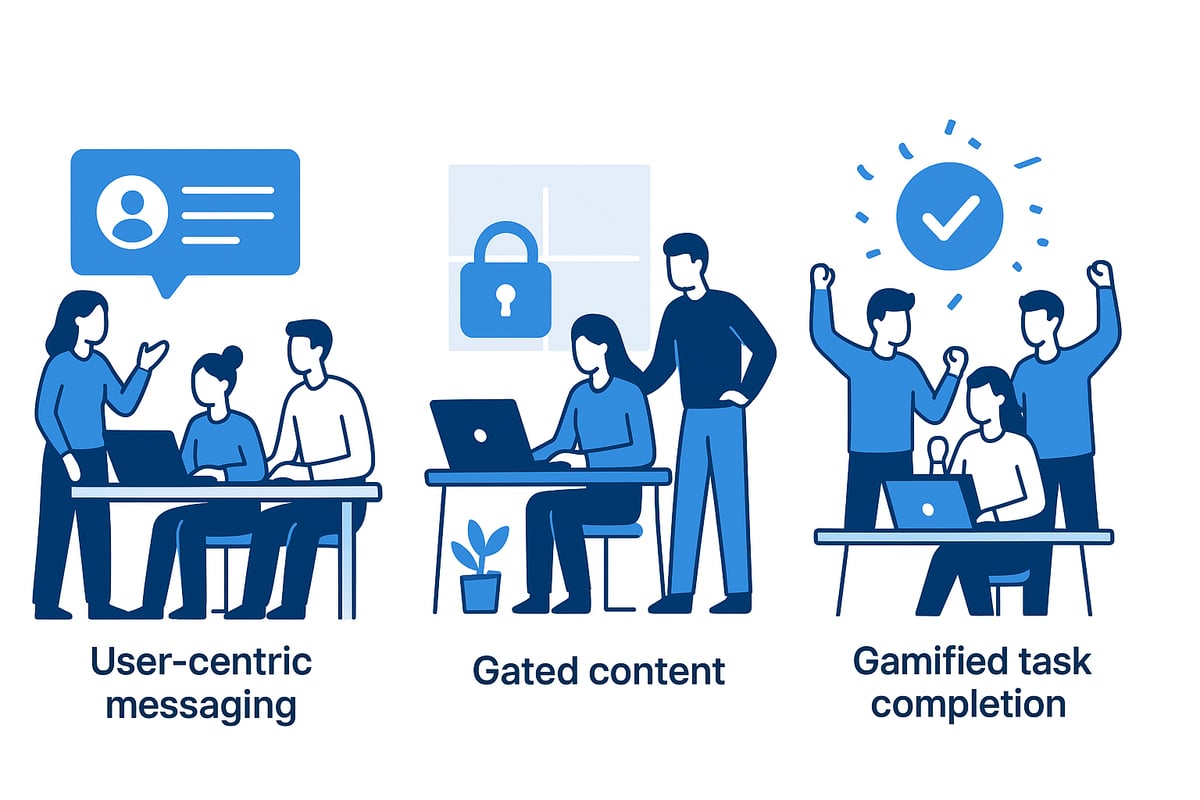
Coda’s approach to product marketing saas is refreshingly straightforward. Instead of overwhelming prospects with technical specs, Coda speaks directly to user needs. Their messaging focuses on relatable problems, like “Stop using scattered docs and spreadsheets,” which immediately resonates with busy professionals.
- Relatable messaging: Coda avoids jargon and connects with users’ real frustrations.
- Bold calls to action: Their CTAs invite curiosity and encourage immediate action.
- Brand personality: Humor and simplicity make the brand more approachable.
By consistently addressing pain points, Coda has increased engagement and trial signups. This demonstrates how effective product marketing saas is about clarity and empathy, not just features.
HubSpot: Leveraging Gated Content for Lead Generation
HubSpot is a leader in product marketing saas thanks to its innovative use of gated, value-driven content. Tools like “Make My Persona” attract leads by solving real marketing challenges. Visitors exchange their contact information for access, building a high-quality prospect pipeline.
- Interactive tools: HubSpot’s resources are both educational and actionable.
- Educational content: Blog posts and guides showcase product value while solving user problems.
- Lead qualification: Gated assets help qualify and segment leads for better follow-up.
This strategy aligns closely with Product-Led Growth (PLG) strategies, where value is delivered upfront and users are guided naturally toward paid solutions. HubSpot’s product marketing saas approach has set the standard for inbound lead generation and nurturing.
Asana: Gamifying the User Experience for Engagement
Asana takes product marketing saas to the next level by making task completion fun. Their platform rewards users with animated celebrations—like unicorns or narwhals—when tasks are checked off, transforming mundane workflows into moments of delight.
- In-app celebrations: Visual feedback encourages continued use and habit formation.
- Feature adoption: Gamification drives users to explore more product features.
- Reduced churn: Engaged users are less likely to abandon the platform.
Asana’s gamified approach to product marketing saas not only boosts engagement but also fosters long-term loyalty. This playful experience helps users form positive habits and makes onboarding memorable.
Key Takeaways from Top SaaS Brands
The most successful product marketing saas strategies share several traits:
- Consistent, user-focused messaging that prioritizes real needs.
- Content and community-driven tactics to build authority and foster engagement.
- Continuous onboarding and education to support retention and reduce churn.
- Data-driven iteration and automation for scalable, personalized experiences.
Community is also a growing force in SaaS. Brands that prioritize community-driven growth in SaaS are building trust and advocacy that extends beyond traditional marketing. By applying these product marketing saas best practices, your company can attract, engage, and retain customers in a competitive landscape.
The Future of SaaS Product Marketing: Trends and Predictions for 2026
As 2026 approaches, the future of product marketing saas is being shaped by rapid technological advances and evolving customer expectations. SaaS companies face a new era, where agility, data-driven decisions, and relentless focus on user value are critical for survival and growth.
AI-Driven Personalization and Automation
AI will redefine product marketing saas by powering hyper-personalized messaging, onboarding flows, and lifecycle campaigns. Marketers will leverage machine learning to analyze user behavior and deliver the right content at the ideal moment. This shift enables companies to increase engagement and retention, while reducing manual effort.
For a deeper look at this topic, see this resource on AI-driven personalization in SaaS marketing, which explores how AI is transforming the way SaaS brands interact with users.
Rise of Product-Led Growth and Self-Serve Experiences
The product itself becomes the primary marketing channel. In product marketing saas, seamless self-serve onboarding, in-app tutorials, and frictionless upgrades will be essential. Users expect to discover value quickly, without waiting for sales teams. Companies that optimize for product-led growth will see faster adoption and higher lifetime value.
Community, Advocacy, and First-Party Data
Building user communities and advocacy programs will be key levers for organic growth. As privacy regulations tighten, product marketing saas must rely more on first-party data to personalize experiences and measure success. Engaged communities help drive referrals, feedback, and brand loyalty.
Real-Time Analytics and Team Integration
The future will demand real-time product analytics for instant feedback on campaigns and feature launches. Product marketing saas teams will blend with product management and customer success, creating unified strategies. This integration ensures messaging, onboarding, and support are always aligned with evolving user needs.
Summary Table: Key Trends Shaping 2026
| Trend | Impact on Product Marketing SaaS |
|---|---|
| AI-driven personalization | Hyper-personalized campaigns, improved retention |
| Product-led growth | Faster onboarding, self-serve adoption |
| Community and advocacy | Increased loyalty, organic referrals |
| First-party data focus | Privacy compliance, better targeting |
| Real-time analytics | Quick optimization, agile decision-making |
| Team integration | Unified user experience, reduced silos |
Looking Ahead: Agility and User-Centricity Define Success
SaaS brands that embrace these trends will outpace competitors in acquisition, retention, and expansion. The future of product marketing saas is about rapid adaptation, deep user understanding, and delivering value at every touchpoint. In 2026, the winners will be those who make their users the heart of every decision.