
The world of business is transforming at an unprecedented pace, driven by the rapid adoption of SaaS solutions. By 2026, organizations leveraging the right saas offerings will hold a clear advantage in the digital-first economy.
Over the past decade, saas offerings have evolved from simple productivity tools into sophisticated, AI-powered platforms that completely redefine workflows. This shift enables companies of all sizes to innovate, scale, and compete more effectively.
Staying ahead means choosing a forward-thinking saas stack. In this article, discover nine essential saas offerings set to reshape the future of business, delivering greater productivity, scalability, and innovation.
The SaaS Revolution: Why 2026 Is a Turning Point
The world of saas offerings has changed dramatically in the last decade. Businesses everywhere are moving to cloud-based solutions, seeking tools that adapt quickly to their needs. By 2026, the pace of this revolution will define which organizations lead and which fall behind. Understanding why this shift matters is essential for anyone looking to harness the full power of modern saas offerings.
The Evolution of SaaS in the Last Decade
Since 2016, saas offerings have evolved from simple, single-purpose tools to complex, integrated platforms powered by AI and automation. Cloud adoption rates have soared, enabling teams to collaborate from anywhere in the world. According to Gartner, the global SaaS market is projected to reach $232 billion by 2026. This growth is fueled by companies abandoning legacy software for flexible, subscription-based solutions that scale as they grow.
The transition is more than just technological. Organizations now expect seamless integration, continuous updates, and a user-friendly experience. For a deeper dive into recent market trends and forecasts, visit SaaS market statistics and trends.
Key Drivers Behind SaaS Transformation
Several key factors are driving the transformation of saas offerings:
- Demand for greater flexibility and scalability, especially during uncertain economic times.
- The rise of remote and hybrid work models, requiring cloud-first solutions.
- Advances in data security, privacy, and regulatory compliance.
- Integration of AI, machine learning, and automation into everyday business tools.
These drivers empower businesses to respond faster to market changes and customer needs. As a result, saas offerings are now essential components in the digital strategies of organizations across all sectors.
Impact on Various Industries
Saas offerings are reshaping industries like healthcare, finance, retail, and education. For example, retailers now use SaaS-powered analytics to manage inventory in real time, reducing costs and preventing stockouts. In healthcare, cloud-based platforms streamline patient data management and telemedicine services.
Here’s a snapshot of daily SaaS usage:
| Industry | Common SaaS Uses | Average Apps/Day |
|---|---|---|
| Retail | Analytics, CRM, eCommerce | 7 |
| Healthcare | EHR, scheduling, billing | 6 |
| Finance | Compliance, reporting | 5 |
| Education | LMS, collaboration | 5 |
According to BetterCloud (2024), 78% of enterprises now use at least five saas offerings daily, highlighting their central role in modern business operations.
Challenges and Opportunities for Businesses
With the rapid adoption of saas offerings, businesses face new challenges:
- Managing multiple subscriptions and vendor relationships
- Ensuring data portability and avoiding vendor lock-in
- Balancing security, compliance, and ease of use
However, these challenges create opportunities. Companies that integrate their saas offerings effectively can boost collaboration, accelerate innovation, and reduce upfront technology costs. The organizations that master this landscape will be best positioned for success in 2026 and beyond.
9 Essential SaaS Offerings Transforming Businesses in 2026
Selecting the right saas offerings is critical for any organization aiming to lead in 2026. From project management to customer engagement, these platforms are redefining how teams operate, collaborate, and grow. Below, we explore the nine most impactful saas offerings transforming the business landscape, highlighting their features, pricing, and ideal use cases.
Monday.com
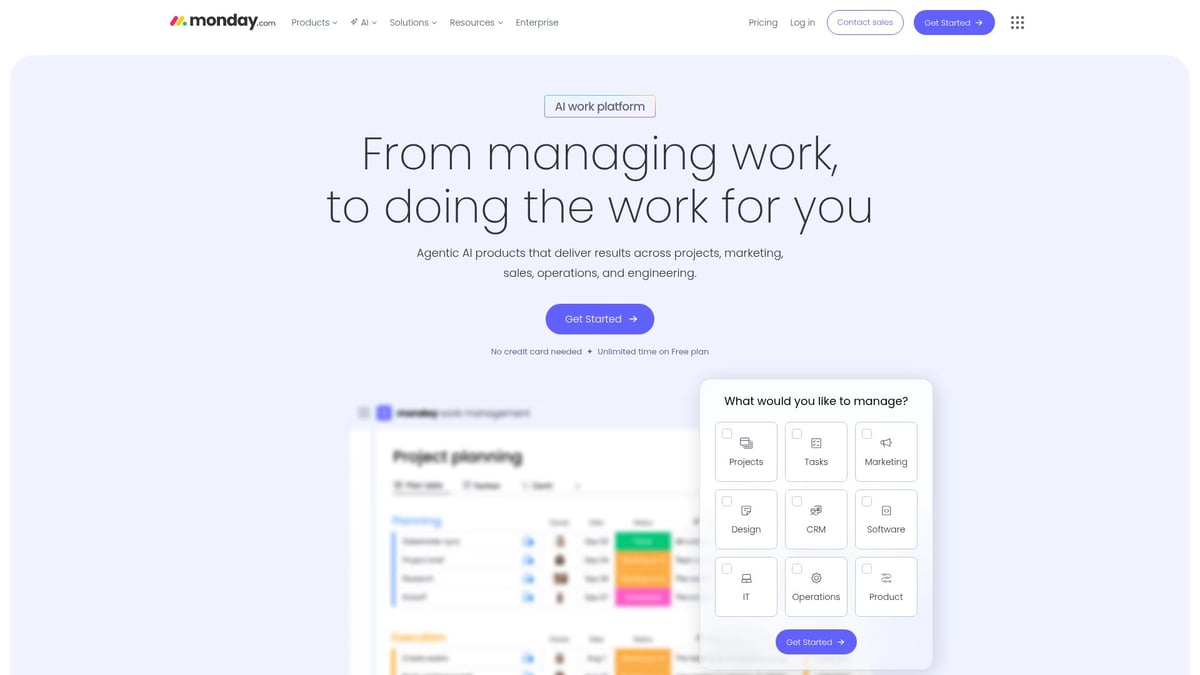
Monday.com is a powerhouse among saas offerings for project management. It offers a flexible platform with four main pricing tiers: Basic, Standard, Pro, and Enterprise, starting at $8 per user each month. Teams can build customizable workflows, automate repetitive tasks, and track projects from start to finish.
Key features include:
- Visual project timelines and dashboards
- Pre-built templates for marketing, sales, and operations
- Integrations with Slack, Microsoft Teams, Google Drive, and more
Monday.com’s intuitive interface makes onboarding simple, even for non-technical users. Automation options boost efficiency by eliminating manual steps. These saas offerings help teams stay aligned, meet deadlines, and maintain accountability.
Ideal for: Project managers, marketing teams, agencies, and SMBs.
Pros:
- Intuitive interface
- Robust workflow automation
Cons:
- Can be expensive for larger teams
- Some advanced features require higher tiers
Monday.com stands out among modern saas offerings by combining project clarity with automation, making it a core part of any forward-thinking tech stack.
HubSpot
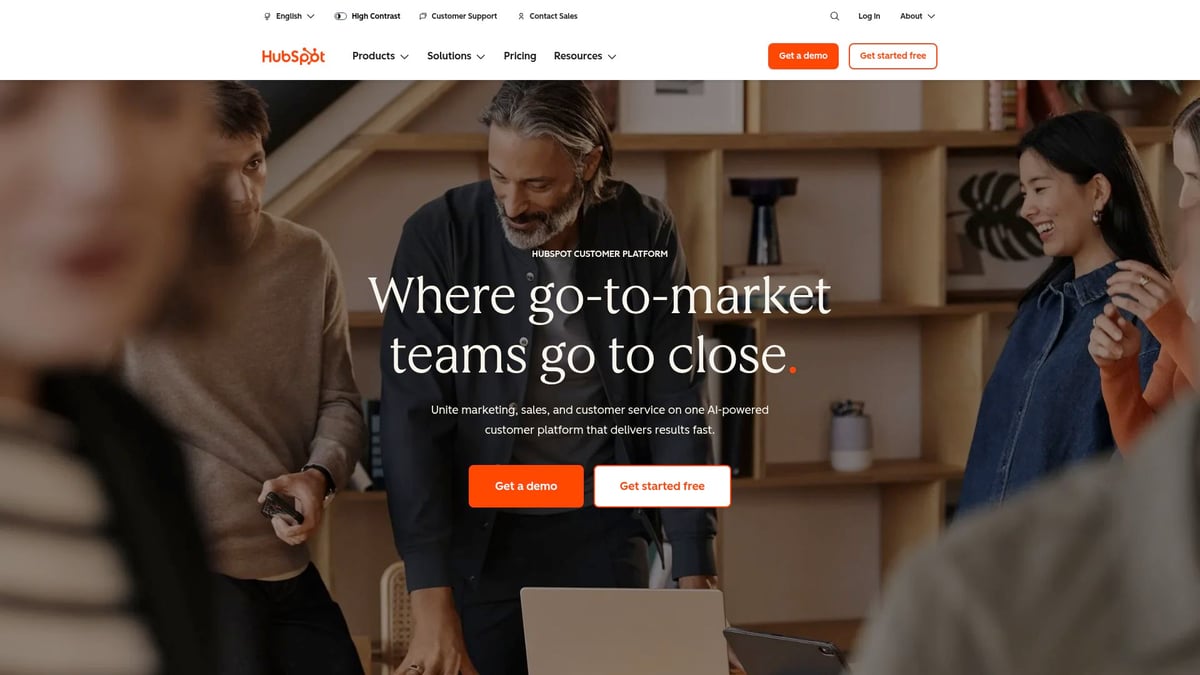
HubSpot is a leader in integrated saas offerings for marketing, sales, and customer service. Its pricing begins with a free CRM, while advanced Marketing, Sales, and Service Hubs start at $45 per month. HubSpot’s all-in-one platform covers everything from lead capture to analytics.
Key features:
- Unified CRM with contact management
- Marketing automation and email campaign tools
- Sales pipeline tracking and reporting
- Customer support ticketing
HubSpot’s strengths lie in its vast integration ecosystem and user-friendly onboarding. These saas offerings enable seamless collaboration between sales and marketing teams, ensuring no opportunity slips through the cracks.
Target audience: SMBs and mid-market companies seeking unified tools.
Pros:
- Generous free tier
- Excellent onboarding and support
Cons:
- Advanced features can become costly as needs scale
For businesses aiming to streamline customer journeys, HubSpot’s suite of saas offerings delivers simplicity and measurable growth.
SaaS Validation
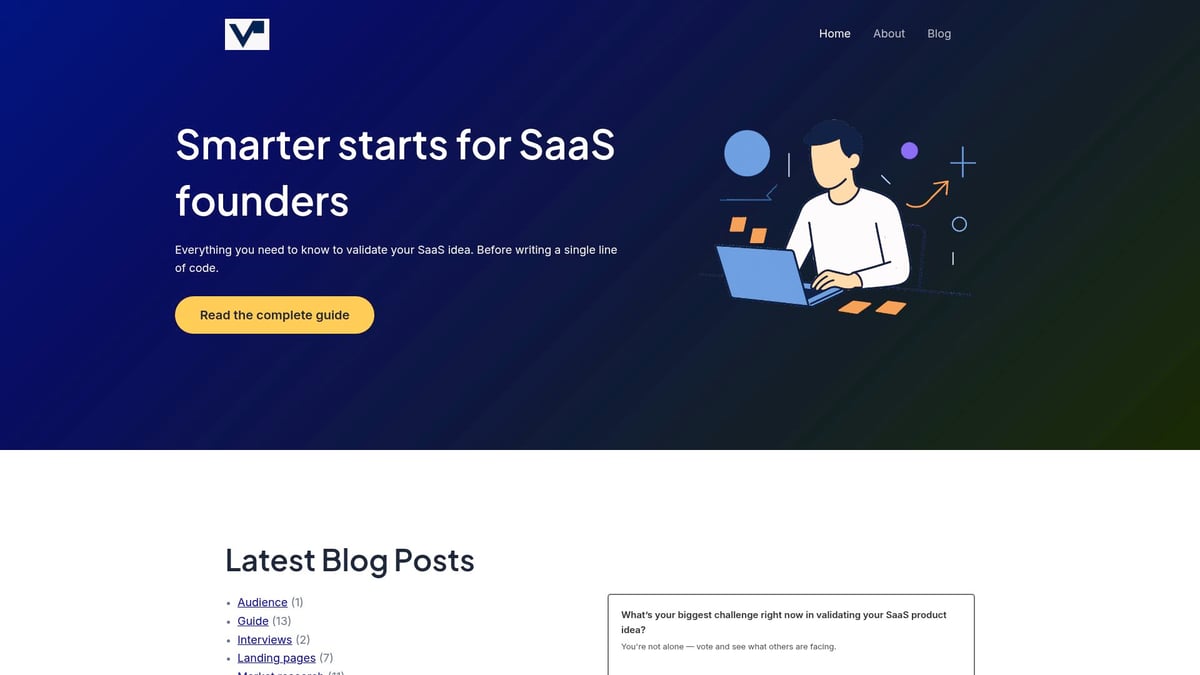
SaaS Validation is a unique player among saas offerings, serving as a comprehensive resource hub for founders and early-stage startups. The platform provides free access to in-depth validation guides, expert blog content, and curated industry insights. Its goal is to help new ventures reduce risk and achieve product-market fit before development begins.
Core features include:
- End-to-end SaaS idea validation process
- Community engagement and founder-centric support
- Up-to-date industry recommendations
For those exploring new saas offerings, SaaS Validation is invaluable. It empowers founders to make informed decisions, minimizing costly missteps. For actionable guidance on refining your SaaS concept, explore their SaaS validation strategies for founders.
Ideal for: Aspiring founders, product managers, tech innovators.
Pros:
- No cost for access
- Comprehensive, up-to-date advice
Cons:
- Not a direct SaaS platform
- No explicit paid tools
SaaS Validation’s content-driven approach sets it apart from other saas offerings, focusing on education and risk reduction.
Salesforce
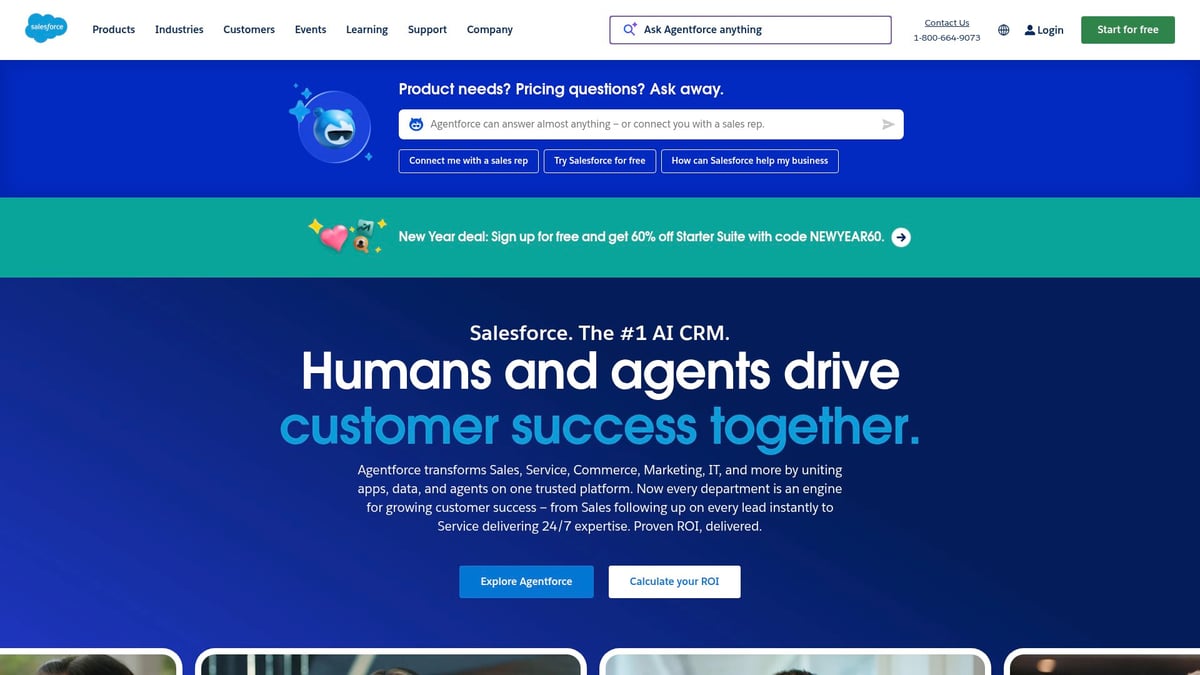
Salesforce remains a benchmark among enterprise saas offerings, providing a robust CRM solution with deep customization and powerful automation. Pricing starts at $25 per user per month for the Essentials plan, scaling up for larger enterprises.
Key features:
- Sales and pipeline automation
- Customer service management
- AI-driven analytics and forecasting
- AppExchange marketplace for add-ons
Salesforce’s scalability and integration capabilities make it suitable for organizations of all sizes. Security and compliance features are particularly strong, meeting the needs of regulated industries.
Target audience: Enterprises, sales and support teams.
Pros:
- Highly customizable and scalable
- Extensive integration options
Cons:
- Steep learning curve
- Higher costs for advanced customization
Among all saas offerings, Salesforce is synonymous with enterprise growth and customer-centric innovation.
Slack
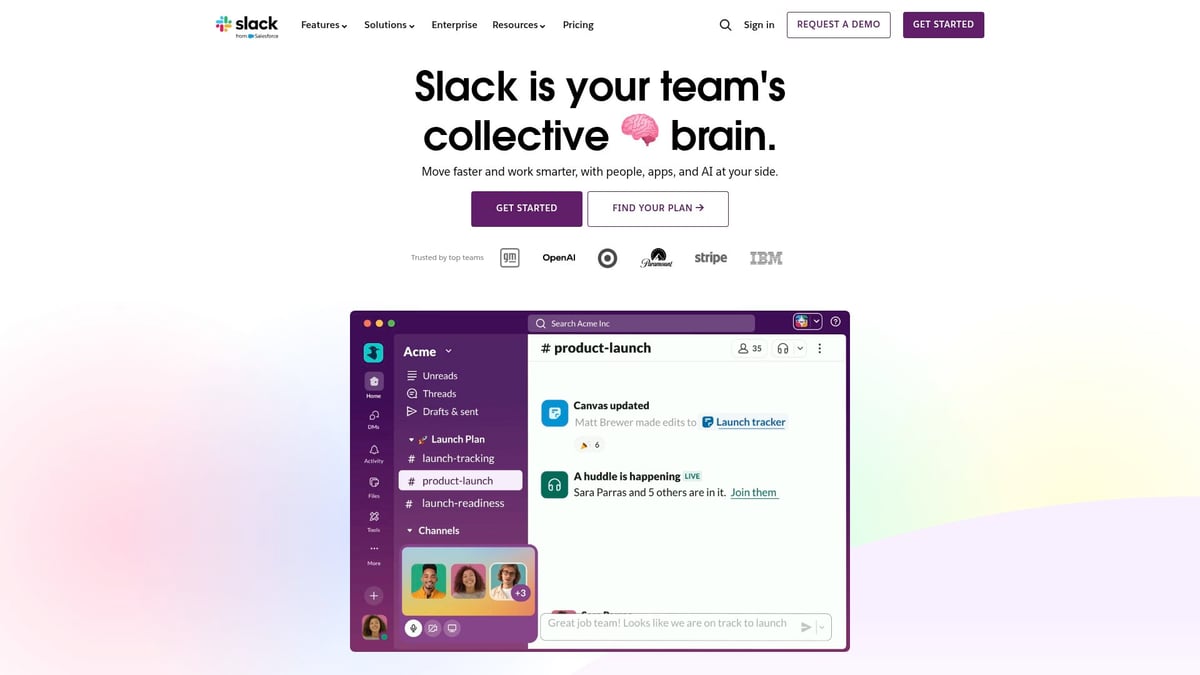
Slack has redefined workplace communication through its dynamic saas offerings. With a free tier and paid plans from $7.25 per user per month, Slack fits teams large and small.
Core features:
- Real-time messaging and organized channels
- Video calls and huddles
- Workflow automation and bots
- Integrations with Google Workspace, Trello, and more
Slack enables seamless collaboration, especially for remote and hybrid teams. Its user-friendly design encourages high adoption, while integrations keep conversations connected to business workflows.
Target audience: Any business size, especially distributed teams.
Pros:
- Robust integrations
- Easy to use
Cons:
- Notification overload possible
- Can get chaotic without structure
Slack’s saas offerings help foster a collaborative culture, ensuring teams remain in sync regardless of location.
Shopify
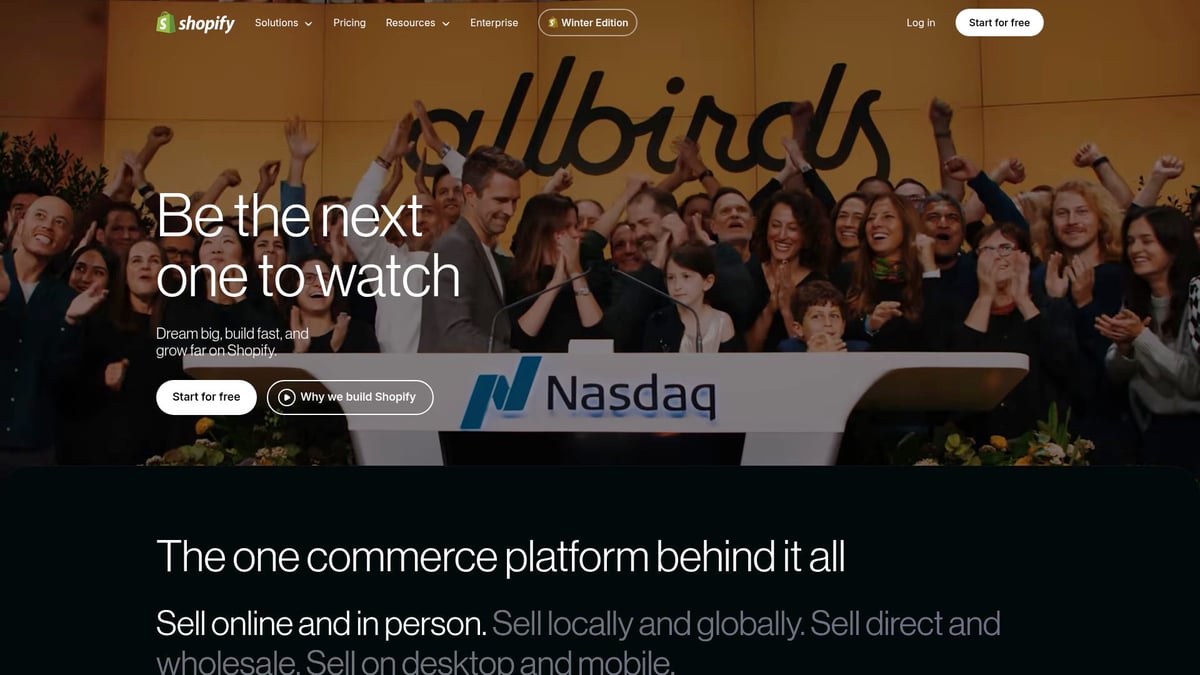
Shopify is a leading e-commerce solution among saas offerings, designed for businesses of all sizes. Plans start at $39 per month for the Basic package, with Shopify and Advanced tiers scaling up to $399 per month.
Key features:
- Online store builder with drag-and-drop tools
- Secure payment processing
- Inventory and order management
- Omnichannel sales (online, in-store, social media)
Shopify’s quick setup and extensive app ecosystem allow businesses to launch and scale rapidly. These saas offerings are ideal for startups and established retailers alike.
Ideal for: E-commerce startups, DTC brands, retailers expanding online.
Pros:
- Easy to launch and manage
- Strong customer support
Cons:
- Transaction fees if not using Shopify Payments
- Limited customization on lower plans
Shopify stands out among saas offerings for its versatility and growth potential in digital commerce.
Notion
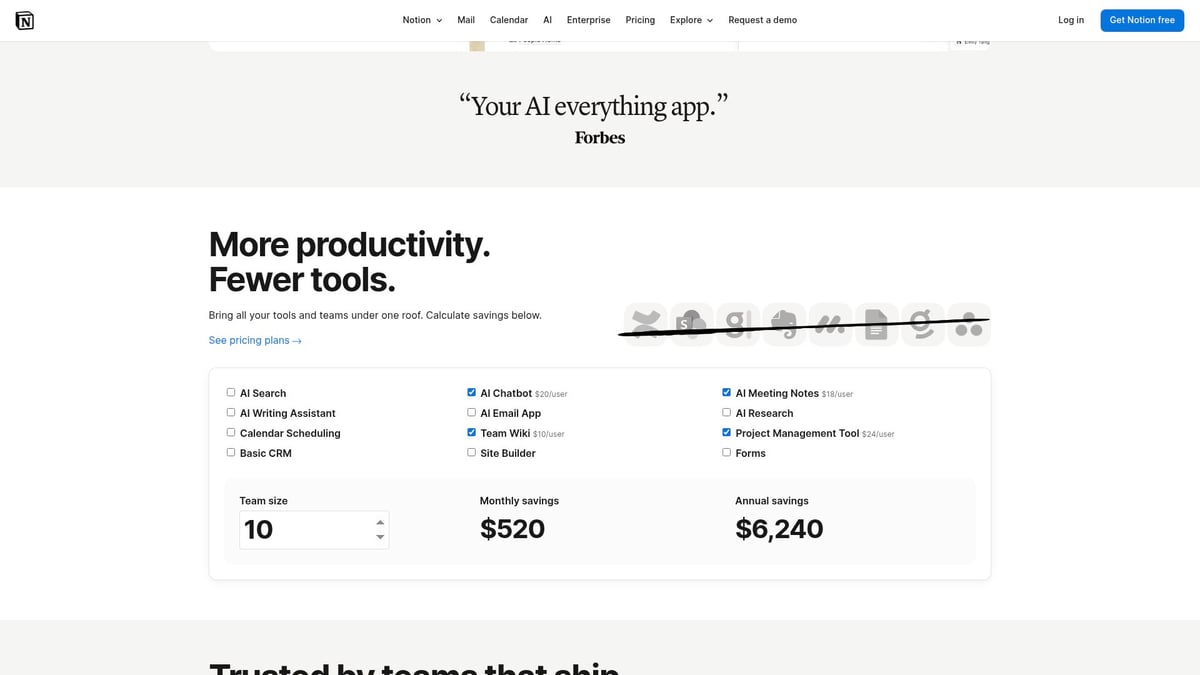
Notion is a flexible workspace platform, making it one of the most adaptable saas offerings for teams and individuals. It is free for personal use, with a Team plan at $8 per user per month.
Core features:
- Notes, wikis, and document management
- Database creation and project tracking
- AI-powered assistant for content and organization
Notion enables teams to centralize information, manage projects, and replace multiple productivity tools. Its flexibility is a key advantage, though new users may need time to unlock its full potential.
Target audience: Startups, agencies, creative teams, educators.
Pros:
- Highly customizable and collaborative
- Replaces multiple tools
Cons:
- Learning curve for beginners
- Occasional performance lags with large databases
Notion’s saas offerings are transforming the way knowledge and projects are managed, driving productivity across industries.
Zoom
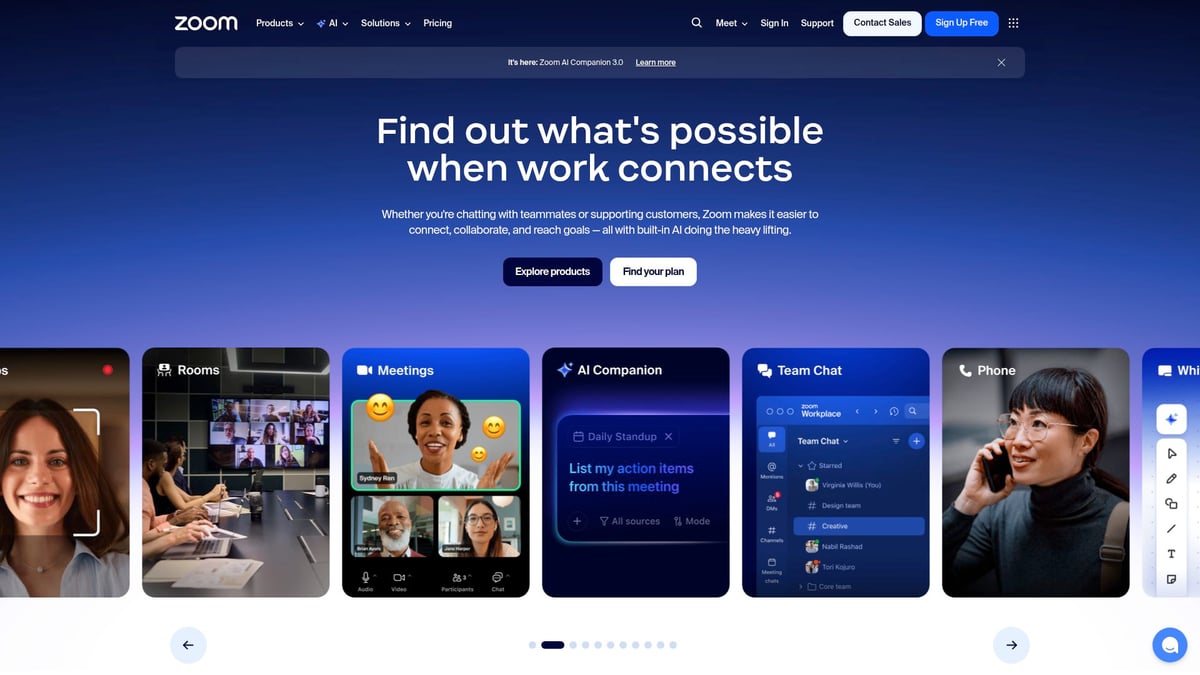
Zoom remains at the forefront of video communication saas offerings. With a free basic plan, Pro at $14.99 per user per month, and Business at $19.99, Zoom serves everyone from small teams to global enterprises.
Key features:
- HD video meetings and webinars
- Breakout rooms for group collaboration
- Chat and file sharing
- Integrations with calendars and productivity suites
Zoom’s reliability and ease of use have made it a staple for remote work and virtual events. Its scalability supports organizations as they grow and diversify.
Ideal for: Remote teams, educators, event organizers.
Pros:
- High-quality video and audio
- Simple scheduling and joining
Cons:
- Security concerns (improving steadily)
- Free plan feature limitations
Zoom’s saas offerings are essential in today’s connected world, helping teams communicate and collaborate without boundaries.
Zendesk
Zendesk delivers a robust customer support platform among saas offerings, starting at $49 per agent per month for the Suite Team plan.
Core features:
- Omnichannel ticketing and support
- AI-powered chatbots and automation
- Knowledge base creation
- Advanced analytics for support optimization
Zendesk streamlines customer service operations, reducing response times and improving satisfaction. Its scalable design fits startups and enterprises alike.
Target audience: Support teams, SaaS companies, e-commerce businesses.
Pros:
- Intuitive, modern interface
- Scalable for growing teams
Cons:
- Higher cost for advanced automation
- Some setup learning required
Zendesk’s saas offerings empower businesses to deliver fast, high-quality support, building lasting customer relationships.
Integrating SaaS Offerings for Maximum Impact
Integrating saas offerings is crucial for organizations aiming to maximize efficiency, collaboration, and scalability. When tools work in harmony, teams experience fewer bottlenecks and can focus on innovation. Let us explore how building a connected ecosystem, overcoming data silos, following best practices, and measuring ROI drive the value of modern saas offerings.
Building a Connected SaaS Ecosystem
The modern business landscape thrives on interoperability. Integrating saas offerings allows organizations to automate routine tasks, sync data, and foster seamless collaboration across departments. For example, syncing a CRM with project management and communication platforms creates a unified workflow, eliminating manual updates and reducing errors.
A recent report found companies using integrated saas offerings saw a 25% boost in productivity, highlighting the tangible benefits of a connected ecosystem. As the global SaaS market is projected to reach $1.25 trillion by 2034, the demand for integration will only increase. By choosing solutions with native APIs or leveraging middleware, businesses can ensure their tools communicate efficiently.
| Integration Benefit | Impact on Business |
|---|---|
| Automated Workflows | Faster task completion |
| Unified Data Access | Better decision-making |
| Reduced Manual Entry | Lower error rates |
| Enhanced Collaboration | Higher productivity |
The right mix of interconnected saas offerings ensures teams spend less time switching between apps and more time driving results.
Overcoming Integration and Data Silos
Despite the advantages, integrating multiple saas offerings presents challenges. Data silos often emerge when platforms do not share information freely, leading to duplication and inconsistent records. These silos hinder collaboration and slow decision-making.
To address these issues, businesses deploy middleware solutions, single sign-on (SSO), and dedicated data connectors. Middleware acts as a bridge, transferring data between saas offerings without manual intervention. SSO simplifies user access, while connectors automate synchronization.
AI-driven integrations are also transforming how companies manage data across platforms. For an in-depth look at these advancements, see how AI in SaaS innovation is enabling smarter, more adaptive integrations. Overcoming silos not only streamlines workflows but also unlocks the full potential of interconnected saas offerings.
Best Practices for SaaS Implementation
A thoughtful approach to implementing saas offerings ensures long-term success. Start by evaluating business needs, considering which tools genuinely solve pain points. Pilot testing with a small group allows teams to identify issues before a full rollout.
Phased implementation is recommended, introducing new saas offerings gradually so users can adapt at their own pace. Ongoing training is essential, empowering staff to leverage advanced features and integrations. Regular feedback sessions help refine processes and address emerging challenges.
Checklist for successful implementation:
- Assess organizational needs
- Pilot test with key users
- Roll out in phases
- Provide training and support
- Gather continuous feedback
By following these best practices, companies maximize the value of their saas offerings and ensure smooth adoption.
Measuring ROI and Success Metrics
Measuring the return on investment for saas offerings is vital to justify spend and guide future decisions. Key performance indicators include cost savings, productivity gains, and employee satisfaction. Tracking these metrics helps organizations understand which tools deliver the highest value.
Specialized analytics platforms can monitor usage patterns and highlight underutilized features. Periodic reviews ensure that saas offerings align with evolving business goals. Regularly assessing ROI enables companies to optimize their stack, eliminate redundancies, and invest in solutions that drive measurable results.
With the right measurement tools, organizations can clearly demonstrate the impact of their integrated saas offerings and make informed decisions for future growth.
Future Trends in SaaS: What to Expect Beyond 2026
The future of saas offerings is set to redefine how organizations operate and compete. As we look beyond 2026, several transformative trends are shaping the evolution of cloud-based platforms. These changes promise even greater agility, intelligence, and industry alignment for businesses worldwide.
Rise of AI-Driven SaaS Solutions
AI is rapidly becoming the backbone of modern saas offerings. Predictive analytics, smart automation, and personalized user experiences are now standard features in leading platforms. Businesses leverage AI-powered chatbots, workflow automation, and advanced data insights to streamline processes and enhance decision-making. According to AI-driven SaaS solutions expanding rapidly, the integration of machine learning will only intensify, helping companies unlock new levels of competitive advantage and efficiency. As AI matures, expect even more intelligent, adaptive, and proactive SaaS tools.
Vertical SaaS and Industry-Specific Solutions
A major trend is the shift from generic platforms to vertical saas offerings tailored for specific industries. Healthcare, legal, logistics, and education sectors now benefit from specialized features and compliance tools unique to their needs. This focus delivers deeper functionality, faster onboarding, and greater regulatory alignment. For founders exploring this path, resources like the Vertical SaaS validation steps guide can be invaluable. Ultimately, industry-specific solutions help organizations maximize value and accelerate growth within their niche.
Enhanced Data Security and Compliance
With privacy regulations tightening worldwide, data security remains a top priority for all saas offerings. Vendors are investing in advanced encryption, robust access controls, and integrated compliance frameworks. Tools are designed to meet standards such as GDPR and CCPA, giving businesses confidence to manage sensitive information in the cloud. Enhanced monitoring and rapid incident response further mitigate risk. As security demands grow, SaaS providers will continue to prioritize transparency and trust.
Subscription Model Innovations
The way organizations buy and use saas offerings is evolving. Flexible pricing structures, usage-based billing, and hybrid subscription models are becoming the norm. This flexibility allows businesses to scale their investments up or down based on real-time needs, improving cost efficiency and satisfaction. Vendors are also experimenting with value-based pricing and tiered features to better match customer requirements. These innovations support long-term relationships and boost retention.
Expanding SaaS Ecosystem and Marketplace
The ecosystem surrounding saas offerings is expanding rapidly. SaaS marketplaces make it easier for companies to discover, evaluate, and integrate new tools. Community-driven app development and plug-ins foster innovation and collaboration. As a result, businesses can assemble best-in-class solutions tailored to their unique workflows. This interconnected environment reduces friction and accelerates digital transformation across industries.
Decentralization and Edge Computing in SaaS
Decentralized platforms and edge computing are emerging as powerful trends within saas offerings. By leveraging blockchain and distributed infrastructure, SaaS can offer greater privacy, lower latency, and innovative business models. Edge computing enables real-time data processing closer to the source, benefiting industries that require instant decision-making. These advancements hold promise for future-ready organizations seeking agility and resilience.