
The SaaS industry is on the verge of a significant transformation, with forecasts predicting remarkable growth and innovation by 2026. As businesses and individuals seek smarter solutions, saas product companies are stepping up to meet evolving demands with speed and creativity.
This article shines a spotlight on nine standout saas product companies that are redefining the landscape. You will discover each company’s pricing, core features, target users, and unique benefits, along with insights on what makes them essential to watch in 2026.
Get ready to explore the future of SaaS, uncover key trends, and identify the innovators who could shape your business success in the coming years.
The Future of SaaS: Key Trends Shaping 2026
The landscape for saas product companies is evolving rapidly, with 2026 set to be a transformative year for the industry. Gartner projects the global SaaS market will reach $232 billion by 2026, and 70% of enterprises will rely on SaaS platforms for their most business-critical applications. This explosive growth is driven by a series of powerful trends reshaping how organizations select, deploy, and benefit from software.
AI and Automation Take Center Stage
Artificial intelligence and automation are now at the heart of modern saas product companies. Platforms increasingly use machine learning to power smarter workflows, automate repetitive tasks, and personalize user experiences. This shift boosts productivity and allows businesses to focus on strategy instead of manual operations.
Automation also enables advanced features like predictive analytics, intelligent chatbots, and real-time data insights. As AI becomes more accessible, even smaller teams can leverage complex tools that were once reserved for enterprises.
Subscription Models Get Smarter
The traditional subscription model is transforming, with usage-based and hybrid pricing gaining traction among saas product companies. Customers now expect flexibility, paying only for what they use or mixing features to fit their needs. This approach aligns costs more closely with value delivered, making SaaS adoption more attractive for startups and large organizations alike.
Transparent, scalable pricing models are becoming a key differentiator as competition intensifies. Companies that can offer clear ROI and adapt to customer growth will stand out in the crowded SaaS market.
Vertical SaaS and Industry Focus
A significant trend is the rise of vertical SaaS, where saas product companies tailor solutions for specific industries such as healthcare, finance, or logistics. This specialized approach helps businesses address unique regulatory, workflow, and integration challenges within their sector.
Vertical SaaS platforms deliver deeper value by offering industry-specific templates, compliance features, and integrations that horizontal solutions cannot match. As more sectors embrace digital transformation, the demand for tailored SaaS offerings continues to climb. For more detailed market insights, see these SaaS market statistics.
Security, Compliance, and Trust
With stricter regulations and growing concerns over data privacy, saas product companies are prioritizing security and compliance like never before. Enhanced encryption, multi-factor authentication, and audit-ready reporting are now baseline requirements for SaaS buyers.
Vendors that demonstrate robust security practices and transparent data handling will build trust with customers, especially as sensitive business operations migrate to the cloud.
No-Code/Low-Code Empowerment
No-code and low-code platforms are democratizing software creation, allowing non-technical users to build custom workflows and applications. This trend empowers teams across all functions to solve problems without waiting for IT resources.
Saas product companies that offer intuitive drag-and-drop builders, automation tools, and pre-built templates are lowering barriers to innovation and accelerating digital transformation for their clients.
Personalization and Analytics
Data-driven personalization is now a must-have for saas product companies. Advanced analytics, user segmentation, and AI-powered recommendations help businesses deliver tailored experiences that drive engagement and retention.
SaaS platforms that provide actionable insights and customizable dashboards enable organizations to make smarter decisions, optimize processes, and achieve measurable results.
Integrations and API Ecosystems
The ability to connect seamlessly with other tools is a top priority for modern saas product companies. Open APIs and robust integration marketplaces ensure that SaaS platforms fit smoothly into existing tech stacks, reducing friction and enhancing productivity.
Companies that invest in strong API ecosystems will enjoy higher adoption rates, as users seek unified workflows and data consistency across platforms.
Collaboration in a Distributed World
Remote work and distributed teams are now the norm, increasing the demand for SaaS solutions that support real-time collaboration and communication. Features like shared workspaces, integrated messaging, and cloud-based document management are essential for keeping teams aligned and productive.
Saas product companies that prioritize collaboration and user experience are redefining how organizations operate in a hybrid world.
The future of SaaS is bright, with innovation at every level. By embracing these trends, saas product companies can continue to deliver transformative value for businesses and individuals in 2026 and beyond.
9 Essential SaaS Product Companies to Watch in 2026
As the SaaS industry rapidly evolves, businesses and entrepreneurs are increasingly seeking innovative solutions from leading saas product companies. The following nine organizations are setting new standards across collaboration, productivity, automation, and customer engagement. Each stands out for its approach, features, and market impact, making them crucial to watch in 2026.
1. SaaS Validation
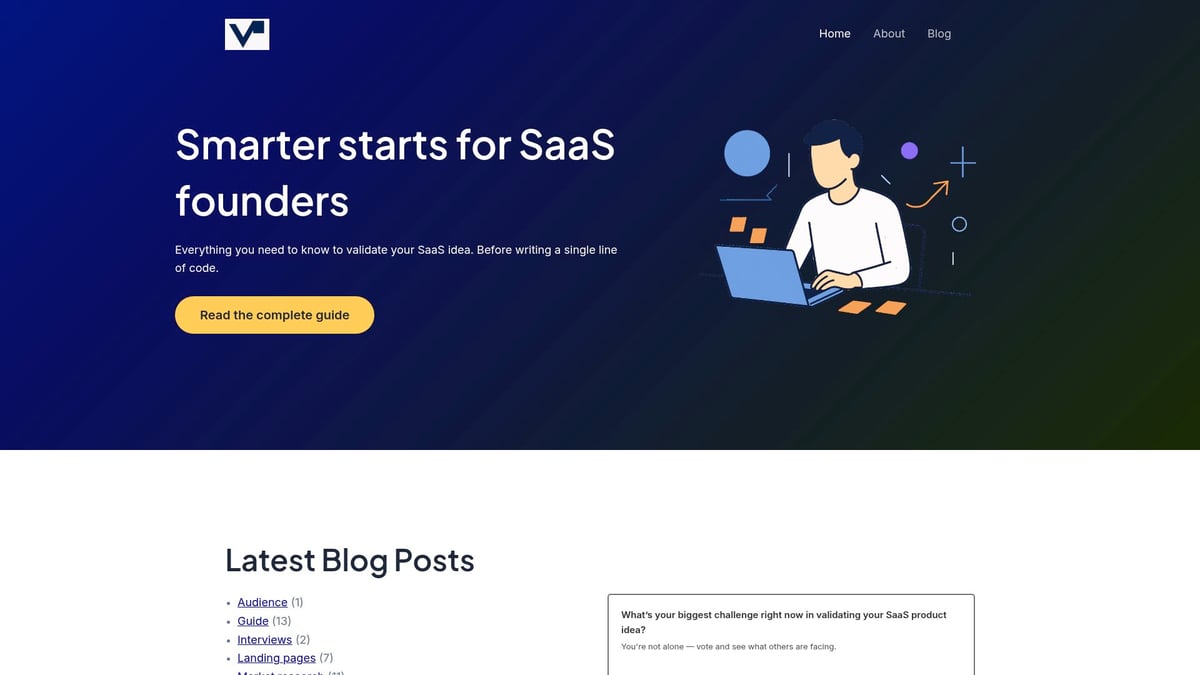
SaaS Validation has quickly become a go-to resource for founders and teams exploring new saas product companies. This platform offers a free, content-rich hub packed with step-by-step SaaS validation guides, market research resources, and actionable expert insights. It distinguishes itself by focusing on the crucial pre-development stage, helping entrepreneurs avoid costly mistakes.
- Pricing: Free; revenue via affiliate links, so users pay nothing upfront.
- Core Features:
- Comprehensive validation guides
- Regularly updated SaaS trends
- Founder-focused community
- Market research templates
- Unique Selling Points: Offers a holistic, expert-driven approach to SaaS validation, making it a must-use for anyone considering launching a SaaS business.
- Target Audience: Aspiring founders, early-stage entrepreneurs, product managers, and startup teams.
Pros:
- Saves time and money by encouraging validation before coding
- Fosters a collaborative, supportive community
- Covers both technical and business aspects
Cons:
- Not a deployable SaaS tool, but a learning and guidance platform
Ideal Use Cases:
- Validating new SaaS ideas
- Structuring early-stage product discovery
For further inspiration, explore Best SaaS business ideas to see how the most promising saas product companies get their start.
2. Notion
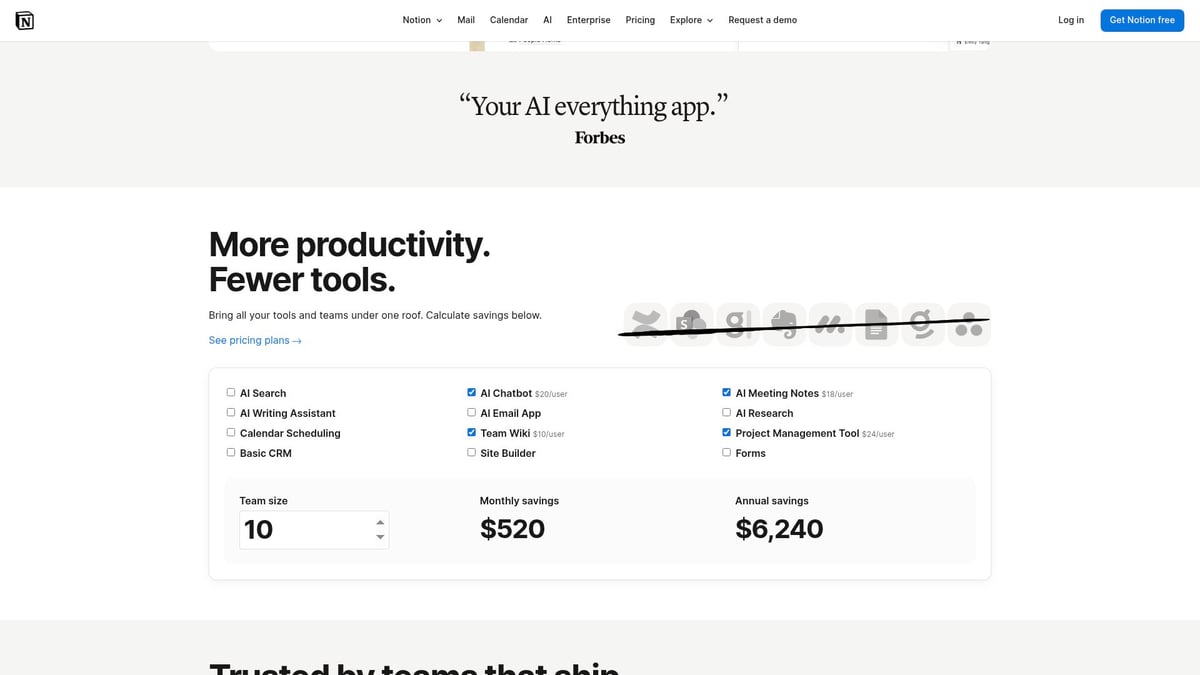
Notion is redefining the workspace for individuals and teams, offering a highly customizable platform that combines notes, documents, project management, and databases. Among saas product companies, Notion’s versatility and robust integration ecosystem make it a favorite for businesses seeking an all-in-one solution.
- Pricing: Free plan; paid plans from $8/user/month
- Core Features:
- Notes, wikis, and docs
- Custom databases
- Project management templates
- API and third-party integrations
- Unique Selling Points: Extreme flexibility; supports everything from solo productivity to enterprise knowledge management.
- Target Audience: Startups, SMBs, educators, and enterprise teams.
Pros:
- Scalable for organizations of any size
- Strong community and template sharing
- API access for deep customization
Cons:
- Steep learning curve for advanced features
- Can experience lag with large databases
Ideal Use Cases:
- Knowledge management
- Project tracking
- Team collaboration
Notion stands out among saas product companies for its ability to centralize disparate workflows into one cohesive platform.
3. Airtable
Airtable bridges the gap between spreadsheet familiarity and database power, empowering users with a no-code platform for flexible data modeling and automation. It’s a staple for saas product companies that value visual organization and scalable workflow automation.
- Pricing: Free tier; paid plans from $10/user/month
- Core Features:
- Spreadsheet-database hybrid interface
- Automation workflows
- Customizable views (Kanban, calendar, gallery)
- Extensive API and integrations
- Unique Selling Points: Empowers non-technical users to build powerful, tailored solutions without code.
- Target Audience: Marketing teams, creatives, product managers, and operations.
Pros:
- Intuitive for spreadsheet users
- Powerful automation tools
- Flexible data structures
Cons:
- Limited advanced analytics out-of-the-box
- Pricing increases with larger teams and databases
Ideal Use Cases:
- Editorial calendars
- CRM systems
- Automated workflows
Airtable’s approach positions it among top saas product companies for teams needing adaptable, low-code solutions.
4. HubSpot
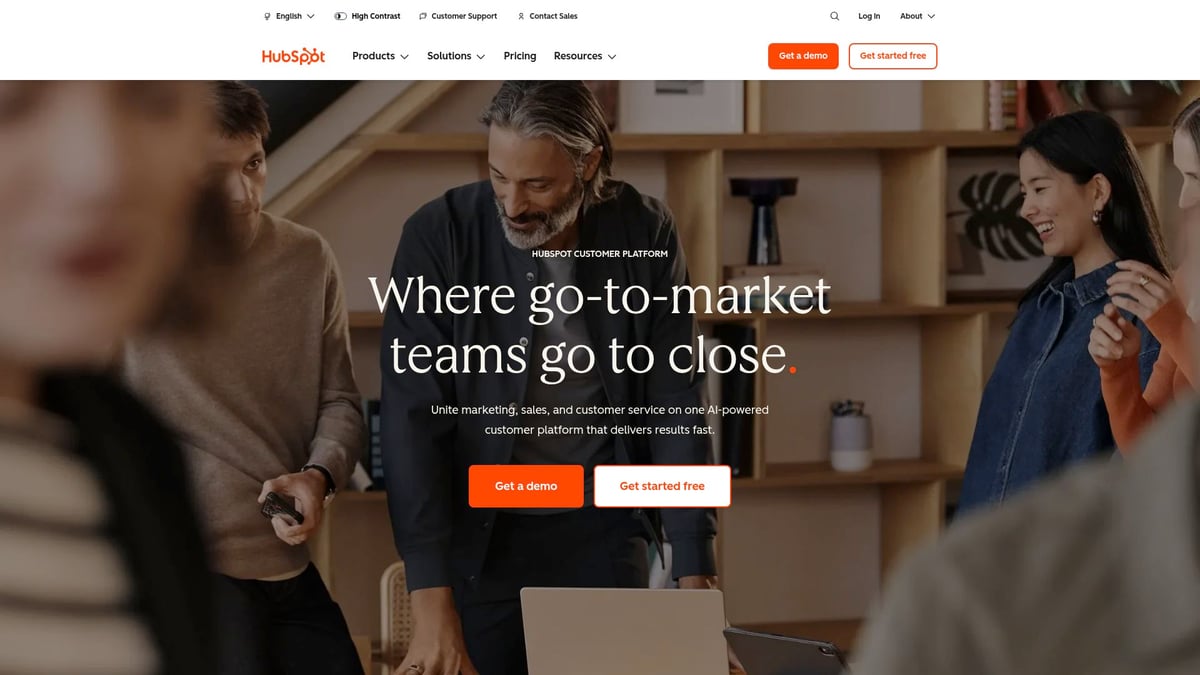
HubSpot has established itself as a powerhouse among saas product companies by offering a unified platform for marketing, sales, and customer service. Its free CRM forms the foundation, while premium hubs expand capabilities for growing businesses.
- Pricing: Free CRM; paid hubs from $45/month
- Core Features:
- CRM and contact management
- Marketing automation
- Sales pipeline tracking
- Customer service tools
- Analytics and reporting
- Unique Selling Points: Seamless integration between marketing, sales, and service; user-friendly interface; vast integration marketplace.
- Target Audience: SMBs, agencies, enterprise teams focused on growth.
Pros:
- All-in-one solution
- Scalable for business growth
- Robust reporting and analytics
Cons:
- Advanced features can become expensive
- Learning curve for full suite adoption
Ideal Use Cases:
- Lead generation and nurturing
- Automated marketing workflows
- Customer engagement and retention
HubSpot’s holistic approach secures its place among leading saas product companies for organizations seeking unified growth platforms.
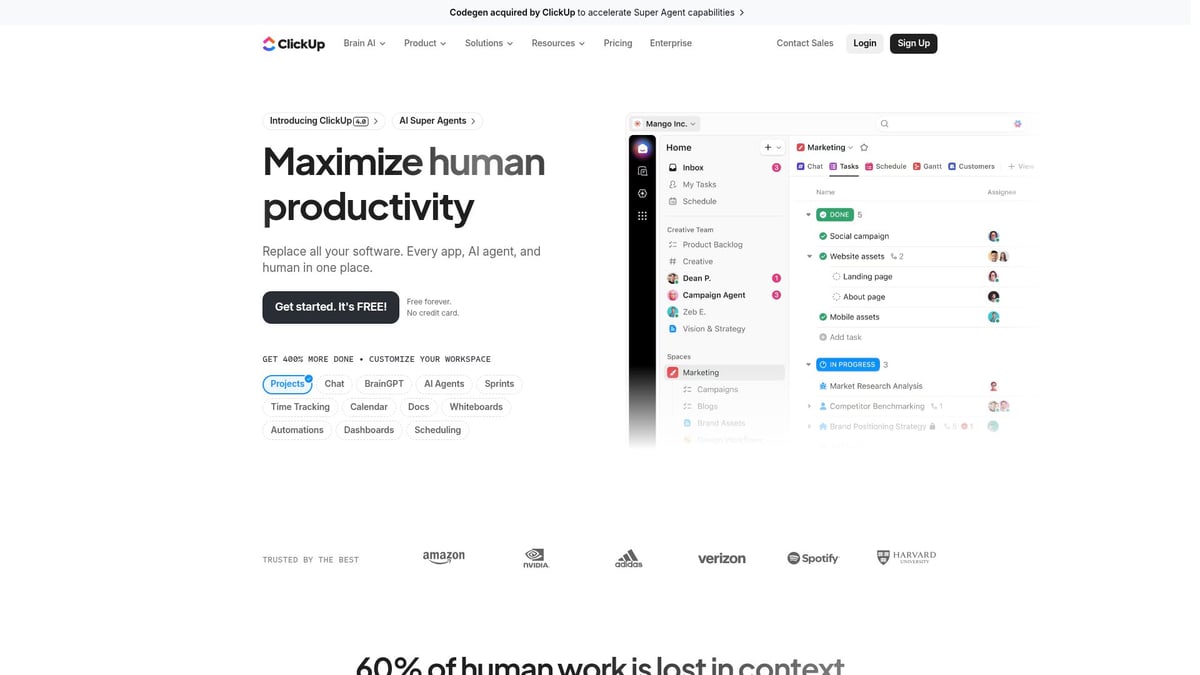
5. ClickUp
ClickUp is gaining traction as a comprehensive productivity suite, consolidating task management, docs, goals, and automation into a single platform. Among modern saas product companies, ClickUp’s strength lies in replacing multiple tools with customizable, real-time collaboration features.
- Pricing: Free plan; paid from $7/user/month
- Core Features:
- Task and project management
- Docs and wikis
- Time tracking
- Automation and integrations
- Unique Selling Points: Customizable workflows accommodate diverse teams and methodologies.
- Target Audience: Project managers, agencies, remote teams, freelancers.
Pros:
- Affordable entry pricing
- Highly versatile and scalable
- Real-time collaboration and communication
Cons:
- Feature-rich interface can overwhelm new users
- Occasional UI complexity
Ideal Use Cases:
- Agile project management
- Sprint planning
- Centralized team productivity
ClickUp is fast becoming a reference point for saas product companies seeking to streamline operations and boost team output.
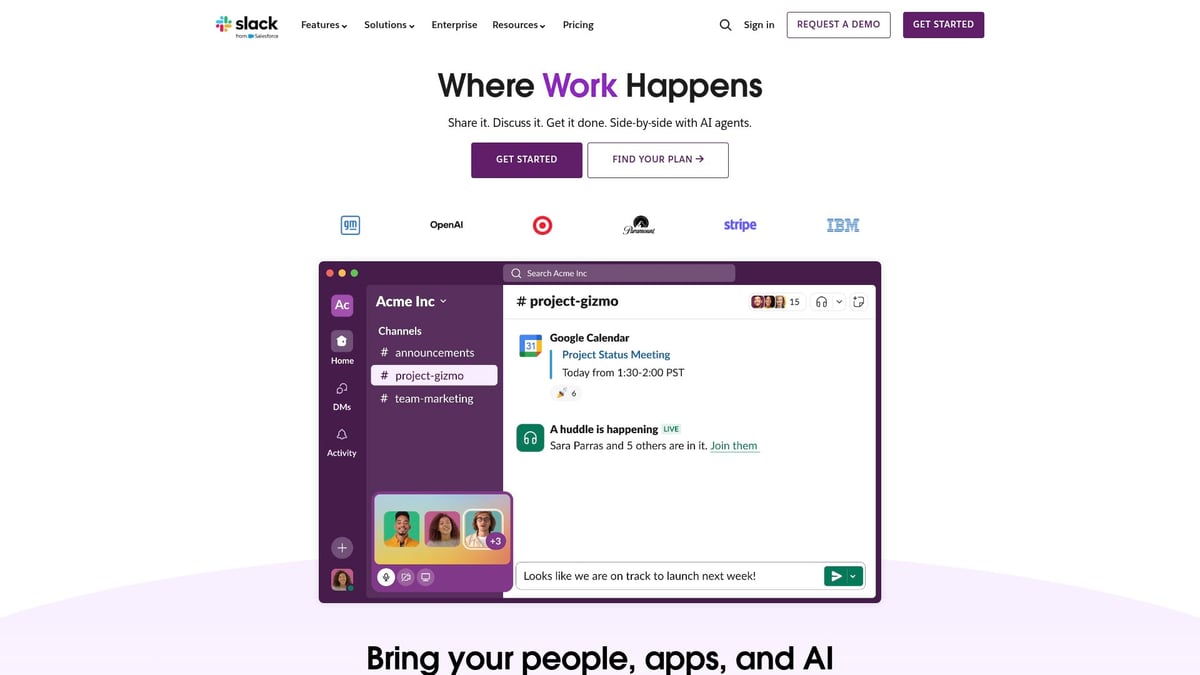
6. Slack
Slack remains a central player among saas product companies, driving modern workplace communication. Its real-time messaging, channels, and integrations make it essential for distributed and cross-functional teams.
- Pricing: Free tier; paid plans from $7.25/user/month
- Core Features:
- Real-time messaging and channels
- Voice and video calls
- Workflow builder
- Extensive third-party integrations
- Unique Selling Points: Centralizes all team communication, reducing email overload and improving visibility.
- Target Audience: Businesses of all sizes, tech startups, remote and hybrid teams.
Pros:
- Enhances real-time collaboration
- Robust API and app ecosystem
- Mobile-friendly for on-the-go teams
Cons:
- Can become noisy in large organizations
- Limited message history on the free plan
Ideal Use Cases:
- Team and project communication
- Remote work enablement
- Cross-department collaboration
Slack’s ongoing innovation ensures it remains at the forefront of saas product companies transforming digital teamwork.
7. Zendesk
Zendesk is a leader in customer support software, providing omnichannel service solutions for growing saas product companies. Its blend of automation, analytics, and integration options help businesses deliver seamless customer experiences.
- Pricing: Plans start at $19/agent/month
- Core Features:
- Support ticketing system
- Live chat and messaging
- Knowledge base creation
- Reporting and analytics
- Unique Selling Points: AI-powered automation and customizable workflows for scaling support.
- Target Audience: Customer service teams, SaaS providers, e-commerce.
Pros:
- Scalable for businesses of any size
- Integrates with major platforms
- Strong analytics and reporting
Cons:
- Advanced features can be costly
- Complex setup for large organizations
Ideal Use Cases:
- Helpdesk management
- Automated customer support
- Self-service portals
Zendesk’s reputation places it among the most trusted saas product companies for customer-centric organizations.
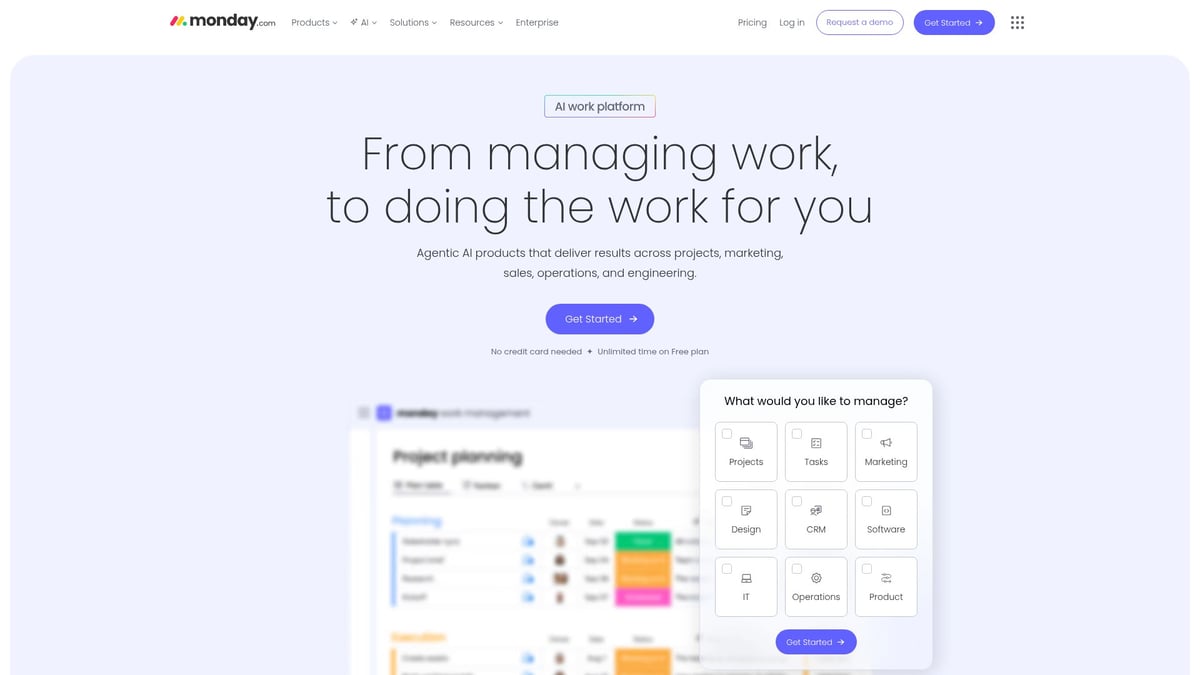
8. Monday.com
Monday.com is a visual project management platform that supports a wide range of workflows, from marketing campaigns to HR onboarding. Its intuitive boards and automation make it a standout choice among saas product companies aiming for cross-team coordination.
- Pricing: Basic plans from $8/seat/month; free individual plan available
- Core Features:
- Visual boards and dashboards
- Workflow automation
- Multiple integrations
- Reporting and analytics
- Unique Selling Points: Highly visual and customizable, with support for multiple departments.
- Target Audience: Project managers, marketing, HR, software development teams.
Pros:
- Easy to use and visually engaging
- Scalable for teams of all sizes
- Powerful automation tools
Cons:
- Advanced features require higher-tier plans
- May be overwhelming for small teams
Ideal Use Cases:
- Project planning and tracking
- Resource management
- Team collaboration
Monday.com’s adaptability secures its status among the most dynamic saas product companies.
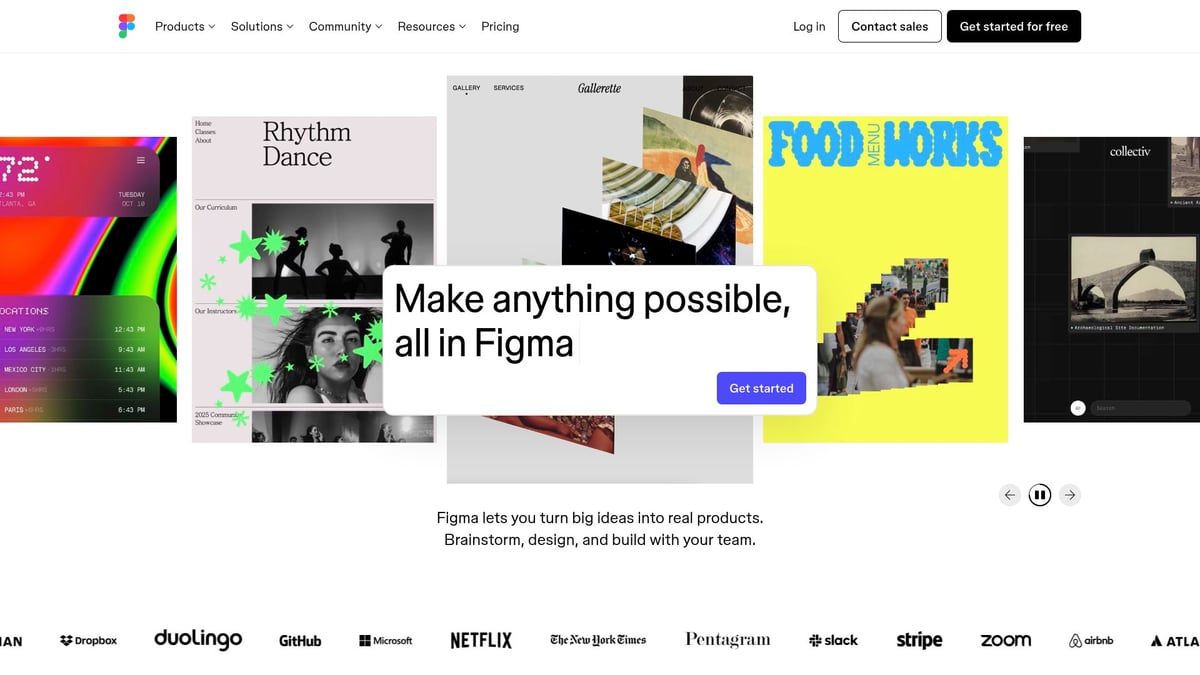
9. Figma
Figma has revolutionized collaborative design, enabling real-time interface creation and prototyping directly in the browser. As saas product companies increasingly adopt remote and distributed workflows, Figma’s cloud-based approach is more relevant than ever.
- Pricing: Free starter plan; paid from $12/editor/month
- Core Features:
- Collaborative interface design
- Prototyping tools
- Real-time feedback and commenting
- Extensive plugin library
- Unique Selling Points: Multi-user collaboration and cloud access for seamless design work.
- Target Audience: Designers, product teams, agencies, startups.
Pros:
- Enables remote design collaboration
- Integrates with developer tools for streamlined handoff
- Large plugin ecosystem
Cons:
- Limited offline capabilities
- Requires stable internet connection
Ideal Use Cases:
- UI/UX design
- Prototyping
- Design system management
Figma’s influence among saas product companies continues to grow as design becomes central to product success.
Comparison Table: Key Features of Top SaaS Product Companies
| Company | Pricing | Key Features | Best For |
|---|---|---|---|
| SaaS Validation | Free | Validation guides, community | Founders, entrepreneurs |
| Notion | Free/$8+ per user | Notes, docs, project mgmt, API | Teams, enterprises |
| Airtable | Free/$10+ per user | No-code automation, databases | Marketing, ops, creatives |
| HubSpot | Free CRM/$45+ per month | CRM, marketing, analytics | SMBs, agencies |
| ClickUp | Free/$7+ per user | Task mgmt, docs, automation | Project managers, agencies |
| Slack | Free/$7.25+ per user | Messaging, integrations, workflow | Distributed teams |
| Zendesk | $19+ per agent | Ticketing, support, analytics | Customer service |
| Monday.com | Free/$8+ per seat | Visual boards, automation | Project mgmt, HR |
| Figma | Free/$12+ per editor | Collaborative design, prototyping | Designers, product teams |
The landscape of saas product companies is rich and varied, with each leader offering unique strengths for different business needs. Whether you are validating a new idea, managing projects, or designing user interfaces, these companies provide the tools and resources to drive your success in 2026.
What Sets These SaaS Companies Apart?
What distinguishes the most impactful saas product companies from the rest? As the SaaS landscape becomes increasingly competitive, standing out requires far more than just robust technology. These leaders are defined by their relentless innovation, customer-centric design, and deep commitment to solving real business problems.
Innovation and Problem-Solving
At the heart of top saas product companies lies an innovative mindset. They are quick to identify pain points and develop creative solutions that address real-world challenges. For example, platforms like Notion and Figma have reimagined collaboration and design, while others focus on unique validation strategies before launch. Exploring SaaS validation strategies can reveal how industry leaders ensure their ideas are market-ready and impactful.
Growth, Funding, and User Adoption
Sustained growth and rapid user adoption are hallmarks of successful saas product companies. These organizations often secure significant funding and show strong market traction. According to SaaS adoption statistics, the global SaaS market continues to expand rapidly, reflecting the high demand for scalable, cloud-based solutions. Strong onboarding processes and viral features, like Notion’s community templates, accelerate growth and user loyalty.
User Experience, Customization, and Scalability
User experience is non-negotiable for leading saas product companies. They prioritize intuitive interfaces, seamless onboarding, and flexible customization options. Scalability is built in from day one, ensuring that as their clients grow, the platform evolves alongside them. Features like modular workflows, customizable dashboards, and robust APIs empower users across different industries and company sizes.
Security, Compliance, and Data Privacy
With increased scrutiny on data handling, saas product companies must place security and compliance at the forefront. They invest in advanced encryption, regular audits, and adherence to global standards. This focus builds trust with customers, especially in regulated industries where privacy and compliance are mission-critical.
Community-Driven Development and Seamless Integrations
Community engagement is a powerful differentiator for modern saas product companies. Active user forums, crowdsourced templates, and feedback-driven updates foster loyal communities and drive rapid adoption. Integration capabilities are equally vital, enabling seamless workflows across diverse tools and platforms. For instance, Slack’s extensive app ecosystem and Figma’s real-time collaboration features exemplify the impact of integration on productivity.
Summary Table: Differentiators of Leading SaaS Product Companies
| Differentiator | Example | Benefit |
|---|---|---|
| Innovation | Figma | Unique collaborative design |
| Growth & Adoption | Notion | Viral community templates |
| User Experience | ClickUp | Customizable workflows |
| Security & Compliance | Zendesk | Trusted by enterprises |
| Community & Integrations | Slack | Robust third-party ecosystem |
In summary, saas product companies that excel in these areas are poised to lead the market in 2026. Their relentless focus on innovation, user needs, and connectivity sets them apart and ensures long-term relevance.
How to Choose the Right SaaS Product for Your Business in 2026
Selecting the right SaaS product companies for your business in 2026 is a critical decision with long-term impact. As the SaaS market accelerates and new solutions emerge, making a strategic choice can propel your organization ahead of the competition. With the global SaaS market projected to grow at 12% per year, businesses must navigate a complex landscape with care and precision.
Assess Your Business Needs
Begin by defining your organization’s core requirements. Are you a startup seeking agility, or an enterprise prioritizing integration and compliance? Understanding your growth stage and operational goals will help you filter through the vast array of saas product companies. Identify must-have features, preferred workflows, and any industry-specific needs that might point you toward vertical SaaS solutions. For a deeper dive into industry-focused platforms, explore Vertical SaaS insights.
Compare Pricing Models and Total Cost
Next, evaluate the pricing structures of shortlisted saas product companies. Subscription models now range from per-user to usage-based and hybrid approaches. Consider not just the sticker price, but also hidden costs such as onboarding, customization, and support. Calculate the total cost of ownership over time, factoring in potential expansion as your team grows.
| Criteria | What to Consider |
|---|---|
| Pricing Model | Subscription, usage-based, hybrid |
| Total Cost | Upfront, recurring, add-ons, scaling |
| Free Trials/Demos | Availability and length |
| Support & Onboarding | Included services, training |
Prioritize Integration, Scalability, and Security
Seamless integration is essential. 67% of businesses cite integration as a top factor when selecting saas product companies. Assess how well a platform connects with your existing tools, APIs, and workflows. Scalability is equally important—choose solutions that can grow with your business and adapt to future needs. Security, data privacy, and compliance should be non-negotiable. Ensure that any provider meets industry standards and regulatory requirements.
Test, Validate, and Leverage Community Insights
Before committing, take advantage of free trials, demos, and pilot programs. Engage with user communities, read reviews, and seek feedback from peers who have experience with these saas product companies. Community-driven platforms often offer faster onboarding and richer support resources.
For example, startups might benefit from all-in-one platforms like ClickUp, which streamline multiple workflows, while larger enterprises may prioritize the robust integration capabilities offered by HubSpot or Zendesk. As SaaS continues to evolve, leveraging community knowledge and real-world testing can ensure your final choice is both future-proof and aligned with your business objectives.