The SaaS industry is experiencing explosive growth in 2026, making the landscape more competitive than ever. Selecting the right saas service provider is now a critical decision for businesses aiming to scale, boost efficiency, and drive innovation. The right choice empowers organizations to accelerate digital transformation and ensure their operations remain resilient in a rapidly changing market. In this article, we spotlight seven essential saas service provider options. You will discover detailed insights on pricing, features, and which solutions fit diverse business needs, helping you make informed decisions for future-ready success.
SaaS Market Trends and Selection Criteria for 2026
The SaaS industry is entering a new era of accelerated growth, with global adoption rates projected to soar through 2026. According to recent SaaS Market Growth Projections, the market is expected to reach unprecedented heights, driven by digital transformation initiatives and business demand for flexible, scalable solutions. As competition intensifies, selecting the right saas service provider becomes both more challenging and more crucial for sustained success.
Key Criteria for SaaS Provider Selection
Choosing a saas service provider in 2026 involves careful evaluation of several critical factors:
| Criteria | Why It Matters | Questions to Ask |
|---|---|---|
| Security | Protects sensitive data, builds trust | Does the provider offer encryption, SSO, MFA? |
| Scalability | Enables business growth without disruption | Can the solution adapt as operations expand? |
| Integration | Ensures seamless workflow across platforms | How easily does it connect to existing tools? |
| Support | Minimizes downtime, resolves issues quickly | What is the quality and availability of support? |
Security and compliance are top priorities, especially as data privacy regulations like GDPR and CCPA become stricter. Businesses must ask whether a saas service provider can meet evolving legal requirements and provide robust security measures.
The Rise of Vertical SaaS and Advanced Technologies
The market is seeing a shift toward vertical SaaS solutions, which are tailored to the unique needs of specific industries such as healthcare, finance, or manufacturing. This specialization allows each saas service provider to deliver more targeted features and compliance frameworks, helping businesses streamline workflows and reduce risk.
Artificial intelligence, automation, and advanced analytics are now core components of leading SaaS platforms. Providers are embedding AI to automate routine tasks, deliver deeper insights, and personalize user experiences. Automation not only enhances efficiency but also enables rapid adaptation to changing business needs.
SaaS for Remote Work and Global Collaboration
The saas service provider landscape is also evolving to support remote work and global teams. Cloud-based collaboration tools, secure file sharing, and integrated communication platforms make it easier for organizations to operate across borders. Companies leveraging SaaS are finding new ways to maintain productivity and foster innovation, regardless of location.
Overcoming Challenges: Evaluation, Migration, and ROI
Evaluating and migrating to a new saas service provider presents unique challenges. Legacy system integration, data migration, and user adoption can create hurdles if not managed properly. Businesses are now placing greater emphasis on calculating total cost of ownership (TCO) and expected ROI, moving beyond just upfront pricing to include factors like ongoing support, scalability, and future upgrades.
In summary, staying ahead in the dynamic SaaS market requires organizations to align their provider selection with current trends, industry-specific needs, and forward-thinking technologies. Making informed choices today will help future-proof operations and maximize the value of every SaaS investment.
7 Essential SaaS Service Provider Choices for 2026
The SaaS landscape in 2026 is shaped by innovation, scalability, and the growing need for secure, integrated solutions. Selecting the right saas service provider is crucial for businesses aiming to stay competitive, drive efficiency, and support evolving demands. Below, we analyze seven leading options, focusing on what sets each apart and how they fit diverse organizational needs.
1. Salesforce
Salesforce remains a dominant saas service provider in 2026, trusted by organizations worldwide for its extensive CRM and automation capabilities. Pricing starts at $25 per user per month, with flexible enterprise plans for larger teams.

The core features include advanced CRM tools, sales automation, marketing cloud, analytics, and AI-powered insights. The Einstein AI engine delivers predictive analytics and smart recommendations that empower teams to close deals faster.
What makes Salesforce stand out as a saas service provider is its high degree of customization, robust app ecosystem, and seamless integration with thousands of business applications. The platform offers industry-specific solutions for finance, healthcare, retail, and more, making it adaptable to unique business processes.
Salesforce is ideal for enterprises and SMBs alike, especially sales and marketing teams focused on customer relationship management, sales pipeline tracking, and marketing automation. The platform’s scalability and comprehensive feature set are significant pros. However, the learning curve can be steep, and advanced features come at a premium price.
Salesforce’s extensive support resources and training options help teams maximize value. For organizations seeking a future-proof, all-in-one saas service provider, Salesforce is a leading choice.
2. Slack
Slack has become the go-to saas service provider for real-time team collaboration. Its free tier is popular with startups, while paid plans begin at $7.25 per user per month, offering enhanced features and support.
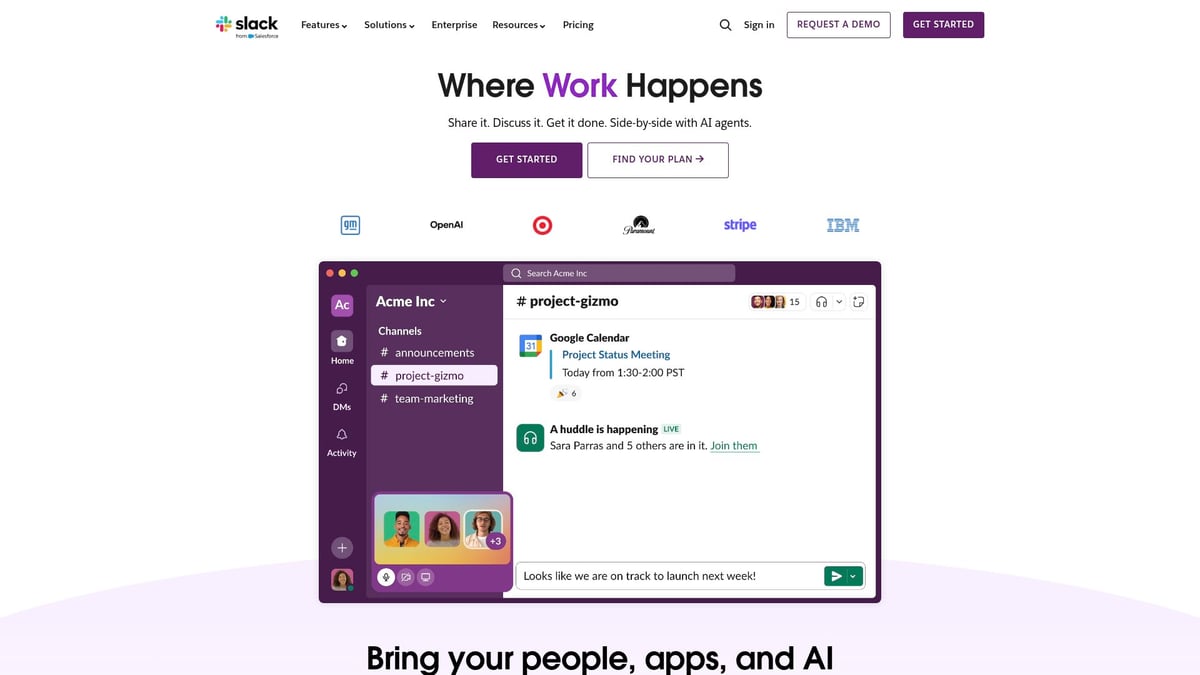
Core features include instant messaging, organized channels, video calls, and integration with over 2,400 apps. Workflow automation and customizable bots streamline routine tasks, letting teams focus on high-value projects. Slack’s open API and vibrant ecosystem of integrations make it a flexible saas service provider for businesses of all sizes.
Slack is particularly valuable for remote teams, startups, and large enterprises seeking a unified communication platform. Use cases range from daily project collaboration to managing global teams and supporting hybrid work.
Key advantages include a user-friendly interface, strong uptime, and searchable message history. The main drawbacks are potential notification overload and increased costs as organizations scale. Nonetheless, Slack’s ability to centralize communication and integrate with core business tools makes it a top saas service provider for collaboration in 2026.
3. HubSpot
HubSpot continues to expand its reach as a comprehensive saas service provider, offering a free CRM and paid Marketing, Sales, and Service Hubs starting at $18 per month. The all-in-one platform simplifies marketing automation, sales enablement, and customer service.
HubSpot’s core features include lead generation, email marketing, workflow automation, and detailed analytics. Its intuitive UI and seamless integration with popular applications make it easy for teams to adopt and scale. As a saas service provider, HubSpot’s unique selling points are its free core CRM, a vast knowledge base, and scalability for businesses from startups to enterprises.
Target audiences include marketing and sales teams, SMBs, and customer service departments. HubSpot excels in inbound marketing, nurturing leads, and providing outstanding customer support tools.
Pros are the free entry-level tier, robust automation capabilities, and excellent support. Cons include the need for higher-tier plans to access advanced features and some limitations in customization. For organizations wanting a versatile saas service provider that grows with them, HubSpot is a compelling option.
4. ServiceNow
ServiceNow has established itself as a premier saas service provider for enterprise workflow automation and IT service management. Pricing is custom, based on selected modules and user counts, allowing organizations to tailor the platform to their needs.
Key features include IT service management, workflow automation, HR solutions, and customer service management. ServiceNow leverages AI-driven automation and offers low-code/no-code development capabilities, making it accessible for both technical and non-technical users.
As a saas service provider, ServiceNow’s unique strengths are its enterprise-grade security, deep configurability, and extensive integration options. It’s designed for large enterprises, IT departments, and HR teams seeking to streamline operations and improve service delivery.
Ideal use cases range from ITSM to HR case management and enterprise-wide workflow automation. Pros include high configurability and robust security. However, ServiceNow’s complexity means implementation can be lengthy and often requires dedicated admin resources. For organizations prioritizing automation and compliance, ServiceNow is a reliable saas service provider.
5. Zoom
Zoom remains a leading saas service provider for video conferencing and virtual communication. Its free basic plan suits individuals and small teams, while Pro plans start at $14.99 per host per month for enhanced functionality.
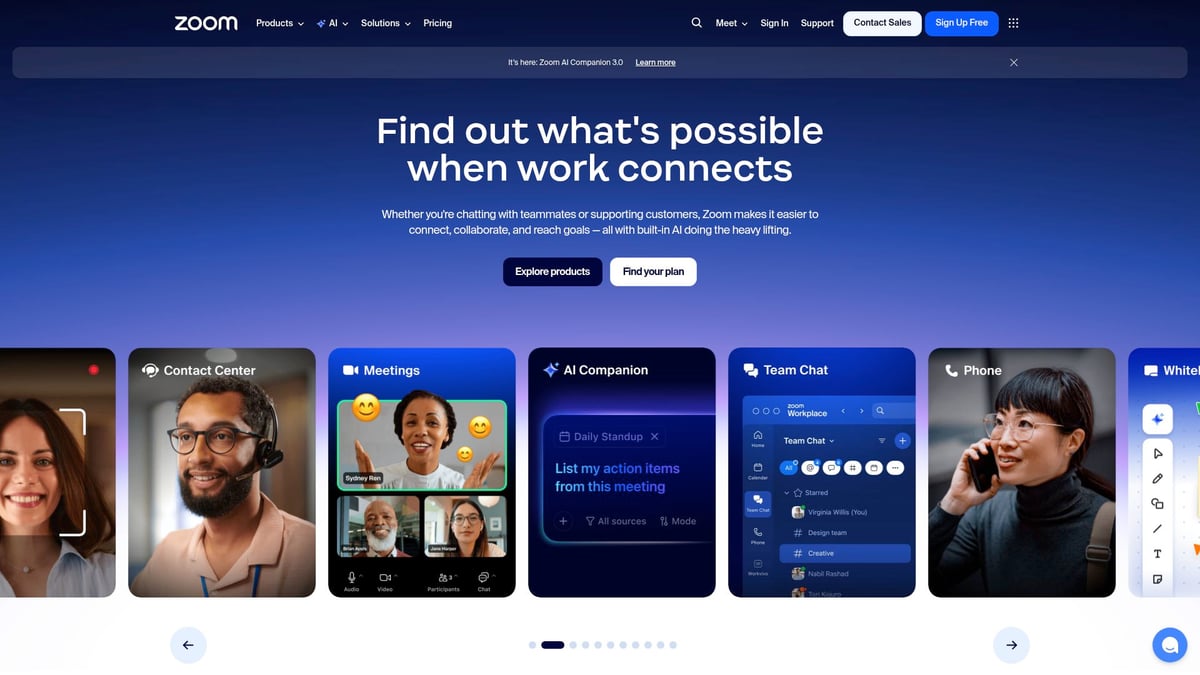
Core features encompass high-quality video and audio conferencing, webinars, chat, phone systems, and support for virtual events. Zoom’s intuitive interface and scalability make it suitable for businesses of all sizes, educational institutions, and event organizers.
What differentiates Zoom as a saas service provider are its large meeting capacity, breakout rooms, and emphasis on security. The platform has addressed past security concerns with regular updates and advanced features like end-to-end encryption.
Zoom excels in remote meetings, online training, and hosting large virtual conferences. Pros include reliable performance, compatibility across devices, and frequent feature improvements. The main cons are that advanced features can increase costs, and some organizations have lingering security concerns. For seamless virtual collaboration, Zoom remains a trusted saas service provider.
6. Atlassian Jira
Atlassian Jira is a top saas service provider for agile project management and software development teams. The free plan supports up to 10 users, while the Standard plan starts at $7.75 per user per month.
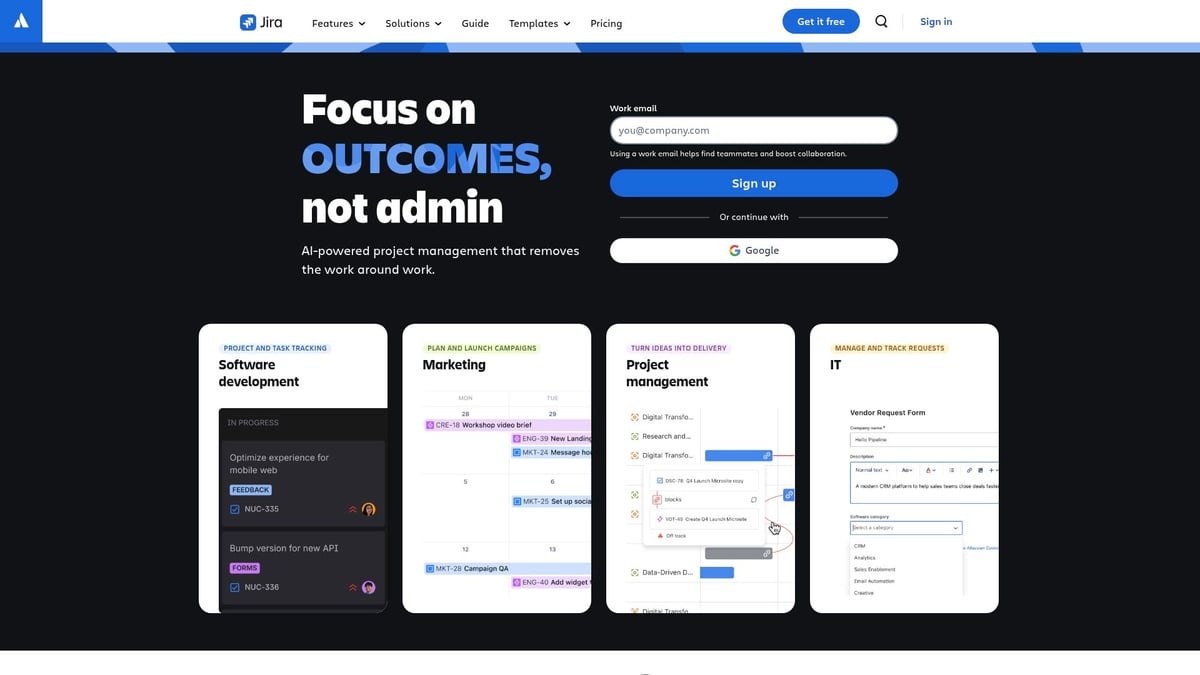
Jira’s core features include project tracking, agile boards, customizable workflows, and comprehensive reporting. Deep integration with development tools and a marketplace of over 1,000 add-ons enhance Jira’s versatility as a saas service provider.
Jira supports agile methodologies, bug tracking, and sprint planning, making it essential for IT departments and project managers. Its unique selling points are advanced workflow automation, robust permissions, and detailed analytics.
Pros include high customizability, strong community support, and scalability. Cons are the complexity for new users and a learning curve for advanced features. For organizations seeking a flexible and powerful saas service provider for project management, Jira stands out.
7. Microsoft 365
Microsoft 365 is a comprehensive saas service provider offering essential productivity tools, starting at $6 per user per month for Business Basic, with enterprise plans available.
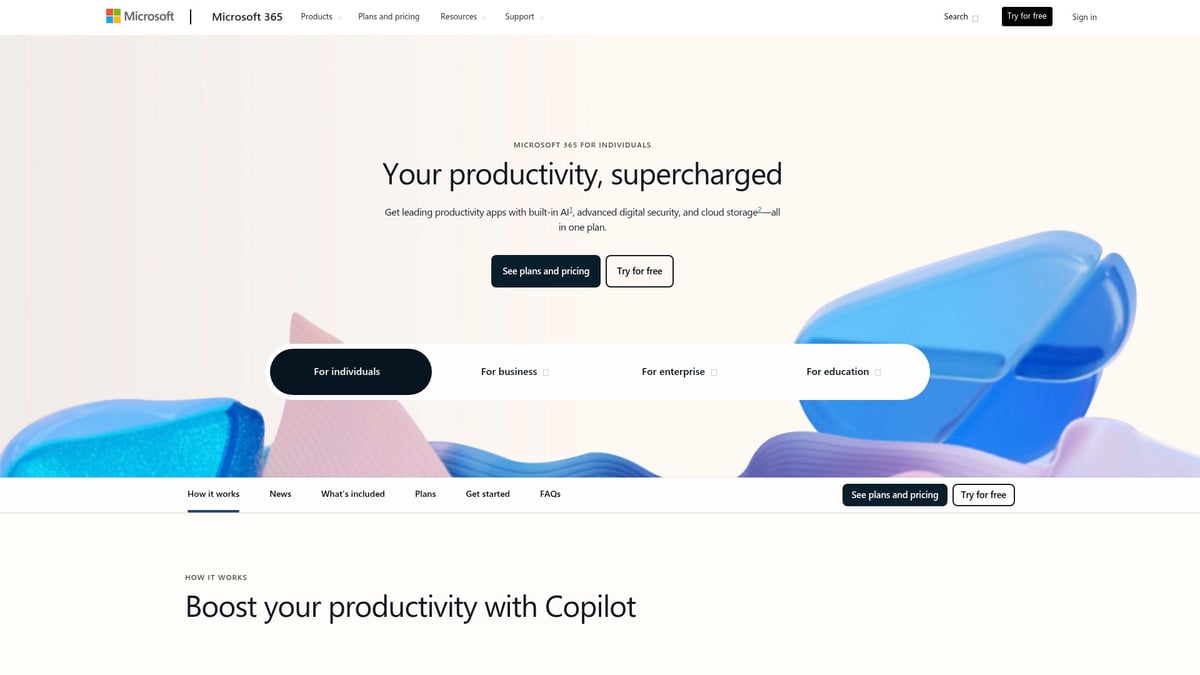
Core features include the Office suite (Word, Excel, PowerPoint), Teams, SharePoint, and OneDrive. Microsoft 365 excels in real-time document collaboration, cloud storage, and secure team communication, making it a versatile saas service provider.
The platform’s unique selling points are deep integration with the Microsoft ecosystem, industry-leading security, and AI-powered features for productivity. Microsoft 365 serves businesses of all sizes, educational institutions, and remote teams.
Ideal use cases are document collaboration, team messaging, and cloud file management. Pros include a familiar interface, robust security, and frequent updates. Cons are licensing complexity and potential integration challenges with non-Microsoft apps. For organizations seeking a reliable, scalable saas service provider, Microsoft 365 delivers a unified productivity experience.
For a broader perspective on leading platforms and how they compare, see this Top SaaS companies overview.
Integration, Security, and Compliance Considerations
Selecting a saas service provider in 2026 requires more than just ticking boxes for features or pricing. Businesses must ensure that their chosen solution integrates smoothly, delivers robust security, and complies with evolving regulations.
Integration with Existing Tech Stacks
A top priority when choosing a saas service provider is seamless integration with your current technology stack. Modern businesses rely on diverse tools, so compatibility with CRMs, ERPs, and other third-party applications is essential. Providers offering open APIs, pre-built connectors, and flexible platforms help streamline onboarding and reduce IT friction.
For practical strategies, review these SaaS integration and management tips to maximize value and efficiency from your solution.
Security Features to Prioritize
Security remains at the core of saas service provider selection. End-to-end encryption, single sign-on (SSO), and multi-factor authentication (MFA) are now standard expectations. Regular security audits, vulnerability assessments, and transparent incident response protocols further differentiate providers.
Advanced security features not only protect sensitive business data but also build trust with customers and partners. Always verify a provider’s security certifications and their approach to continuous risk management.
Navigating Compliance and Regulations
With regulations like GDPR, HIPAA, and SOC 2 setting the standard, compliance is a non-negotiable aspect for any saas service provider. Businesses must ensure their providers adhere to these frameworks, especially when handling sensitive or global data.
Explore more about Compliance and Security in SaaS to understand the latest regulatory trends and how leading vendors stay ahead.
Case Study: Achieving Seamless Compliance
Consider a mid-sized financial services firm that migrated to a saas service provider with built-in compliance tools. The transition enabled automated data protection, real-time monitoring, and audit-ready reporting, reducing manual workloads and compliance risks.
This example highlights how the right choice can simplify regulatory management and minimize exposure to penalties or reputational harm.
APIs and Future-Proofing Your SaaS
APIs and open platforms are vital for future-proofing your saas service provider investment. They support custom workflows, foster innovation, and enable easy scaling as business needs evolve. Prioritizing providers with robust API ecosystems helps ensure long-term flexibility and adaptability.
Avoiding Integration Pitfalls
Common pitfalls include data silos, mismatched formats, and downtime during migration. To minimize disruptions, plan phased rollouts, invest in data mapping, and select providers offering dedicated migration support.
A thoughtful approach to integration, security, and compliance ensures your saas service provider delivers sustainable value and resilience.
Maximizing ROI and Future-Proofing Your SaaS Investments
Selecting the right saas service provider is more than just a technical decision, it is a strategic investment that shapes your company's growth trajectory. As you plan for 2026 and beyond, maximizing ROI and ensuring future readiness are critical to staying competitive in the evolving SaaS landscape.
Evaluating Total Cost of Ownership and ROI
Understanding the true value of a saas service provider begins with a clear assessment of total cost of ownership compared to upfront pricing. Look beyond initial subscription fees to include onboarding, integration, support, and potential upgrade costs.
| Factor | Upfront Pricing | TCO Considerations |
|---|---|---|
| Subscription Cost | ✔️ | ✔️ |
| Integration/Setup | ✔️ | |
| Training/Support | ✔️ | |
| Upgrade/Migration | ✔️ |
To measure ROI, focus on productivity gains, cost savings, and revenue growth. Referencing SaaS market statistics and trends can help benchmark your performance against industry standards. A robust saas service provider should deliver tangible improvements in operational efficiency and financial outcomes.
Scalability and Flexibility as Growth Drivers
As your business evolves, your saas service provider must offer scalability to handle increased users, data, and workflows. Flexible licensing and modular features support growth without costly overhauls.
Assess whether the provider enables:
- Easy addition of users or modules
- Seamless integration with new tools
- Adaptation to changing compliance needs
A scalable saas service provider ensures you can respond to market shifts, launch new products, and expand globally without disruption.
Leveraging Analytics for Continuous Improvement
Modern SaaS platforms offer powerful analytics and reporting tools. An effective saas service provider empowers you to track KPIs, monitor user adoption, and identify opportunities for process optimization.
Use built-in dashboards and customizable reports to:
- Monitor system usage trends
- Evaluate feature adoption
- Identify bottlenecks or inefficiencies
Continuous analysis supports data-driven decisions, helping your organization maximize ROI and remain agile as business needs change.
Building a Roadmap and Managing Vendor Relationships
Creating a SaaS adoption roadmap involves aligning your technology investments with long-term business goals. Work with your saas service provider to set milestones, plan for feature rollouts, and anticipate future requirements.
For long-term value:
- Negotiate flexible contracts with clear SLAs
- Regularly review provider performance
- Foster open communication for ongoing support
Strategic vendor management minimizes risk and ensures your saas service provider remains a partner in your ongoing success.
A thoughtful approach to SaaS investment—grounded in ROI analysis, scalability, analytics, and proactive vendor management—will future-proof your operations and position your business for sustainable growth.