In 2026, mastering saas user management is not just a technical necessity, it is a strategic imperative for every growing organization. The rapid rise in SaaS adoption has made unmanaged user access a significant risk for security, compliance, and operational efficiency.
This guide reveals the most up-to-date strategies for streamlining saas user onboarding, fortifying access control, automating processes, and ensuring compliance with evolving regulations. You will discover the latest trends, actionable best practices, and expert tips designed to help you maximize user experience while minimizing risk and cost.
Ready to lead the way in 2026? Start implementing these proven approaches to future-proof your operations and gain a strong competitive edge.
The Evolution of SaaS User Management in 2026
The landscape for SaaS user management has transformed rapidly as organizations adapt to new realities in cloud-based operations. In 2026, managing the life cycle of every saas user is central to growth, risk mitigation, and compliance. Companies are now rethinking their strategies to handle the increased complexity, regulatory demands, and user expectations that define the modern SaaS environment.
Key Trends and Market Shifts
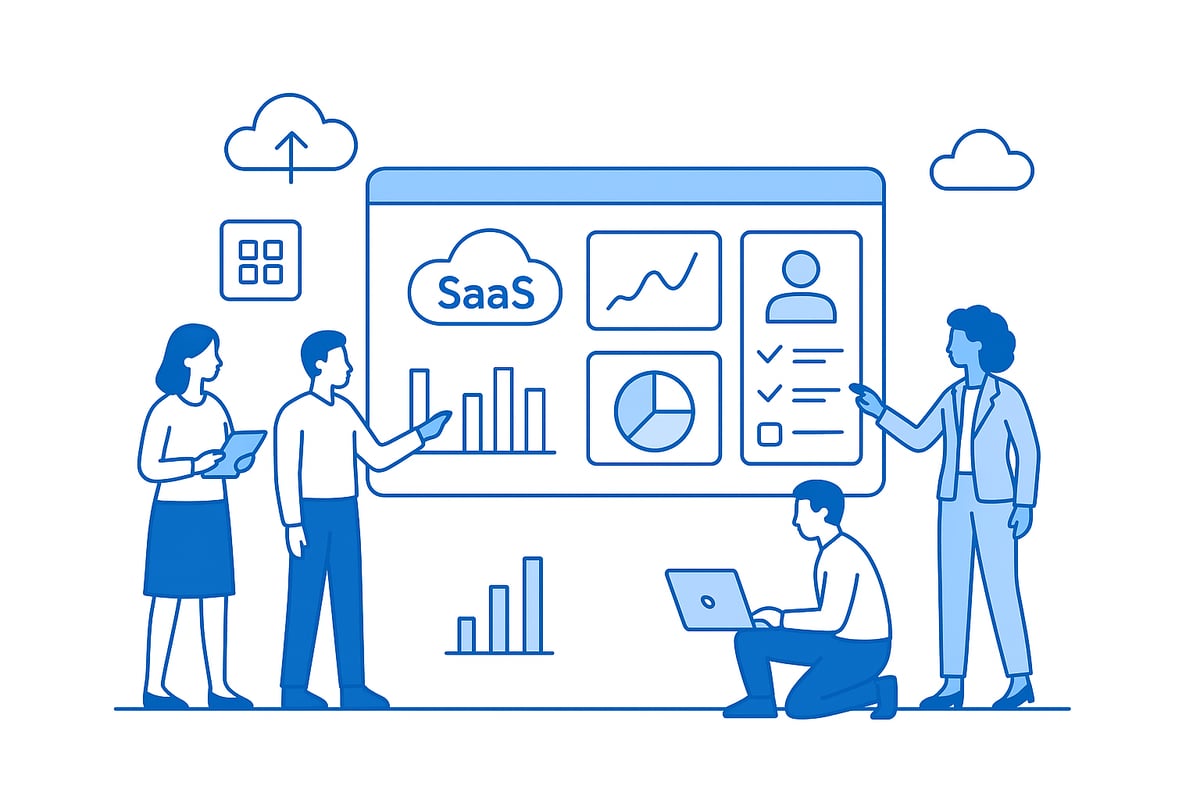
SaaS adoption is reaching unprecedented levels, with Gartner forecasting that 85 percent of business applications will be SaaS-based by 2026. The average organization, especially mid-sized businesses, now manages over 100 SaaS tools, creating a more complex environment for every saas user.
Decentralized purchasing is also on the rise, which can lead to shadow IT, fragmented data, and compliance gaps. In response, AI-driven user management and automation are quickly becoming industry standards, helping teams streamline onboarding, offboarding, and access reviews. Regulatory scrutiny has intensified, as frameworks like GDPR, HIPAA, and SOC 2 demand stricter controls and auditability. User expectations have shifted too—today's saas user demands seamless, secure, and personalized experiences across all platforms.
For the latest adoption rates and industry shifts, explore these SaaS market statistics and trends.
Challenges Facing Modern SaaS Teams
With the explosion of SaaS tools, companies face mounting challenges in managing user sprawl and maintaining visibility across platforms. Each saas user may have multiple accounts, making it difficult for IT teams to oversee access and enforce security policies consistently.
Balancing robust security with user convenience is a persistent struggle. Password fatigue, onboarding friction, and integration gaps can undermine both productivity and protection. Disparate user data further complicates analytics and decision-making, while ever-evolving compliance requirements put pressure on teams to adapt quickly. As organizations scale, manual processes for managing each saas user can quickly drive up IT costs and stretch resources thin.
Strategic Imperatives for 2026
To address these challenges, organizations are prioritizing centralization and automation in their saas user management strategies. Adopting zero-trust security models and enforcing least-privilege access are now considered best practices for reducing risk.
Proactive monitoring and advanced analytics help teams track usage, detect anomalies, and optimize license allocations. Continuous education and upskilling of IT and administrative staff ensure that every saas user is managed with the latest security and compliance standards in mind. By focusing on these imperatives, SaaS leaders can future-proof their operations and deliver a superior user experience.
Core Pillars of Effective SaaS User Management
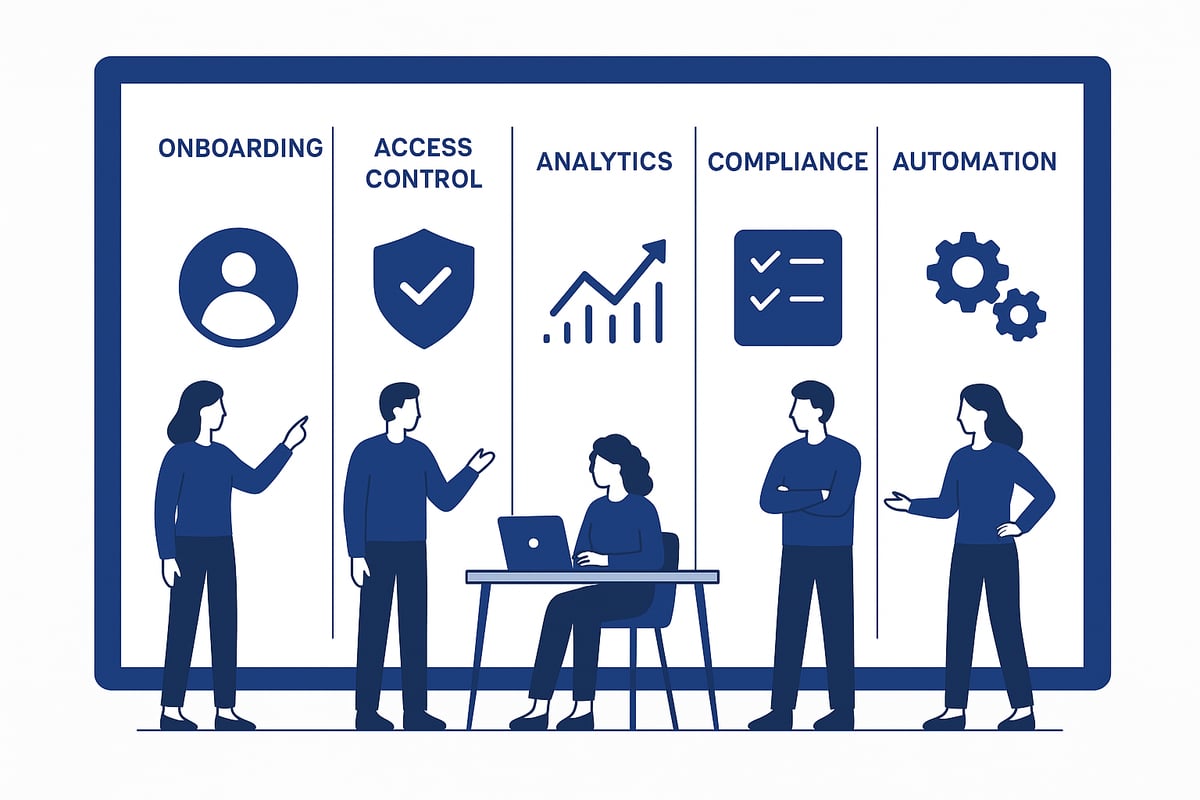
Mastering the core pillars of effective SaaS user management is fundamental to scaling operations securely and efficiently. Each pillar addresses a critical stage in the user lifecycle, ensuring both productivity and compliance for your organization.
User Onboarding and Provisioning
A seamless onboarding process sets the tone for every saas user. Automated workflows allow IT teams to provision accounts across multiple apps simultaneously, reducing manual errors and delays.
Role-based access ensures each saas user receives permissions tailored to their responsibilities from day one. Leveraging Single Sign On (SSO) and Just In Time (JIT) provisioning can further streamline the experience.
For example, onboarding a new team member to project management, CRM, and finance tools can be completed in minutes instead of days, boosting productivity and satisfaction for each saas user.
Access Control and Security
Robust access control is essential to protecting sensitive data. Implementing Role Based Access Control (RBAC) and Attribute Based Access Control (ABAC) ensures every saas user only accesses what they need.
Multi factor authentication (MFA) is now a baseline requirement, adding an extra layer of security for each saas user. Regular access reviews and automated de provisioning help prevent privilege creep and reduce attack surfaces.
A well managed access control system ensures that no saas user retains unnecessary permissions, minimizing risk across your SaaS environment.
Usage Analytics and Insights
Centralized dashboards provide visibility into every saas user’s activity. Tracking app usage and license allocation helps organizations optimize resources and identify underused tools.
Detecting shadow IT and unauthorized app usage is crucial for maintaining compliance and controlling costs. Analytics also support personalized experiences, allowing teams to offer targeted support to each saas user.
Companies that leverage usage analytics can reduce SaaS waste by up to 30 percent, maximizing value for every saas user.
Compliance and Data Governance
Compliance is a top priority for any saas user management strategy. Maintaining detailed audit trails for user activity and access changes is vital for passing external audits and meeting regulatory requirements.
Modern tools enforce GDPR, HIPAA, SOC 2, and other standards automatically. Automated policy enforcement and reporting ensure that each saas user’s data is handled securely and transparently.
For instance, organizations can confidently pass audits with comprehensive SaaS user logs and robust data governance practices in place.
Automation and Operational Efficiency
Automation is the backbone of modern saas user management. Automated provisioning, de provisioning, and access reviews reduce manual work and speed up critical processes.
Integration with HRIS and directory services streamlines the entire user lifecycle, ensuring every saas user is onboarded and offboarded quickly and accurately. By adopting SaaS management best practices, organizations can further enhance operational efficiency and reduce support costs.
Ultimately, automation leads to faster onboarding, fewer errors, and a better experience for every saas user.
Step-by-Step: Building a Future-Proof SaaS User Management Strategy
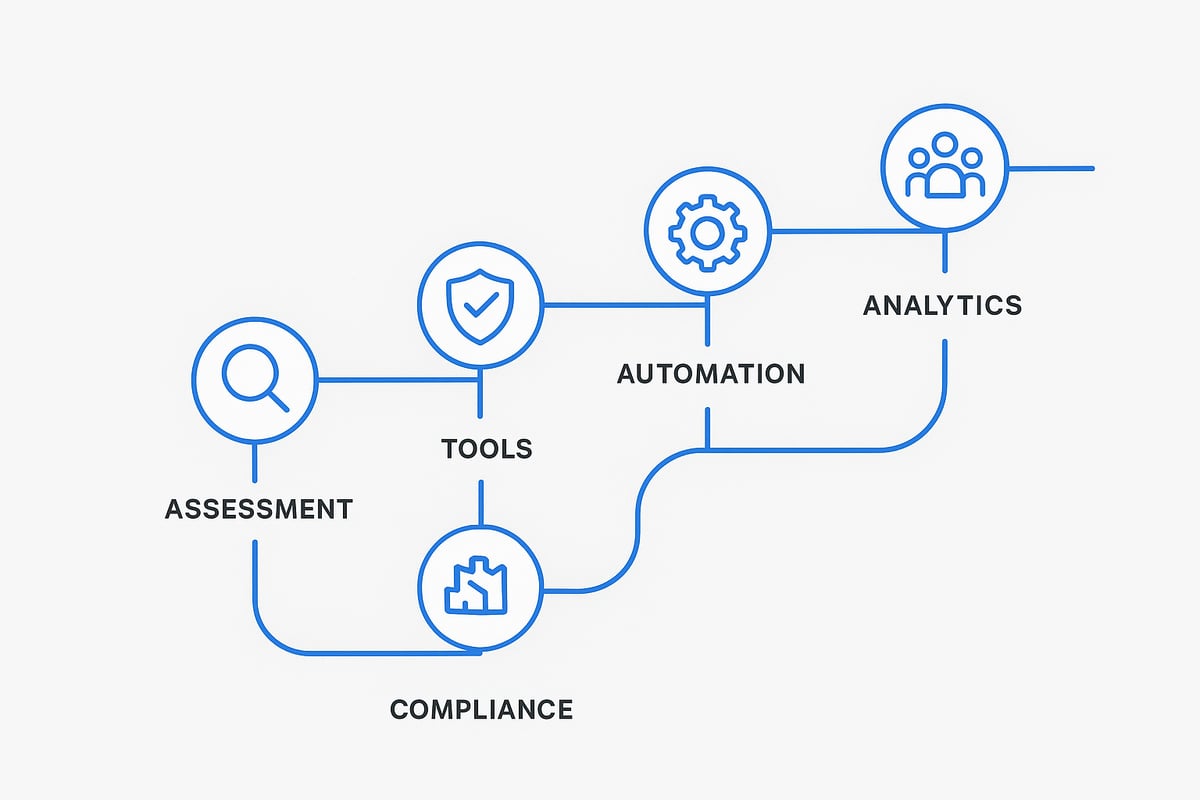
Building a future-proof saas user management strategy is essential for security, growth, and compliance in 2026. By following a structured, step-by-step approach, organizations can align user access, automate processes, and ensure regulatory readiness. Each stage below is designed to reduce risk, streamline operations, and maximize value from every saas user account.
Step 1: Assess Your Current SaaS Landscape
Start by mapping every saas user and application in your environment. Inventory all SaaS tools, user accounts, and permissions. Use automated discovery tools to find shadow IT and unused licenses. Document onboarding, access, and offboarding workflows for each major app.
A detailed assessment helps you identify risk areas and inefficiencies. For example, a SaaS management platform might reveal that 20 percent of saas user licenses are sitting idle. This initial step forms the foundation for cost optimization and policy creation.
Step 2: Define User Roles and Access Policies
Work with department heads to define clear roles for every saas user. Document which apps and data each role needs, applying least-privilege principles. Establish approval workflows for exceptions.
Standardize access policies using RBAC templates. With clearly defined roles, you minimize errors and ensure that each saas user has just the right permissions. This clarity also streamlines onboarding and audits.
| Role | Core Apps | Access Level |
|---|---|---|
| Sales Rep | CRM, Email | Standard |
| Accountant | Finance, HRIS | Restricted |
| Manager | All above + BI | Elevated |
Step 3: Implement Centralized User Management Tools
Select a management platform that integrates with your key SaaS apps and HR systems. Tools like Okta, Zluri, Frontegg, or Azure AD enable centralized provisioning, single sign-on, and multi-factor authentication for every saas user.
Integrate core business apps, set up SSO, and enforce MFA. Automated workflows can reduce onboarding time from days to hours. Centralized tools also provide a single source of truth for every saas user, improving both security and efficiency.
Step 4: Automate Onboarding, Offboarding, and Access Reviews
Configure automated workflows for new hires, role changes, and terminations. Schedule regular access reviews and automate reminders for managers. Immediate de-provisioning of departing users is vital to minimize risk.
For example, an automated offboarding process can reduce lingering access risk by 80 percent. Use workflow automation to ensure every saas user has appropriate access throughout their lifecycle. A simple code-based automation might look like:
if user.status == "terminated":
    revoke_all_access(user)
    notify_IT(user)
Step 5: Monitor, Analyze, and Optimize Usage
Leverage dashboards to track saas user engagement, app adoption, and license utilization. Monitor for suspicious activity, failed logins, or unauthorized access. Identify underused tools to optimize costs.
Regular analysis helps detect issues early and supports proactive decision-making. For instance, shutting down unauthorized app sign-ups or reallocating unused licenses can drive significant savings and boost security for every saas user.
Step 6: Ensure Compliance and Prepare for Audits
Maintain up-to-date audit logs and track every saas user’s access changes. Automate compliance reporting for GDPR, HIPAA, and SOC 2. Regularly review and update policies as regulations evolve.
Passing external audits becomes easier when you have comprehensive logs and automated reporting. For deeper insights into compliance, review this guide on GDPR compliance for SaaS. Documented processes safeguard both your organization and every saas user.
Step 7: Foster a Security-First and User-Centric Culture
Train staff on security best practices, phishing prevention, and the value of strong authentication. Offer self-service portals for password resets and access requests to empower every saas user.
Encourage feedback on onboarding and support processes. When users feel supported and informed, they are less likely to circumvent security protocols. A culture of shared responsibility ensures every saas user contributes to a secure, efficient environment.
Best Practices for SaaS User Management Success
Effective saas user management is essential for modern organizations to maximize security, efficiency, and compliance. By implementing proven strategies, you can streamline processes, reduce risk, and support business growth. Here are the critical best practices every team should follow.
Use Role-Based Access Control (RBAC) and Attribute-Based Access Control (ABAC)
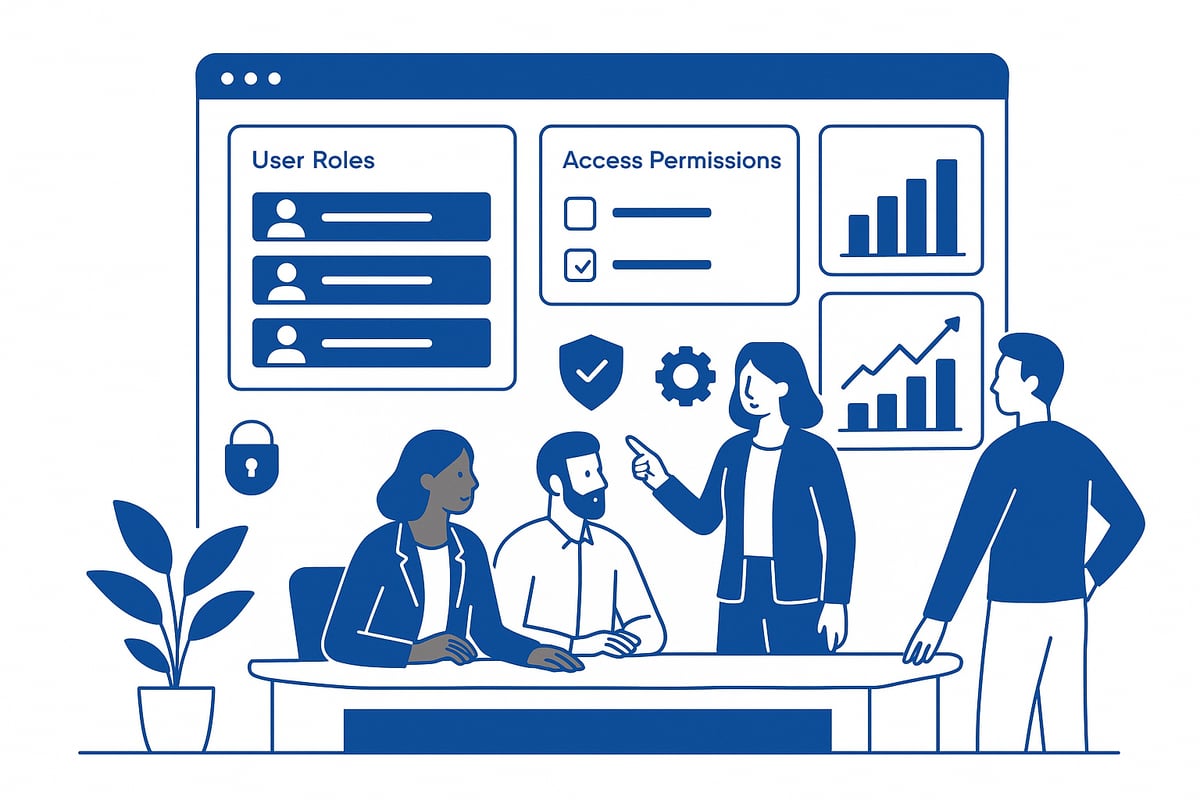
Assigning permissions based on job roles or user attributes is fundamental to effective saas user management. RBAC and ABAC frameworks simplify access control for both small and large teams.
By grouping permissions according to responsibilities, you can quickly onboard new users and adapt access as roles evolve. This approach also scales as your organization grows, reducing manual errors and confusion.
For example, an accounting manager can have broader access than a staff accountant, ensuring everyone has the tools they need without exposing sensitive data unnecessarily.
Track and Analyze Software Usage
Monitoring software usage is crucial for identifying trends, optimizing costs, and securing your environment. A central dashboard lets you track login activity, permission changes, and data access for every saas user.
By analyzing these patterns, you can spot anomalies, such as unusual login times or unauthorized app usage, before they become risks. Usage insights also help you drive adoption and target training initiatives where needed.
Tracking usage data can reduce SaaS costs by up to 30 percent, making it a key component of sustainable user management.
Implement Multi-Factor Authentication (MFA)
Security is a top concern for every saas user. Multi-Factor Authentication adds an extra layer of protection beyond passwords. Requiring MFA for all users, especially those with admin rights, helps prevent unauthorized access.
Options include biometrics, hardware tokens, or one-time passcodes. Even if a password is compromised, MFA blocks most automated account attacks.
According to industry data, MFA can prevent 99.9 percent of common authentication threats, making it a non-negotiable safeguard for your SaaS environment.
Automate Workflows Wherever Possible
Manual processes slow down onboarding, increase errors, and frustrate users. Automation ensures every saas user is provisioned, de-provisioned, and granted access quickly and accurately.
Automated workflows handle repetitive tasks like user setup, permission changes, and access requests. This reduces the IT workload and minimizes mistakes that could lead to security gaps.
For example, automating workflows can cut IT administration time by 50 percent, freeing resources for higher-value projects.
Invest in a Robust SaaS User Management Solution
A comprehensive management platform is the backbone of successful saas user strategies. Evaluate tools for integration, security, and scalability to match your organization’s unique needs.
Look for solutions that support SSO, automated provisioning, and detailed analytics. Platforms like Frontegg, Auth0, Azure AD, and Zluri are popular choices. For more insights, explore these SaaS User Management Best Practices to see how leading organizations govern their user access.
Switching to a modern solution enables seamless scaling as your team grows, ensuring your user management keeps pace with business demands.
Regularly Review and Update Policies
Continuous improvement is vital for sustainable saas user management. Schedule quarterly reviews of access policies to ensure they reflect organizational changes and compliance requirements.
Update documentation as new tools are introduced or regulations evolve. Communicate changes clearly to all users, so everyone understands their responsibilities and access rights.
Regular policy reviews keep your organization agile and prepared for audits or security incidents.
Foster Collaboration Between IT, Security, and Business Teams
Siloed decision-making can undermine saas user management. Involve stakeholders from IT, security, and business units when defining access policies and onboarding workflows.
Cross-functional teams help align user access with business objectives and regulatory needs. This collaboration reduces onboarding errors, improves security, and ensures all perspectives are considered.
Effective teamwork leads to a more resilient, user-friendly SaaS environment for everyone.
Advanced Strategies for User Experience and Security in 2026
The future of saas user management is being shaped by rapid advancements in technology and evolving security threats. As organizations strive to deliver seamless, secure, and personalized experiences, it is critical to adopt forward-thinking strategies. Here, we explore the advanced techniques that will define best-in-class saas user management in 2026.
AI-Driven User Management and Personalization
Artificial intelligence is now central to the modern saas user experience. AI can automate user provisioning, predict access needs, and flag suspicious behaviors before they become issues.
For example, AI algorithms can analyze patterns to recommend app access based on job role or department. This not only accelerates onboarding but also personalizes the journey for each saas user. AI-driven suggestions for app adoption or feature discovery can boost productivity and satisfaction.
Key benefits of AI in saas user management include:
- Faster, more accurate onboarding
- Proactive detection of unusual access
- Personalized in-app experiences
With AI, companies can reduce administrative overhead while increasing both security and user engagement.
Zero-Trust Security Models
Traditional perimeter-based security is giving way to zero-trust frameworks, especially for every saas user. Zero-trust requires continuous verification of users and devices, regardless of their location or network.
Implementing zero-trust means enforcing least-privilege access, using context-aware authentication, and monitoring for privilege escalation. As cyberattacks become more sophisticated and AI-driven, the identity layer is often the weakest link. For more on this, see AI-Powered SaaS Security Threats.
Key zero-trust practices:
- Continuous authentication checks
- Monitoring for lateral movement
- Automated response to suspicious activity
Zero-trust is essential for protecting every saas user and minimizing risk.
Proactive Compliance and Privacy Management
Regulations like GDPR and SOC 2 demand strict controls over every saas user’s data and access. Proactive compliance means automating consent management, handling data subject requests efficiently, and building privacy by design into user management workflows.
Automated compliance tools can reduce audit preparation time by up to 70 percent. Maintaining detailed audit trails and enforcing policy automatically ensures readiness for any external review.
Best practices include:
- Automated policy enforcement
- Real-time compliance dashboards
- Clear communication of privacy policies
Prioritizing compliance protects both the organization and every saas user.
Integration with Identity and Access Management (IAM) Ecosystems
A robust IAM ecosystem provides unified control across cloud and on-premise applications. By integrating saas user management with identity platforms, organizations streamline provisioning, authentication, and policy enforcement.
Support for standards like SCIM, SAML, and OpenID Connect ensures interoperability with existing systems. This integration eliminates silos, reduces manual work, and enhances security for every saas user.
Consider these advantages:
- Centralized access management
- Automated onboarding/offboarding
- Consistent policy application
Seamless IAM integration is a foundation for scalable, secure saas user management.
Continuous Improvement Through Analytics and Feedback
Analytics are crucial for optimizing the saas user experience. Central dashboards allow admins to track engagement, adoption, and security events. Gathering feedback from users helps refine onboarding flows, support processes, and feature rollouts.
A/B testing new workflows and measuring satisfaction can reveal what works best. Companies that actively use feedback loops see up to 15 percent higher saas user retention.
To maximize impact:
- Monitor key performance indicators
- Solicit regular user feedback
- Iterate based on data-driven insights
Continuous improvement keeps saas user management aligned with evolving needs.
Preparing for Future Trends: AI, Automation, and Decentralized Identity
Looking ahead, staying competitive means piloting emerging technologies. Decentralized identity systems, blockchain-based access controls, and advanced automation are poised to transform saas user management.
Organizations should monitor regulatory changes and invest in modular, API-driven management tools. This approach will help future-proof operations and deliver the flexibility that every saas user expects.
In summary, adopting these advanced strategies positions organizations to lead in 2026 and beyond.
Overcoming Common SaaS User Management Challenges
Modern SaaS user management presents a unique set of hurdles that demand strategic solutions. As organizations expand their digital footprint, tackling these challenges becomes essential to safeguarding data, optimizing efficiency, and ensuring compliance. Below, we break down the most pressing issues and offer actionable guidance for every SaaS user team.
Security Risks and Threat Mitigation
Security remains the top concern for any SaaS user environment. Data breaches and identity theft can devastate organizations. Implementing strong authentication, such as multi-factor authentication, and robust encryption protocols is vital.
Regular audits of user access help prevent privilege creep, ensuring that no SaaS user retains unnecessary permissions. Training users about password hygiene and phishing attacks further reduces risk. By prioritizing security-first practices, teams protect sensitive information and maintain trust.
Complexity in Access Control and Scalability
Managing access for every SaaS user across an expanding suite of applications can quickly become overwhelming. Automation is key to handling this complexity. By using templates and pre-defined roles, organizations can scale access control efficiently.
Balancing granular permissions with user-friendly processes minimizes friction. For example, automating access provisioning for over a hundred apps with a single workflow streamlines management and enhances the overall SaaS user experience.
Integration and Maintenance Hurdles
Integrating new tools while maintaining existing systems is a frequent challenge for any SaaS user management strategy. Selecting solutions that offer broad integration—such as API-first platforms or pre-built connectors—simplifies onboarding and ongoing operations.
Regular updates address security vulnerabilities and compatibility issues. Leveraging modern SaaS management platforms helps avoid manual integration pitfalls and reduces the burden on IT teams, ensuring each SaaS user benefits from a cohesive environment.
Compliance and Regulatory Pressure
Keeping up with evolving data privacy regulations is non-negotiable. Automated compliance checks and thorough documentation are essential for demonstrating adherence during audits. Staying updated on standards like GDPR and HIPAA reduces the risk of penalties.
Maintaining detailed audit logs for all SaaS user activity enables swift responses to external reviews. Proactive policy management ensures organizations remain compliant as requirements change.
User Privacy and Data Control
Respecting user privacy is crucial for building trust and meeting legal obligations. Offering transparent controls for each SaaS user empowers individuals to manage their data preferences.
Organizations must balance the need for analytics with user consent and data minimization. Clearly communicating privacy policies and giving users control over their information fosters a positive relationship between the SaaS user and the platform.
Strategies for Continuous Improvement
Continuous improvement is foundational to overcoming SaaS user management challenges. Regularly collecting feedback from users and administrators helps identify areas for refinement.
Benchmarking performance against industry standards uncovers gaps and opportunities. Adopting guiding principles, such as those outlined in Effective SaaS Management Principles, ensures that every SaaS user benefits from evolving best practices. Iterative updates to processes and tools maximize return on investment and keep your organization ahead of the curve.