The SaaS industry is on the brink of explosive growth, promising unprecedented opportunities for founders and innovators in 2026. If you are seeking great saas ideas that stand out in a crowded market, this article is designed for you.
We have carefully selected each idea based on originality, market potential, and alignment with the latest technology trends. Our curated list highlights nine unique SaaS opportunities, each poised to meet the demands of tomorrow’s business landscape.
Ready to spark your entrepreneurial journey? Explore these forward-thinking ideas and take the next step toward building the future of SaaS.
Why Innovation Matters in the SaaS Landscape
The SaaS sector is experiencing unprecedented change, redefining how global businesses operate and innovate. Over the past decade, the pace of SaaS adoption has accelerated, transforming traditional business models and opening doors for new entrants to introduce great saas ideas that challenge the status quo. As cloud-based solutions become the backbone of enterprise technology, innovation is no longer optional—it is the foundation for sustainable growth and competitive advantage.
The Role of Technology and Emerging Trends
Technological leaps in AI, automation, and remote work tools are reshaping the SaaS landscape at breakneck speed. AI-powered functionalities now drive smarter workflows, while automation reduces manual effort across industries. The rise of distributed teams has sparked demand for collaborative SaaS solutions, giving founders new avenues for great saas ideas that cater to an increasingly digital workforce.
To put this growth into perspective, recent reports state that the global SaaS market is projected to reach $1.25 trillion by 2034. You can explore more detailed SaaS market statistics and adoption trends here. These figures underscore the massive opportunity for those who can leverage innovation to address evolving business needs.
Rising Competition and the Need for Differentiation
As the SaaS market expands, competition intensifies. Startups and established players alike are racing to deliver unique value, making differentiation essential. The most successful great saas ideas focus on solving specific pain points, prioritizing user-centric design and experience. User needs are shifting rapidly, so solutions that adapt and respond quickly are more likely to gain traction.
A key strategy for standing out is targeting vertical SaaS—building platforms tailored for niche industries or specialized business functions. This approach enables deeper market penetration and higher customer loyalty, as products are designed to address the distinct challenges within each sector.
| Trend | Impact on SaaS Ideas |
|---|---|
| AI & Automation | Drives smarter workflows |
| Remote Work | Fuels demand for collaboration tools |
| Vertical SaaS | Enables niche market success |
| User-Centric Solutions | Boosts adoption and loyalty |
Disruptive SaaS Examples and the Importance of Validation
History shows that breakthrough companies are those that embrace innovation and agile development. For example, Slack reimagined team communication, while Zoom transformed remote meetings. These organizations identified gaps and validated their great saas ideas through rapid prototyping and real-world feedback.
Validation is critical for minimizing risk and achieving product-market fit. Agile methodologies allow founders to iterate quickly, refining features based on user input. In a market where 42% of startups fail due to lack of real demand, focusing on customer discovery and continuous improvement is vital.
For founders and entrepreneurs, the path to success is clear: Embrace technology, differentiate through user-centric design, and validate every step. The future of SaaS belongs to those who innovate with purpose and agility.
9 Innovative Great SaaS Ideas to Launch in 2026
The SaaS industry is primed for disruption, and the next wave of great saas ideas will set the pace for 2026. Whether you are an entrepreneur or a founder searching for inspiration, this curated list showcases platforms with high growth potential, originality, and alignment with the most impactful trends. For more inspiration, explore the Best SaaS ideas for founders to discover even more opportunities to launch your own great saas ideas.
1. AI-Powered Legal Document Automation Platforms
Legal services are evolving, and great saas ideas like AI-powered document automation are at the forefront. Platforms in this space, such as Clio, start at $39 per user per month and transform how legal teams operate.
Core features:
- Automated contract drafting
- Real-time compliance checks
- E-signature integration
- AI risk analysis
Key benefits:
- Reduces legal costs
- Minimizes human error
- Accelerates contract cycles
Target audience: Legal firms, in-house legal teams, SMBs
Pros:
- Time savings
- Scalable solutions
- Ensures regulatory compliance
Cons:
- Customization needed for different jurisdictions
Unique selling points: AI clause suggestions, always-updated legal templates
Clio’s growth illustrates the rising demand for such great saas ideas, with user adoption climbing as firms seek efficiency and compliance.
2. Remote Team Culture & Engagement Platforms
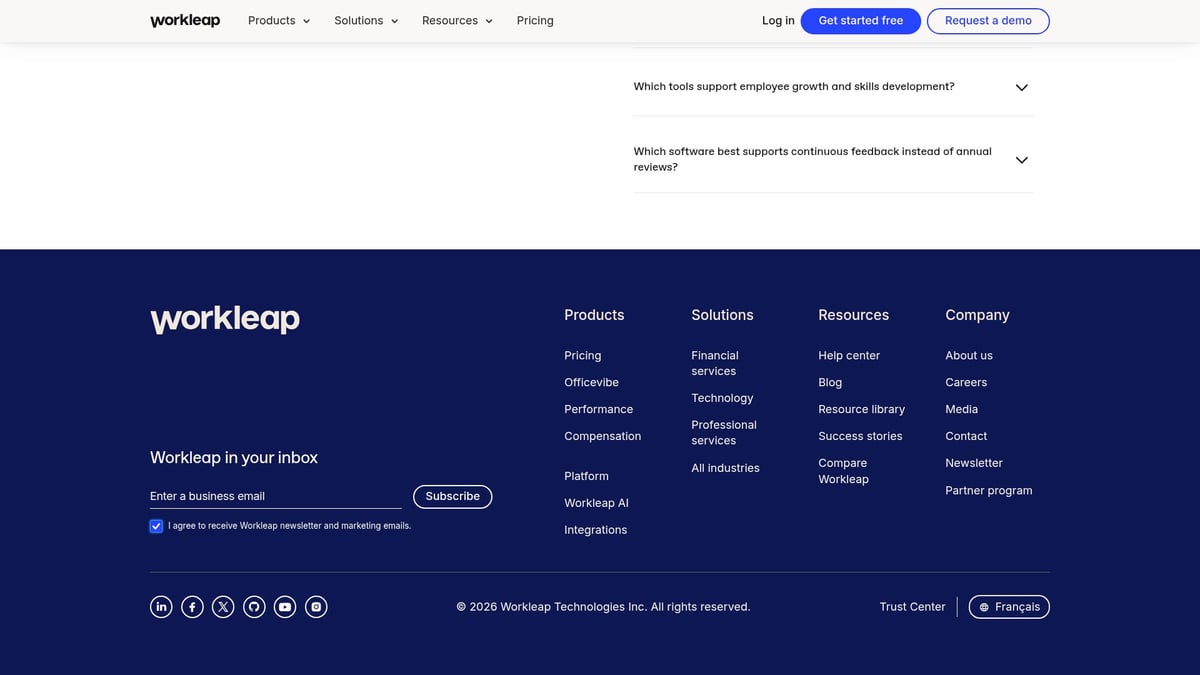
Remote work is here to stay, and great saas ideas in team engagement are vital. These platforms, like Officevibe, offer free tiers and affordable paid plans from $5 per user per month, making them accessible for distributed teams.
Core features:
- Virtual team-building
- Engagement analytics
- Feedback and recognition tools
Key benefits:
- Boosts morale
- Reduces turnover
- Strengthens remote culture
Target audience: Remote-first companies, HR, distributed teams
Pros:
- Actionable insights
- Simple onboarding
- Enhanced communication
Cons:
- Cannot fully replicate in-person bonding
Unique selling points: Gamified engagement, AI sentiment analysis
Officevibe’s impact on remote productivity demonstrates why these great saas ideas are gaining popularity with modern organizations.
3. SaaS Validation – Validate Your SaaS Idea Before Building
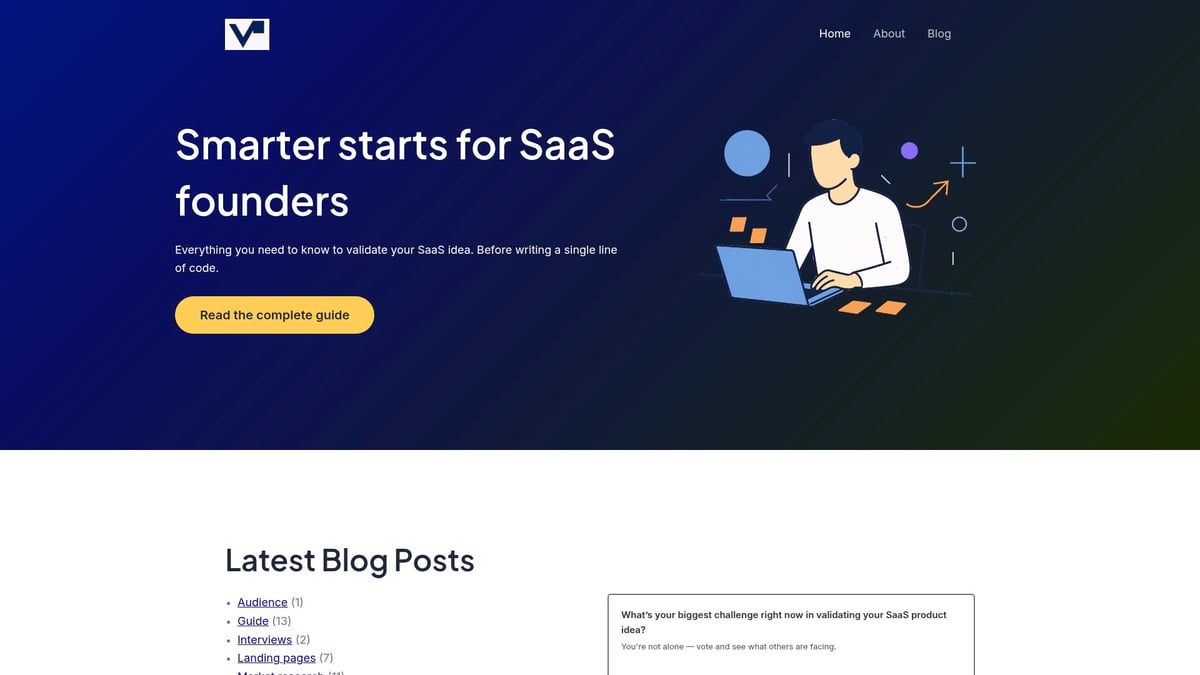
Founders want to minimize risk, and great saas ideas for validation platforms can make all the difference. SaaS Validation offers comprehensive, free resources to help you test your concept before investing heavily.
Core features:
- Step-by-step validation guides
- Expert interviews
- Market research tools
- MVP and landing page strategies
Key benefits:
- Saves resources
- Reduces risk
- Increases product-market fit odds
Target audience: Early-stage SaaS founders, product managers, startup teams
Pros:
- Actionable advice
- Up-to-date trends
- Real-world examples
Cons:
- No direct development services
Unique selling points: Community-driven insights, exclusive focus on validation
Many founders have refined and launched successful products thanks to these great saas ideas, proving the value of pre-build validation.
4. AI-Driven Personalized Learning Management Systems
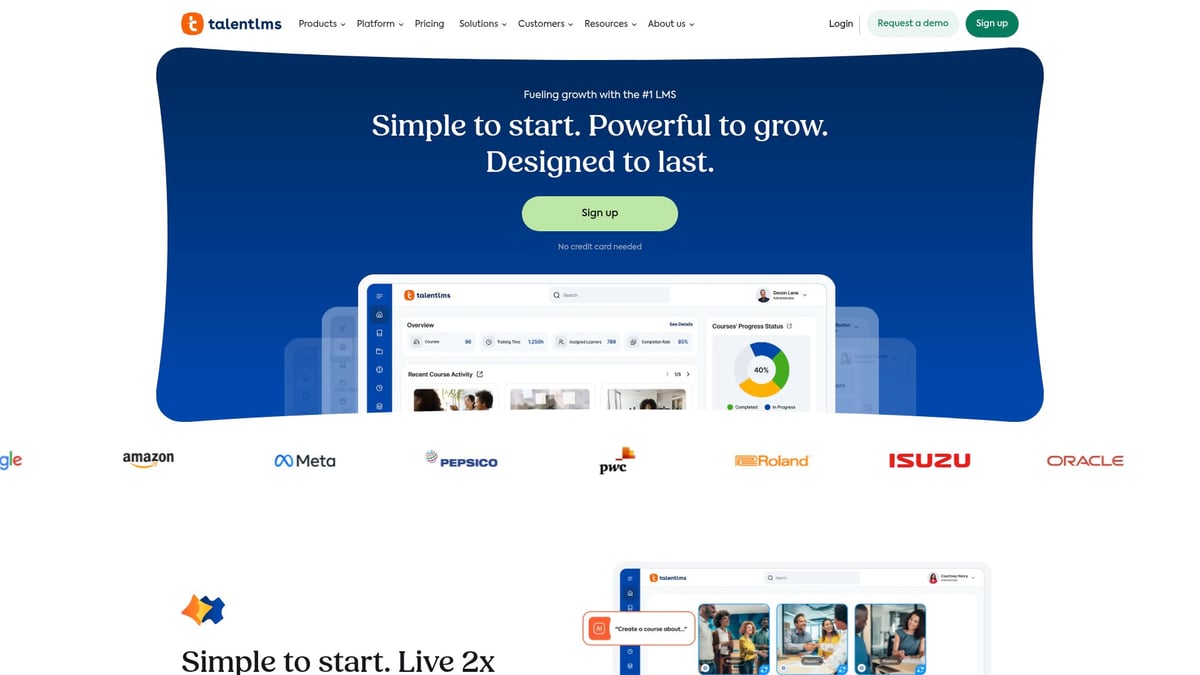
Education and corporate training are evolving, and great saas ideas in adaptive learning are driving this transformation. TalentLMS, with plans starting at $69 per month, delivers personalized, scalable solutions for organizations.
Core features:
- Adaptive learning paths
- AI content recommendations
- Learner analytics
Key benefits:
- Improves outcomes
- Customizes training
- Scales easily
Target audience: Educational institutions, L&D teams, course creators
Pros:
- Personalization
- Automated administration
- Supports diverse content
Cons:
- May need HR integration
Unique selling points: Easy course creation, AI-driven personalization
Global adoption of TalentLMS proves that great saas ideas in learning technology are resonating across industries.
5. Automated Financial Forecasting & Scenario Planning
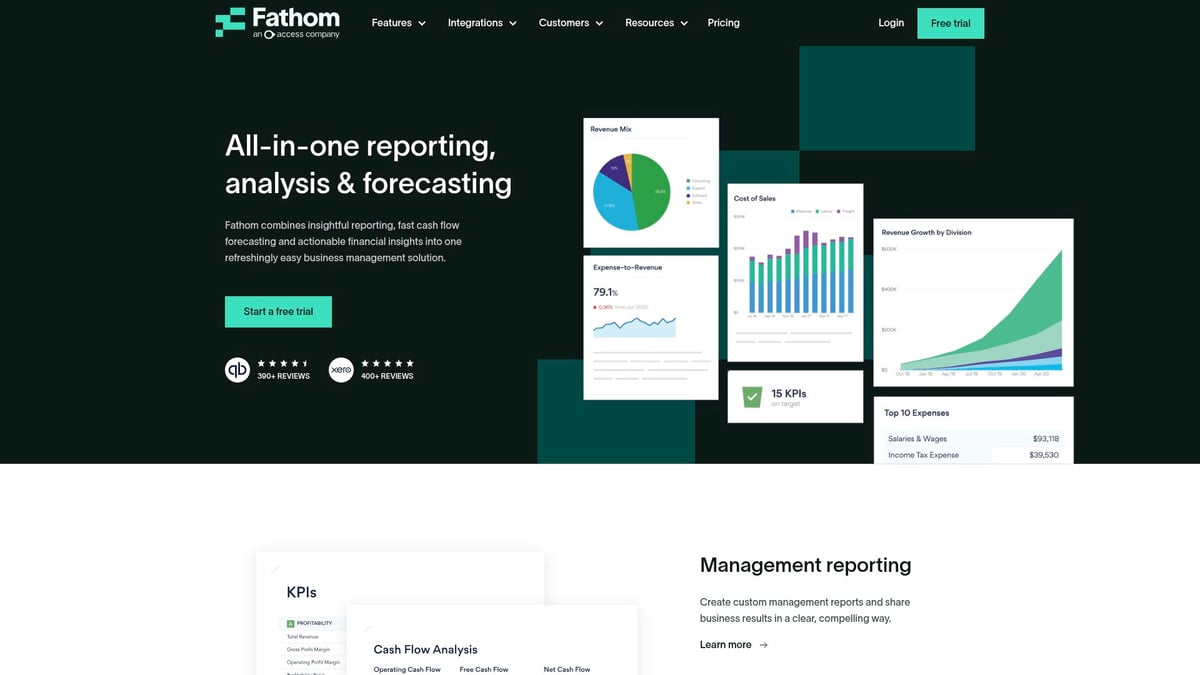
Finance teams rely on data, and great saas ideas that offer real-time forecasting are in high demand. FathomHQ starts at $44 per month and helps businesses plan strategically.
Core features:
- Real-time financial modeling
- Scenario analysis
- Automated reporting
Key benefits:
- Increases forecasting accuracy
- Saves time
- Supports strategic planning
Target audience: CFOs, startups, SMBs, finance teams
Pros:
- Visual dashboards
- Integration with accounting tools
- Customizable forecasts
Cons:
- Learning curve for advanced models
Unique selling points: Scenario simulation, automated data sync
Fast-growing startups have adopted these great saas ideas to stay agile and competitive in changing markets.
6. No-Code AI Workflow Automation Tools
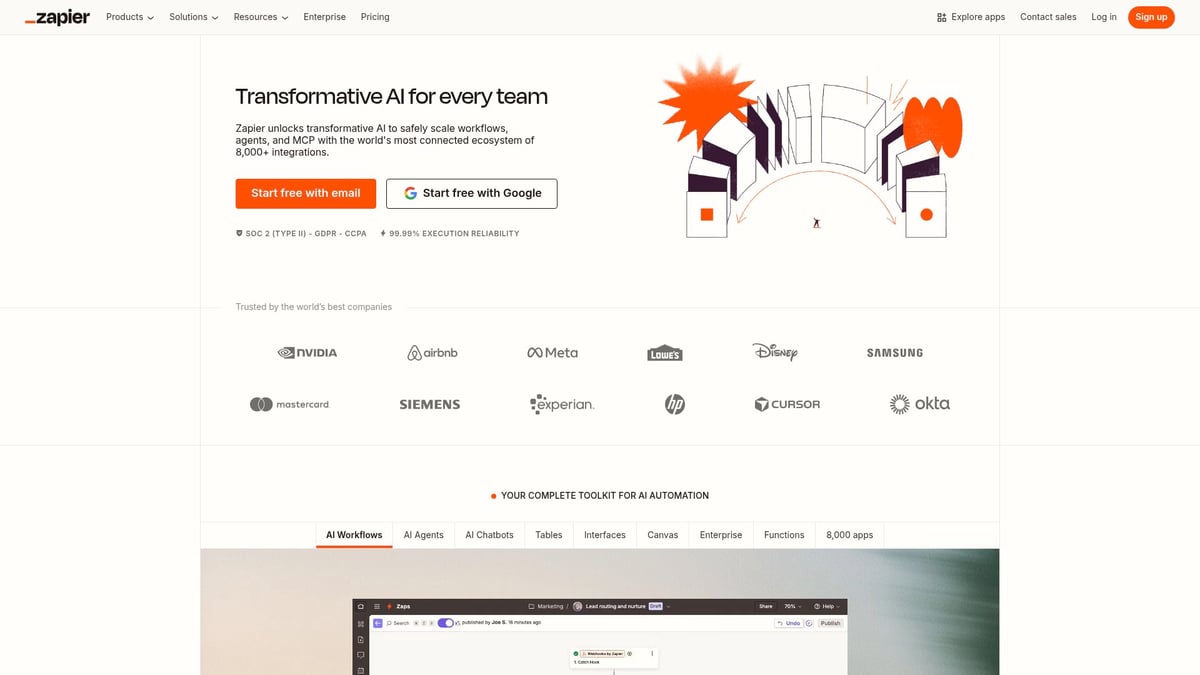
Automation is essential, and great saas ideas in no-code AI workflow tools empower non-technical users. Zapier offers a free tier and paid plans starting at $19.99 per month.
Core features:
- Drag-and-drop workflow builder
- AI automation triggers
- Integration with 5,000+ apps
Key benefits:
- Accelerates digital transformation
- Reduces manual work
- Empowers business users
Target audience: SMEs, marketing teams, operations managers
Pros:
- Easy to use
- Flexible
- Scalable
Cons:
- Advanced features require premium plans
Unique selling points: No-code interface, extensive app ecosystem
Businesses automate processes efficiently with these great saas ideas, freeing teams to focus on growth.
7. Privacy-First Customer Data Platforms
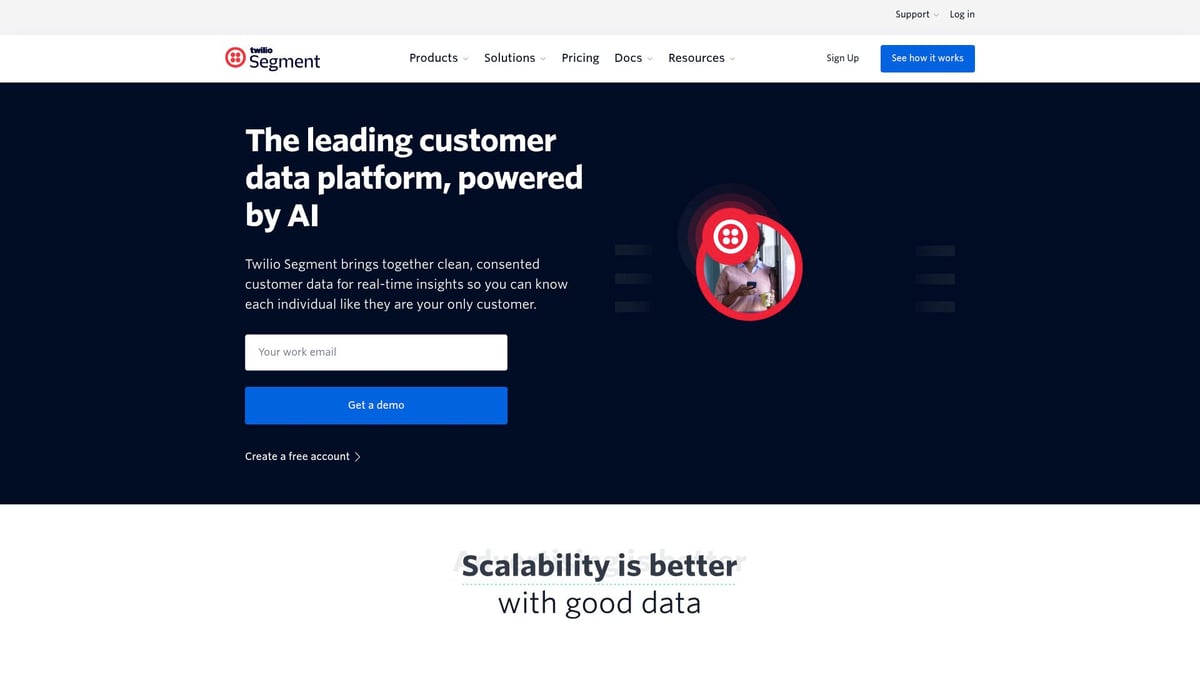
Data privacy is a top concern, and great saas ideas that prioritize compliance are essential. Segment offers a robust platform with a free tier, and paid plans begin at $120 per month.
Core features:
- Centralized customer data
- Consent management
- GDPR/CCPA compliance tools
Key benefits:
- Builds trust
- Streamlines data management
- Supports compliance
Target audience: Marketing teams, analysts, privacy-focused organizations
Pros:
- Real-time updates
- Robust integrations
- Strong privacy controls
Cons:
- Advanced features can be costly
Unique selling points: Privacy-first design, regulatory support
Privacy-conscious brands are adopting these great saas ideas to meet rising regulatory standards and customer expectations.
8. Vertical SaaS for Specialty Healthcare Practices
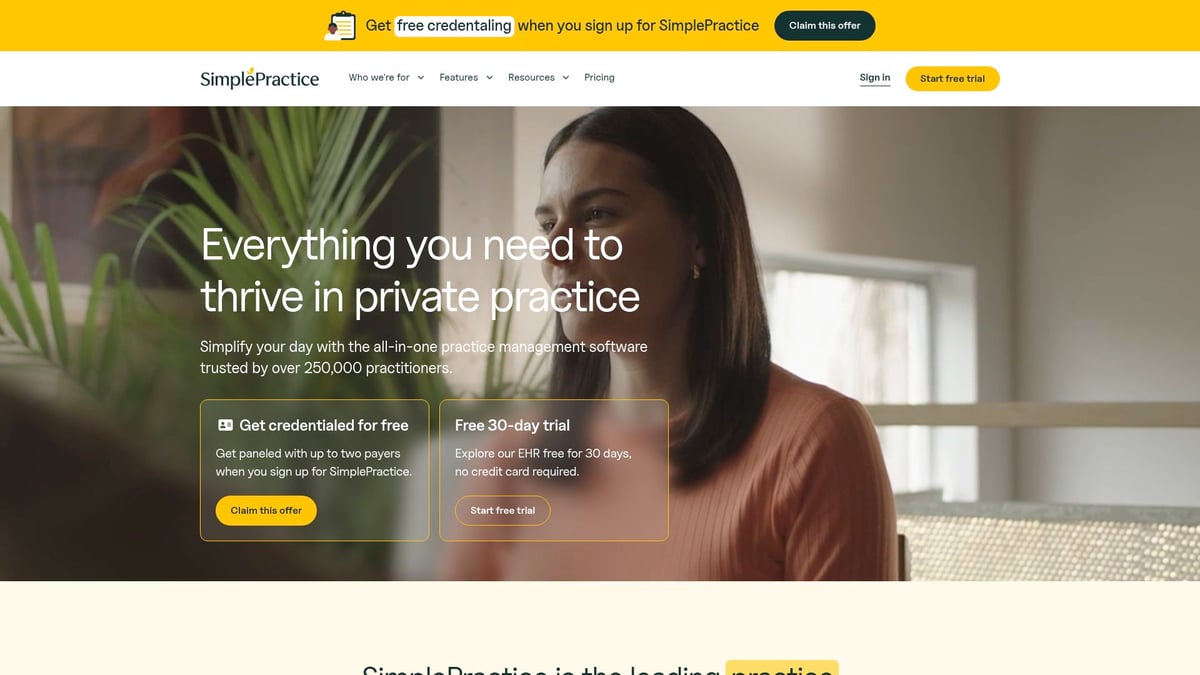
Niche markets present big opportunities, and great saas ideas tailored for healthcare specialties stand out. SimplePractice starts at $29 per month and delivers industry-specific solutions.
Core features:
- Patient scheduling
- Telehealth
- E-prescriptions
- Compliance tracking
Key benefits:
- Improves patient care
- Streamlines administration
- Tailored to unique needs
Target audience: Therapists, chiropractors, specialty clinics
Pros:
- HIPAA compliance
- Intuitive UI
- Industry-specific features
Cons:
- Limited to certain healthcare niches
Unique selling points: Deep vertical integration, specialty templates
SimplePractice’s growth among health professionals highlights the demand for great saas ideas in vertical SaaS.
9. Sustainability & ESG Management SaaS
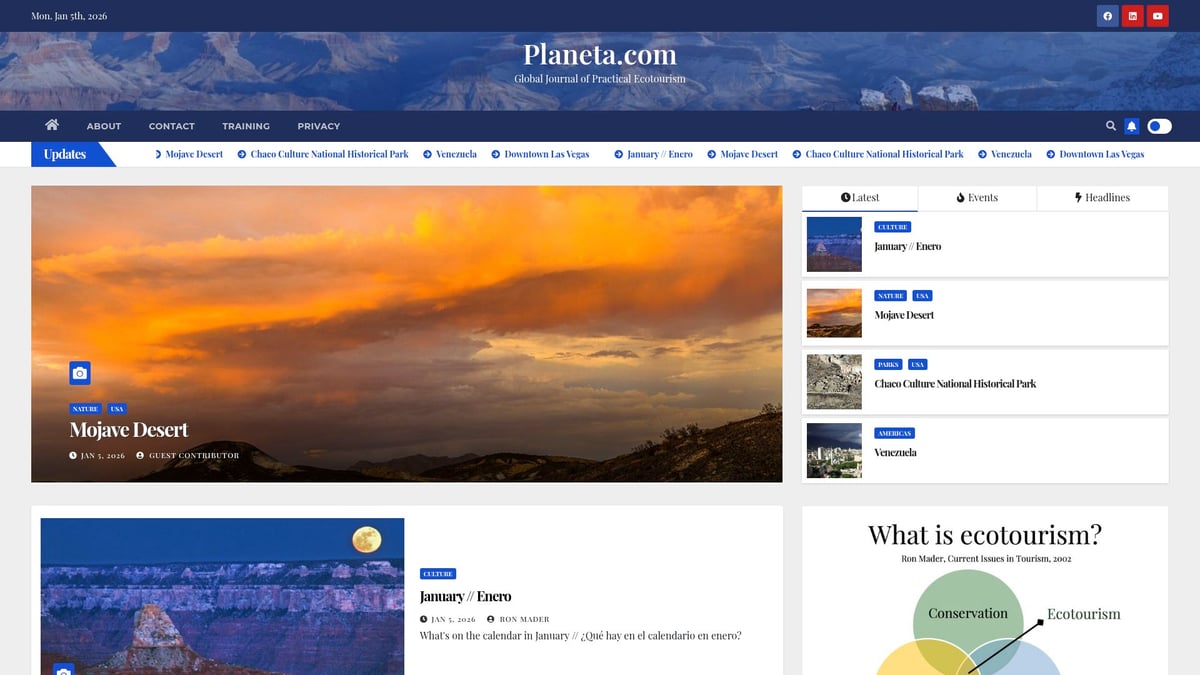
Sustainability is a top priority, and great saas ideas for ESG management are gaining traction. Planeta, starting at $500 per month, offers powerful tools for enterprises.
Core features:
- ESG reporting
- Carbon footprint tracking
- Compliance dashboards
Key benefits:
- Simplifies sustainability tracking
- Enhances brand reputation
- Supports regulatory reporting
Target audience: Enterprises, sustainability officers, ESG consultants
Pros:
- Comprehensive analytics
- Automated data collection
- Customizable reports
Cons:
- Enterprise-level pricing
- May require onboarding
Unique selling points: End-to-end ESG management, supply chain integration
Global corporations are implementing these great saas ideas to meet sustainability goals and regulatory obligations.
How to Evaluate and Validate a SaaS Idea Before Launch
Validating great saas ideas before building is the single most effective way to reduce risk and maximize your chances of success. With SaaS competition increasing rapidly, it is no longer enough to have a unique concept. You must ensure your solution addresses a real market need, resonates with your target audience, and stands out in a crowded landscape. Rigorous validation saves founders from costly mistakes, helping them avoid building products that fail to gain traction.
Why Validation is Crucial for Great SaaS Ideas
Launching great saas ideas without validation is like sailing without a map. According to CB Insights, 42% of startups fail because there is no market need for their product. This statistic highlights the importance of understanding your target market’s pain points and ensuring your SaaS truly solves them. Successful SaaS companies like Dropbox started with simple MVPs, testing demand before investing in full-scale development.
Validation also helps you differentiate from competitors. In a market where user-centric solutions are valued, gathering early feedback allows you to refine features and align your offering with what users actually want. By validating great saas ideas, founders can build products customers are eager to pay for, not just admire.
Step-by-Step Evaluation Process
A structured evaluation process gives great saas ideas the best chance at success. Start by conducting thorough market research to identify existing solutions and gaps. Engage in customer discovery through interviews, surveys, and open conversations. These steps reveal whether your idea resonates and what features matter most.
Next, build a minimum viable product (MVP) or a simple landing page to gauge real interest. Offer early sign-ups or pre-sales to validate willingness to pay. Pilot programs with select users can uncover usability issues and highlight further opportunities. Throughout, track engagement and collect honest feedback. This iterative approach ensures great saas ideas evolve into solutions people need.
Actionable Tips for Testing Great SaaS Ideas
- Launch a landing page describing your SaaS and track sign-ups.
- Run paid ads to assess demand and gather leads.
- Offer pre-sales or early access to test willingness to pay.
- Use pilot programs with a small group of target users.
- Collect continuous feedback through surveys, interviews, and analytics.
For founders aiming to validate great saas ideas efficiently, platforms like SaaS idea validation strategies provide step-by-step frameworks, case studies, and expert insights. Leveraging these resources can streamline your process and help you avoid common missteps.
Pitfalls to Avoid and the Importance of Iteration
Many founders become attached to their great saas ideas and overlook crucial feedback. Confirmation bias, skipping customer interviews, or building before testing are common traps. Remember, even the most promising concepts can fail without real market need.
Continuous iteration is vital. Use agile methodologies to refine your SaaS based on user input and measurable results. Validate each new feature or pivot with real users. By prioritizing validation and learning from each step, you’ll maximize your chances of transforming great saas ideas into successful, market-ready products.
Key Trends Shaping the Future of SaaS in 2026
The SaaS industry is evolving at a breakneck pace, driven by advances in technology and shifting global demands. As 2026 approaches, several key trends are shaping the way great saas ideas are conceived, built, and launched. Understanding these trends is crucial for founders aiming to create solutions that stand out in a competitive market.
The Impact of Emerging Technologies
Artificial intelligence, machine learning, edge computing, and blockchain are redefining what SaaS platforms can achieve. Tools with AI-driven automation, predictive analytics, and intelligent workflows are enabling great saas ideas to solve complex problems faster and more accurately.
AI is no longer an optional add-on. Instead, it is at the core of next-generation SaaS, powering everything from customer support chatbots to smart financial forecasting. Platforms that leverage these technologies can offer hyper-personalized experiences and real-time insights. For more on this transformation, see how AI-powered SaaS innovation is unlocking new possibilities.
Vertical SaaS and Niche Solutions on the Rise
A major trend is the shift from broad, horizontal platforms to specialized, vertical SaaS solutions. These tools are tailored to the unique needs of specific industries, such as healthcare, legal, or education. As a result, founders are focusing on great saas ideas that address niche pain points with deep domain expertise.
This vertical focus allows companies to penetrate markets more effectively and deliver higher value to users. The popularity of micro-SaaS and vertical SaaS is expected to surge in the coming years. Explore more about this movement in Vertical SaaS and micro-SaaS trends.
Security, Privacy, and Remote Work Enablement
With increasing data breaches and stricter regulations, privacy and compliance are top priorities for SaaS developers. Platforms that provide robust security features and transparent data practices are becoming the new standard for great saas ideas.
At the same time, the rise of remote and hybrid work models is fueling demand for collaboration tools and virtual engagement platforms. Solutions that enable seamless teamwork, secure file sharing, and real-time communication are essential for modern businesses.
Sustainability, ESG, and Future-Proofing SaaS
Sustainability and ESG (Environmental, Social, and Governance) features are now integral to enterprise SaaS strategies. Stakeholders expect platforms to help track carbon footprints, manage compliance, and report on ESG metrics. As a result, great saas ideas increasingly incorporate sustainability dashboards and automated reporting tools.
Looking ahead, experts predict that SaaS investment will concentrate on platforms that are agile, scalable, and adaptable to future market shifts. By staying attuned to these trends, founders can ensure their solutions remain relevant and competitive well beyond 2026.