Landing page blogs are rapidly transforming how brands connect with their audiences in 2026. As digital experiences become more dynamic, a landing page blog is no longer just a repository of articles, but a powerful tool for driving engagement and conversions.
Did you know that interactive and personalized landing page blogs are now outperforming traditional formats across nearly every industry? In this post, you will discover actionable inspiration and innovative strategies to help your brand stand out.
Ready to elevate your approach? Explore these seven standout landing page blog ideas, tailored for marketers, designers, SaaS founders, and content creators looking to boost results in 2026.
Why Landing Page Blogs Matter in 2026
The landing page blog is no longer a simple afterthought. In 2026, it has become a strategic powerhouse for brands aiming to capture leads, build authority, and convert visitors into loyal customers.
User expectations have changed rapidly. With AI-driven web technologies and enhanced design tools, audiences now demand interactive, visually engaging, and highly personalized experiences. Static content rarely holds attention. Instead, a modern landing page blog must deliver immersive journeys that invite users to explore, learn, and take action.
Recent statistics underscore this shift. According to average landing page conversion rates, well-optimized landing pages see conversion rates ranging from 4% to over 10% across industries. Content marketing ROI continues to climb, with companies reporting that blogs focused on specific user needs generate up to 13 times more positive ROI than traditional outbound efforts.
The landing page blog also plays a pivotal role in SEO. For SaaS, e-commerce, and thought leadership brands, these pages help target long-tail keywords, answer critical user questions, and establish topical authority. Google’s algorithms now prioritize content that is both relevant and user-centric. By combining search optimization with engaging storytelling, brands can improve visibility and organic traffic.
Mobile-first design and accessibility are no longer optional. A landing page blog must deliver seamless experiences across devices and support users with varying needs. Features like large tap targets, readable typography, and alt text for images are standard best practices. Brands that prioritize accessibility not only expand their audience but also demonstrate genuine commitment to user experience.
Many leading brands have embraced the landing page blog format for product launches and customer education. SaaS companies, for example, create interactive guides and onboarding blogs that walk users through complex features. E-commerce brands showcase video reviews, customer stories, and buying guides directly on their landing pages, turning casual browsers into confident buyers.
To stand out in a crowded digital landscape, innovation is essential. The best landing page blog strategies now include multimedia integration, dynamic personalization, and ongoing experimentation. Storytelling, user-generated content, and real-time social proof are becoming standard features. As competition intensifies, brands that continually adapt their landing page blog approach will lead the way in engagement and conversion.
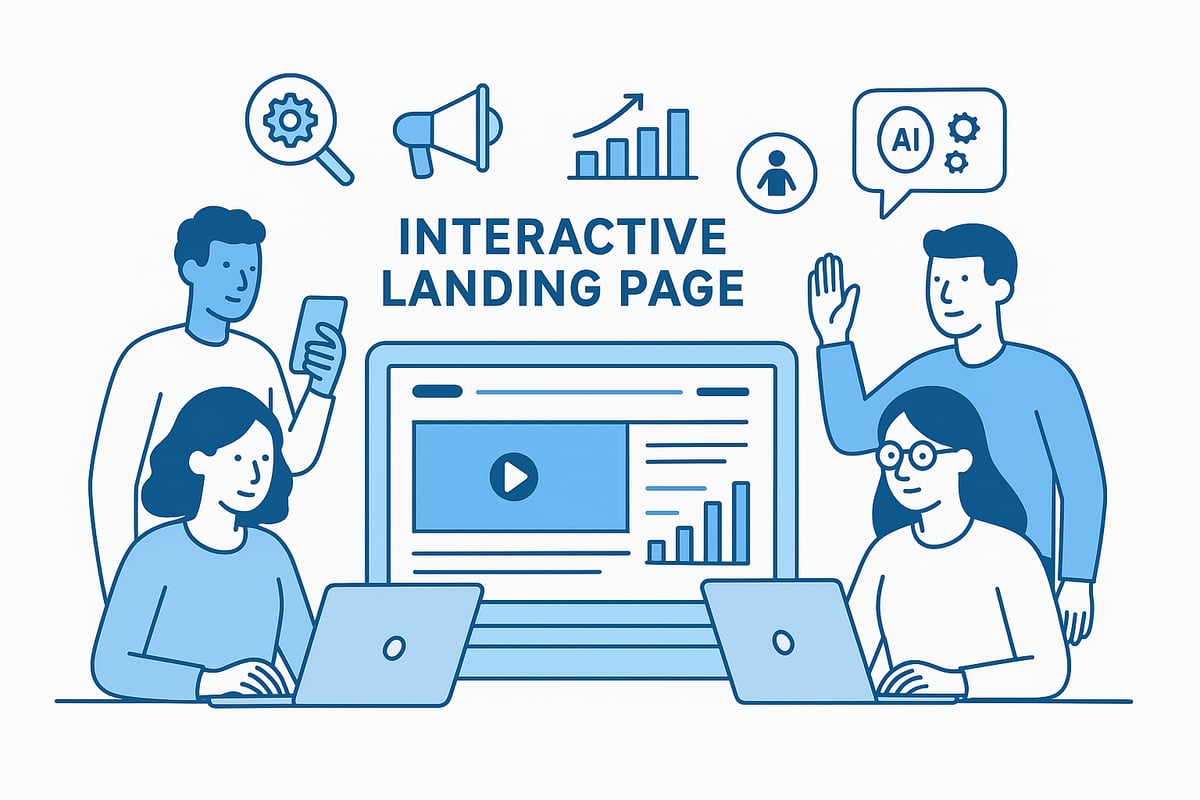
7 Standout Landing Page Blog Ideas to Inspire You in 2026
Staying ahead in content marketing requires ongoing innovation, especially as the digital landscape evolves. These seven standout ideas for your landing page blog are designed to help you capture attention, boost engagement, and drive conversions in 2026. Whether you are a SaaS founder, marketer, designer, or content creator, these strategies will inspire new approaches for your next landing page blog.
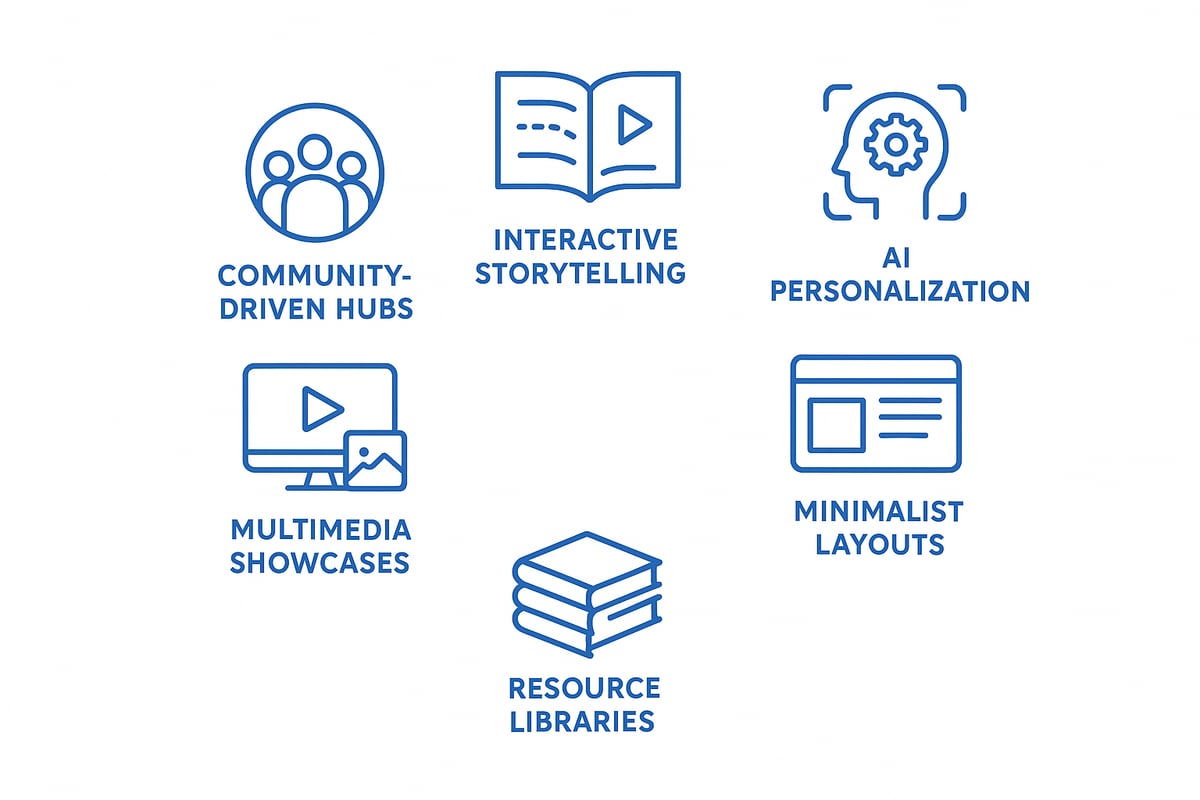
1. Interactive Storytelling Experiences
Transforming a landing page blog from a static scroll into an interactive journey is a trend gaining momentum in 2026. Imagine guiding users through your story using scroll-triggered animations, quizzes, and branching narratives. This approach not only captivates readers but also makes your message memorable.
For example, a SaaS onboarding blog might use interactive demos to walk visitors through new features. As users progress, they encounter clickable hotspots, embedded polls, and decision points that personalize the experience. This type of landing page blog increases time on page and encourages deeper exploration of your brand.
Benefits:
- Users engage longer and interact more deeply with your content.
- Interactive elements foster retention and recall.
- Gamified storytelling can drive viral sharing.
Ideal for: SaaS platforms, education providers, creative brands seeking to make a strong impression.
Pros:
- High engagement and memorable experiences.
- Differentiates your landing page blog from competitors.
Cons:
- Requires more development resources and planning.
- Can be complex to maintain across devices.
Many cutting-edge SaaS brands are already leveraging interactive blogs for product tours and onboarding. For inspiration, explore some of the Best SaaS Landing Pages Examples demonstrating immersive user journeys and fresh design concepts.
2. Personalization Powered by AI
Personalization is no longer a luxury but an expectation in every landing page blog. With AI advancements, you can tailor blog content, calls-to-action, and recommendations dynamically based on user behavior and preferences.
Consider a landing page blog that adapts its featured articles for returning visitors, showing content most relevant to their previous interests. AI-driven segmentation allows you to serve unique CTAs for new versus loyal users, maximizing conversion opportunities.
Benefits:
- Higher relevance and satisfaction for every reader.
- Improved retention and conversion rates.
- Smarter user journeys that evolve over time.
Ideal for: SaaS, e-commerce, and subscription-based services.
Pros:
- Enhanced user experience with context-aware content.
- Drives repeat visits and deeper engagement.
Cons:
- Data privacy and consent management are critical.
- Requires robust AI tools and analytics.
By integrating AI personalization into your landing page blog, you ensure each visitor feels recognized and valued, leading to stronger brand loyalty and measurable ROI.
3. Minimalist, Distraction-Free Layouts
In 2026, clarity and focus are crucial for any landing page blog. Minimalist designs featuring ample whitespace, bold typography, and subtle animations help guide users straight to your core message. This approach eliminates clutter and keeps attention on what matters most.
A minimalist landing page blog often uses a single-column layout, ensuring easy navigation and clear visual hierarchy. Prominent CTA buttons stand out, making it simple for users to take action, whether signing up for a newsletter or downloading a resource.
Benefits:
- Improves readability and reduces cognitive overload.
- Guides users smoothly toward conversion points.
- Delivers fast load times and smooth performance.
Ideal for: Thought leaders, creative agencies, portfolio sites.
Pros:
- Clean, professional appearance.
- Easy to maintain and optimize.
Cons:
- Risk of appearing too sparse if not carefully balanced.
- May lack visual excitement for some audiences.
To succeed with this style, every element on your landing page blog must serve a clear purpose. Strategic use of color and animation can add interest without introducing distractions.
4. Community-Driven Content Hubs
Building a sense of community within your landing page blog can significantly boost engagement and trust. By integrating user-generated content, polls, or live discussion sections, you invite your audience to contribute and interact.
SaaS platforms often showcase customer stories, Q&A sessions, or real-time feedback directly on their landing page blog. This approach not only provides fresh, authentic content but also demonstrates social proof to new visitors.
Benefits:
- Fosters long-term engagement and loyalty.
- Builds trust through real user experiences.
- Generates a steady stream of new content.
Ideal for: SaaS, community platforms, education brands.
Pros:
- Social proof encourages conversions.
- User contributions keep content fresh.
Cons:
- Requires active moderation and management.
- Potential for off-topic or negative contributions.
A successful community-driven landing page blog creates a virtuous cycle: the more users contribute, the more valuable and dynamic the platform becomes for everyone.
5. Multimedia Showcases and Video Integration
Modern audiences expect rich, multimedia experiences from every landing page blog they visit. Embedding high-quality videos, audio snippets, and interactive galleries can bring your story to life and cater to diverse learning preferences.
For instance, product walkthrough videos or founder interviews embedded in your landing page blog can simplify complex ideas and boost trust. Animated explainers or image sliders help convey information quickly and memorably.
Benefits:
- Appeals to visual and auditory learners.
- Increases shareability and dwell time.
- Enhances SEO with varied content formats.
Ideal for: Product launches, SaaS, creative services.
Pros:
- Higher engagement rates.
- Supports brand storytelling.
Cons:
- Unoptimized media can slow page load.
- Requires careful content planning and production.
A multimedia-rich landing page blog stands out in crowded digital spaces, especially when videos and galleries are seamlessly integrated for maximum impact.
6. Conversion-Optimized Resource Libraries
Gated resources remain a powerful lead generation tool for any landing page blog. By offering downloadable guides, checklists, or toolkits in exchange for contact information, you provide real value while growing your email list.
A landing page blog can organize these assets into categorized libraries, making it easy for users to find what they need. Smart opt-in forms, personalized by user intent, further increase conversion rates.
Benefits:
- Drives qualified leads and nurtures prospects.
- Positions your brand as a go-to authority in your field.
- Encourages repeat visits for updated resources.
Ideal for: SaaS, B2B, professional services.
Pros:
- Builds a valuable subscriber base.
- Enhances perceived value of your landing page blog.
Cons:
- Requires ongoing content updates and quality control.
- Gating too much content may reduce organic engagement.
To maximize results, ensure your landing page blog resource library is easy to navigate, visually appealing, and updated regularly.
7. Real-Time Social Proof and Dynamic Testimonials
Leveraging real-time social proof is a proven way to increase conversions on any landing page blog. Displaying live stats, recent signups, or dynamic testimonials creates a sense of momentum and urgency for new visitors.
For example, notification pop-ups can highlight recent downloads or showcase user feedback as it happens. This use of real-time data taps into the fear of missing out and builds trust instantly.
Benefits:
- Boosts credibility and perceived popularity.
- Encourages immediate action from visitors.
- Reinforces product or service value.
Ideal for: SaaS, e-commerce, service providers.
Pros:
- Enhances trust and transparency.
- Drives higher conversion rates.
Cons:
- Can be intrusive if overused or poorly timed.
- Needs careful integration to avoid disrupting the user journey.
A well-executed real-time social proof strategy transforms your landing page blog into a dynamic, trustworthy destination that motivates users to take the next step.
Design Trends Shaping Landing Page Blogs in 2026
The visual landscape for every landing page blog is evolving rapidly in 2026. Modern brands are reimagining design, leveraging technology and creativity to boost engagement and trust. Staying ahead of these trends is essential for marketers, designers, and SaaS leaders who want their landing page blog to stand out in a crowded digital space.

Major UI/UX Trends Transforming Blogs
Today’s landing page blog often features bold design choices like glassmorphism, neumorphism, and vibrant gradients. These styles create depth and visual intrigue without overwhelming users. Designers embrace clean layouts, large typography, and whitespace, ensuring content remains the focal point.
Motion is also on the rise. Subtle hover effects and smooth transitions guide visitors through the landing page blog experience. These UI/UX trends strike a balance between aesthetics and usability, making the blog both memorable and easy to navigate.
AI and Automation in Visual Storytelling
AI-generated visuals and content are revolutionizing the landing page blog workflow. Automated tools can now produce custom illustrations, generate on-brand graphics, and even tailor layouts in real time based on user data.
For those seeking inspiration or practical tools, this Design trends in landing pages guide covers some of the most innovative platforms and visual strategies. Automation allows teams to iterate faster, maintain consistency, and deliver a personalized experience at scale.
Micro-Interactions and Accessibility Standards
Micro-interactions, such as animated buttons or real-time feedback, keep readers engaged throughout the landing page blog. These small touches add delight and reinforce brand personality.
Equally important is accessibility. Leading blogs adopt inclusive design practices, using high-contrast color schemes, readable fonts, and keyboard navigation. Accessibility is no longer optional, as regulations and user expectations demand every landing page blog be usable by everyone.
Real-World Examples and User Preferences
Top SaaS, tech, and creative brands set the benchmark with immersive landing page blog designs. Many integrate interactive product demos, dynamic testimonials, and multimedia showcases to cater to diverse preferences.
Recent surveys show that users favor blogs with clear calls to action, fast load times, and adaptive layouts. For more actionable strategies, explore Creating High-Converting Landing Pages, which offers insights into optimizing blog design for conversions.
Actionable Tips for 2026 Success
To maximize the impact of your landing page blog, focus on these essentials:
- Prioritize fast load times by optimizing images and code
- Test across devices and browsers for consistent experiences
- Use A/B testing to refine layouts, colors, and messaging
- Collaborate with designers and developers for seamless execution
Balancing visual flair with performance is the hallmark of a successful landing page blog in 2026. Innovation, paired with accessibility and usability, ensures your brand remains ahead in an ever-changing digital world.
How to Implement These Ideas for Maximum Impact
Creating a high-performing landing page blog in 2026 starts with a clear, strategic roadmap. First, assess your audience, brand goals, and resources. Identify which of the seven standout ideas align with your messaging and target users. Map out your priorities, focusing on features that drive the most impact, such as interactivity or personalization.

Choose the Right Tools and Platforms
Select robust platforms that support your desired features and scale with your needs. Options like Webflow, Framer, and WordPress offer flexibility for building and customizing your landing page blog. For SaaS validation or rapid prototyping, explore this list of tools for validating your SaaS idea with a landing page. Consider integrations for analytics, personalization, and accessibility to future-proof your project.
Test, Analyze, and Optimize
Launching your landing page blog is just the start. Use A/B testing to compare layouts, CTAs, and content types. Dive into analytics to track user behavior, engagement, and conversion performance. Continuous optimization is essential for long-term growth. For more guidance on maximizing results, consult your complete guide to SEO and blogging in the AI era.
Foster Collaboration and Iterate
Work closely with designers, developers, and marketers to ensure alignment and creativity. Schedule regular feedback sessions to review performance and uncover new opportunities. Iteration is key—use feedback loops to refine your landing page blog, address pitfalls, and adapt to evolving user needs. With this process, your blog will remain relevant and competitive.