The digital economy is evolving rapidly, and those who learn about saas are positioned to lead in 2026. SaaS adoption is projected to top $400 billion, transforming how organizations operate and compete.
This essential guide will help you learn about saas, breaking down its fundamentals, latest trends, and practical steps for leveraging SaaS to fuel business growth. Discover how leading companies use SaaS for agility, cost savings, and innovation.
Ready to unlock the full potential of SaaS? Dive in for expert insights, actionable strategies, and a roadmap to success in the digital landscape of 2026.
Understanding SaaS: Fundamentals and Evolution
Software as a Service, or SaaS, is transforming how organizations access and use essential business tools. If you want to learn about saas, start with its core principle: software delivered over the internet, accessible from anywhere, and maintained by the provider. Unlike traditional software, which requires local installation and one-time licenses, SaaS solutions use a subscription model, offer remote access, and handle updates automatically. Popular examples include Salesforce, Slack, and Microsoft 365. Key characteristics of SaaS are cloud-based delivery, flexible pricing, and seamless scalability. The SaaS market is surging, with projections it will exceed $400 billion by 2026, reflecting its widespread adoption. For a comprehensive introduction, explore this SaaS fundamentals and overview resource.
Defining SaaS: What It Is and How It Works
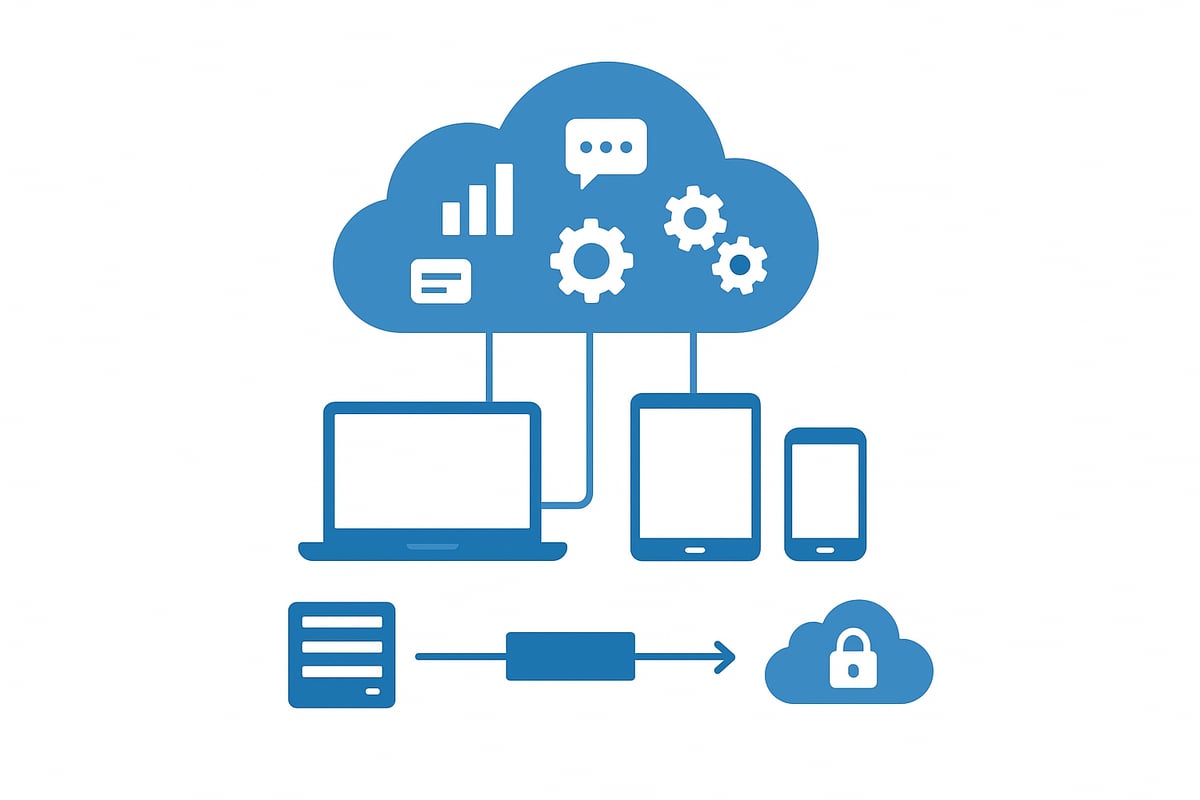
To learn about saas, you need to understand its delivery model. SaaS platforms operate through the cloud, allowing users to log in via web browsers without installing software locally. This contrasts with legacy software, which often required physical media and manual updates. Today, SaaS is defined by features such as multi-tenancy, centralized management, and automatic patches. Subscription pricing lowers upfront costs and simplifies budgeting. Leading SaaS products like Salesforce and Microsoft 365 exemplify the model's flexibility and accessibility. The global SaaS market's explosive growth highlights the increasing reliance on cloud-based solutions.
The Evolution of SaaS: Past to Present
The journey to learn about saas includes understanding its evolution. SaaS originated from Application Service Providers (ASPs) in the late 1990s, but broadband and virtualization unlocked its true potential. Key milestones include the adoption of multi-tenancy, API-first development, and the integration of open-source tools. The rise of DevOps accelerated deployment speeds and improved reliability. A notable example is Zoom, which emerged as a leader in remote collaboration during the global shift to remote work. This evolution has made SaaS a cornerstone of digital business today.
SaaS in 2026: What’s New and What’s Next
To fully learn about saas, you must look ahead to 2026. Major trends include deep AI integration, industry-specific (vertical) SaaS, and the rise of low-code or no-code platforms. Sectors like healthcare, education, and government are rapidly adopting SaaS for their specialized needs. Statista predicts that by 2026, 60 percent of business workloads will run on SaaS platforms. Next-generation SaaS is characterized by AI-powered analytics and tailored platforms for unique industries, reshaping how organizations operate and compete.
SaaS Business Models and Pricing Strategies
A key aspect when you learn about saas is understanding how providers structure their offerings. SaaS business models include subscription, freemium, usage-based, and tiered pricing. More recently, value-based and outcome-based strategies are gaining traction. Each model has strengths and drawbacks: subscriptions offer predictability, while usage-based models align costs with activity. HubSpot is a prime example, using a freemium approach to attract users and then upselling premium features. The table below summarizes these strategies:
| Model | Pros | Cons |
|---|---|---|
| Subscription | Predictable revenue | May not fit all users |
| Freemium | Easy adoption | Monetization challenges |
| Usage-based | Cost aligns with use | Revenue unpredictability |
| Tiered | Flexible for segments | Complexity in pricing |
Key Players and Market Landscape
To learn about saas comprehensively, it is essential to know the market's major players. Industry leaders like Microsoft, Adobe, Shopify, and ServiceNow shape the global SaaS landscape. Alongside these giants, regional and niche providers are gaining ground by targeting specific industries or business needs. Market consolidation is ongoing, with mergers and acquisitions reshaping competition. The ecosystem now features both broad platform providers and specialized apps, fostering innovation and choice for businesses worldwide.
The Benefits of SaaS for Businesses in 2026
Unlocking the true value of SaaS is essential for any organization aiming to stay competitive in the digital landscape. As you learn about saas, it becomes clear that the benefits extend well beyond simple software delivery. In 2026, SaaS solutions are redefining how businesses operate, collaborate, and grow.

Cost Efficiency and Scalability
One of the most compelling reasons to learn about saas is its ability to reduce upfront costs while offering unmatched scalability. Traditional software often requires large capital investments in hardware, licenses, and maintenance. In contrast, SaaS operates on a subscription model, enabling businesses to pay only for what they use. This flexibility is especially valuable for startups and growing companies that need to scale quickly.
| Model | Upfront Cost | Ongoing Fees | Scaling Ease |
|---|---|---|---|
| Legacy | High | Medium | Low |
| SaaS | Low | Subscription | High |
According to SaaS market statistics for 2026, organizations continue to shift toward SaaS to optimize spending and adapt to market changes efficiently.
Accessibility and Collaboration
As you learn about saas, you will see how cloud-based platforms drive seamless access and teamwork. Employees can log in from anywhere, using any device, to access critical tools and data. This anytime, anywhere availability is essential for the modern, distributed workforce.
Collaboration features, such as shared documents and real-time messaging, empower teams to work together efficiently. Solutions like Google Workspace and Slack are prime examples, enabling instant communication and project management. The result is higher productivity and better alignment across departments.
Security, Compliance, and Reliability
A key reason to learn about saas is its focus on security and compliance. SaaS providers invest heavily in advanced security protocols, like SOC 2 and ISO 27001 certifications, to protect customer data. Automatic updates and patch management ensure that systems remain secure, reducing the risk of vulnerabilities.
Providers also offer robust data redundancy, regular backups, and high uptime guarantees through Service Level Agreements. This reliability gives businesses confidence that their operations will not be disrupted by unexpected outages or threats.
Innovation and Rapid Deployment
When you learn about saas, you discover how it accelerates innovation and product launches. SaaS platforms deliver continuous updates and new features without requiring manual installations. This allows businesses to stay ahead of competitors and respond quickly to changing market needs.
Rapid onboarding, easy integration with existing systems, and a rich ecosystem of add-ons enable organizations to experiment, iterate, and scale new solutions. Companies leveraging SaaS can bring new products and services to market faster, driving sustained growth and transformation.
How to Successfully Adopt SaaS: A Step-by-Step Guide
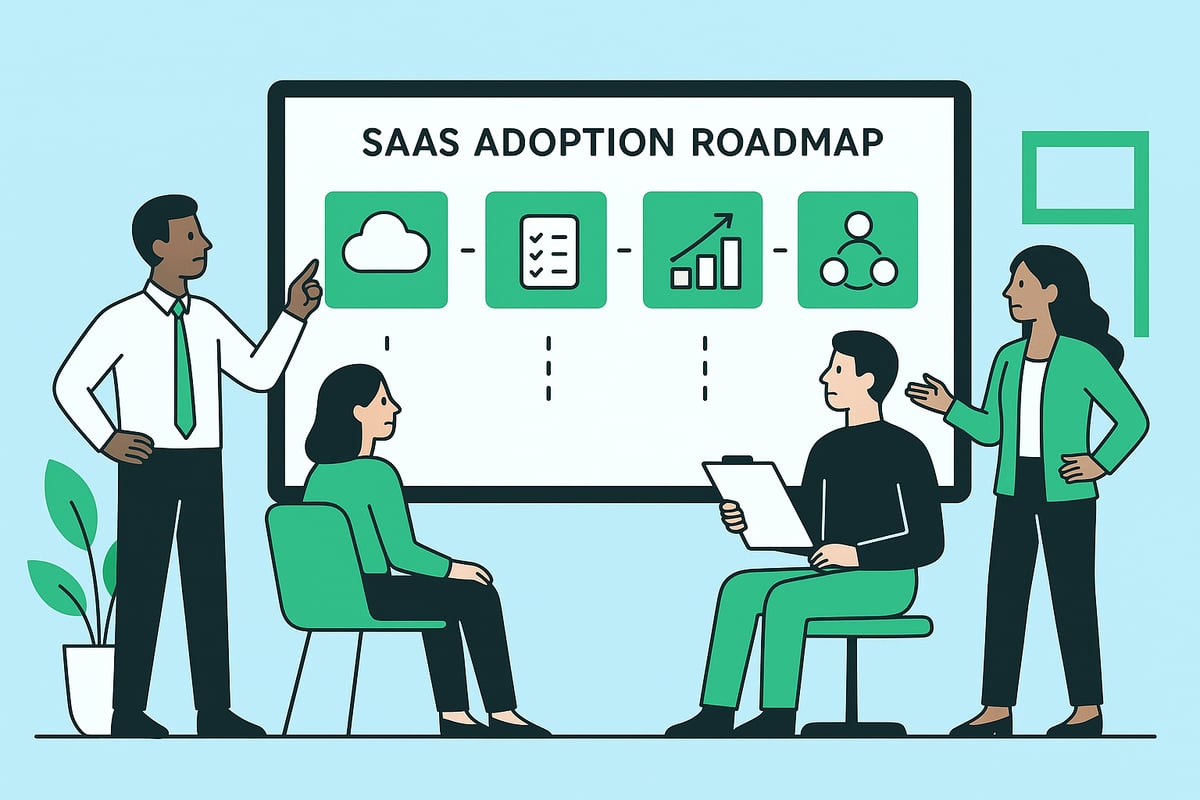
Adopting SaaS effectively in 2026 requires a structured approach that aligns technology with business goals. To learn about saas adoption, organizations need to follow a proven step-by-step process that minimizes risks and maximizes value. This guide breaks down the critical phases, ensuring you have the insights to make informed decisions and drive successful SaaS outcomes.
Assessing Organizational Needs and Readiness
Before you learn about saas implementation, begin with a clear assessment of your organization’s needs. Identify specific pain points in current workflows and determine how SaaS can address them. Evaluate your existing IT infrastructure and digital maturity to understand compatibility and readiness for cloud-based solutions.
Engage stakeholders early to foster alignment on goals and expectations. Consider the impact on processes, compliance, and data management. Change management planning is essential at this stage to ensure a smooth transition. By taking time to assess readiness, you set the stage for a successful SaaS journey and avoid unnecessary setbacks.
Researching and Selecting the Right SaaS Solutions
The next step as you learn about saas is to research and select solutions that match your requirements. Define critical features and functionalities your business needs. Compare vendors using reviews, case studies, and peer feedback to gain real-world insights.
Request demos and leverage free trials to validate usability and integration capabilities. Involve end users in the evaluation process to ensure the solution fits operational needs. Consider vendor reputation, security standards, and customer support. By carefully selecting the right SaaS tool, you increase adoption success and long-term satisfaction.
Planning Implementation and Integration
Proper planning is key when you learn about saas adoption. Develop a detailed implementation roadmap with clear milestones and responsibilities. Address data migration strategies to move information securely from legacy systems to the new SaaS platform.
Plan integration points with existing tools to maintain workflow continuity. Assign accountable roles for project management and technical execution. For a comprehensive overview of the process, review these steps to build a SaaS, which also highlight best practices for implementation and deployment. A structured plan ensures minimal disruption and accelerates time to value.
Managing User Adoption and Training
Driving user adoption is crucial as you learn about saas for your organization. Develop a comprehensive onboarding program to guide users through new features and workflows. Provide accessible training resources, such as tutorials, webinars, and live support, to address learning needs.
Create feedback loops to capture user experiences and refine processes. Recognize early adopters and champions to encourage wider participation. Ongoing support and engagement will help your team embrace SaaS tools more efficiently, leading to higher productivity and satisfaction.
Monitoring Performance and ROI
Once deployed, it is vital to learn about saas performance and measure return on investment. Set clear KPIs, such as user engagement, churn rate, and cost savings. Use built-in analytics dashboards for real-time monitoring of usage patterns and business impact.
Regularly review reports to identify areas for optimization. Adjust strategies based on data-driven insights to maximize outcomes. Transparent performance tracking not only demonstrates value but also supports continuous improvement in SaaS adoption.
Common Pitfalls and How to Avoid Them
Even as you learn about saas, common pitfalls can derail adoption. Underestimating change management can lead to resistance and low usage. Overlooking security and compliance requirements may expose your organization to risks. Failing to plan for scalability can limit future growth.
To avoid these issues, establish robust governance, prioritize data protection, and ensure your SaaS choices can scale with your business. Learning from real-world examples of failed implementations can further inform your strategy. A proactive approach helps safeguard your SaaS investment and ensures lasting success.
Challenges and Risks of SaaS in 2026
Navigating the challenges of SaaS adoption is essential for organizations that want to learn about saas and maximize value in 2026. While SaaS offers transformative benefits, understanding its risks is vital for long-term success. Let’s examine the most pressing concerns facing businesses today.

Data Privacy and Security Concerns
Security remains a top priority for companies that want to learn about saas. The rise in cyber threats, stricter regulations, and the complexity of cloud environments make SaaS security a moving target. Notably, SaaS misconfigurations account for 65% of security problems, highlighting the importance of robust configurations and regular audits.
Companies must comply with evolving standards such as GDPR and CCPA. Best practices include using encryption, applying strong access controls, and conducting frequent security assessments. Automatic updates can help, but organizations need to stay vigilant to prevent breaches.
Vendor Lock-In and Data Portability
As organizations learn about saas, vendor lock-in becomes a critical concern. Relying on a single provider can restrict flexibility and complicate future migrations. Data portability challenges also arise when moving information between platforms, risking business continuity.
To reduce these risks, businesses should:
- Prioritize vendors with open APIs and export options
- Negotiate clear contract terms around exit strategies
- Regularly test data migration processes
By planning ahead, companies can maintain control and adaptability in their SaaS journey.
Managing SaaS Sprawl and Shadow IT
When teams independently adopt new tools to learn about saas, SaaS sprawl and shadow IT can quickly emerge. This proliferation of unsanctioned apps increases security vulnerabilities, complicates compliance, and drives up costs.
Centralized SaaS management platforms help monitor app usage and enforce policies. Establishing clear procurement processes and regular audits further reduces risk. Empowering IT teams to oversee SaaS adoption ensures better governance and cost control.
Performance, Reliability, and Downtime Risks
Performance and reliability are crucial for those who learn about saas, as downtime can disrupt operations and erode trust. Even leading SaaS providers may experience outages, impacting mission-critical workflows.
To mitigate these challenges:
- Demand strong Service Level Agreements (SLAs) with uptime guarantees
- Consider multi-cloud strategies for redundancy
- Develop comprehensive disaster recovery plans
Proactive monitoring and contingency planning help organizations maintain business continuity, even when faced with unexpected incidents.
The Future of SaaS: Trends and Predictions for 2026 and Beyond
As we look ahead, the SaaS landscape continues to evolve at a rapid pace. Organizations eager to learn about saas are watching these trends to stay competitive and agile in the digital era. The following key themes will define the next chapter for SaaS through 2026 and beyond.
AI, Automation, and Hyper-Personalization
Artificial intelligence is fundamentally reshaping how businesses learn about saas platforms and use them to drive results. In 2026, AI is embedded into nearly every SaaS workflow, powering tasks like predictive analytics, smart recommendations, and automated customer support. Hyper-personalization is now the industry baseline, with platforms adapting in real time to individual user needs. For a deeper dive into this transformation, see how hyper-personalization becomes the minimum standard in SaaS marketing. As AI takes center stage, SaaS solutions deliver smarter, faster, and more relevant experiences, raising the bar for customer engagement.
Vertical SaaS and Industry-Specific Solutions
The demand to learn about saas offerings tailored to specific industries is skyrocketing. Vertical SaaS platforms—designed for sectors like healthcare, legal, or construction—provide deep functionality, regulatory compliance, and domain expertise that horizontal solutions cannot match. Their growth is outpacing the broader market, as organizations opt for tools that address unique workflows and challenges. Founders and teams can explore proven validation methods with Vertical SaaS validation steps to ensure product-market fit before scaling. This focus on specialization drives innovation and greater business impact.
Low-Code/No-Code Platforms and Democratization of SaaS
Empowering non-developers to build and customize software is changing how companies learn about saas and deploy technology. Low-code and no-code platforms like Airtable and OutSystems enable rapid prototyping and solution delivery without deep technical expertise. This democratization fosters innovation, allowing business users to solve problems directly. As these tools mature, organizations gain agility and can respond faster to market demands. The trend is making SaaS more inclusive, breaking down barriers between IT and business teams, and unlocking new productivity across all industries.
Sustainability and Green SaaS
Sustainability is becoming a core consideration for companies that want to learn about saas in 2026. SaaS providers are prioritizing green practices, such as powering data centers with renewable energy and optimizing code for energy efficiency. Many now include ESG reporting features to help customers track environmental impact. This shift not only meets regulatory and stakeholder expectations but also reduces operating costs. As businesses evaluate SaaS vendors, sustainability credentials are increasingly influencing their decision-making, signaling a new era of responsible digital transformation.
The Evolving Role of SaaS in Digital Transformation
SaaS is at the heart of digital transformation, enabling businesses to learn about saas innovations and integrate emerging technologies like IoT, blockchain, and edge computing. By 2026, SaaS platforms serve as the backbone for new business models, supporting global scalability and resilience. Market projections suggest continued explosive growth, with the SaaS market projected to reach $1.25 trillion by 2034. As organizations embrace SaaS, they position themselves for future success in an increasingly digital, competitive world.
Case Studies: Real-World SaaS Success Stories
Real-world success stories offer the most practical way to learn about saas and its impact on global business. By examining leading SaaS companies, you gain actionable insights into how strategic innovation and cloud technology drive growth, transformation, and resilience.
Enterprise Transformation: Adobe’s Shift to SaaS
Adobe’s transition from boxed software to the Creative Cloud platform redefined its business model. Instead of one-time purchases, Adobe adopted a subscription-based SaaS approach. This allowed users to access tools like Photoshop and Illustrator seamlessly via the cloud.
The shift led to recurring revenue, higher customer retention, and rapid feature updates. Adobe’s success shows how companies that learn about saas can future-proof their offerings and foster deeper customer loyalty.
Disrupting Industries: Shopify and E-Commerce SaaS
Shopify has become a global force in democratizing online commerce. By providing a cloud-based platform, Shopify enables over 4 million businesses to launch, manage, and scale e-commerce operations with minimal technical expertise.
Key benefits for those who learn about saas from Shopify’s model include:
- Turnkey store setup and hosting
- Integrated payment and shipping solutions
- Robust app marketplace for customization
Shopify’s SaaS approach empowers small businesses to compete with established players, driving innovation across the retail landscape.
Empowering SMBs: FreshBooks and Cloud Accounting
FreshBooks offers freelancers and small businesses an intuitive, cloud-based accounting platform. Its SaaS delivery simplifies invoicing, time tracking, and expense management, eliminating the need for complex on-premises software.
For those seeking to learn about saas advantages, FreshBooks demonstrates:
- Easy-to-use interfaces for non-accountants
- Mobile access for on-the-go updates
- Automated billing and reminders
User satisfaction remains high, with streamlined workflows and significant time savings reported by SMBs.
Enabling Remote Work: Zoom’s SaaS Journey
Zoom’s explosive growth during the pandemic highlighted the crucial role of SaaS in enabling collaboration and remote work. Its cloud-first video conferencing platform is renowned for reliability, scalability, and ease of use.
Organizations that learn about saas through Zoom’s example discover:
- Seamless onboarding for teams of any size
- High-quality video and audio performance
- Flexible integrations with productivity tools
Zoom’s success has reshaped workplace communication, making distributed teams more effective than ever.
SaaS Validation: The Importance of Idea Validation Before Building
Validating a SaaS idea before development is vital for success in 2026. Many entrepreneurs who learn about saas overlook the importance of early feedback and market fit. SaaS Validation offers founders guides, strategies, and a supportive community to reduce risk and increase product-market fit.
Explore SaaS Validation, a go-to platform for SaaS entrepreneurs to validate and refine their ideas before investing in full-scale development.