In 2026, rapid market shifts and changing consumer behaviors are transforming how companies approach the concept of market persona. To stay ahead, organizations must go beyond traditional methods and embrace new, data-driven strategies.
This guide equips you with practical steps to create and leverage effective market persona, ensuring your business connects with the right audience. You will learn what market persona are, why they matter, how to build them, and how to use advanced segmentation for success.
Ready for a roadmap to better targeting, improved ROI, and future-ready marketing? Start your journey here.
Understanding Market Personas in 2026
In 2026, market persona development stands at the forefront of marketing strategy. As digital transformation accelerates, understanding your audience requires more than guesswork or generic profiles. Brands that adapt quickly with accurate personas can personalize experiences at scale and outperform competitors.
Defining Market Personas for the Modern Era
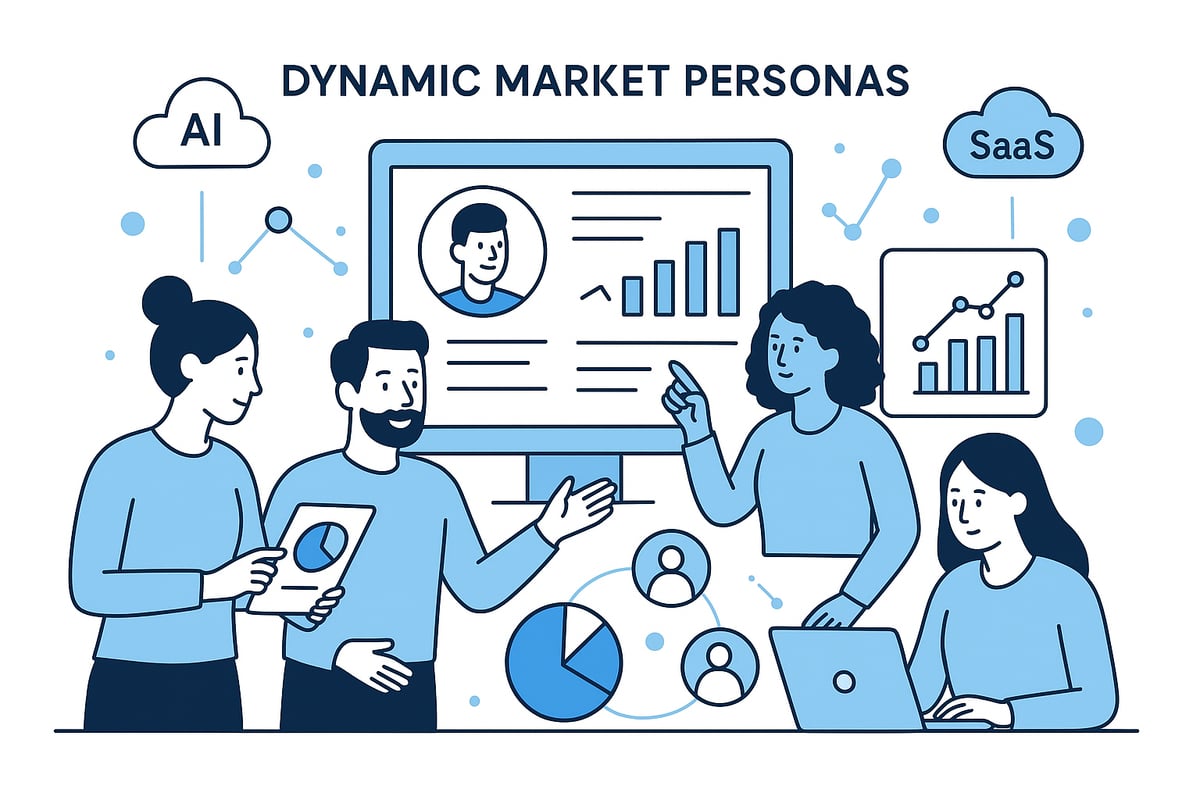
A market persona is a semi-fictional representation of a key customer segment, built from real data and insights. While a buyer persona focuses on individual purchasing behavior, a market persona zooms out to cover broader patterns, motivations, and needs across an entire audience group. The two concepts overlap, but market persona models are often more dynamic and strategic.
Historically, market persona profiles were static, relying on limited demographic data and assumptions. In 2026, these profiles have evolved into living, data-driven models that update in real time. Big data and AI are transforming how organizations gather, analyze, and apply persona insights. According to AI’s Impact on Market Research, AI now enables brands to synthesize large datasets, uncover hidden patterns, and adapt personas as consumer behaviors shift.
This evolution is especially critical for B2B, B2C, and SaaS companies. Leading brands use market persona frameworks to personalize messaging, tailor product recommendations, and optimize user experiences. For example, an e-commerce brand may leverage AI-driven personas to dynamically adjust website content based on real-time visitor data.
Statistics highlight the value: 72% of marketers report improved ROI when using detailed market persona insights. Yet, misconceptions still persist. Some believe personas are too broad or not actionable. Others rely solely on outdated demographic data, missing behavioral nuances. The reality is that modern persona development, grounded in data, delivers precision and relevance.
Why Market Personas Are Essential for 2026 Success
The 2026 marketplace is more fragmented and personalized than ever. Building a robust market persona is essential for navigating this complexity. Fragmented audiences demand tailored messaging, and a well-crafted persona allows brands to deliver relevant content at each stage of the customer journey.
Market persona adoption enhances campaign targeting and messaging, reducing wasted ad spend and improving conversion rates. By aligning product development with real persona insights, companies can design experiences that resonate deeply with specific segments. This approach supports customer journey mapping and ensures seamless transitions across touchpoints.
Consider a SaaS company that pivoted its strategy based on market persona research. By identifying new pain points and motivations, the company refined its product features and marketing campaigns. This pivot led to measurable growth and higher customer satisfaction.
Data backs up these results. Companies leveraging market persona strategies are twice as likely to exceed lead and revenue goals compared to those without. The market persona is no longer a nice-to-have—it is a critical asset for brands seeking sustainable success in 2026.
Researching and Gathering Persona Data
Understanding your audience starts with robust research. In 2026, the process of building a market persona relies on collecting and analyzing quality data. The right mix of sources and techniques ensures your personas are accurate, actionable, and future-ready.
Identifying Data Sources for Persona Creation
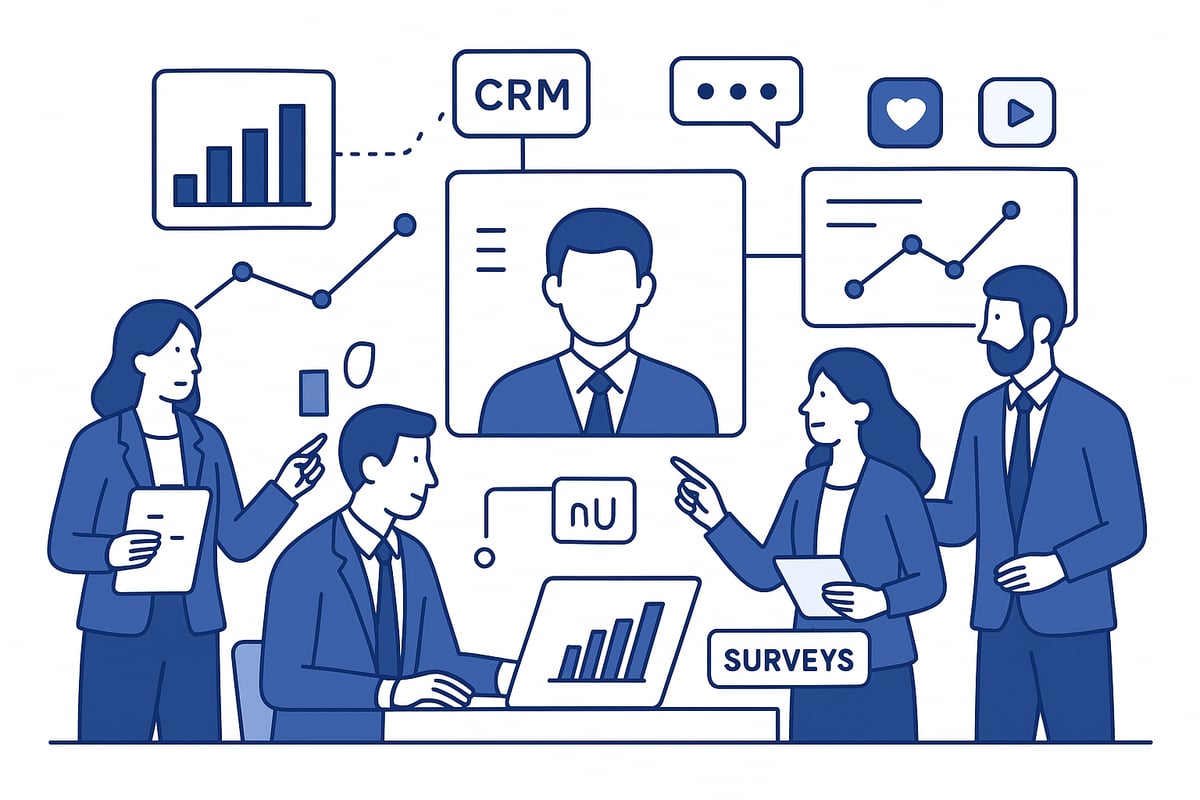
The foundation of any effective market persona lies in gathering data from diverse and reliable sources. Start with first-party data, such as CRM records, website analytics, and direct customer feedback. These insights provide a real view of your existing users and their behaviors.
Third-party research, like industry studies and market reports, helps validate your assumptions and broaden your understanding. For instance, leveraging findings from market research in validation can reveal trends and benchmarks essential for a comprehensive market persona.
Social listening and digital footprint analysis are critical for capturing real-time sentiment and discovering emerging needs. Platforms like LinkedIn and user forums offer a window into B2B audiences, while consumer reviews and social media threads inform B2C segmentation.
Qualitative interviews and surveys bring depth to your market persona by exposing motivations and pain points that data alone might miss. Combining quantitative and qualitative data delivers a more accurate, holistic view, ensuring the market persona reflects real people, not just statistics.
Advanced Techniques for Data Collection in 2026
In 2026, advanced data collection methods transform how you create and refine your market persona. AI-powered tools now enable real-time persona updates, analyzing behavioral signals and automating segmentation as markets shift.
Behavioral analytics and predictive modeling allow you to anticipate customer needs before they surface. By tracking intent data and purchase signals, you can proactively adjust your market persona to align with buyer journeys and changing preferences.
Privacy and ethical data use are top priorities. Compliance with regulations like GDPR and CCPA is essential for trust and sustainability. AI chatbots, for example, make it possible to scale qualitative interviews while respecting privacy boundaries.
Zero-party data, or information customers willingly share, is becoming increasingly valuable. As third-party cookies phase out, direct engagement and transparent value exchanges help you enrich your market persona while building loyalty.
Overcoming Common Data Challenges
Building a market persona is not without obstacles. Data silos and fragmented sources can create blind spots, reducing the effectiveness of your segmentation. Unifying your data across departments is crucial for a coherent view of the market persona.
Ensuring data quality and representativeness is another challenge. Outdated or incomplete information can skew your market persona, leading to poor decisions. Regular audits and validation routines help maintain accuracy.
Bias and assumptions often creep into persona development. Avoid over-relying on generic demographic data or stereotypes. Instead, continuously validate your market persona with fresh data and feedback from sales, support, and customers.
Effective strategies include:
- Establishing centralized data hubs
- Running ongoing persona workshops with cross-functional teams
- Using analytics to monitor persona performance and iterate regularly
By embracing continuous improvement, your market persona remains relevant, precise, and ready to drive results in 2026.
Building Actionable Market Personas Step-by-Step
Creating a robust market persona is a cornerstone of effective marketing in 2026. By following a clear, step-by-step process, you can ensure your personas remain actionable, accurate, and aligned with your business goals. Each step builds on the last, helping you transform raw data into a strategic asset for your entire organization.
Step 1: Segmenting Your Audience Effectively
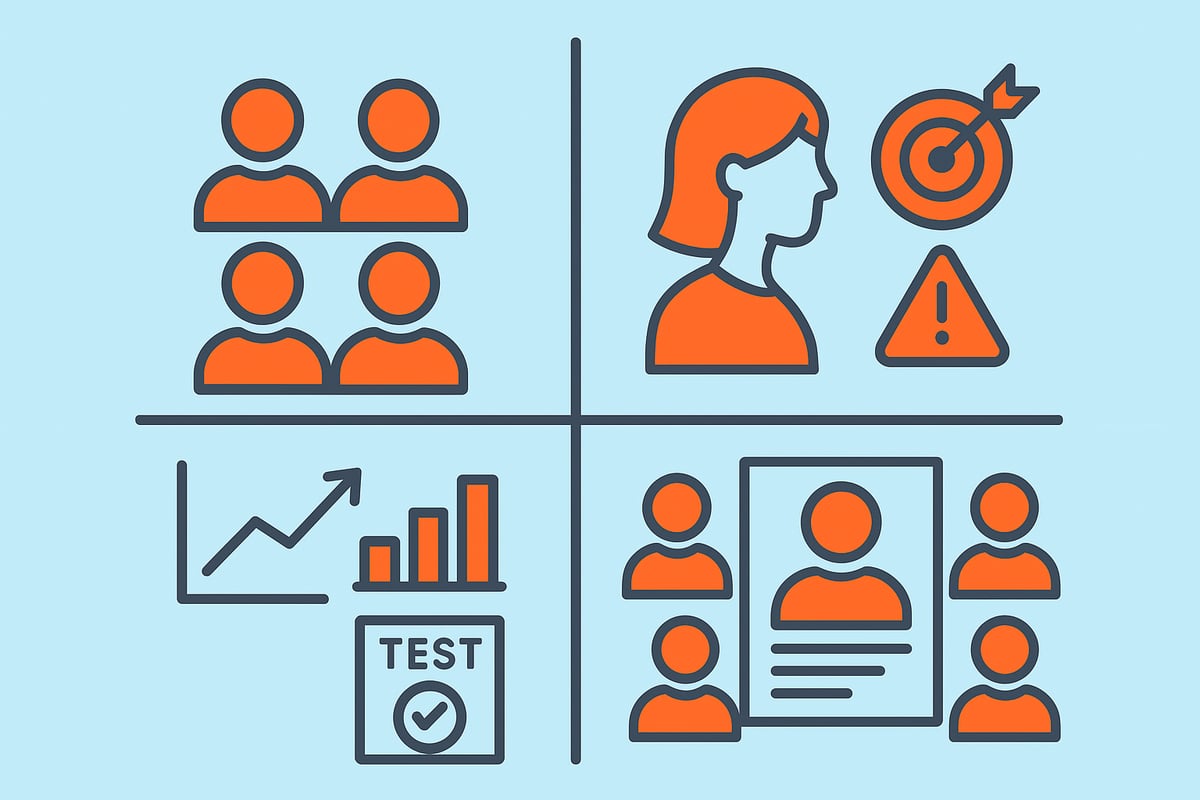
The first step to building a market persona is precise audience segmentation. Break down your market using demographic (age, gender, income), psychographic (values, interests), firmographic (company size, industry), and behavioral (purchase history, engagement) criteria. This segmentation uncovers patterns that inform how you approach each market persona.
Not every segment warrants a dedicated market persona. Focus on high-value groups that align closely with your product or service. For instance, a SaaS company might segment by company size, vertical, and key pain points, revealing unique needs for each persona.
Niche market personas consistently outperform broad, generic profiles. By narrowing your focus, you can tailor messaging, offers, and experiences that resonate on a deeper level. For more on this foundational process, explore audience segmentation and analysis to refine your approach.
A well-segmented market persona enables you to prioritize resources and drive targeted growth.
Step 2: Crafting Detailed Persona Profiles
Once you have defined your segments, bring each market persona to life with detailed profiles. Start by outlining core elements such as goals, challenges, motivations, objections, and preferred communication channels. These attributes help paint a vivid picture of your ideal customer.
Consider building a narrative around each market persona. For example, “Jordan, the SaaS decision-maker in a mid-sized tech firm, aims to streamline workflows but is skeptical of new tools due to past integration issues.” This story-based approach humanizes your data and guides content creation.
Visualization tools like infographics or journey maps make each market persona accessible across teams. Here is a simple template:
| Field | Example Entry |
|---|---|
| Name | Jordan, SaaS Decision-Maker |
| Goals | Improve team productivity |
| Challenges | Integration with existing systems |
| Motivations | Efficiency, cost savings |
| Objections | Data security concerns |
| Channels | Email, LinkedIn |
A clear, detailed market persona profile ensures consistency in targeting and messaging.
Step 3: Validating and Testing Personas
Validation is critical to ensure your market persona accurately reflects real-world behaviors. Start internally by gathering feedback from stakeholders and frontline teams who interact with customers daily. Their insights can reveal gaps or assumptions in your profiles.
Next, move to external validation. Use A/B testing or pilot campaigns to assess whether your market persona responds as expected. Analytics tools provide quantitative data on engagement and conversion rates, helping you measure the impact of persona-driven initiatives.
Iterate on your market persona based on performance data. For instance, if a campaign underperforms with a specific persona, revisit and refine the attributes or segments involved. Regular testing and validation keep your personas relevant and actionable.
Step 4: Documenting and Sharing Personas Across Teams
Effective documentation ensures your market persona becomes a living resource, not a forgotten file. Use centralized, easily accessible platforms so all teams can reference and update personas as needed.
Promote cross-functional alignment by involving marketing, sales, and product teams in persona workshops. These collaborative sessions foster buy-in and surface practical insights that enrich each market persona.
Treat your market persona as a strategic asset. When personas are embedded in every stage of your marketing and product cycles, they drive unified decision-making and sustained business growth.
Integrating Market Personas into Your 2026 Marketing Strategy
In 2026, integrating your market persona into every stage of your marketing strategy is essential for driving results. As competition intensifies and customer journeys become more complex, a well-developed market persona bridges the gap between your brand and your audience’s evolving needs.
Personalizing Campaigns and Content with Personas
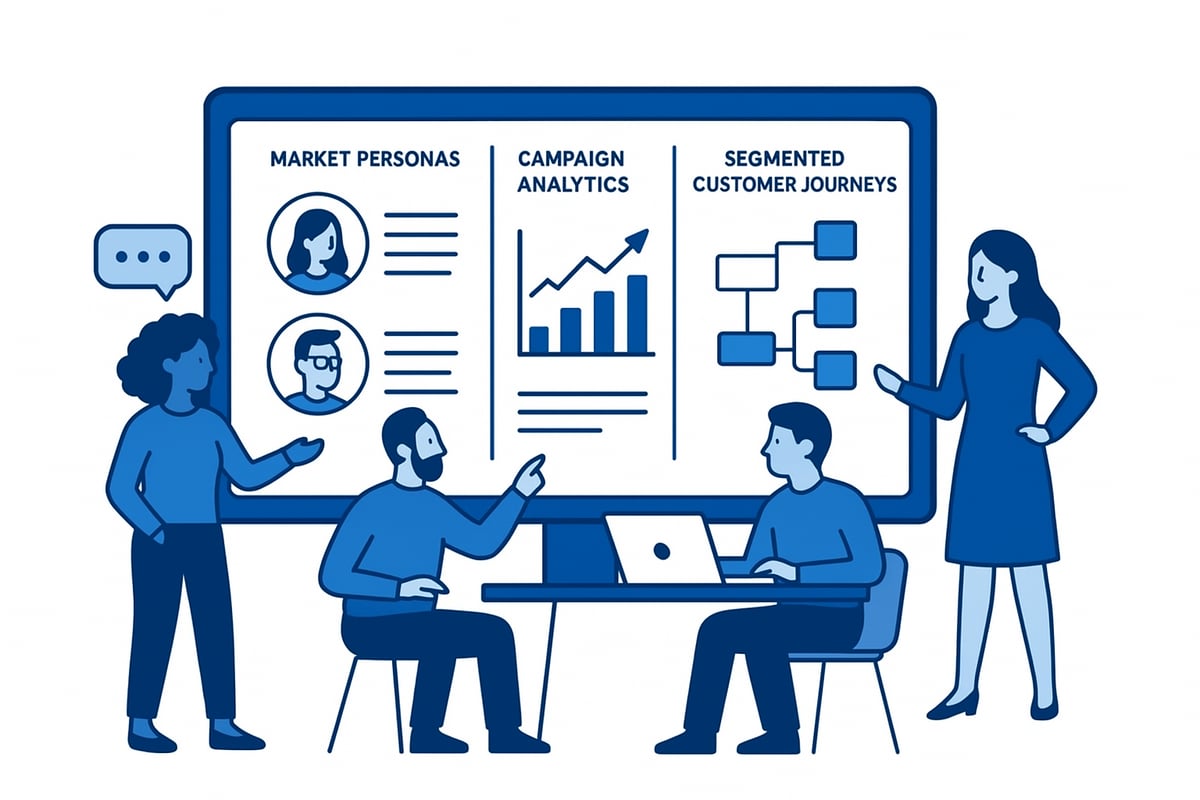
Personalization is now a baseline expectation. With a robust market persona, you can tailor messaging, offers, and creative assets to each segment’s real needs. Start by mapping persona journey stages, such as awareness, consideration, and decision, then match content and channels to each phase.
For example, email campaigns segmented by market persona journey stage consistently outperform generic blasts. Personalized emails deliver up to 6x higher transaction rates, highlighting the impact of laser-focused targeting. Use dynamic content and automation tools to adjust messaging in real time based on persona insights.
If you want to dive deeper into how buyer personas relate to campaign personalization, explore this Understanding buyer personas for SaaS resource. It offers practical frameworks that complement your market persona strategy in 2026.
Aligning Product Development and Customer Experience
A strong market persona does more than improve marketing. Feed persona insights into product roadmaps and user experience design. By understanding each market persona’s pain points and motivations, your team can prioritize features that resonate and remove friction from the customer journey.
Mapping the journey for each market persona helps you identify common obstacles and moments of delight. For instance, SaaS onboarding can be customized by assessing a user’s tech-savviness, ensuring each market persona receives the right level of guidance. This approach not only increases satisfaction but also boosts retention and long-term value.
Cross-functional alignment is critical. Encourage collaboration between marketing, product, sales, and customer success teams. When everyone works from the same market persona playbook, your brand delivers a seamless experience at every touchpoint.
Measuring Persona-Driven Marketing Success
To prove the ROI of your market persona strategy, establish clear metrics and dashboards. Track engagement, conversion rates, retention, and customer lifetime value for each market persona segment. This data allows you to see which personas drive the most value and where to refine your tactics.
| Metric | Why It Matters | Example Use |
|---|---|---|
| Engagement Rate | Gauges content resonance | Persona A opens 35% more emails |
| Conversion Rate | Measures campaign effectiveness | Persona B converts at 2x the rate |
| Retention Rate | Indicates loyalty | Persona C renews more consistently |
Regularly use cohort analysis and A/B testing to validate and update your market persona. Continuous improvement ensures your strategy stays aligned with real-world behaviors, keeping your marketing relevant and effective.
Advanced Persona Segmentation and Future Trends
The landscape for market persona segmentation is evolving rapidly in 2026. Businesses are shifting from broad categories to smarter, more detailed segmentation. This approach empowers brands to deliver the right message to the right audience at the perfect moment. Let us dive into the advanced techniques and future trends that will define successful market persona strategies.
Hyper-Segmentation and Micro-Personas
Hyper-segmentation is transforming how organizations approach market persona development. Instead of relying on broad demographics, leading brands are embracing micro-personas to pinpoint distinct clusters within their audience. This technique uses advanced tools like AI clustering, psychographic overlays, and lookalike modeling to identify hidden patterns.
For example, in e-commerce, hyper-segmentation enables companies to recommend highly relevant products to each shopper by analyzing real-time behavior, preferences, and purchase history. The result is a personalized experience that drives higher engagement and conversion rates.
Key hyper-segmentation strategies include:
- AI-driven clustering for nuanced audience groups
- Psychographic overlays to understand deeper motivations
- Behavioral tracking for real-time personalization
A robust market persona strategy goes beyond surface-level traits, focusing on the unique needs of micro-segments. This level of detail is essential for brands aiming to thrive in competitive, saturated markets.
Predictive Personas and AI-Driven Adaptation
Predictive personas are the next frontier in market persona evolution. Using machine learning and big data, businesses can anticipate how customer segments will change over time. These dynamic personas update automatically in response to behavioral triggers, such as shifts in engagement or changes in buying patterns.
For SaaS companies, this means onboarding flows can adapt in real time based on a user’s actions, delivering the right resources and support when needed. Predictive adaptation reduces churn and boosts customer satisfaction.
According to AI and Big Data Market Trends, integrating AI with big data platforms is driving more accurate persona modeling and smarter segmentation decisions. This data-driven approach ensures market persona profiles remain relevant, actionable, and up to date, supporting continuous growth and innovation.
Cross-Channel Persona Consistency
Consistency across all touchpoints is critical for maximizing the value of your market persona strategy. In 2026, customers expect seamless experiences, whether they interact via web, mobile, social media, or even offline channels.
Centralized persona management tools help brands maintain unified messaging and brand voice across platforms. For example, a retailer can use a single market persona profile to inform personalized offers in email, social ads, and in-store experiences, ensuring every interaction feels cohesive.
| Channel | Persona Touchpoint Example |
|---|---|
| Web | Dynamic landing pages |
| Social Media | Targeted content and ads |
| Segmented offers/newsletters | |
| Offline | Personalized in-store events |
Omnichannel execution ensures that each market persona receives a tailored journey, increasing satisfaction and loyalty.
Preparing for 2026: Trends Shaping the Future of Personas
Looking ahead, several trends will shape the future of market persona development. Privacy regulations such as GDPR and CCPA are making transparent, ethical data use a top priority. Immersive experiences like AR and VR are becoming new touchpoints for engaging personas in innovative ways.
According to industry surveys, 40% of marketers plan to increase investment in persona technology, highlighting the urgency to stay ahead. The shift from static profiles to dynamic, evolving market persona models is accelerating.
Emerging AI trends for 2026 suggest that personal AI assistants and predictive analytics will be central to future persona strategies. Brands that prioritize adaptability, privacy, and advanced segmentation will lead the market, delivering exceptional customer experiences and driving sustainable growth.
Common Mistakes and Best Practices in Persona Development
Understanding how to build and refine a market persona can be the difference between effective targeting and wasted effort. Many organizations still trip over avoidable hurdles during persona creation. By recognizing these pitfalls and embracing best practices, your team can ensure that each market persona is a true driver of business growth in 2026.
Avoiding Classic Persona Pitfalls
Even the most experienced marketers can fall into common traps when developing a market persona. Here are key missteps to avoid:
- Creating too many or too few personas: Some teams over-segment, resulting in dozens of market persona profiles that are impossible to manage. Others lump everyone together, missing crucial nuances.
- Relying on stereotypes or outdated assumptions: Personas built on guesswork or old data quickly lose relevance. Accurate and current data is essential, especially with rapid market shifts. For more on the critical role of trustworthy data, see Data and Analytics Trends 2026.
- Neglecting to update personas: Markets evolve, and so should your market persona. Stale personas can misguide strategy and waste resources.
- The “Frankenstein” persona: Combining conflicting traits from multiple sources can produce a market persona that is unrealistic and unhelpful.
Avoiding these mistakes will set the foundation for more actionable and effective market persona development.
Best Practices for 2026 Persona Success
To maximize the impact of every market persona, follow these proven best practices:
- Involve cross-functional teams early: Engage marketing, sales, product, and customer success in the market persona creation process.
- Prioritize actionable insights over vanity details: Focus on information that shapes strategy, such as buying triggers and obstacles, not just surface-level traits.
- Make personas accessible and visible: Store every market persona in a centralized, easily accessible location so all teams can align their efforts.
- Embed personas into all workflows: Integrate each market persona into marketing, product, and customer experience cycles, ensuring consistent use.
Successful companies treat each market persona as a living asset, revisiting and refining profiles regularly to keep pace with shifting trends.
Real-World Examples and Lessons Learned
Learning from others can help you sidestep costly errors and replicate success. Consider these cases:
| Scenario | Lesson Learned | Outcome |
|---|---|---|
| SaaS startup refined market persona profiles | Cross-team collaboration, data-driven updates | Doubled conversions |
| Retailer used outdated personas | Ignored changing buyer behaviors | Campaigns missed targets |
| Marketing leader’s insight | “A market persona is only as good as its data and its adoption.” | Industry-wide validation |
A market persona that is regularly updated and rooted in real customer behaviors drives measurable results. Conversely, ignoring new insights or failing to socialize personas across teams often leads to missed opportunities.
Actionable Checklist for Persona Optimization
To keep your market persona strategy sharp and effective, follow this checklist:
- Review and update personas quarterly: Schedule regular audits to ensure each market persona reflects current trends.
- Validate with both quantitative and qualitative data: Use interviews, surveys, and analytics to confirm assumptions. For in-depth qualitative insights, leverage tools for conducting persona interviews.
- Encourage cross-team feedback: Gather input from all departments to improve market persona accuracy.
- Centralize and document personas: Use accessible platforms for easy sharing and updates.
- Monitor performance metrics: Track how each market persona impacts lead generation, conversion, and retention.
By treating every market persona as a dynamic, evolving tool, your business will be well-equipped to adapt and thrive in 2026.