The pace of digital change has never been faster, with businesses relying more than ever on innovative saas tools to stay ahead. In 2026, these solutions are not just supporting operations—they are redefining what’s possible for growth and agility.
This article unveils the top 10 saas tools that are set to transform how organizations work, collaborate, and scale. Our selection is grounded in four core criteria: innovation, measurable impact, widespread adoption, and readiness for the future.
Curious about how the right saas tools can unlock new efficiencies and competitive advantages? Read on to discover which platforms are leading the way—and how they can empower your business to thrive in a rapidly evolving landscape.
The Rise of SaaS: Why 2026 Is a Pivotal Year
The landscape for saas tools is evolving at an unprecedented pace as we approach 2026. Businesses across all industries are relying more on digital solutions to drive their operations and growth. This section explores why 2026 stands out as a turning point for the adoption, innovation, and impact of saas tools.
SaaS Market Growth and Trends
The global saas tools market is experiencing explosive growth, with adoption rates accelerating year over year. According to recent SaaS market statistics and trends, over 61% of organizations now manage more than 100 saas applications, underscoring the widespread embrace of cloud-based solutions. Market value projections estimate the industry will surpass $800 billion by 2030, driven by the rise of remote work and digital transformation initiatives.
AI, automation, and seamless integration are shaping the next wave of saas tools. Companies are prioritizing platforms that unify data, automate workflows, and enable real-time collaboration. However, as the number of available tools expands, businesses face the challenge of managing SaaS sprawl, making smarter solutions and centralized control more essential than ever.
Key Business Drivers for SaaS Adoption
Organizations are turning to saas tools for their ability to optimize costs, scale effortlessly, and boost operational efficiency. Unlike traditional software, these platforms require minimal upfront investment and offer flexible, subscription-based pricing, making them accessible to businesses of all sizes.
SaaS tools also empower rapid innovation and faster time-to-market. Teams can adopt, test, and iterate on new solutions without lengthy implementation cycles. As remote and hybrid work becomes the norm, saas tools are facilitating seamless collaboration, secure access, and enhanced customer engagement. In finance, collaboration, and customer service, these tools are solving pain points and unlocking new levels of productivity.
Challenges and Opportunities in the SaaS Landscape
Despite their benefits, saas tools present challenges such as integration complexity, security risks, and subscription management headaches. Many organizations struggle with tool overload, leading to inefficiencies and increased costs if not managed carefully.
At the same time, emerging opportunities are reshaping the landscape. AI-powered analytics, no-code and low-code platforms, and verticalized saas tools tailored to specific industries are driving innovation. Companies are overcoming hurdles by investing in unified management platforms, robust security protocols, and employee training programs. These strategies help maximize the value of their saas investments while minimizing risk.
What Makes a SaaS Tool Transformative in 2026?
In 2026, the most transformative saas tools share several key characteristics. They deliver breakthrough innovation, measurable business impact, and easy integration with existing systems. High user adoption rates and adaptability to changing needs are also essential.
What sets these tools apart is their ability to provide actionable insights, automate routine processes, and future-proof business operations. The top saas tools highlighted in this article exemplify these criteria, offering solutions that are not only innovative but also practical and scalable for organizations preparing for the future.
Top 10 SaaS Tools Transforming Businesses in 2026
Staying ahead in 2026 means embracing the latest saas tools that drive efficiency, innovation, and growth. The right solutions can automate workflows, optimize costs, and unlock new opportunities for every business. Below is a carefully curated list of the most impactful saas tools, each chosen for its ability to transform business operations and deliver measurable value.
SaaS Validation
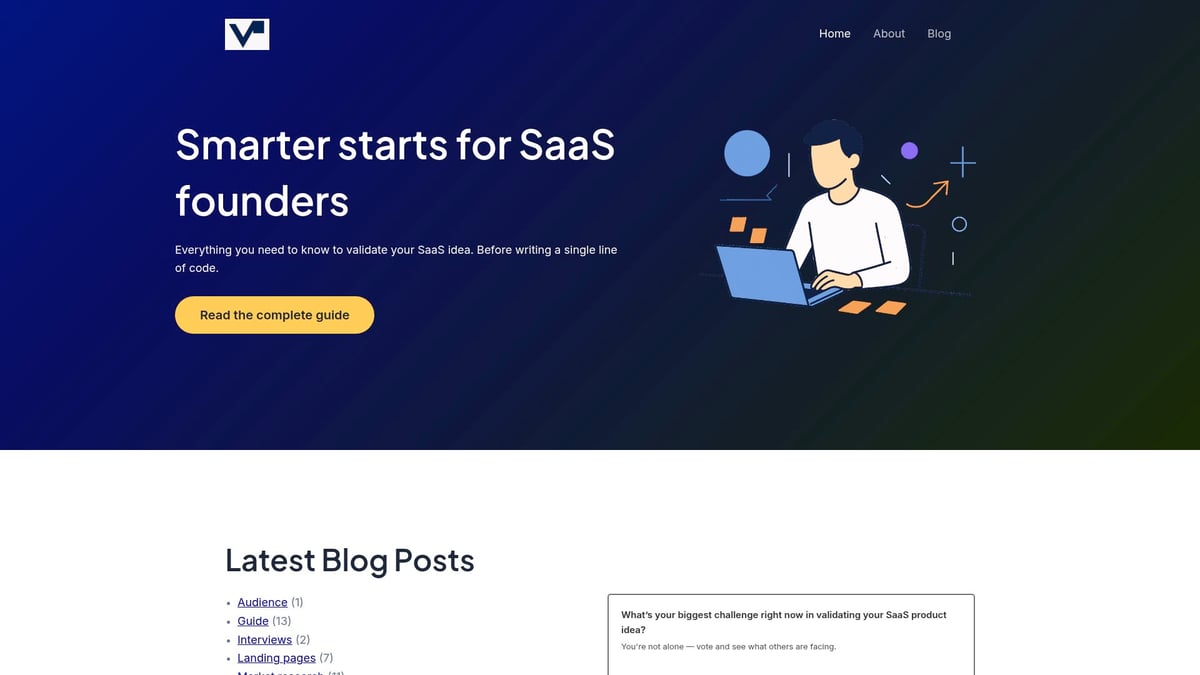
SaaS Validation is a comprehensive resource hub that empowers founders to validate their saas tools ideas before investing in development. It provides step-by-step guides, proven frameworks, and real-world market research tools to help users assess demand and reduce risk.
Key features include:
- In-depth validation frameworks
- Community polls for quick feedback
- Access to market research resources
The main advantage of using SaaS Validation is the ability to save both time and money by avoiding costly missteps. For early-stage founders, this means building saas tools that are more likely to achieve product-market fit. The platform is free and serves entrepreneurs, product managers, and tech visionaries.
Pros:
- Actionable, current content
- Community-driven insights
- Future-focused topics
Cons:
- Not a direct operational tool
- Primarily for pre-launch validation
Ideal for startups, SaaS Validation helps ensure your next project starts with solid foundations. For more details on conducting effective validation interviews, visit Essential tools for SaaS validation.
CloudZero
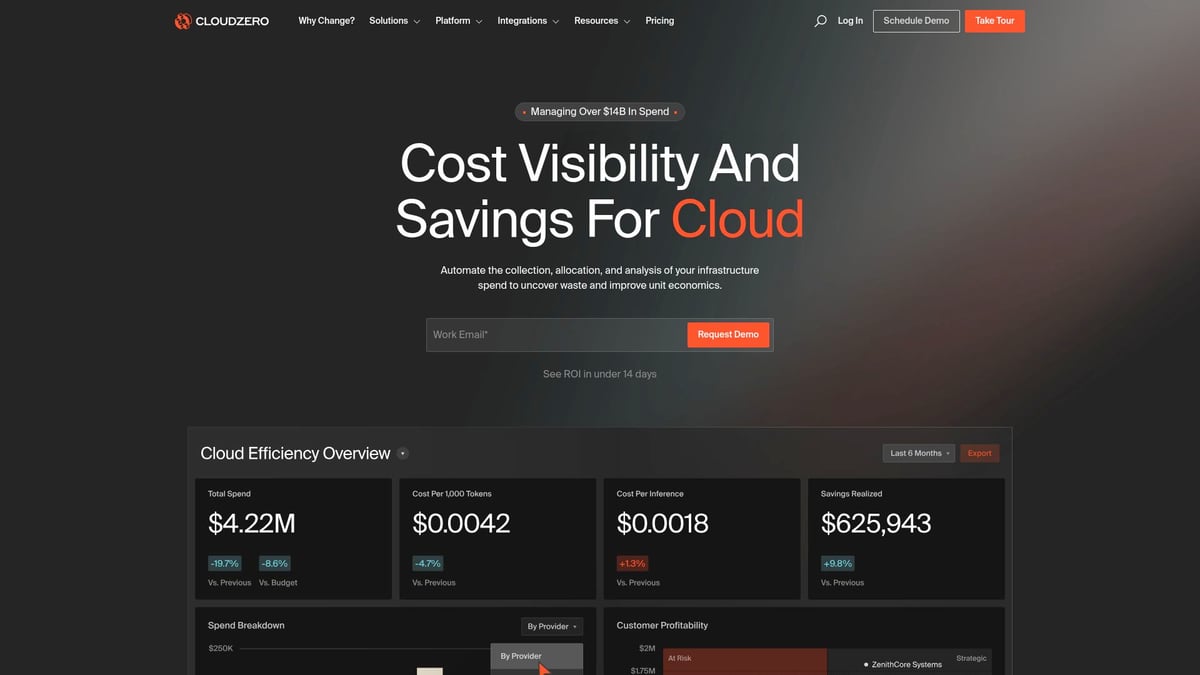
CloudZero stands out as a cloud cost intelligence platform designed to help businesses understand and optimize their spend on cloud infrastructure. This saas tools solution offers real-time monitoring, anomaly detection, and granular cost analysis for AWS, Kubernetes, and Snowflake.
Key features:
- Instant cost alerts
- Executive dashboards
- Deep visibility into cost per product, customer, or feature
CloudZero enables organizations to maximize ROI and prevent overspending. Its ability to provide actionable insights supports strategic financial decisions and helps align engineering and finance teams.
Pros:
- Detailed cloud cost breakdowns
- Proactive notifications
- Customizable reporting
Cons:
- Focused on cloud-native setups
- May require onboarding support
Pricing is custom, and the platform is ideal for companies scaling their cloud operations or seeking to optimize their saas tools investments.
HubSpot CRM
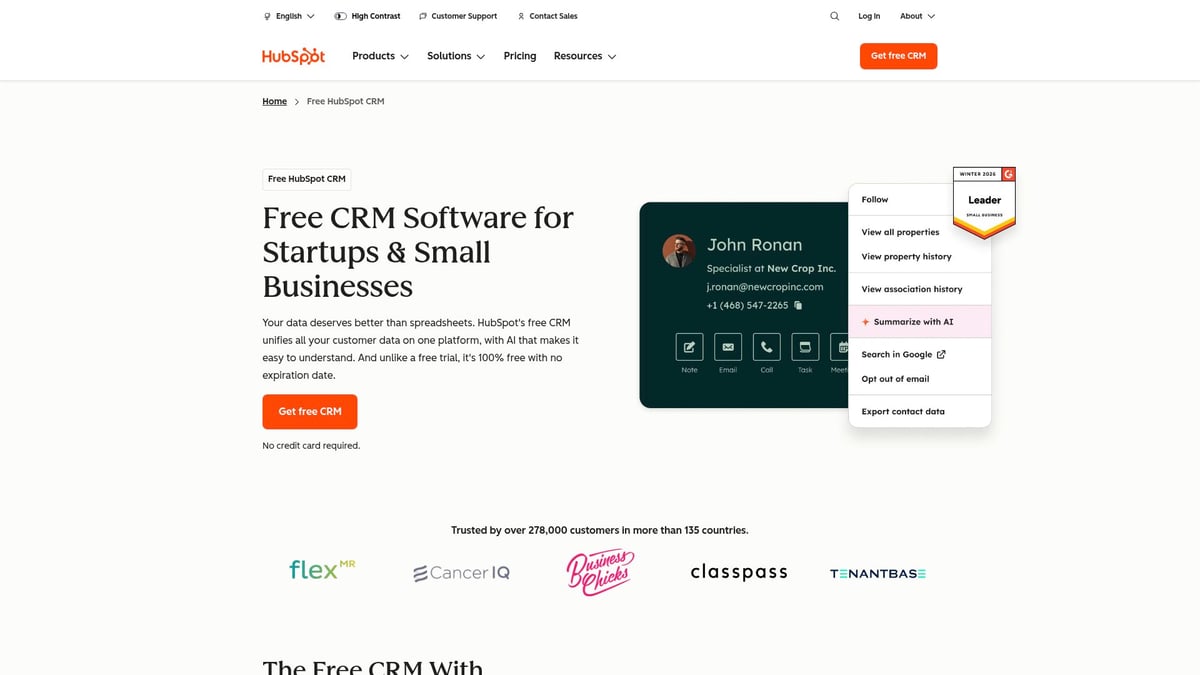
HubSpot CRM is a free, user-friendly platform designed for managing sales pipelines, marketing campaigns, and customer relationships. It offers a suite of features that streamline business processes and foster growth.
Core features:
- Contact and deal management
- Email automation and tracking
- Detailed reporting and analytics
- Robust integrations
HubSpot CRM simplifies customer engagement and scales as your business grows. Its intuitive design makes it easy for teams to adopt and leverage the platform quickly.
Pros:
- Free entry-level tier
- Strong integration ecosystem
- User-friendly interface
Cons:
- Advanced features require paid plans
- May not suit highly complex enterprises
This saas tools solution is perfect for SMBs and startups building out their sales processes and nurturing customer relationships effectively.
Slack
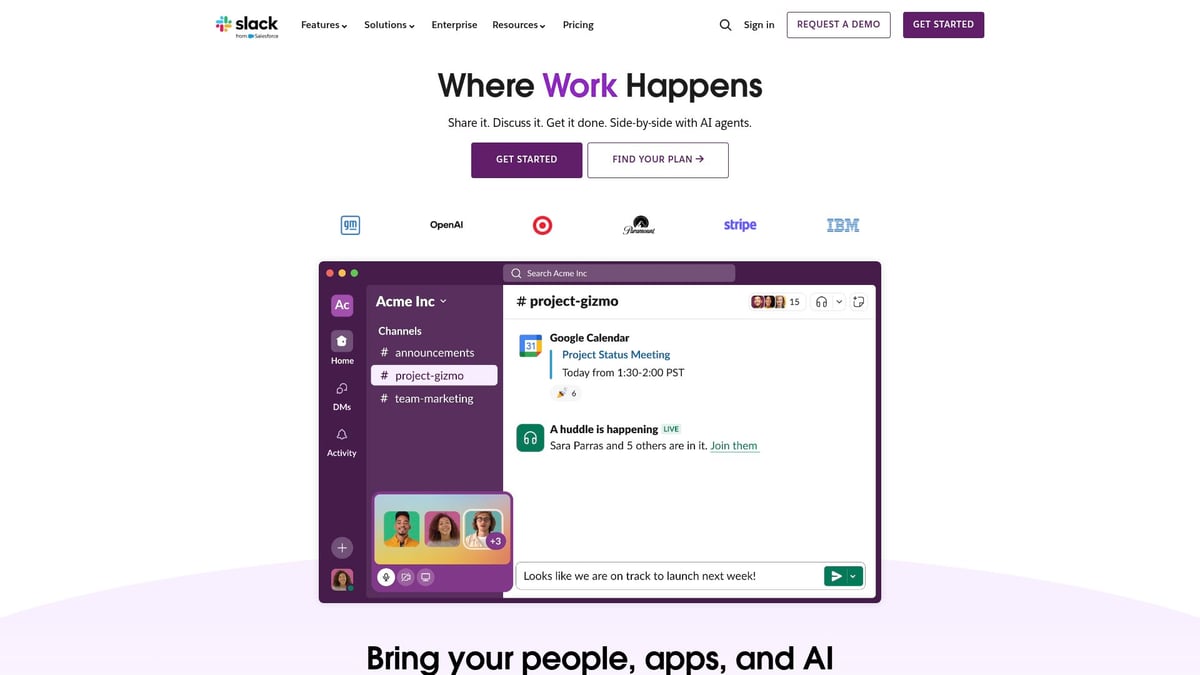
Slack is a leading collaboration platform that centralizes team communication and workflow management. It enables real-time messaging, file sharing, and integrates with thousands of other saas tools.
Features include:
- Organized channels for topics or teams
- Customizable notifications
- Extensive app integrations
The main benefit of Slack is the way it enhances productivity and teamwork, especially for remote and hybrid teams. It brings together all necessary conversations and documents in one place.
Pros:
- Free plan with essential features
- Strong integration capabilities
- Highly customizable settings
Cons:
- Can become noisy with many channels
- Risk of information overload
Slack’s flexible pricing and adaptability make it an essential saas tools choice for distributed teams and organizations needing seamless cross-functional collaboration.
QuickBooks Online
QuickBooks Online is a versatile cloud-based accounting platform trusted by businesses of all sizes. It automates bookkeeping, payroll, and financial reporting, making complex accounting tasks manageable.
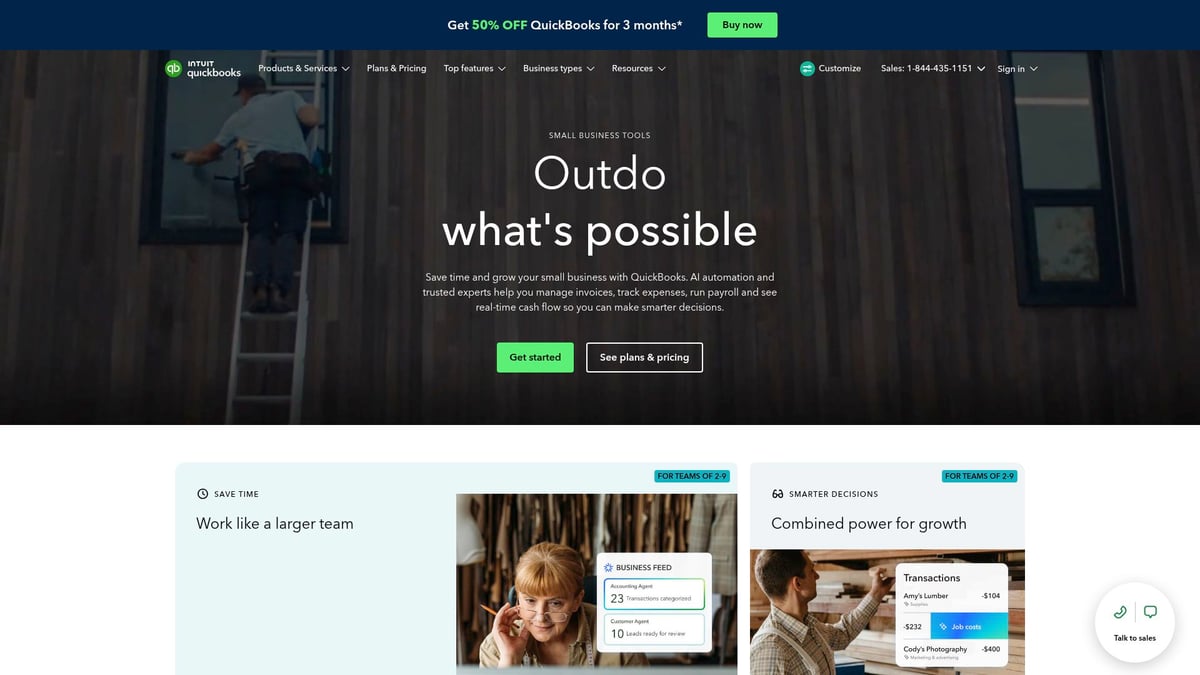
Key features:
- Invoicing and expense tracking
- Payroll and tax integration
- Comprehensive financial reports
QuickBooks Online helps businesses remain compliant while saving time through automation. Its scalable plans and integrations, such as with Gusto, support growing companies.
Pros:
- User-friendly interface
- Broad integration options
- Reliable customer support
Cons:
- Higher-tier features cost extra
- Some learning curve for non-accountants
This saas tools solution is ideal for SaaS companies, startups, and freelancers managing their finances with ease and confidence.
Zoom
Zoom has become synonymous with virtual meetings, offering a robust video conferencing platform for teams and client interactions. It supports HD video, screen sharing, webinars, and breakout rooms.
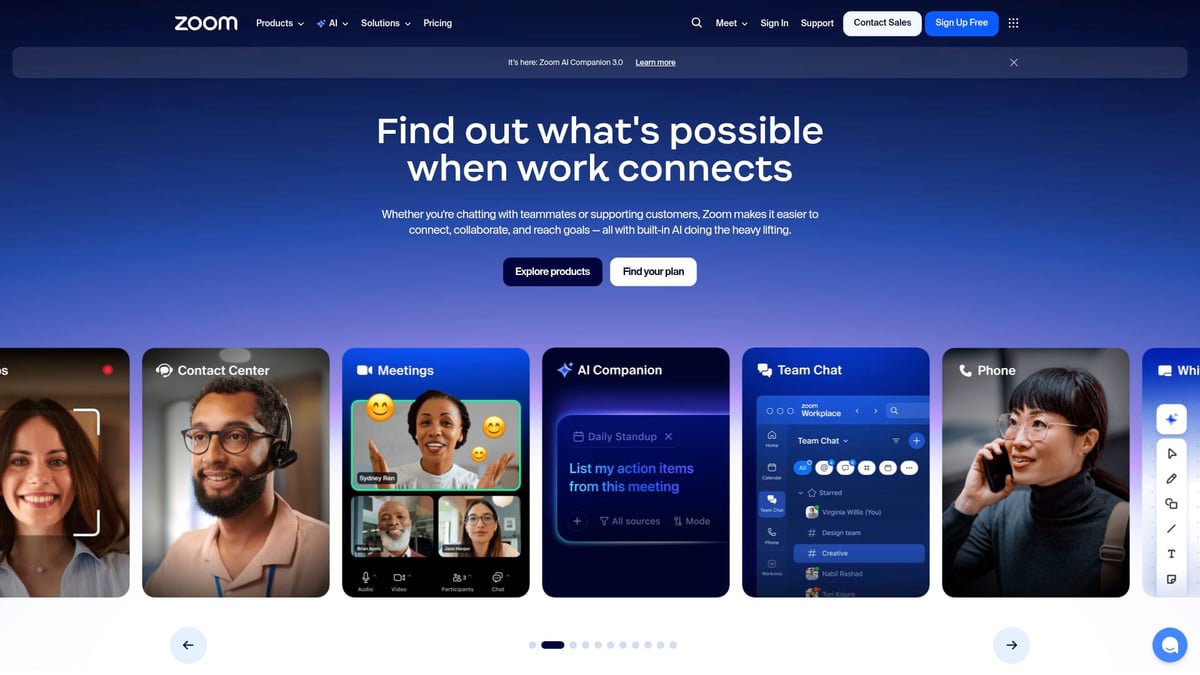
Core features:
- Seamless video and audio calls
- Webinar hosting and virtual events
- Integrations with productivity saas tools
Zoom’s reliability and scalability make it a favorite for businesses adapting to remote work and virtual collaboration. It keeps teams connected and enables real-time customer engagement.
Pros:
- Generous free tier
- High-quality video and audio
- Scalable for businesses of any size
Cons:
- Security concerns (much improved)
- Larger meetings require paid plans
Zoom is an indispensable saas tools choice for remote teams, customer-facing roles, and virtual event organizers.
Chargebee
Chargebee simplifies subscription billing and revenue management for SaaS and subscription-based businesses. It automates recurring billing, invoicing, and customer analytics.
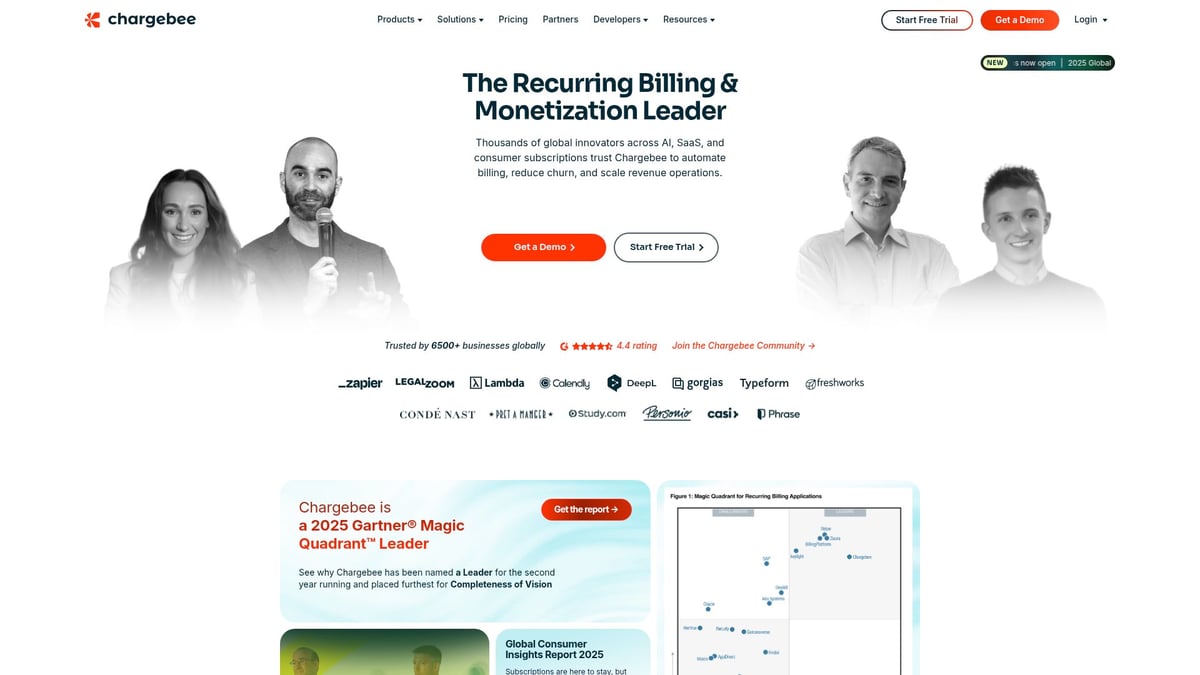
Key features:
- Flexible billing models
- Dunning management for failed payments
- Detailed analytics and reporting
With Chargebee, businesses can streamline subscription management, reduce churn, and automate revenue workflows. It supports integration with multiple payment gateways and other saas tools.
Pros:
- Supports global payments
- Scalable for growing companies
- Flexible and customizable
Cons:
- Requires technical setup
- Pricing increases with usage
This platform is essential for SaaS companies managing complex billing cycles and recurring revenue streams.
Trello
Trello is a visual project management tool that helps teams organize tasks, track progress, and collaborate efficiently. It uses boards, lists, and cards to make workflows transparent and manageable.
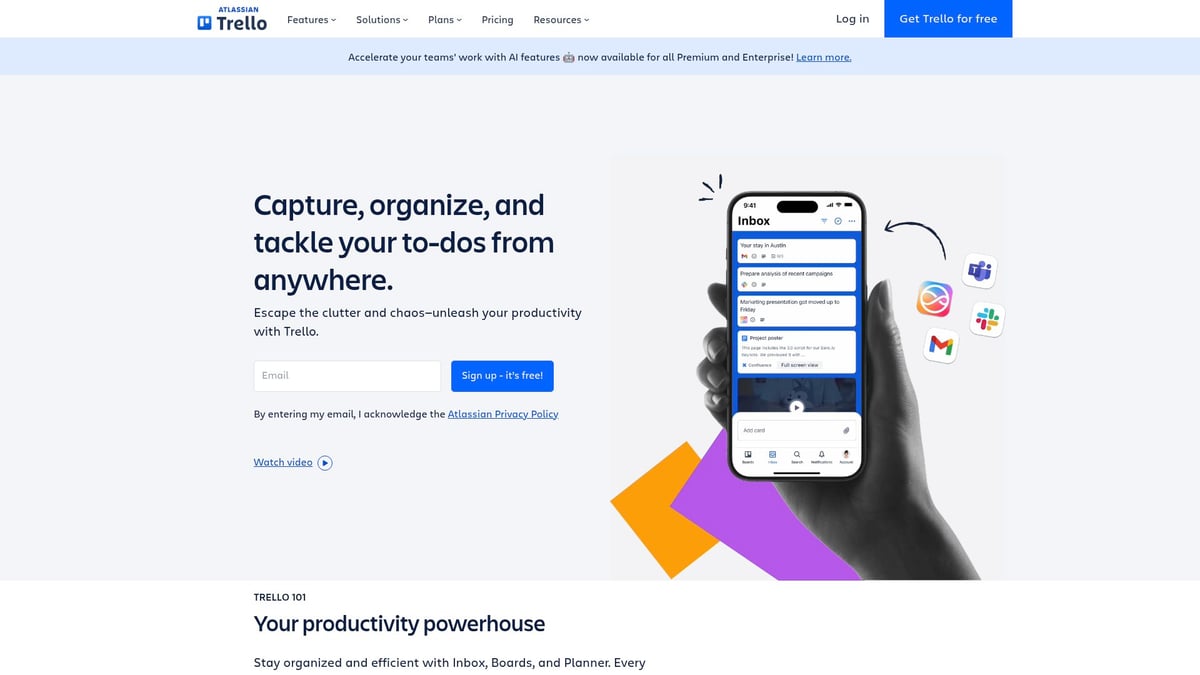
Core features:
- Drag-and-drop task management
- Automation with Butler
- Integration with popular saas tools
Trello fosters team alignment and keeps projects on track with its intuitive interface. It is flexible enough for agile teams, marketing departments, and product development groups.
Pros:
- Free plan with essential features
- Highly visual and easy to use
- Adaptable to different workflows
Cons:
- Limited advanced reporting on free tier
- May lack complex project management features
Trello is a go-to saas tools option for teams seeking clarity, flexibility, and simplicity in project execution.
Stripe
Stripe is a comprehensive payment processing platform that enables businesses to accept online payments securely and efficiently. It offers global support and a robust API for developers.
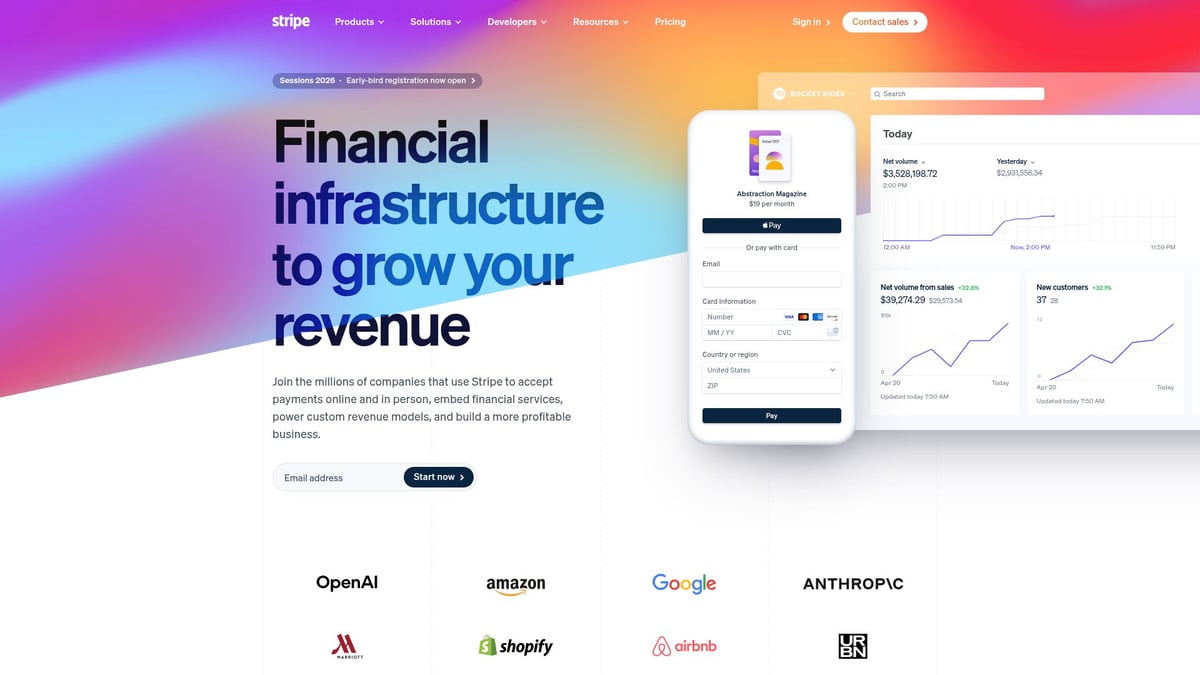
Key features:
- Payment gateway and fraud prevention
- Invoicing and subscription management
- Extensive documentation and integration options
Stripe stands out for its developer-friendly approach and wide adoption among SaaS businesses. It helps companies scale globally and manage complex payment flows.
Pros:
- Powerful, flexible APIs
- Supports multiple currencies
- Large integration ecosystem
Cons:
- Transaction fees apply
- Advanced setups may require developer resources
Stripe is the preferred saas tools platform for SaaS companies, e-commerce ventures, and marketplaces needing reliable payment solutions.
Gusto
Gusto is an all-in-one platform that streamlines payroll, HR, and benefits administration for modern businesses. It automates payroll processing, tax filings, and onboarding workflows.
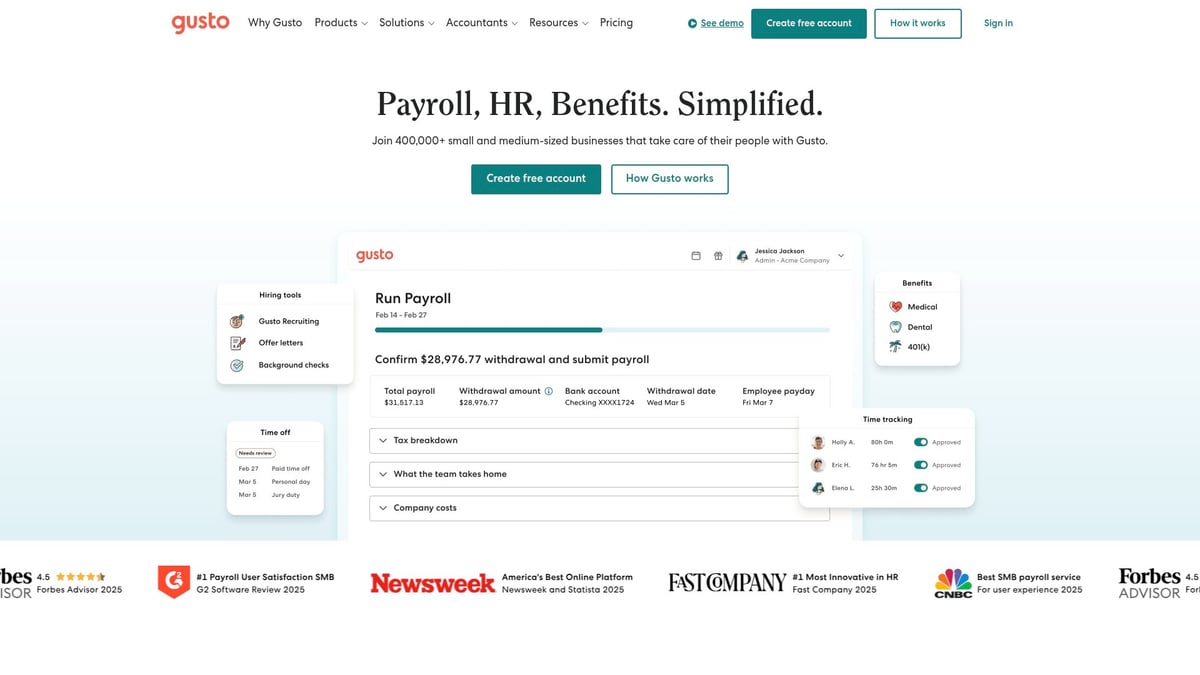
Core features:
- Automated payroll and tax compliance
- Employee onboarding tools
- Benefits administration
Gusto enhances the employee experience and simplifies HR tasks for startups and growing SMBs. It integrates seamlessly with other saas tools like QuickBooks.
Pros:
- Easy to set up and use
- Integrates with popular accounting software
- Comprehensive HR compliance features
Cons:
- Pricing per employee can add up
- Limited international support
Gusto is an indispensable saas tools solution for scaling teams, ensuring accurate payroll, and maintaining compliance.
Comparison Table: Top SaaS Tools at a Glance
| Tool | Best For | Key Feature | Free Plan | Integrations |
|---|---|---|---|---|
| SaaS Validation | Idea validation | Validation frameworks | Yes | Community |
| CloudZero | Cloud cost management | Real-time cost analysis | No | AWS, Snowflake |
| HubSpot CRM | Sales & CRM | Contact management | Yes | 1000+ apps |
| Slack | Team collaboration | Messaging & channels | Yes | 2000+ apps |
| QuickBooks | Accounting | Invoicing, payroll | No | Gusto, banks |
| Zoom | Video meetings | HD video, webinars | Yes | Many tools |
| Chargebee | Subscription billing | Recurring billing | No | Stripe, others |
| Trello | Project management | Boards, cards, automation | Yes | 200+ apps |
| Stripe | Payments | Global payment processing | No | Many tools |
| Gusto | Payroll & HR | Automated payroll | No | QuickBooks |
Selecting the right saas tools from this list can help future-proof your business, streamline operations, and drive sustainable growth in 2026. Each tool here has been vetted for innovation, adoption, and the ability to deliver tangible results.
How to Choose the Right SaaS Tools for Your Business in 2026
Selecting the right saas tools in 2026 is a strategic decision that shapes your growth, efficiency, and competitive edge. With the landscape evolving rapidly, a thoughtful approach ensures your investments deliver real value.
Assessing Business Needs and Goals
Begin by clarifying your business objectives. Are you focused on scaling, improving customer experience, boosting operational efficiency, or driving innovation? Each goal will shape the type of saas tools you prioritize.
Map out your current pain points. For example, if customer engagement lags, tools like CRM platforms or automation suites may provide quick wins. Consider using a resource like the List of SaaS idea validation tools to explore solutions tailored to your unique challenges.
Evaluate the scalability and flexibility of each tool. As your business evolves, you want saas tools that can adapt seamlessly, supporting growth without major disruptions.
Integration, Security, and Compliance Considerations
Seamless integration is essential. Your chosen saas tools should connect with existing systems, minimizing manual work and data silos. Assess each tool’s ability to integrate with your tech stack and automate workflows.
Security and compliance are non-negotiable. Ensure each platform meets your industry’s privacy and regulatory requirements. Review their certifications, data encryption protocols, and audit trails.
| Tool | Integration Ecosystem | Security Features | Compliance Standards |
|---|---|---|---|
| Slack | 2,000+ apps | SSO, encryption | SOC 2, GDPR |
| HubSpot CRM | 1,000+ integrations | Role-based permissions | GDPR, CCPA |
Choosing saas tools with robust integration and compliance capabilities protects your data and supports business continuity.
Cost-Benefit Analysis and ROI Measurement
Investing in saas tools requires balancing cost with potential value. Start by estimating the total cost of ownership, including subscriptions, onboarding, and scaling expenses.
Leverage built-in analytics and reporting features to track performance. These metrics help you gauge ROI and optimize your stack over time. According to the Global SaaS market projected to reach $1.25 trillion by 2034, businesses are increasingly focused on maximizing ROI as the number of solutions grows.
Regularly review your saas tools portfolio to eliminate redundancies and ensure each tool delivers measurable business outcomes.
User Adoption and Change Management
Even the best saas tools fall short without strong user adoption. Prioritize platforms with intuitive interfaces and comprehensive onboarding resources. Provide training sessions and encourage feedback to address concerns early.
Foster a culture of openness to change. Involve key stakeholders in tool selection to build buy-in and reduce resistance. Highlight success stories from companies with high adoption rates, where user-friendly saas tools have streamlined workflows and boosted morale.
Thoughtful change management ensures your investment in saas tools translates into sustained productivity and growth.
Future Trends: What’s Next for SaaS Tools Beyond 2026?
The future of saas tools is set to be defined by unprecedented innovation and rapid adaptation. As we move beyond 2026, businesses are gearing up for a landscape where transformation is the new normal. Companies are looking for solutions that not only address today's challenges but also anticipate tomorrow's needs.
Artificial intelligence will continue to be a driving force, with next-generation saas tools leveraging machine learning, predictive analytics, and automation to unlock new efficiencies. We are seeing the emergence of agentic solutions, where AI acts as a collaborative partner, not just a tool. Platforms are evolving to offer hyper-personalized workflows and intelligent insights. For a deeper look at the impact of AI on the future of these platforms, review the latest AI-powered SaaS tool innovations.
Another defining trend is the rise of vertical saas tools tailored to industry-specific needs. Sectors like healthcare, finance, and logistics are adopting specialized solutions that address regulatory, operational, and integration complexities. At the same time, integration platforms and API-first architectures are simplifying how businesses connect and manage their growing stack of applications. The market's expansion is remarkable, with projections showing the SaaS market expected to surpass $800 billion by 2030, reflecting both opportunity and competition.
Security, privacy, and ethical AI are becoming central to the evolution of saas tools. With growing concerns about data breaches and compliance, future solutions will focus on advanced encryption, transparent data practices, and responsible AI usage. Businesses will demand tools that not only drive outcomes but also protect sensitive information and align with global regulations.
To stay ahead, organizations must regularly assess and update their saas tools ecosystem. Embracing platforms that are adaptable, easily integrated, and built on ethical AI principles will be essential. By prioritizing solutions that offer actionable insights and robust security, companies can future-proof their operations and capitalize on the ongoing transformation in the SaaS landscape.