The SaaS industry is transforming rapidly, presenting both challenges and opportunities for ambitious leaders. As technology saas continues to shape the digital world, global revenue is on track to exceed $250 billion by 2026.
With innovation accelerating, competition is fiercer than ever. Founders, CTOs, and product managers need strategic insight to stand out and thrive.
This guide offers practical frameworks, tested tactics, and expert advice for building, scaling, and future-proofing your SaaS venture. You will discover the latest trends, effective validation methods, development best practices, powerful go-to-market strategies, and essential steps to secure long-term success in 2026 and beyond.
Decoding the 2026 SaaS Landscape
Navigating the future of technology saas requires understanding the trends, challenges, and opportunities that will define the industry by 2026. This section explores what founders, CTOs, and product managers must know to thrive in a rapidly changing environment.
Major Trends Shaping SaaS Technology
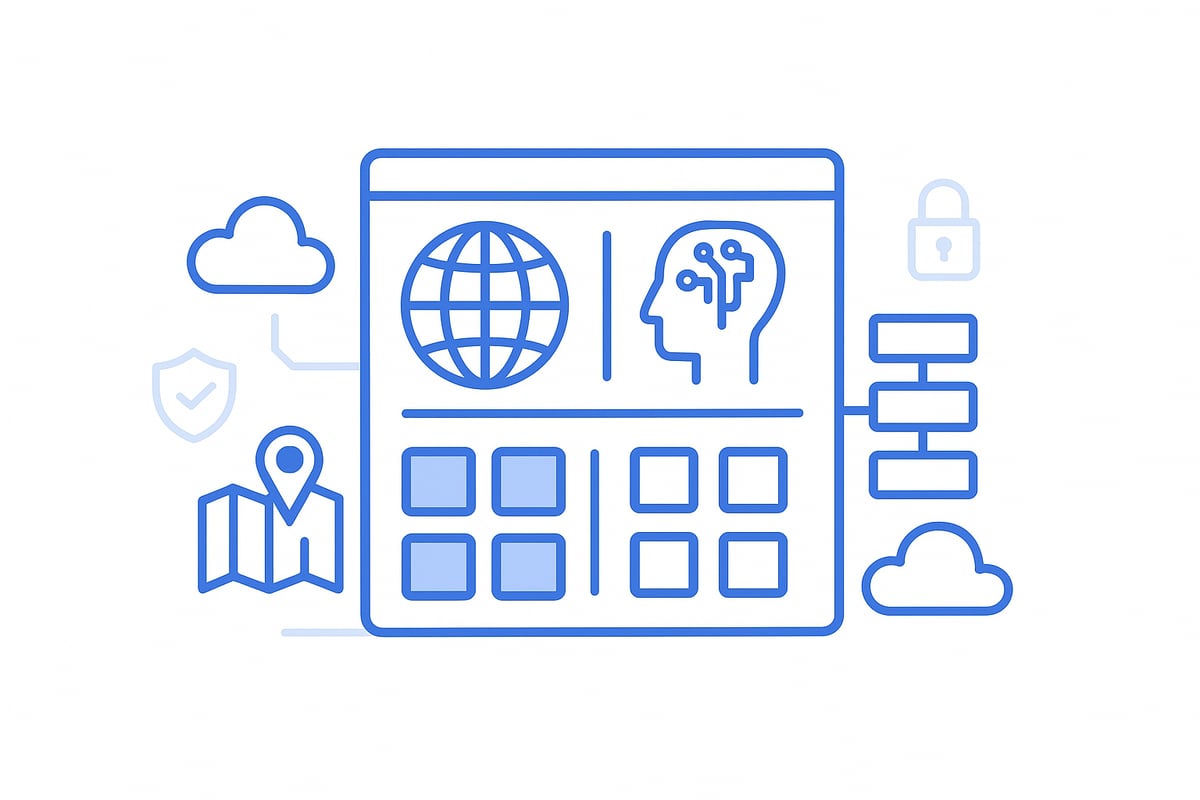
The technology saas landscape is undergoing radical transformation as new trends become industry standards. AI-powered automation and personalized experiences are now expected features for any serious SaaS player. Vertical SaaS, tailored for specific industries, is gaining momentum and projected to reach $157.4 billion by 2025. The adoption of low-code and no-code platforms accelerates product development, while global expansion is opening doors in emerging markets. Sustainability is also moving to the forefront, with green SaaS solutions attracting enterprise buyers. For a deeper dive into these changes, see SaaS Technology Trends. Gartner forecasts a robust 16% CAGR through 2026, underscoring the sector’s explosive growth.
Evolving Customer Expectations
Modern customers expect technology saas solutions to fit seamlessly into their existing workflows. Integration and interoperability are no longer optional, while self-service options and personalized user experiences are quickly becoming the norm. Security and data privacy concerns are also rising, with buyers scrutinizing how their information is handled. In fact, 80% of B2B buyers now demand that SaaS tools integrate with their current systems. Meeting these evolving expectations is essential for success in the 2026 technology saas market.
Regulatory and Security Challenges
As technology saas continues to grow, regulatory and security challenges are mounting. Companies must navigate shifting data privacy laws such as GDPR and CCPA, which affect how user data is stored and processed. There is also increased scrutiny on AI ethics and transparency, requiring clear policies and documentation. Best practices for compliance include regular audits, encryption, and transparent data handling. Addressing these challenges early will help technology saas companies build trust and avoid costly penalties.
Competitive Dynamics and Market Saturation
The technology saas market is more crowded than ever, with over 30,000 SaaS companies worldwide as of 2023. Standing out requires sharp differentiation, either through unique features, superior user experience, or specialized micro-SaaS offerings. The rise of micro-SaaS and niche solutions is changing the competitive landscape, allowing smaller players to carve out profitable segments. In saturated markets, a clear value proposition is essential for technology saas brands to capture and retain customers.
Investment and Funding Trends
Investment in technology saas is shifting away from growth at any cost to a focus on sustainable scaling. Venture capitalists are prioritizing companies with solid fundamentals, while alternative funding models like revenue-based financing and bootstrapping are gaining popularity. Notably, early-stage SaaS funding rounds increased by 25% in 2023, reflecting investor confidence in new entrants. To attract investment, technology saas founders must demonstrate validation, traction, and a clear path to profitability.
Validating and Planning Your SaaS Idea
Launching a successful technology saas product starts with rigorous validation and strategic planning. Many founders jump straight into building, but without confirming real demand, even the most innovative solutions can miss the mark. To thrive in the competitive 2026 landscape, you must ground your vision in data, customer needs, and proven frameworks.
The Critical Role of SaaS Validation
Validating your technology saas idea is the foundation for long-term growth and product-market fit. Skipping this step is one of the most common mistakes, leading to wasted resources and missed opportunities. In fact, 42% of SaaS startups fail because there is no real need for their solution.
Key pitfalls of poor validation include:
- Building features based on assumptions, not facts
- Ignoring market signals and competitor activity
- Overlooking core customer pain points
A robust validation process ensures your technology saas product is solving a genuine problem, setting the stage for scalable success.
Market Research and Customer Discovery
Effective market research is essential for a technology saas venture. Start by identifying your ideal customer profile and mapping out their biggest challenges. Use surveys, one-on-one interviews, and competitor analysis to gather real-world insights.
Consider these research methods:
| Method | Purpose |
|---|---|
| Surveys | Quantify pain points |
| Interviews | Understand user context |
| Competitor Analysis | Spot gaps and benchmarks |
According to recent data, 70% of successful SaaS founders credit direct customer feedback as a turning point in their journey. Listening to your audience helps you refine your technology saas offering before you invest heavily in development.
Building a Minimum Viable Product (MVP)
Your MVP is the simplest version of your technology saas product that delivers value to early adopters. Focus on essential features that address the primary customer pain point. Avoid the temptation to overbuild; instead, prioritize based on user needs and feedback.
A typical MVP process includes:
- Defining core functionality
- Rapid prototyping with basic UI/UX
- Running quick feedback loops with real users
This agile approach allows you to validate assumptions, gather actionable data, and iterate quickly. By keeping your technology saas MVP lean, you reduce risk and speed up time to market.
Early Metrics and KPIs to Track
Tracking early metrics is crucial for any technology saas startup. Focus on indicators that reveal product-market fit, such as user engagement, retention rates, and willingness to pay. Tools like Mixpanel, Amplitude, or Google Analytics can help you monitor these signals.
Key validation KPIs include:
- Activation and onboarding rates
- Churn and retention percentages
- Customer feedback and NPS
For example, if your early churn rate is high, it may signal a misalignment with user needs. Consistently tracking these metrics ensures your technology saas solution evolves with your audience.
How SaaS Validation Can Accelerate Your Success
SaaS Validation offers founders a suite of resources to validate technology saas ideas before building. Their guides, tools, and market analysis reports help you assess demand, test concepts, and avoid costly pivots.
Many founders leverage these resources to uncover hidden opportunities and secure investment with confidence. Real-world case studies showcase how comprehensive validation led to successful technology saas launches and sustainable growth.
By prioritizing validation, you build credibility with investors and lay a strong foundation for scaling your technology saas business in 2026 and beyond.
Building and Scaling Your SaaS Product
Developing and scaling a successful technology saas product requires a blend of technical rigor, strategic vision, and a relentless focus on user outcomes. In this section, we explore the best practices and frameworks that set high-performing technology saas businesses apart in 2026.

Product Development Best Practices
Modern technology saas teams thrive on agile development. Adopting agile allows for iterative releases and rapid adaptation to user feedback. Pair this with CI/CD pipelines for seamless code deployment and faster innovation.
Cross-functional collaboration is essential. Developers, UX designers, and marketers should work closely from ideation to launch. Prioritizing user stories and backlog grooming ensures that only the most valuable features make it to the product roadmap.
AI is now central to product differentiation. Integrating automation and personalization at every stage is no longer optional. For deeper insights on this, explore AI in SaaS Platforms to understand how leading technology saas solutions leverage artificial intelligence to drive value.
Architecting for Scalability and Security
Planning for scale from the outset is vital in technology saas. Cloud-native infrastructure and multi-tenancy architectures enable efficient resource allocation and global reach.
Security is a non-negotiable priority. Implementing encryption, access controls, and regular vulnerability assessments safeguards user data. Even brief downtime can lead to churn, so robust monitoring and failover systems are crucial.
A well-architected technology saas platform can scale to thousands of users without compromising performance or security. Building with best-in-class frameworks and cloud services makes future growth sustainable.
User Experience and Customer Success
The success of any technology saas hinges on user experience. Smooth onboarding flows, intuitive interfaces, and clear documentation help users realize value quickly.
Proactive customer support, including in-app chat and knowledge bases, boosts retention. Establishing customer success programs ensures users achieve their goals and become advocates for your brand.
Data shows that 86 percent of buyers will pay more for an exceptional technology saas experience. Investing in UX and customer success pays dividends in loyalty and word-of-mouth growth.
Pricing Models and Monetization Strategies
Choosing the right pricing model can define your technology saas business trajectory. Options include freemium, subscription, or usage-based pricing. Each caters to different customer segments and growth stages.
A/B testing pricing tiers helps identify which value metrics drive conversions. Usage-based pricing, in particular, has gained traction, offering flexibility for customers and predictable revenue for providers.
Compare pricing strategies in the table below:
| Model | Pros | Cons |
|---|---|---|
| Freemium | Easy adoption, broad reach | Lower conversion |
| Subscription | Predictable revenue | Churn risk |
| Usage-based | Aligns with value delivered | Revenue variability |
Experimentation is key to optimizing your technology saas monetization.
Building a High-Performance SaaS Team
A strong technology saas team brings together product managers, engineers, growth marketers, and customer success experts. Collaboration and open communication accelerate innovation.
Fostering a culture of learning and experimentation keeps your team ahead of industry shifts. Embrace remote-first hiring to access global talent and build a resilient, diverse workforce.
Empower teams with clear goals and autonomy. High-performing technology saas teams consistently outperform competitors by embracing ownership and continuous improvement.
Leveraging Analytics and Feedback Loops
Analytics are the lifeblood of a thriving technology saas platform. Implement product analytics to monitor user engagement, feature adoption, and retention metrics.
Set up feedback loops to gather user insights and iterate on features. Use dashboards and cohort analysis to identify trends and opportunities for growth.
Companies that leverage analytics improve retention by 15 percent on average. Continuous measurement and refinement fuel the long-term success of any technology saas business.
Go-to-Market Strategies for SaaS Success
Launching and scaling a technology saas product in today's market requires more than a great idea. Success depends on strategic positioning, multi-channel acquisition, product-led growth, and building lasting customer relationships. Each element of your go-to-market strategy should be tailored for the dynamic landscape of technology saas, ensuring you stand out and drive sustainable growth.

Crafting a Winning Positioning and Messaging
In a saturated technology saas market, clear positioning is your secret weapon. Start by defining what makes your solution unique. Are you solving a problem no one else addresses, or delivering better value? Develop messaging that resonates with your target audience, focusing on outcomes and benefits.
Use storytelling to humanize your brand. Highlight customer success stories and real-world impact. Incorporate industry trends, such as the growing demand for AI features, to signal innovation. According to AI is now a “must-have” feature in SaaS, businesses expect automation and intelligence as standard, so reflect this in your messaging. Strong positioning helps technology saas brands double conversion rates.
Multi-Channel Customer Acquisition
Acquiring users for a technology saas product demands a multi-channel approach. Inbound marketing—content, SEO, and thought leadership—builds trust and attracts organic traffic. Outbound efforts like targeted outreach and account-based marketing (ABM) can accelerate growth.
Consider this summary of acquisition channels:
| Channel | Strengths |
|---|---|
| SEO | High-quality, scalable leads |
| Paid ads | Immediate visibility |
| ABM | Reaches high-value accounts |
| Partnerships | Expands reach and credibility |
Did you know that 60 percent of SaaS signups begin with organic search? For more insights, review the latest SaaS Market Statistics to benchmark your acquisition strategies and refine your approach to technology saas growth.
Product-Led Growth (PLG) Tactics
Product-led growth is transforming how technology saas companies scale. With PLG, your product itself becomes the primary driver of acquisition and retention. Offer free trials or freemium versions to lower barriers and showcase value early.
Implement viral loops, such as referral incentives or in-app sharing, to encourage organic growth. Optimize onboarding to deliver "aha" moments quickly. Companies adopting PLG models for technology saas report 30 percent faster growth compared to traditional sales-led approaches. Prioritize seamless user experiences and self-service to empower customers and fuel word-of-mouth.
Sales Enablement and Customer Journey Optimization
A high-performing sales team is crucial for technology saas businesses targeting complex or enterprise accounts. Equip your team with battle cards, case studies, and demo scripts tailored to each stage of the buyer journey. Map the customer journey end-to-end, identifying friction points and opportunities for delight.
Optimize handoffs between marketing, sales, and customer success. Use automation to ensure timely follow-ups and personalized outreach. Companies that invest in customer journey optimization for technology saas see up to 50 percent higher retention rates, driving sustainable revenue growth.
Onboarding, Activation, and Retention Strategies
Effective onboarding is the foundation of strong retention in technology saas. Guide new users through setup with intuitive walkthroughs and helpful resources. Personalize the onboarding journey based on user roles or segments to maximize engagement.
Track activation metrics, such as time-to-first-value and feature adoption. Use proactive support—like in-app chat or webinars—to answer questions and reduce churn. Research shows that personalized onboarding experiences can increase activation rates by 20 percent for technology saas companies, directly impacting long-term customer value.
Community Building and Brand Advocacy
Fostering a community around your technology saas solution amplifies brand loyalty and advocacy. Launch user forums, host webinars, and create spaces for customers to share feedback and best practices. Encourage power users to act as brand ambassadors through referral programs and testimonials.
Active communities drive engagement and provide invaluable product insights. Technology saas brands with thriving communities see Net Promoter Scores (NPS) three times higher than those without. Investing in community strengthens your brand, accelerates growth, and ensures your users feel truly connected.
Future-Proofing Your SaaS Business for 2026 and Beyond
Staying ahead in the technology saas sector means preparing for rapid shifts and new challenges. Future-proofing your business demands a proactive approach, combining innovation, resilience, and a strong focus on customer and market trends. Let’s explore the core strategies to ensure your technology saas company thrives in 2026 and beyond.
Embracing Emerging Technologies
To remain competitive, technology saas businesses must embrace transformative innovations. Integrating AI, machine learning, and automation will become essential for delivering intelligent features and operational efficiency. The adoption of blockchain and decentralized SaaS models offers new security and trust paradigms, especially for sensitive industries.
AI is set to redefine the sector, with AI adoption in SaaS projected to reach 70% by 2026. Companies that actively experiment with these advancements will unlock new value for users, reduce manual workloads, and gain a competitive edge.
Sustainability and Ethical Considerations
Sustainability is rapidly moving from a differentiator to a requirement in technology saas. Eco-friendly operations, energy-efficient hosting, and responsible data practices are now expected by enterprise buyers. Ethical concerns, particularly around AI usage and data privacy, also require careful attention.
To build trust, businesses should prioritize transparency in algorithms, source renewable energy for data centers, and implement clear data usage policies. According to recent data, 65% of enterprise buyers prefer sustainable technology saas vendors, making this a key area for strategic investment.
Continuous Innovation and Product Evolution
Innovation must be continuous in the technology saas world. Investing in research and development, encouraging experimentation, and fostering a culture that welcomes change are vital to staying ahead. Dedicated innovation teams can track emerging trends, experiment with new features, and ensure products remain relevant.
Companies with a strong innovation pipeline consistently outperform their peers by 23%. Regularly updating your software, iterating on user feedback, and launching new capabilities keep your technology saas offering ahead of the curve.
Global Expansion and Localization
Expanding globally opens vast new markets for technology saas providers. However, success requires careful localization—adapting products to local languages, regulations, and cultural norms. This includes customizing onboarding flows, integrating local payment solutions, and ensuring compliance with regional data laws.
Localized technology saas products can achieve 1.5x faster growth than non-localized counterparts. Building teams with regional expertise and leveraging local partnerships are proven strategies for effective expansion.
Building Resilience Against Market Volatility
Resilience is crucial for long-term technology saas success. Diversifying revenue streams, such as adding professional services or new customer segments, helps buffer against market downturns. Scenario planning, risk analysis, and strong cash management are also essential.
Companies with diversified portfolios weather economic shifts more successfully. By adopting robust contingency plans and continuously monitoring market signals, your technology saas business can adapt quickly to change.
Measuring Long-Term Success and Impact
Tracking advanced metrics is the cornerstone of sustainable growth in technology saas. Key indicators include Lifetime Value (LTV), Net Revenue Retention (NRR), Customer Acquisition Cost (CAC) payback, and Net Promoter Score (NPS). Establishing feedback loops ensures ongoing improvement and customer satisfaction.
According to Global SaaS market projected to grow at 12% per year from 2024 to 2030, the industry’s momentum presents significant opportunities for those who measure and optimize effectively. Set ambitious, data-driven goals and benchmark your progress to ensure your technology saas company remains a leader.