The validation industry is undergoing a dramatic transformation as digital ecosystems expand and regulatory pressures increase. Businesses now face greater demands for compliance and data security, making the right validation companies more essential than ever.
In this article, we spotlight nine leading validation companies set to redefine the market by 2026. Each offers unique features, pricing models, and proven solutions to help organizations achieve accuracy, compliance, and trust.
Explore how these top contenders deliver the tools and expertise your business needs to thrive in a rapidly evolving digital world.
The Growing Importance of Validation Companies in 2026
Validation companies are taking center stage as businesses face mounting regulatory and technological challenges. The need for secure, accurate, and compliant data processes is pushing organizations to seek out trusted validation partners. As the landscape shifts toward digital-first operations, the role of validation companies in ensuring trust and integrity has never been more critical.
Market Drivers and Industry Trends
Multiple forces are driving the rapid adoption of validation companies. Regulatory requirements in finance, healthcare, and SaaS are tightening, leading to a surge in demand for robust compliance solutions. Digital transformation is accelerating, making data integrity a top priority. AI, machine learning, and blockchain are emerging as core technologies powering advanced validation. With the expansion of cross-border business, Know Your Customer (KYC) and Anti-Money Laundering (AML) mandates are becoming mandatory. Real-time and automated validation solutions are now essential for organizations aiming to stay competitive and compliant.
Challenges Facing Businesses Without Robust Validation
Businesses that overlook the importance of validation companies face significant risks. Non-compliance with regulations can result in heavy fines and legal consequences. Data breaches are increasingly common, causing reputational harm that can be difficult to repair. Traditional manual validation processes are prone to inefficiency and human error, slowing down operations. Customer trust is at stake, and a lack of reliable validation can lead to lost opportunities. High-profile case studies have shown how inadequate validation has led to costly failures and widespread industry disruption.
Key Criteria for Evaluating Validation Companies
When choosing between validation companies, organizations must focus on several critical factors. Accuracy and reliability of validation tools are paramount. Broad compliance coverage, including GDPR, HIPAA, and SOC 2, ensures legal security. Scalability and seamless integration with existing systems are vital for growing businesses. Speed, automation, and a user-friendly experience can streamline operations. Transparent pricing models and dedicated support are also necessary for long-term success. By weighing these criteria, companies can select validation partners that align with their goals.
Future Outlook: What to Expect by 2026
By 2026, the validation companies market is projected to surpass $10 billion, reflecting rapid growth and innovation. Industry experts anticipate breakthroughs such as decentralized IDs, AI-driven validation, and global interoperability. Choosing a future-ready validation partner will be crucial for businesses to remain agile and compliant. For more details on market growth and drivers, see the Model Validation Platform Market Growth report. The right validation companies will help organizations navigate changing regulations and leverage cutting-edge technology for secure, efficient operations.
9 Essential Validation Companies to Watch in 2026
The landscape of validation companies is evolving rapidly, and 2026 will see a new generation of leaders driving compliance, security, and trust. The following nine validation companies stand out for their innovation, reliability, and ability to address global regulatory demands. Explore each to find the best fit for your business needs.
Trulioo
Trulioo is one of the most recognized validation companies in the global identity verification space. Its pricing is structured by verification volume, with customized options available for enterprises.
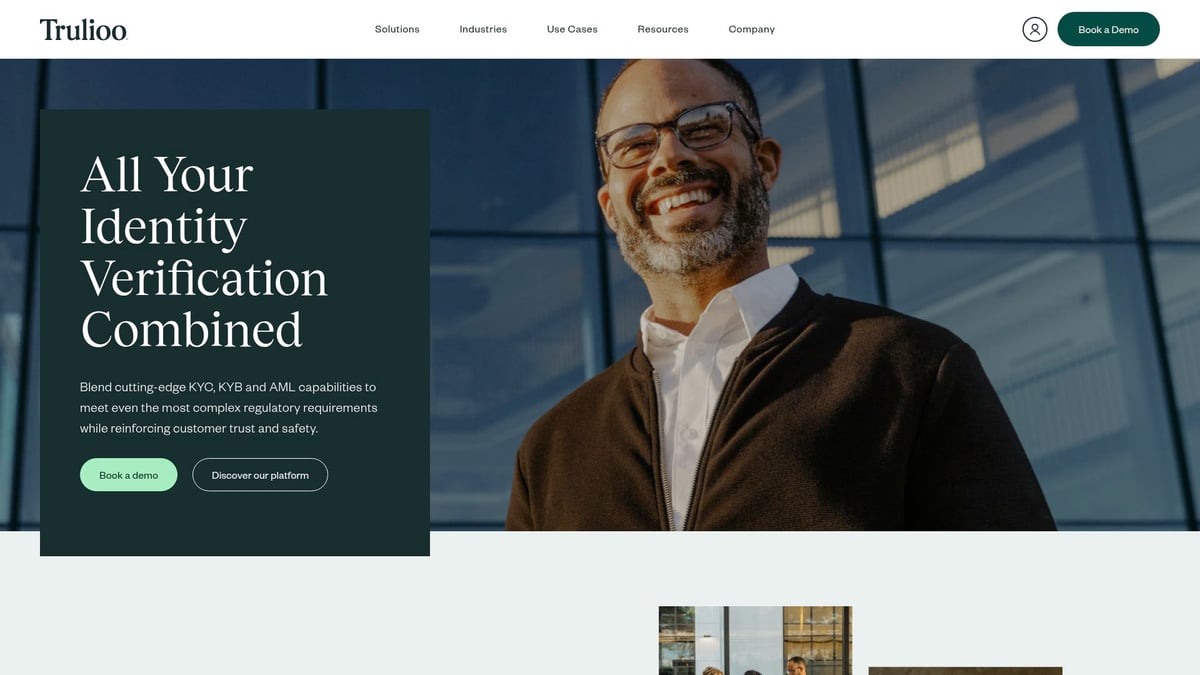
Core features include:
- Global identity verification
- AML/KYC compliance tools
- Document and watchlist screening
Trulioo’s unique selling points are its extensive international coverage and real-time verification. The robust API enables seamless integration with existing systems, making it a favorite among financial institutions and online marketplaces.
Pros:
- Scalable for any business size
- High match rates for IDs
- Deep regulatory expertise
Cons:
- Pricing may be a hurdle for startups
- Some users find API integration complex
A notable example: PayPal and other major fintechs rely on Trulioo for secure, compliant onboarding. As validation companies compete for global reach, Trulioo’s adaptability and reliability make it a leading choice.
SaaS Validation
SaaS Validation stands out among validation companies by offering a comprehensive resource hub for SaaS founders and product managers. Its platform is primarily free, monetizing through affiliate links and curated tool recommendations.
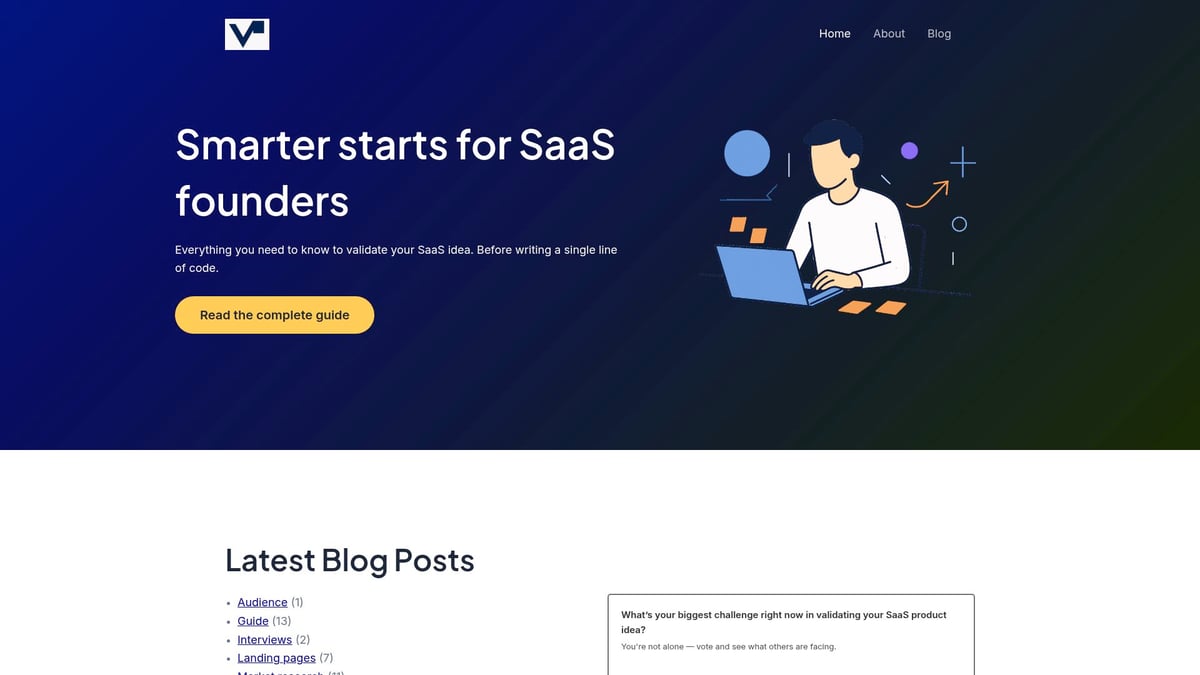
Key features:
- Step-by-step SaaS validation guides
- Expert interviews and case studies
- Market research and landing page strategies
SaaS Validation is ideal for early-stage SaaS founders who need actionable frameworks and up-to-date resources. The community-driven approach ensures that users stay on top of the latest trends and validation strategies.
Pros:
- Curated, trend-focused content
- Free access with strong community support
- Regularly updated tool lists
Cons:
- Not a direct provider of technical validation services
Entrepreneurs use SaaS Validation to minimize risk and validate ideas before development. For those interested in in-depth guidance, the SaaS validation guide and strategies page is an excellent starting point. In the broader landscape of validation companies, SaaS Validation empowers founders to make informed decisions.
Jumio
Jumio is a global leader among validation companies, focusing on AI-powered identity verification. Its pricing is tailored to each client, depending on usage and required features.
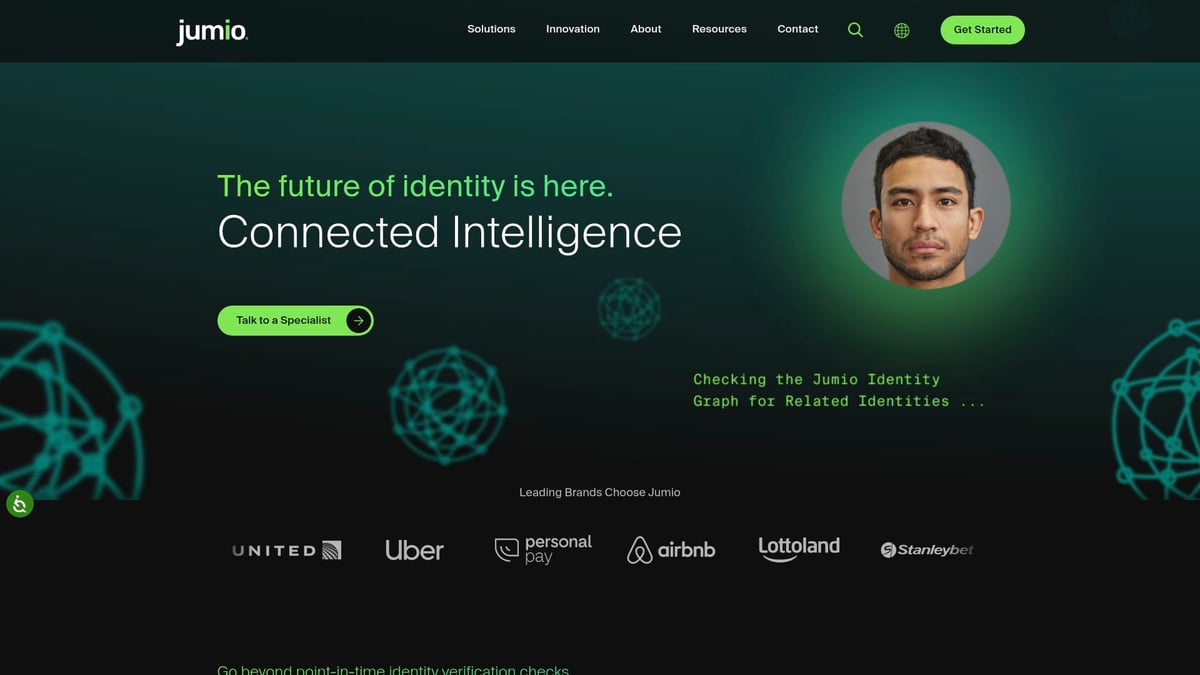
Core features:
- Biometric authentication
- eKYC and AML screening
- Real-time ID verification
Jumio’s strengths lie in fraud detection and global document coverage. Its solutions are trusted by banks, crypto exchanges, and sharing economy platforms.
Pros:
- High verification accuracy
- Quick onboarding experiences
- Mobile-first approach
Cons:
- Limited pricing transparency
- Occasional false positives in ID matching
Major banks use Jumio to streamline customer onboarding and minimize fraud. Among validation companies, Jumio’s AI-driven technology is a benchmark for secure, scalable solutions.
Onfido
Onfido is a flexible and developer-friendly option among validation companies. Pricing is available as pay-as-you-go or enterprise plans.
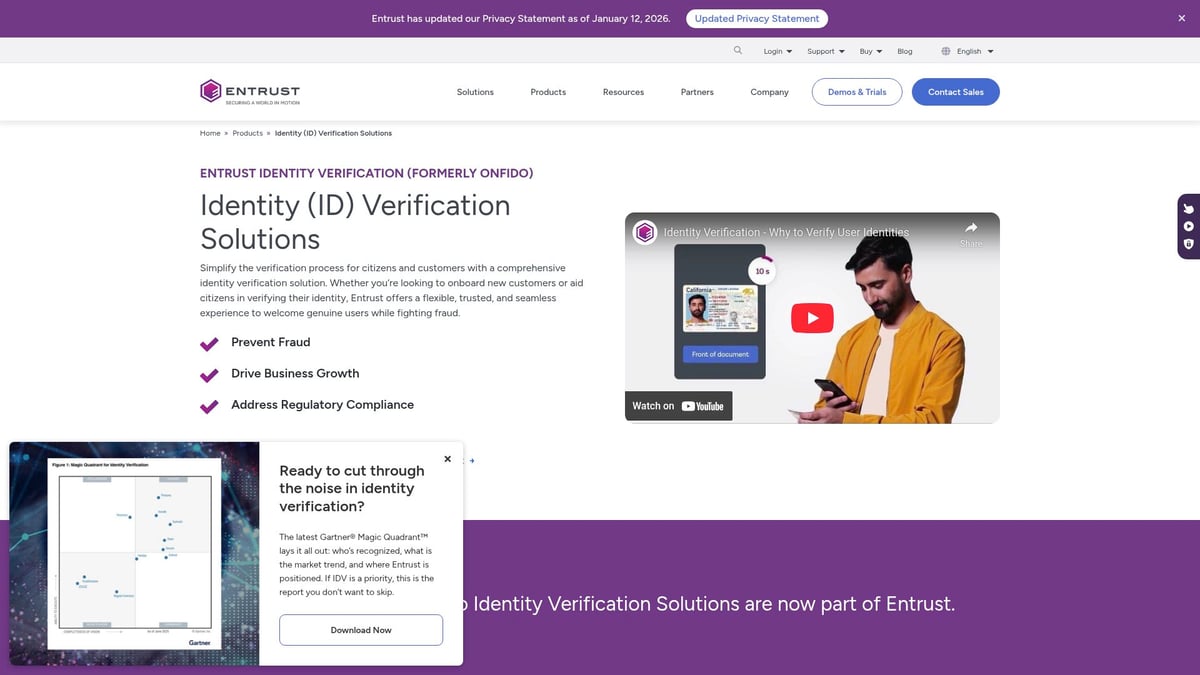
Key features:
- Identity and document verification
- Facial biometrics
- Ongoing compliance monitoring
Onfido’s integration flexibility and strong AI/ML capabilities support businesses across fintech, gig economy, travel, and insurance sectors.
Pros:
- Simple API for rapid deployment
- Excellent developer support
- Scalable for fast-growing companies
Cons:
- Some cases may require manual review
Revolut and Deliveroo use Onfido to ensure secure customer onboarding. Validation companies like Onfido are crucial for businesses seeking to balance compliance and user experience.
IDnow
IDnow is a prominent European player among validation companies, offering custom pricing for enterprise clients.
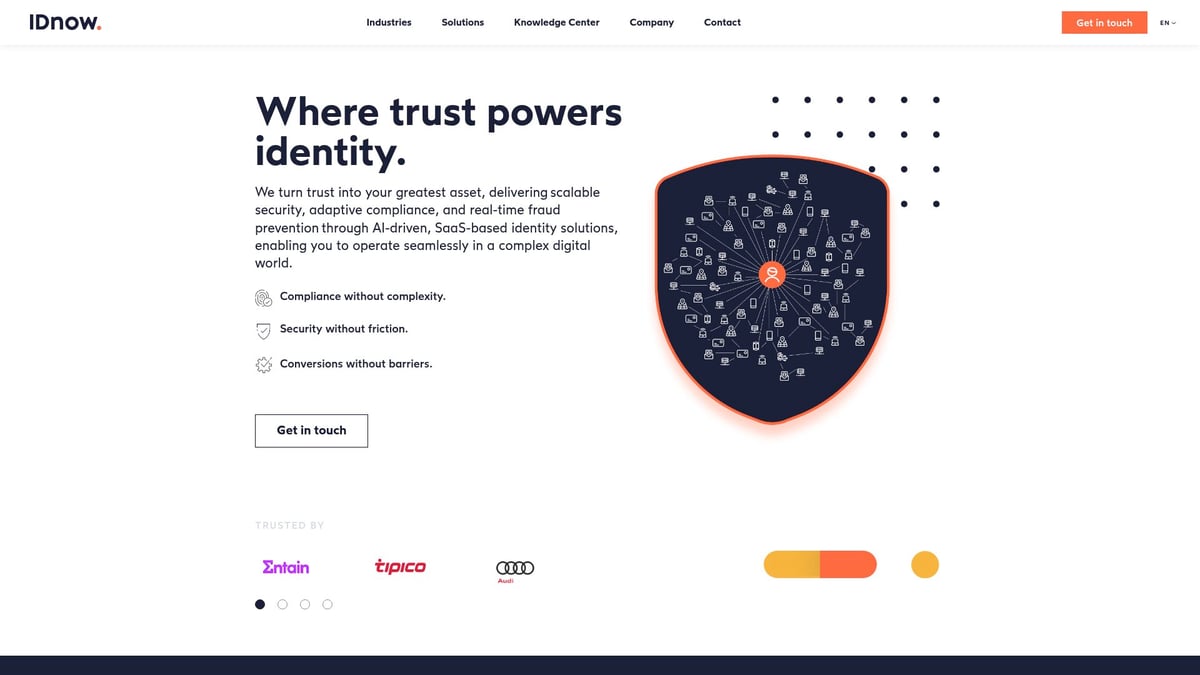
Core features:
- Video identification
- Automated ID verification
- e-signature and AML compliance
IDnow’s main benefits are high security and GDPR compliance, making it popular with European banks, insurance firms, and mobility providers.
Pros:
- Strong focus on regulatory compliance
- Multi-channel support, including video
- User-friendly interfaces
Cons:
- Primarily serves the European market
- Video verification may slow onboarding
Leading European banks use IDnow for remote account opening. Validation companies in Europe rely on IDnow’s secure, seamless video onboarding.
Socure
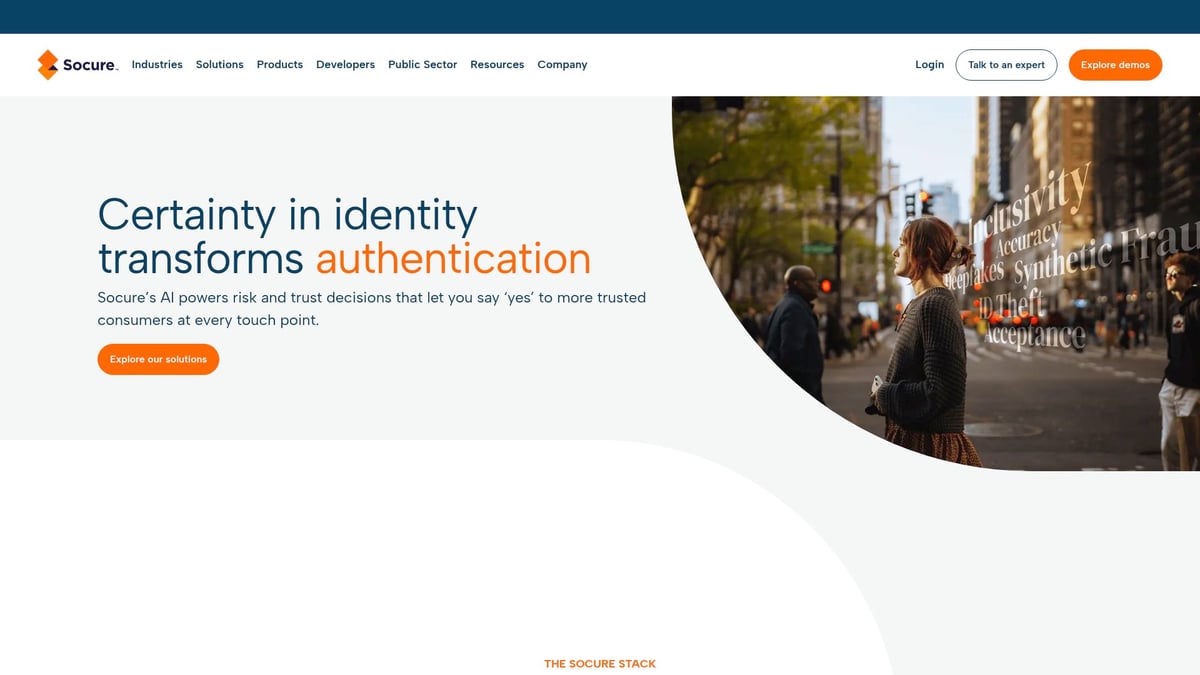
Socure is a data-driven powerhouse among validation companies, serving enterprises with subscription and usage-based pricing.
Key features:
- Digital identity verification
- Fraud prevention and risk scoring
- Document authentication
Socure’s high pass rates and advanced machine learning make it indispensable for financial services, e-commerce, and online lending.
Pros:
- Comprehensive analytics dashboard
- Fast, accurate processing
- Robust fraud detection
Cons:
- Focused on enterprises, not ideal for small businesses
Chime and other neobanks use Socure to accelerate secure onboarding. Validation companies like Socure set the standard for analytics and fraud prevention.
Veriff
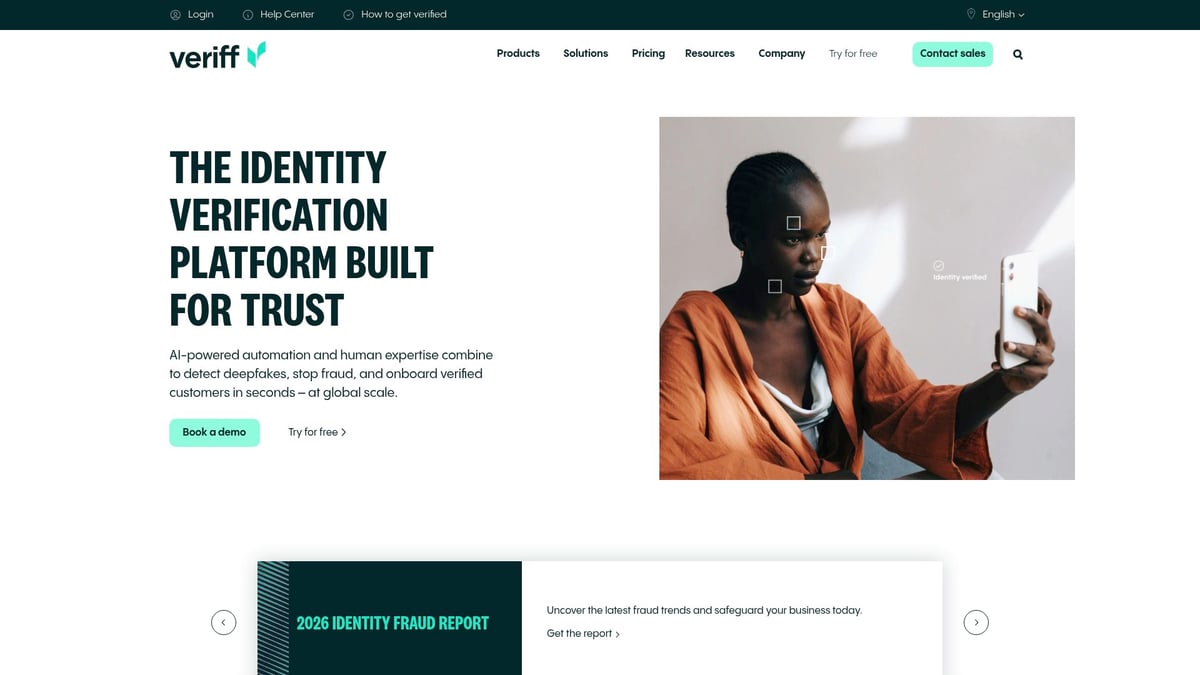
Veriff is a flexible, developer-friendly choice among validation companies, offering transparent tiered plans for startups and enterprises.
Core features:
- Identity verification and biometric analysis
- Document validation
- AML screening
Veriff’s user-friendly dashboard and fast verification times appeal to online marketplaces, mobility apps, and fintechs.
Pros:
- Flexible, accessible pricing
- Global document coverage
- Strong customer support
Cons:
- Some issues with rare document types
Bolt and Wise trust Veriff for secure, compliant user verification. In the world of validation companies, Veriff is known for its speed and developer resources.
Mitek Systems
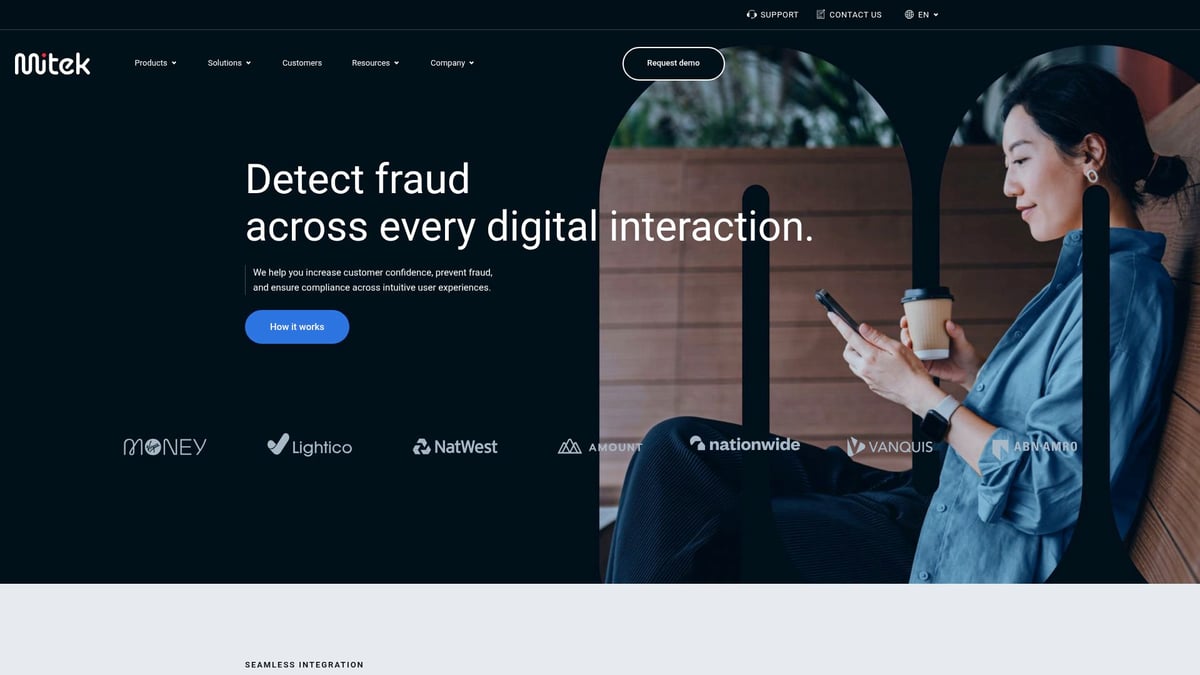
Mitek Systems is a pioneer among validation companies, especially for mobile-first financial services. Pricing is customized for enterprise clients.
Key features:
- Mobile check deposit
- Digital identity verification
- Biometric authentication
Mitek’s patented image capture technology powers mobile banking for thousands of institutions.
Pros:
- Leading mobile image capture
- Easy integration with existing banking apps
- Strong compliance credentials
Cons:
- Primarily focused on the financial sector
- Limited coverage for non-financial industries
Over 7,000 financial institutions use Mitek for mobile check deposit. Among validation companies, Mitek is synonymous with innovation in mobile verification.
Shufti Pro
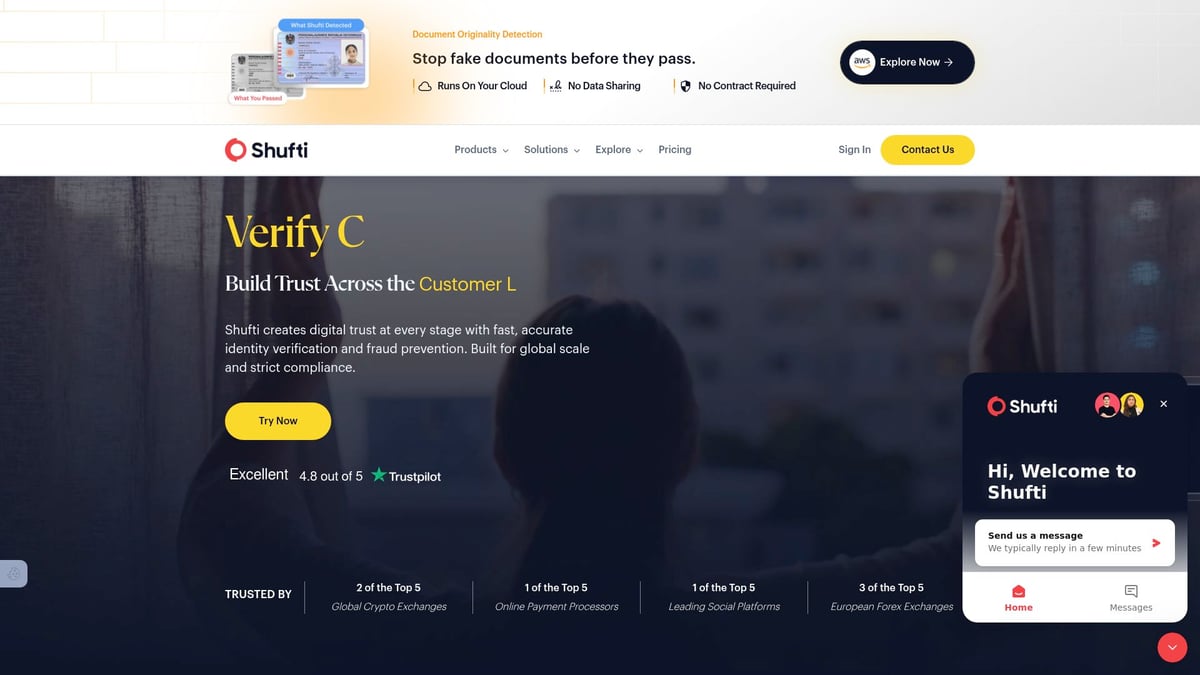
Shufti Pro is one of the most accessible validation companies, offering transparent pay-as-you-go and monthly plans.
Key features:
- KYC/AML compliance
- Identity and address verification
- Face and document matching
Shufti Pro’s extensive coverage of 230+ countries and support for 150+ languages make it ideal for crypto platforms, e-commerce, and healthcare.
Pros:
- Affordable, flexible pricing
- Multi-language support
- Real-time onboarding
Cons:
- Occasional issues with rare or less common documents
CoinPayments and other crypto platforms use Shufti Pro for global KYC compliance. Validation companies like Shufti Pro enable businesses to meet international regulatory standards efficiently.
How to Select the Right Validation Partner for Your Business
Selecting the ideal validation partner is a critical step for businesses facing evolving compliance and security expectations. The process requires a careful evaluation of your organization’s unique needs, a clear comparison of solutions, and forward-thinking to ensure your validation stack stands the test of time.
Assessing Your Unique Validation Needs
Begin by mapping out your regulatory landscape. Are you subject to KYC, AML, GDPR, HIPAA, or other frameworks? Identify which standards apply to your industry and region.
Next, consider your business model and growth plans. High-volume onboarding, cross-border operations, and elevated fraud risk all influence your requirements. For example, SaaS startups may need flexible solutions, while fintech firms often prioritize robust compliance.
By aligning your operational realities with what validation companies offer, you set a strong foundation. Tailor your checklist to factors like onboarding volume, customer regions, and risk profile. This approach ensures you focus only on providers equipped to meet your core needs.
Comparing Features, Pricing, and Integrations
Effective due diligence means comparing validation companies side by side. Look for strengths in automation, analytics, and API flexibility. Review pricing structures carefully—understand whether costs scale with usage, and if there are hidden fees.
Integration support is vital. Does the provider offer robust developer resources and documentation? Consider using a comparison table to visualize key differences:
| Criteria | Company A | Company B | Company C |
|---|---|---|---|
| API Flexibility | High | Medium | High |
| Pricing Model | Tiered | Flat | Usage |
| Analytics | Advanced | Basic | Advanced |
For SaaS businesses, exploring a List of SaaS validation tools can streamline your research and help you find solutions tailored to your stack. This proactive approach helps you avoid costly integration pitfalls.
Evaluating Support, Security, and Compliance
When shortlisting validation companies, scrutinize their support offerings and security credentials. Does the provider offer 24/7 support or dedicated account management? Industry certifications such as SOC 2 and ISO are crucial indicators of rigorous security practices.
Assess data handling policies, encryption standards, and transparency in privacy measures. A company’s track record in compliance and incident response can make a substantial difference during audits or breaches. For example, Socure’s certifications provide confidence for regulated industries seeking reliable partners.
Prioritizing these factors protects both your business and your customers, making the selection process more resilient.
Building a Future-Proof Validation Stack
Future readiness is essential when evaluating validation companies. Seek partners investing in AI, automation, and global expansion. Solutions that adapt to regulatory shifts or emerging standards, such as decentralized identity, will keep your stack competitive.
Vendor stability and a transparent product roadmap are also key. Assess whether the provider demonstrates innovation and a commitment to ongoing improvement. If your business is SaaS-focused, stay informed about AI-powered SaaS validation trends to anticipate the next wave of enhancements.
Choose validation companies that not only solve today’s challenges but also position your business to thrive as industry demands evolve.
Real-World Impact: Validation Companies Transforming Industries
Validation companies are revolutionizing industries by providing robust solutions that ensure compliance, security, and trust. Their technology is at the core of digital transformation, enabling organizations to meet regulatory demands and deliver seamless user experiences. Let us explore how validation companies are driving change across financial services, SaaS, and other vital sectors.
Financial Services and Fintech
Financial institutions rely on validation companies to accelerate digital onboarding and minimize fraud risk. Automated KYC and AML checks streamline customer verification, allowing banks and fintech firms to meet global compliance standards efficiently.
- Rapid customer enrollment with real-time identity verification
- Lower fraud rates through advanced risk scoring
- Seamless cross-border compliance with evolving regulations
For example, neobanks like Chime leverage validation companies to onboard new users quickly, maintaining security and trust. By integrating these solutions, financial organizations can focus on growth while reducing regulatory exposure and operational costs.
SaaS and Digital Startups
Validation companies play a pivotal role in the SaaS ecosystem, helping founders validate ideas, onboard users, and ensure compliance from the outset. Early-stage startups benefit from guidance on market fit and regulatory requirements, reducing risk and increasing their chances of success.
- Streamlined user onboarding and verification
- Automated compliance for GDPR, SOC 2, and more
- Actionable frameworks for product validation
Founders can access resources such as Proven steps for vertical SaaS validation to test concepts before development. As a result, validation companies empower SaaS businesses to launch with confidence and scale efficiently in competitive markets.
E-Commerce, Mobility, and Healthcare
In sectors like e-commerce, mobility, and healthcare, validation companies enable secure transactions and protect sensitive data. These industries face unique challenges, including identity theft, regulatory mandates, and the need for real-time verification.
- Enhanced trust with instant identity and document checks
- Sector-specific compliance (HIPAA, PCI DSS) made simple
- Support for global customer bases and multiple languages
Companies such as Bolt and Wise rely on validation companies to verify users worldwide, ensuring safety and regulatory adherence. By integrating these technologies, businesses foster customer trust and unlock new growth opportunities.