
Is your business ready to keep pace with the next evolution of SaaS? The SaaS market is exploding, with Gartner predicting it will soar to $232 billion by 2026.
This growth brings not just opportunity but also new layers of complexity, driven by advances in AI, automation, and hyper-personalization. Navigating these changes demands more than just technical know-how—it requires a clear, strategic approach.
Whether you're a founder, product manager, or tech leader, having a reliable roadmap can make the difference between thriving and falling behind.
This guide is designed to help you master saas technology for the coming years. We’ll walk you through key trends, building a resilient SaaS stack, validating your ideas, scaling your business, and tackling the biggest challenges ahead.
Understanding the SaaS Landscape in 2026
The saas technology landscape in 2026 is rapidly transforming, fueled by innovation and shifting market dynamics. To succeed, founders and product leaders must grasp the trends, challenges, and opportunities shaping the future of SaaS.
Key SaaS Trends Shaping 2026
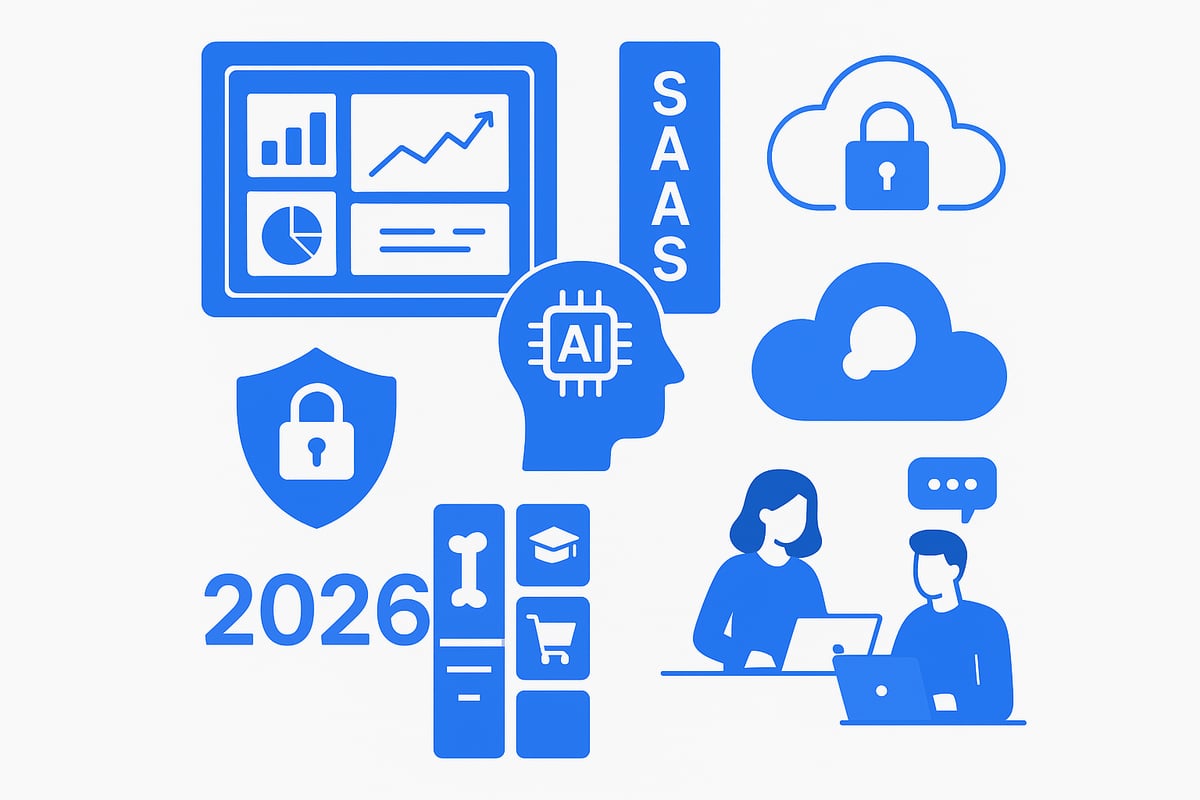
In 2026, saas technology is defined by rapid integration of AI and machine learning, enabling smarter automation and real-time analytics. The rise of vertical SaaS is transforming niche industries, offering tailored solutions for healthcare, finance, and manufacturing. For a deeper dive, explore these Vertical SaaS trends shaping the market.
Low-code and no-code platforms are empowering non-technical teams to innovate quickly. Data privacy and compliance, with frameworks like GDPR and CCPA, are now core product features. Leading examples include Salesforce’s AI-powered analytics and Notion’s expanding API ecosystem. Gartner predicts that 85% of new SaaS applications will embed AI by 2026, making advanced intelligence a new standard in saas technology.
Market Growth and Competitive Dynamics
The global saas technology market is on track to reach $232 billion by 2026, reflecting explosive demand. Competition is intensifying, with both global giants and local innovators vying for market share. Mergers, acquisitions, and the rise of micro-SaaS ventures are reshaping the landscape.
Adobe’s acquisition of Figma highlights how consolidation is influencing innovation and pricing models. Customer expectations are evolving, pushing vendors to offer more flexible, value-driven pricing. In this environment, standing out with differentiated saas technology is more important than ever.
Evolving Customer Expectations
Modern customers demand seamless onboarding and a frictionless user experience from their saas technology providers. Self-service options, customization, and rapid support are no longer perks—they are baseline expectations.
There is a clear shift toward value-based pricing, where customers pay for results rather than features. Transparency and trust are critical to building long-term relationships. Slack’s focus on intuitive UX and proactive customer success sets a benchmark for others in the industry, underscoring the importance of meeting evolving expectations in saas technology.
Regulatory and Security Considerations
Security and compliance are now top priorities for any saas technology company. Stricter data regulations, such as GDPR and CCPA, mean that robust security features are essential for winning customer trust.
End-to-end encryption, zero trust architectures, and expanded certifications like SOC 2 and ISO 27001 are quickly becoming industry standards. Following high-profile incidents, companies like Zoom have invested heavily in security upgrades. According to Statista, 60% of SaaS buyers cite security as their primary concern, reinforcing the need for proactive measures in every aspect of saas technology.
Emerging Technologies and Opportunities
The next wave of saas technology will be shaped by several disruptive forces. Blockchain is being explored to enhance transparency and trust, especially in financial and supply chain SaaS solutions. Edge computing and IoT integration are enabling real-time data processing for industries like logistics and manufacturing.
Sustainability is gaining traction, with green SaaS initiatives and dashboards—like AWS’s sustainability platform—helping organizations track their environmental impact. New monetization models, such as usage-based and freemium+, are allowing companies to align pricing with value delivered. These opportunities are redefining what’s possible with saas technology.
Building a Future-Proof SaaS Technology Stack
Creating a future-proof saas technology stack is essential for staying ahead in 2026. The right choices today will help your product scale, remain secure, and adapt quickly to new trends. Let us break down the foundational elements you need to build a resilient and flexible stack.
Core Architecture Choices for 2026
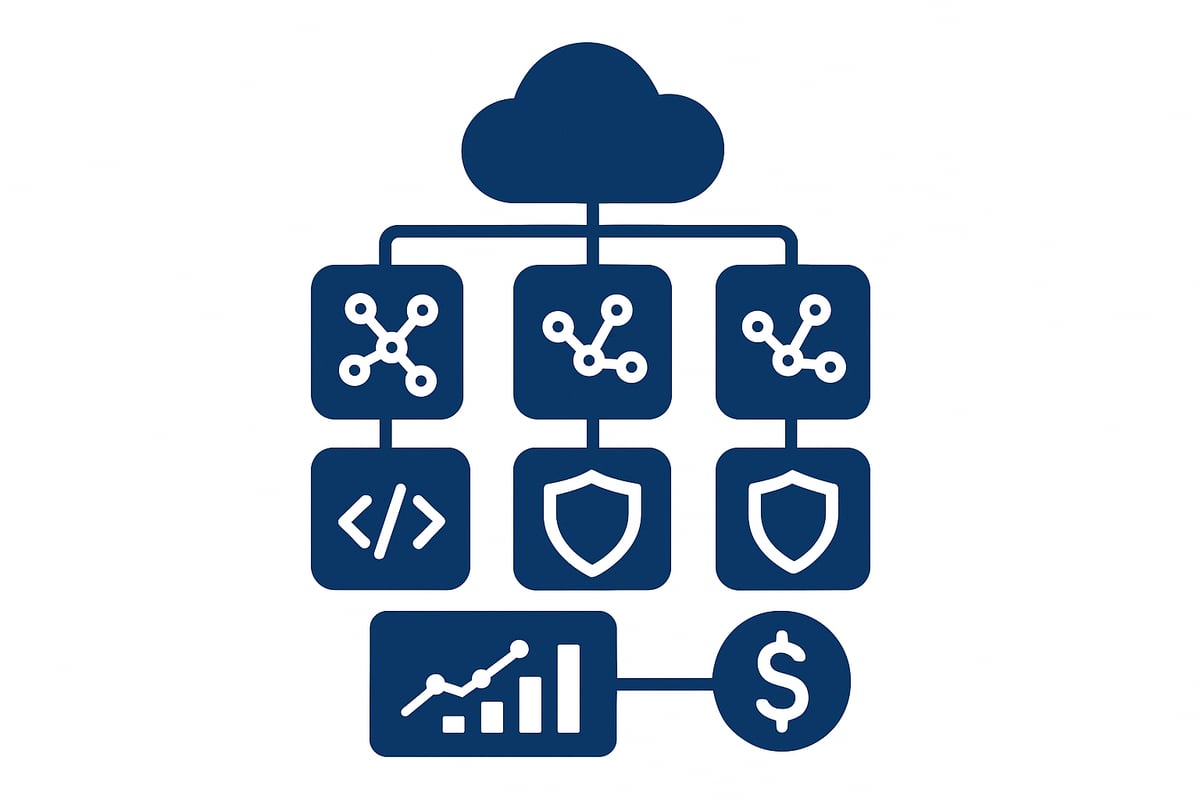
Modern saas technology demands architectures that balance agility with robustness. In 2026, cloud-native designs will dominate, but hybrid models remain valuable for specific compliance or latency needs.
Microservices and containerization, using tools like Docker and Kubernetes, enable independent scaling and faster deployments. Serverless computing is gaining traction for its scalability and cost efficiency, especially for unpredictable workloads.
Consider the trade-offs: microservices offer agility but add complexity in orchestration and monitoring. Shopify’s migration to microservices highlights the performance gains but also the need for strong DevOps practices. For a step-by-step approach, explore Building a SaaS product to align architecture with your business goals.
Selecting the Right Development Tools and Platforms
The saas technology landscape is rich with frameworks and platforms. React, Angular, and Vue remain popular for building responsive frontends, each with strengths in community support and flexibility.
For rapid prototyping, low-code and no-code platforms are indispensable. They let teams validate ideas and iterate quickly. API-first development ensures easy integration and future expansion. Zapier’s API-driven automation is a prime example of extensibility.
When choosing between custom and off-the-shelf solutions, weigh your timeline, expertise, and need for differentiation. The right toolset accelerates delivery without sacrificing quality.
Ensuring Scalability and Performance
Scalability is a non-negotiable for any modern saas technology solution. Auto-scaling and load balancing guarantee uptime during traffic spikes. Multi-tenancy best practices let you serve multiple customers efficiently while isolating data.
Continuous performance monitoring, using platforms like Datadog or New Relic, helps identify bottlenecks before they affect users. Netflix’s use of chaos engineering demonstrates how resilience testing can prepare your stack for real-world disruptions.
Remember, 70% of saas technology failures stem from scalability issues. Proactive planning and rigorous testing are your best defenses.
Security and Compliance by Design
Embedding security into the software development lifecycle is crucial for saas technology. Start with role-based access control and robust identity management to protect user data.
Regular security audits and automated testing catch vulnerabilities early. Certifications such as SOC 2 and ISO 27001 are becoming standard for customer trust. Atlassian’s continuous compliance approach is a model for integrating security checks into every release.
As regulations evolve, design your stack to adapt easily. Being proactive in security and compliance is a competitive advantage.
Cost Management and Optimization
Managing costs is a strategic part of building a sustainable saas technology business. Cloud cost monitoring tools like CloudHealth and AWS Cost Explorer provide real-time visibility into spending.
Adopt best practices such as resource tagging, rightsizing, and shutting down unused services. Usage-based pricing models help align costs with customer value, as demonstrated by HubSpot’s modular pricing structure.
Avoid vendor lock-in by using open standards and modular components. Diversifying third-party dependencies reduces risk and supports long-term flexibility.
Validating Your SaaS Idea and Achieving Product-Market Fit
Validating your idea is the essential first step to building a successful saas technology product in 2026. As the market grows more competitive, skipping validation can result in wasted resources and missed opportunities. Failure rates are climbing, with 42% of startups failing due to no market need. Early validation, such as Dropbox’s MVP video, helps founders confirm demand before investing heavily. Leveraging SaaS validation strategies allows teams to de-risk development, focus on real user problems, and align features with genuine market needs. In today’s landscape, validation is not optional, but mission-critical.
The Importance of Early Validation in 2026
With saas technology evolving rapidly, early validation has become the foundation for successful product launches. The abundance of new solutions means unvalidated ideas face steep odds. Validating your concept early helps you avoid building features no one wants. Tools like explainer videos, landing pages, and waitlists can gauge genuine interest before you write a line of code. For example, Dropbox’s MVP video validated demand with minimal investment. In 2026, validation is a proactive risk-management strategy that saves both time and capital. Ensuring your idea resonates with real users is the first milestone on the road to product-market fit.
Customer Discovery and Market Research
Customer discovery sits at the heart of saas technology validation. Start by conducting interviews, surveys, and competitor analysis to understand your audience’s pain points. AI-powered tools can reveal market trends and identify underserved niches in 2026. Superhuman’s deep-dive interviews with target users led to a hyper-focused feature set, driving strong adoption. Engage with online communities, run beta programs, and collect feedback from early adopters to refine your value proposition. These steps ensure your solution addresses a real problem and is differentiated from existing products. Involving customers early lays the groundwork for lasting success.
Prototyping and MVP Development
Building a minimum viable product (MVP) is essential in the fast-paced saas technology sector. Start lean by focusing on your core value proposition, using low-code or no-code platforms for rapid iteration. This approach enables you to test hypotheses and gather feedback quickly. Airtable’s initial MVP was basic yet effective, helping the team validate assumptions with real users before scaling. Set clear success metrics for your MVP, such as user engagement or conversion rates. Rapid prototyping not only speeds up development but also ensures that you are solving genuine user problems, reducing costly missteps.
Metrics and Feedback Loops
Tracking the right metrics is crucial in optimizing saas technology for product-market fit. Focus on key performance indicators like activation, retention, and churn. Implement in-app analytics and feedback tools to capture user behavior and preferences. Intercom, for instance, used continuous user feedback to guide product evolution and prioritize features. A/B testing allows you to validate changes before rolling them out widely. Establishing strong feedback loops ensures that your product evolves with user needs, leading to higher satisfaction and reduced churn. Data-driven iteration keeps your product relevant in a dynamic market.
How SaaS Validation Empowers Founders
SaaS Validation offers a robust suite of resources designed for founders, product managers, and innovators in the saas technology space. Their expert guides cover every step, from market research and MVP design to ongoing customer feedback. Interactive tools, polls, and benchmarks make it easy to track progress and spot gaps in your approach. Actionable strategies help reduce risk and increase the odds of product success. By leveraging these resources, you can confidently validate your idea before making major investments. SaaS Validation is a trusted partner for anyone aiming to achieve product-market fit in 2026.
Scaling and Growing Your SaaS Business in 2026
Scaling your business with modern saas technology requires a strategic approach tailored to the evolving landscape of 2026. Companies need to align go-to-market strategies, customer acquisition, pricing, localization, and team leadership to maximize growth and stay ahead of competitors.
Go-to-Market Strategies for Modern SaaS
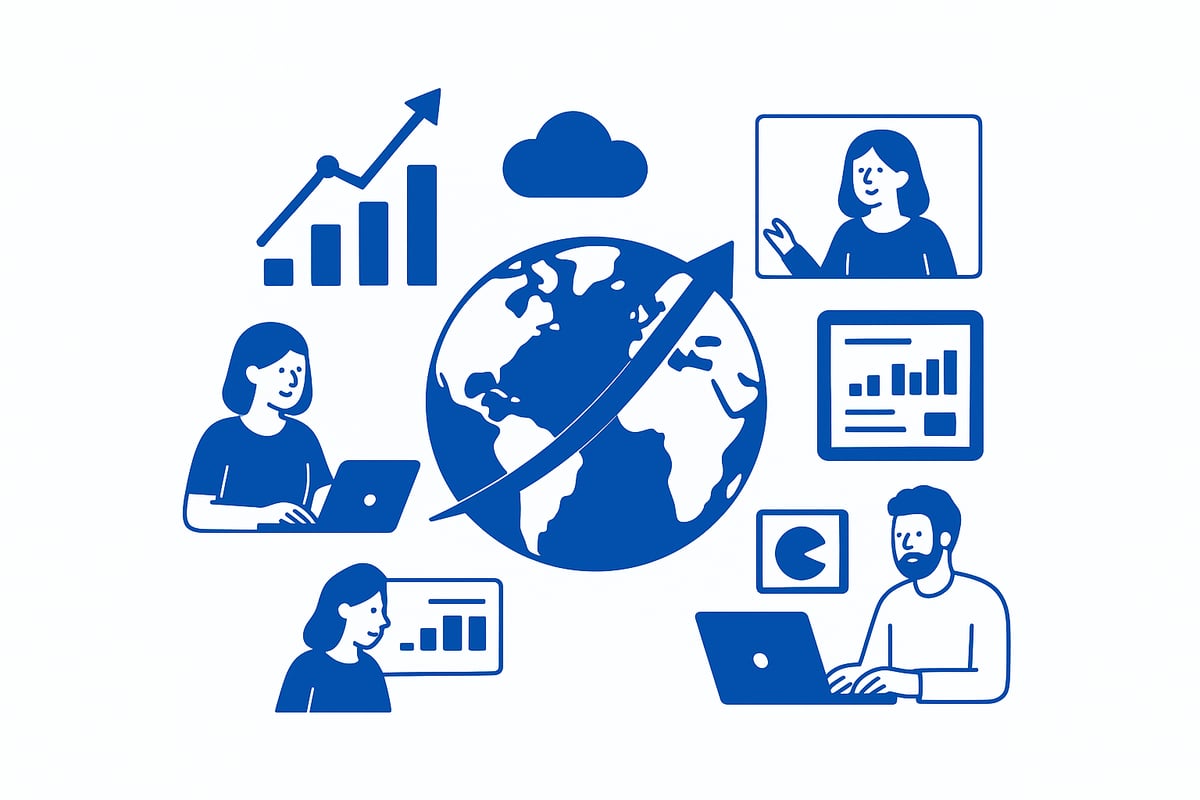
Selecting the right go-to-market strategy is critical for saas technology success. In 2026, product-led growth (PLG) dominates, supported by content marketing, educational webinars, and engaged online communities. Hybrid models that blend PLG with traditional sales-led approaches are on the rise, enabling companies to reach diverse customer segments.
Strategic partnerships and seamless integrations can spark viral adoption, as seen with Calendly’s rapid PLG success. According to OpenView, 75 percent of SaaS companies are expected to adopt PLG by 2026, emphasizing the need for agile tactics. For in-depth tactics, explore these SaaS scaling strategies to position your business for sustainable expansion.
Customer Acquisition and Retention
Winning and keeping customers in the competitive saas technology space requires multichannel excellence. Leverage SEO, paid media, influencer outreach, and robust onboarding experiences to attract and nurture leads. Customer success programs and proactive support are vital to reduce churn and build loyalty.
Zendesk’s focus on customer success highlights the power of engagement and support in retention. Employ NPS and CSAT metrics to measure satisfaction and adjust your approach. Discover the latest SaaS Marketing Trends 2026 to harness AI-driven automation and hyper-personalization for even greater impact.
Monetization and Pricing Models
Monetization strategies for saas technology must balance growth and profitability. Usage-based, tiered, and freemium pricing models are increasingly popular. AI-powered dynamic pricing enables companies to adapt to market demands in real time, maximizing revenue opportunities.
Twilio’s pay-as-you-go model illustrates the benefits of flexible pricing. Carefully segment your offerings and regularly review pricing to ensure alignment with customer value and expectations. A robust pricing strategy can become a key differentiator in a crowded market.
International Expansion and Localization
Global growth is a natural next step for scaling saas technology businesses. Assess market readiness by analyzing regional demand, regulatory requirements, and competitive landscapes. Localize your product, support, and documentation for each target market to enhance user experience.
Asana’s rollout of multilingual support showcases the importance of tailored localization. Adapt pricing, marketing, and compliance strategies to fit diverse regions, ensuring your SaaS offering resonates with a global audience. Strategic internationalization unlocks new revenue streams and broadens your customer base.
Building and Leading High-Performance Teams
As saas technology companies scale, building agile, high-performing teams is essential. Remote and hybrid work models require intentional management practices, including clear communication, regular check-ins, and outcome-based performance metrics.
Hiring for both technical expertise and customer-centric roles fosters innovation and resilience. GitLab’s all-remote success demonstrates the value of distributed teams. Encourage learning and diversity to drive global growth, ensuring your organization is ready for the next wave of SaaS innovation.
Navigating Challenges and Future-Proofing Your SaaS Venture
In the rapidly changing world of saas technology, staying ahead means more than just building a great product. Leaders must anticipate challenges, adapt to market shifts, and prepare for long-term resilience. This section explores the most common pitfalls, strategies for adaptation, and how to future-proof your saas technology venture.
Common Pitfalls and How to Avoid Them
Even the most promising saas technology startups can stumble if they overlook key risks. Common pitfalls include:
- Neglecting security and compliance, which exposes customer data and erodes trust.
- Building too many features too soon, leading to bloated code and wasted resources.
- Poor onboarding and customer support, resulting in low engagement and high churn.
To avoid these mistakes, focus on robust security practices, validate features before scaling, and invest in seamless onboarding. Remember, 30% of saas technology startups fail due to technical debt, so keep your architecture clean and scalable.
Adapting to Technological Disruption
Saas technology evolves swiftly, with new platforms and tools emerging every year. Staying ahead requires continuous learning and a willingness to pivot when needed. Encourage your team to upskill regularly and adopt flexible, modular architectures that support rapid change.
Emerging trends like AI, automation, and blockchain are reshaping the future of SaaS. For a deeper dive into innovation, see Emerging SaaS Technology Trends. Embrace experimentation and monitor competitors to ensure your saas technology remains relevant.
Managing Customer Trust and Data Privacy
Trust is the foundation of every successful saas technology business. Customers expect transparency in how their data is used and protected. Implement clear data privacy policies and ensure compliance with evolving regulations such as GDPR and CCPA.
Regularly communicate updates and security improvements to users. Conduct security audits and respond quickly to incidents. Building trust takes time, but it is essential for long-term loyalty and sustainable growth in the saas technology sector.
Funding and Financial Sustainability
Financial planning is critical for scaling saas technology ventures. Choosing between bootstrapping and venture funding depends on your growth goals and risk tolerance. Managing cash flow, burn rate, and runway helps maintain stability in volatile markets.
Global IT spending is projected to exceed $6 trillion by 2026, highlighting the growing investment in cloud and AI infrastructure (Gartner’s 2026 IT Spending Forecast). Explore alternative funding methods, such as revenue-based financing, to diversify your options.
Staying Agile and Innovative
Agility is a cornerstone of successful saas technology companies. Implement agile methodologies to enable rapid iteration and fast response to market feedback. Foster a culture of innovation by encouraging experimentation and rewarding creative solutions.
Monitor industry signals, listen to user needs, and adjust your roadmap accordingly. Companies that stay agile are better positioned to weather disruption and lead the next wave of saas technology advancements.