
The SaaS industry is experiencing explosive growth, making cloud software expertise a must-have for anyone looking to future-proof their tech career in 2026. Whether you are a seasoned professional or just starting out, enrolling in the right saas course can open doors to high-demand roles and competitive salaries.
This guide is designed to help you strategically build the most sought-after SaaS skills, select courses that match your goals, and accelerate your journey to becoming a cloud software professional. You will discover the core concepts, essential skills, top saas course options, certifications, and proven strategies for career advancement.
We will break down the fundamentals of SaaS, explore which skills are most valuable, and show you how to structure your learning path for real-world impact. You will also find curated recommendations for the best saas course offerings in 2026 and actionable tips to help you stand out.
SaaS is dominating the modern business landscape, and organizations need experts who can navigate this shift. Ready to take your next step? Follow this guide to choose the ideal saas course and build a future-proof cloud software career.
Understanding SaaS and Cloud Software Fundamentals
Cloud technology has redefined how organizations build, deliver, and scale software. If you are considering a saas course, understanding the fundamentals of SaaS and cloud computing is the first step toward mastering these critical skills.
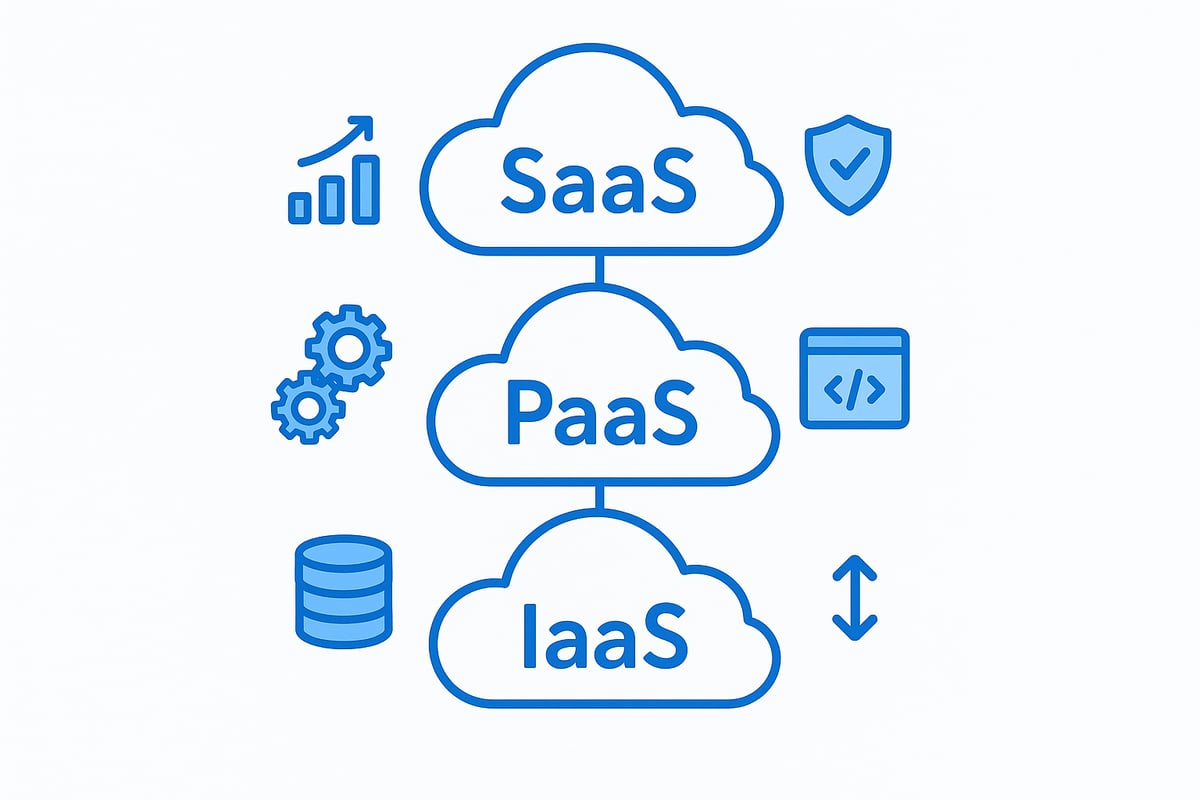
Defining SaaS and Cloud Computing
SaaS, or Software as a Service, is a cloud model where users access applications over the internet instead of installing them locally. This model empowers businesses to use powerful tools like Salesforce, Dropbox, or Google Workspace without managing infrastructure. In contrast, PaaS (Platform as a Service) offers a platform for developers to build applications (e.g., Microsoft Azure), while IaaS (Infrastructure as a Service) provides virtualized hardware resources (e.g., AWS).
The shift from on-premises to cloud-based solutions is accelerating. By 2026, the SaaS market is projected to exceed $400 billion globally, driven by demand for scalable, subscription-based software Global SaaS Market Growth Projections. SaaS stands out for its accessibility, rapid deployment, and flexible pricing models, making it essential knowledge in any modern saas course.
Key Components of SaaS Architecture
A foundational concept in any saas course is multi-tenancy, where a single application serves multiple customers while keeping data isolated. This approach benefits both vendors and users through cost efficiency and seamless updates.
API integrations allow SaaS products to connect with other tools, increasing extensibility. Data security and compliance are prioritized, with user management controls built in. Continuous updates and rapid deployment cycles mean customers always access the latest features. For example, Dropbox and Google Workspace leverage these architectural principles to deliver reliable, secure, and scalable services.
SaaS in the 2026 Business Landscape
The adoption of SaaS is expanding across every industry. Finance, healthcare, and education are rapidly moving to cloud-first solutions, with vertical SaaS platforms addressing unique sector needs. AI and automation are transforming SaaS offerings, enabling smarter workflows and predictive analytics.
Remote work has intensified the need for cloud-based collaboration and productivity tools. Competitor data shows over 10,000 certificates claimed in leading saas course programs, reflecting a surge in professional upskilling. The SaaS ecosystem is becoming more dynamic, with industry-specific solutions gaining traction.
Essential SaaS Terminology and Concepts
Every comprehensive saas course introduces key concepts and metrics. Subscription models include freemium, tiered, and usage-based plans. Performance is tracked using metrics like MRR (Monthly Recurring Revenue), ARR (Annual Recurring Revenue), churn rate, and CAC (Customer Acquisition Cost).
User onboarding, retention, and customer success are vital for growth. SaaS companies must also comply with regulations such as GDPR, SOC 2, and HIPAA. In practice, monitoring and optimizing these areas help businesses scale efficiently and maintain customer trust.
Core SaaS Skills to Master in 2026
Mastering the right mix of skills is essential for anyone taking a saas course and aiming to excel in cloud software roles. In 2026, employers are seeking professionals who can blend technical expertise with business acumen, user-centric design, data fluency, and strong interpersonal abilities. Let us break down the core competencies every future-ready SaaS professional needs.
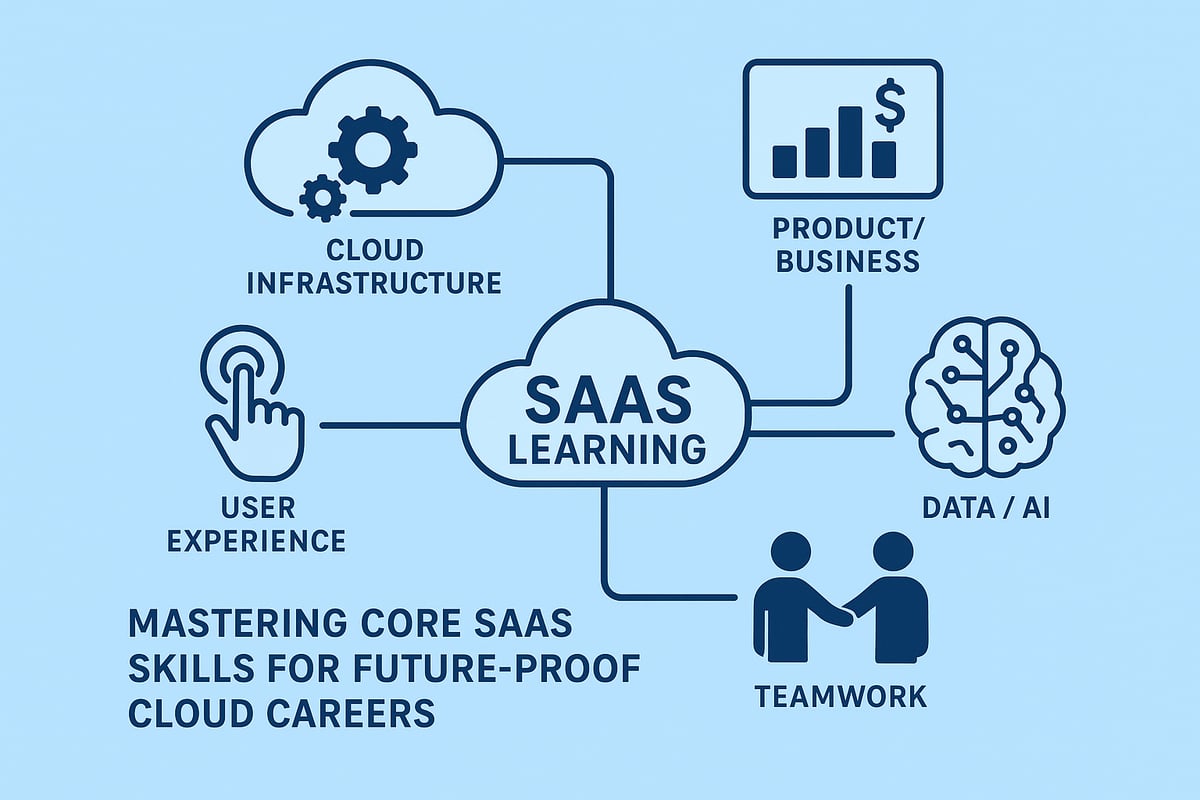
Technical Skills: The Foundation
A solid technical foundation is the backbone of any successful saas course graduate. Professionals need to understand cloud infrastructure fundamentals, such as AWS, Azure, or Google Cloud Platform. Proficiency in programming languages like Python or JavaScript and frameworks for SaaS application development is crucial.
API design and integration skills empower you to connect different platforms seamlessly. Data security and privacy best practices are non-negotiable, especially when building features like secure login systems. For example, a simple bcrypt-based authentication module in Python can protect user credentials and bolster application trust.
By focusing on these technical areas in your saas course, you build a toolkit that enables you to design, deploy, and scale robust SaaS products.
Product and Business Skills
Understanding the business side is vital for anyone in a saas course. You need to grasp SaaS business models, including freemium, tiered, and usage-based pricing. Product management principles, such as defining a minimum viable product (MVP) and applying agile methodologies, drive efficient development cycles.
Go-to-market strategies and market research ensure your SaaS product meets real user needs. Regular customer feedback loops allow you to iterate quickly. For instance, launching an MVP and adapting based on early user feedback can significantly improve your product-market fit.
A well-structured saas course will help you analyze competitors, refine pricing, and position your product for long-term success.
User Experience and Customer Success
User experience is a top priority in any modern saas course. Designing intuitive interfaces (UI/UX) keeps users engaged and lowers churn rates. Effective onboarding flows guide new users through the platform, making them more likely to stay.
Customer support and success metrics, such as Net Promoter Score (NPS) and retention rates, must be monitored closely. Analytics tools can highlight friction points and inform improvements. For example, Slack enhanced its retention by streamlining onboarding and providing interactive tutorials.
A comprehensive saas course will teach you to use data-driven insights to boost engagement and foster loyalty throughout the customer journey.
Data, Analytics, and AI in SaaS
Data management is a critical focus area in any advanced saas course. Professionals must understand cloud-based data storage, processing, and analytics. Integrating AI and machine learning features into SaaS products is becoming the norm, enabling real-time insights and automation.
For example, marketing platforms now use AI to optimize campaign performance and visualize results in dashboards. Staying current with compliance standards such as GDPR and CCPA is also essential. To explore how AI is shaping the SaaS landscape, see AI Integration in SaaS by 2026.
By mastering these data and AI skills in your saas course, you set yourself apart in a rapidly evolving industry.
Soft Skills for SaaS Professionals
No saas course is complete without developing soft skills. Communication and collaboration are crucial, especially in distributed or remote teams. Problem-solving abilities and adaptability ensure you thrive in fast-paced environments.
Project management skills help you keep initiatives on track, while leadership qualities inspire and motivate colleagues. A mindset of continuous learning and upskilling will keep you ahead as SaaS technologies evolve.
Cross-functional teamwork, such as coordinating between developers and marketers during a product launch, is often the key to SaaS success. Your saas course should nurture these interpersonal abilities alongside technical expertise.
Step-by-Step Guide: Structuring Your SaaS Learning Path
Mastering cloud software skills requires a clear, actionable plan. This step-by-step guide will help you build a strong foundation, choose the right saas course, and create a roadmap for continuous growth. Whether you are new to SaaS or looking to advance, following these structured steps will accelerate your journey.
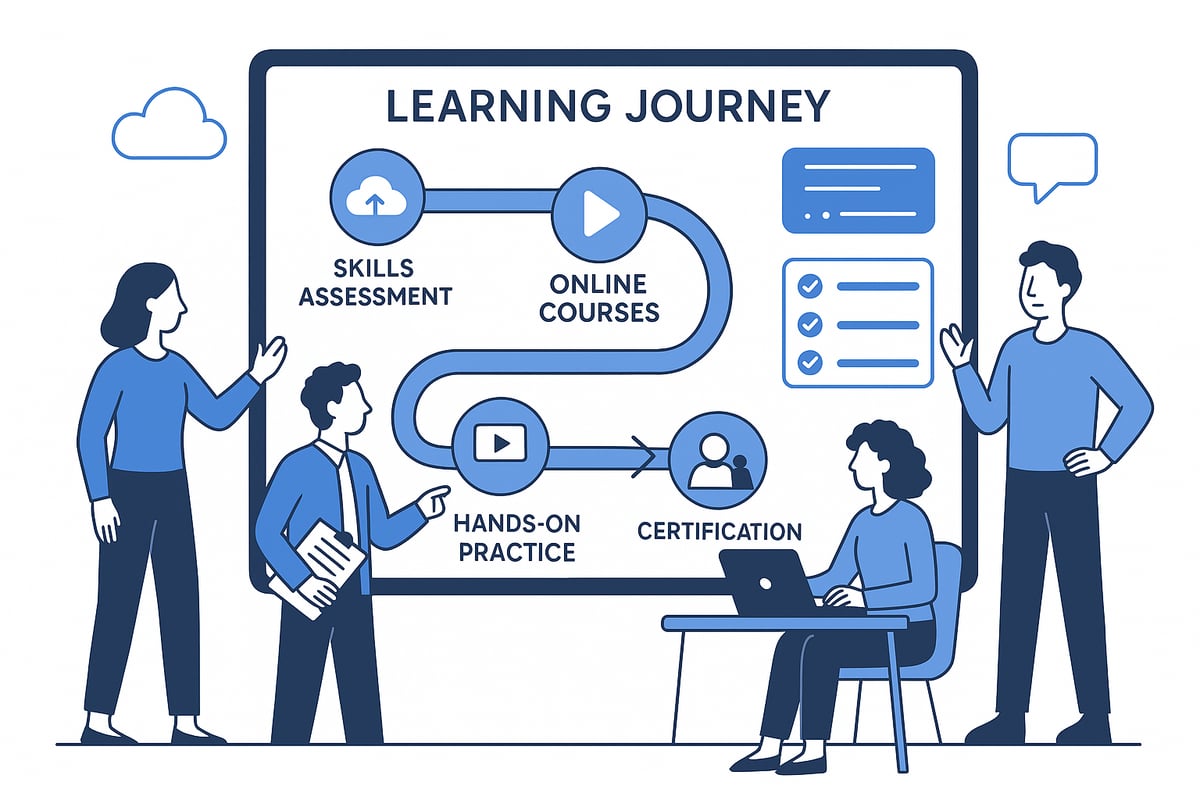
Assessing Your Current Skills and Goals
Start by evaluating both your technical and business skills. Identify which competencies are most relevant for your targeted SaaS role, such as developer, product manager, or customer success specialist.
Make a list of your strengths and areas for improvement. Use questions like:
- Do I have experience with cloud platforms or programming languages?
- Am I familiar with SaaS business models or user onboarding?
- What are my soft skills in communication and teamwork?
Set SMART goals to clarify your direction. For example:
Goal: Complete a beginner saas course on cloud fundamentals within 30 days to prepare for a junior SaaS developer role.
This clarity will guide your learning path and keep you motivated.
Researching and Selecting the Right SaaS Courses
Choosing the ideal saas course is crucial for building expertise. Evaluate courses based on:
- Content depth and relevance to current industry demands
- Instructor experience and learner feedback
- Format (self-paced vs. cohort-based)
- Certification value for employers
Compare platforms like Great Learning, Coursera, Udemy, and MicroConf. For foundational knowledge, explore resources like Learn SaaS Fundamentals to ensure you start with the right basics.
Decide if you need a free introduction or a paid, comprehensive program. Prioritize courses that offer hands-on labs and real-world scenarios.
Building a Chronological Learning Roadmap
Structure your learning in phases to maximize retention. Begin with foundational topics, then progress to advanced concepts:
- Phase 1: Cloud basics, SaaS fundamentals
- Phase 2: SaaS architecture, API integration, security essentials
- Phase 3: Advanced modules, such as AI in SaaS or product-led growth
A chronological roadmap helps you avoid gaps and ensures each saas course builds on the previous one.
Create a timeline and set milestones for completing each module. This approach keeps your learning organized and focused.
Combining Theory with Hands-On Practice
The most effective saas course blends theoretical knowledge with practical experience. Apply what you learn by building and deploying a simple SaaS application as a capstone project.
Participate in SaaS hackathons or contribute to open-source projects to gain real-world exposure.
For example, after completing a module on authentication, implement a secure login system. Document your work to showcase in your portfolio.
Hands-on assignments not only reinforce learning but also demonstrate your abilities to future employers.
Leveraging Community, Mentorship, and Feedback
Engage with SaaS-focused communities on forums, Discord groups, and LinkedIn. These networks provide support, accountability, and opportunities to exchange ideas.
Find mentors via course platforms or SaaS networking groups. Collaborate with peers for group projects, code reviews, or study sessions.
Communities like MicroConf and SaaS Launchpad offer structured environments for learning and feedback. Active participation can lead to valuable connections and deeper insights into the saas course material.
Tracking Progress and Iterating Your Learning
Monitor your progress by setting clear milestones and celebrating each achievement. Use quizzes, worksheets, and self-assessments to track understanding.
Update your learning plan regularly to reflect new industry trends or personal interests. If you complete a saas course on cloud architecture, plan the next step, such as AI integration or advanced analytics.
Structured tracking ensures continuous improvement and helps you stay aligned with your career goals. Regular reflection and iteration are key to mastering SaaS skills.
Top SaaS Courses and Certifications for 2026
Choosing the right saas course can set you apart in a competitive tech landscape. With so many options, it is essential to focus on courses, certifications, and formats that align with your career goals and industry needs. In this section, we explore the top providers, must-have certifications, specialized skills, learning styles, and how to measure the true return on your investment.

Leading Online SaaS Course Providers
When searching for a saas course, prioritize reputable platforms known for industry recognition and quality instruction. Great Learning, Coursera, Udemy, and MicroConf are top choices for 2026. Each offers unique features, such as hands-on labs, project-based assignments, and certificates that employers value.
For example, Great Learning’s SaaS in Cloud Computing program has seen over 10,000 certificates claimed, reflecting its popularity among learners. Instructor reputation and detailed learner reviews are essential criteria when evaluating your options.
Consider the following table for a quick comparison:
| Provider | Key Features | Certificate Value |
|---|---|---|
| Great Learning | Hands-on labs, global certs | High |
| Coursera | University partnerships | High |
| Udemy | Affordable, self-paced | Moderate |
| MicroConf | SaaS founder insights | High |
Must-Have SaaS Certifications
A saas course can help you earn certifications that employers actively seek. Top cloud provider certificates, such as AWS Certified Cloud Practitioner and Azure Fundamentals, remain highly regarded. SaaS-specific certifications, including SaaS in Cloud Computing from Great Learning, add another layer of credibility.
Product management and user experience certifications are also valuable, especially if you aspire to leadership roles. These credentials often make the difference during job searches and promotions, as they signal your commitment to continuous learning and industry standards.
In-Depth: MicroConf’s SaaS Launchpad
If you want a comprehensive saas course tailored to aspiring SaaS founders, MicroConf’s SaaS Launchpad stands out. Its curriculum covers idea validation, MVP building, and launch strategies, all grounded in real-world founder interviews with experts like Rob Walling and Derrick Reimer.
With 28 video lessons, 23 quizzes, and over 9 hours of content, learners benefit from structured, actionable material. The program also offers a money-back guarantee and exclusive community access, making it a strong choice for those serious about launching their own SaaS product.
Specialized Courses for Niche SaaS Skills
Specialized saas course options are crucial for targeting industry-specific needs. Vertical SaaS, focusing on sectors like healthcare, finance, and education, is gaining traction. For insights on how to approach these verticals, explore Vertical SaaS Course Insights, which details proven strategies for niche SaaS success.
Security, compliance, and AI/ML integration are also in demand. Staying current with regulations is vital, so consider resources like GDPR Compliance for SaaS Courses, which explains how compliance can be a competitive advantage for SaaS professionals.
Comparing Course Formats and Learning Styles
Finding the right saas course format is key to effective learning. Self-paced courses offer flexibility, while cohort-based programs foster collaboration and peer support. Interactive labs, quizzes, and project-based assessments help reinforce practical skills.
Accessibility matters, too. Many platforms provide mobile and desktop access, along with offline options. For example, SaaS Launchpad includes step-by-step worksheets and video transcripts, catering to diverse learning preferences and schedules.
Evaluating Course ROI and Outcomes
A high-quality saas course should deliver measurable career benefits. Look for programs with strong job placement rates and positive alumni testimonials. Employer recognition of certificates can significantly influence your job prospects.
Conduct a cost-benefit analysis before enrolling. Weigh factors like content quality, instructor expertise, and post-course support. Testimonials from Great Learning and MicroConf alumni often highlight real-world success, such as securing new roles or launching SaaS startups after completing these programs.
Building a Future-Proof SaaS Career: Strategies and Tips
The SaaS industry is rapidly evolving, creating a wealth of opportunities for professionals who invest in the right skills and credentials. Building a future-proof career requires strategic planning, continuous learning, and active engagement with the SaaS ecosystem. Let’s explore actionable strategies to help you stand out in this dynamic field and make the most of every saas course you complete.
Navigating SaaS Career Paths in 2026
The SaaS sector is fueling new career paths, from SaaS developer and product manager to cloud architect and customer success manager. Demand for these roles continues to climb as businesses digitize operations and seek cloud-first solutions. According to the SaaS Industry Trends and Benchmarks for 2025, SaaS job growth and market expansion show no signs of slowing.
Competitive salaries, flexible work arrangements, and remote opportunities are now standard in SaaS. Professionals who leverage a targeted saas course can position themselves for roles at top tech firms. For example, cloud architects and product managers are seeing salary increases as organizations prioritize digital transformation. Whether you aim for technical or business roles, aligning your learning path with industry needs is key to career advancement.
Showcasing Your SaaS Skills and Credentials
To stand out, build a portfolio that highlights your SaaS projects, applications, and hands-on work. Document your achievements from each saas course, including certificates and project outcomes. Display these credentials on your LinkedIn profile and resume to signal expertise to recruiters.
Many professionals use digital badges earned from recognized saas course providers to attract attention from employers. Sharing your accomplishments on professional channels builds credibility and demonstrates a commitment to continuous improvement. For instance, displaying certificates from Great Learning or MicroConf can help validate your skills and attract new opportunities.
Networking and Personal Branding in the SaaS Ecosystem
Active networking is essential for SaaS professionals. Attend top industry conferences such as MicroConf or SaaStr to connect with peers and mentors. Participate in SaaS communities, masterminds, and online forums to expand your knowledge base.
Establish your personal brand by publishing thought leadership content. Write blog posts, host webinars, or launch a podcast focused on lessons learned from your latest saas course. Leveraging these platforms helps you build authority and tap into exclusive job and mentorship opportunities. For example, engaging with the MicroConf community can open doors to collaborations and partnerships.
Staying Ahead: Continuous Learning and Trend Adoption
The SaaS landscape is shaped by rapid technological advances, including AI, automation, and vertical SaaS growth. Stay ahead by enrolling in advanced or niche saas course offerings each year. Subscribe to industry newsletters and podcasts to keep up with evolving best practices.
Regularly update your skills in response to regulatory changes, such as new data privacy laws or security standards. This proactive approach ensures your expertise remains relevant and valuable. For example, when GDPR or SOC 2 updates are announced, seek out targeted saas course modules to stay compliant and competitive.
Overcoming Common Challenges in SaaS Learning
Learning in the SaaS space can be overwhelming, especially with the vast number of resources and rapid pace of change. To manage information overload, choose a structured saas course that offers clear milestones, hands-on projects, and regular assessments.
Balance your learning with work and personal commitments by setting achievable goals and tracking progress. Avoid common pitfalls such as skipping foundational concepts or neglecting hands-on practice. Use milestone checklists and feedback tools provided in many saas course platforms to maintain momentum and accountability.
Success Stories and Learner Testimonials
Real-world success stories highlight the impact of targeted SaaS learning. Many course graduates report landing new jobs, earning promotions, or launching their own SaaS startups after completing a rigorous saas course curriculum. For example, alumni from Great Learning and MicroConf often share testimonials praising the practical insights and personalized feedback they received.
Industry leaders such as Rob Walling and Dharmesh Shah frequently emphasize the value of continuous upskilling and real-world application. These stories inspire new learners to stay committed, embrace challenges, and pursue their own SaaS career ambitions.