The digital world is evolving at an unprecedented pace, and the influence of saas founders is more visible than ever as we approach 2025. Visionary leaders are driving rapid innovation, reshaping industries, and setting new standards for technology.
Entrepreneurs, investors, and tech enthusiasts all look to these trailblazers for inspiration and guidance. Their unique journeys offer valuable lessons in resilience, creativity, and strategic thinking.
This article spotlights 12 inspiring saas founders who are not only building transformative platforms but also redefining what’s possible in the SaaS industry. Explore their stories, discover their achievements, and learn what sets them apart as leaders to watch in the coming year.
The Evolving SaaS Landscape in 2025
As we approach 2025, the software-as-a-service industry is evolving at a remarkable pace. SaaS founders are at the heart of this transformation, driving innovation and reshaping how businesses operate globally. Understanding the latest trends, challenges, and leadership qualities is crucial for anyone interested in the SaaS ecosystem.
Key Trends Driving SaaS Growth
The future of SaaS is being shaped by several disruptive trends. SaaS founders are harnessing the power of AI, automation, and data-driven insights to create smarter products. There is rapid expansion into new sectors like health, finance, and education. Privacy, security, and compliance are now top priorities, especially with evolving regulations. No-code and low-code platforms are enabling non-technical users, expanding the reach of SaaS solutions. Customer-centric development is becoming the standard, as platforms integrate more deeply with other tech ecosystems. For an in-depth look at usage, spending, and the impact of AI, the 2025 SaaS Management Index provides valuable insights.
Challenges Facing Modern SaaS Founders
Despite the excitement, modern saas founders face stiff competition as popular categories become saturated. Achieving sustainable growth while scaling rapidly is a delicate balance. Navigating complex global regulations and ensuring data protection require constant vigilance. Securing investment is more challenging in today's cautious climate. Building and retaining talented, diverse teams is essential. For example, Deel’s experience shows the importance of maintaining culture and leadership while scaling quickly. These hurdles test the adaptability and resilience of every founder.
The Role of Visionary Leadership in SaaS Success
Visionary leadership is a defining factor for successful saas founders in 2025. Founders must identify market gaps and pivot strategies quickly when needed. A strong, mission-driven company culture led by the founder sets the tone for long-term success. Sheilah MacSporran’s journey, moving from Olioboard to DesignFiles, highlights how continuous learning and customer feedback drive innovation. Ivan Zhao’s hands-on involvement at Notion exemplifies the value of leadership rooted in user obsession and adaptability.
What Makes a SaaS Founder “Inspiring” in 2025?
In 2025, the most inspiring saas founders are those willing to challenge norms and disrupt established models. Their commitment to solving real-world problems at scale sets them apart. They foster diversity, inclusion, and ethical leadership within their organizations. These founders build platforms designed to empower users rather than simply maximize profits. Leaders like Melanie Perkins of Canva and Vlad Magdalin of Webflow exemplify these qualities, making them role models for the next generation of SaaS innovators.
12 Inspiring SaaS Founders to Watch in 2025
Meet the trailblazing saas founders redefining the tech industry in 2025. Their journeys, products, and leadership styles are setting new standards for innovation and resilience. Each profile below offers a glimpse into how these visionaries are reshaping SaaS and why they are the ones to watch this year.
1. Melanie Perkins – Canva
Melanie Perkins stands at the forefront of saas founders making design accessible to all. Beginning as a university student frustrated by complex design tools, she transformed her vision into Canva, now a global platform serving over 200 million users. Her leadership is defined by transparency and a willingness to reverse unpopular decisions, building trust and loyalty.
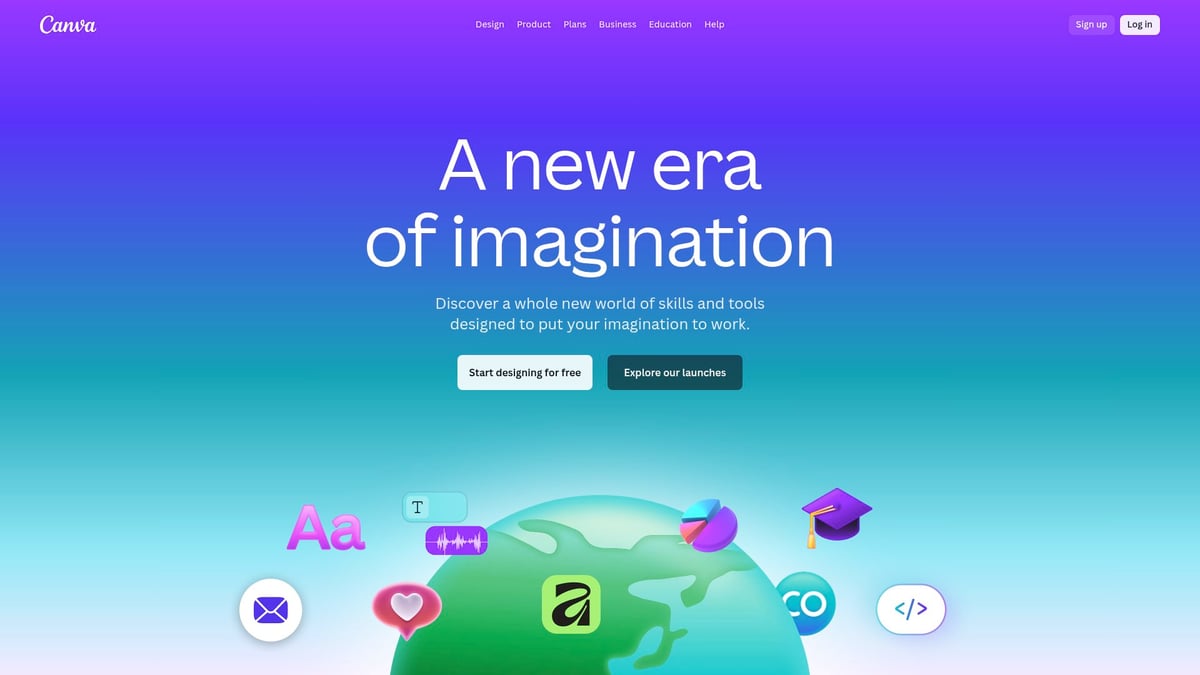
Canva's recent integration of generative AI and the launch of Dream Lab have further democratized creativity. Perkins led major acquisitions in 2024 and 2025, expanding the platform's reach across industries. She champions a community-first approach, inviting feedback and fostering user empowerment.
Despite challenges during rapid scaling, Melanie's persistence ensured Canva remained innovative and relevant. Her ongoing focus on market expansion and user-centric development solidifies her place among the most influential saas founders of our time.
2. Alex Bouaziz – Deel
Alex Bouaziz is one of the youngest saas founders to lead a company to a $12 billion valuation in under six years. His journey began with an unconventional approach to payroll and compliance, targeting the growing demand for remote work solutions. Deel now enables businesses worldwide to hire and pay talent seamlessly.
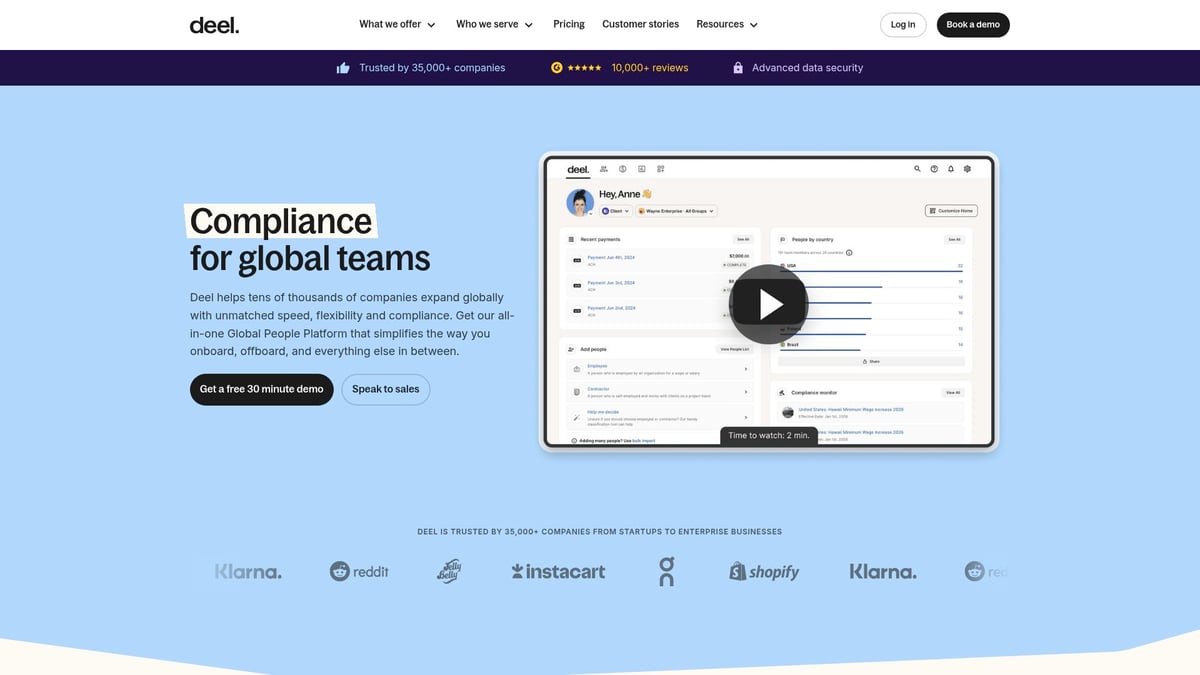
Bouaziz's leadership is characterized by retaining his original team and culture, even during periods of hypergrowth. By focusing on global compliance, he has positioned Deel as the go-to platform for international hiring. The company’s ARR and international footprint continue to climb, reflecting Bouaziz's relentless drive.
Deel’s rapid adaptation to labor market changes showcases his ability to anticipate trends. For aspiring saas founders, Bouaziz’s journey highlights the importance of vision, adaptability, and customer-focused innovation.
3. Vlad Magdalin – Webflow
Among modern saas founders, Vlad Magdalin stands out for pioneering no-code web development. His vision was to empower non-developers to build professional websites without writing code. Webflow has since evolved into a multi-million-dollar SaaS platform, serving businesses and creative professionals alike.
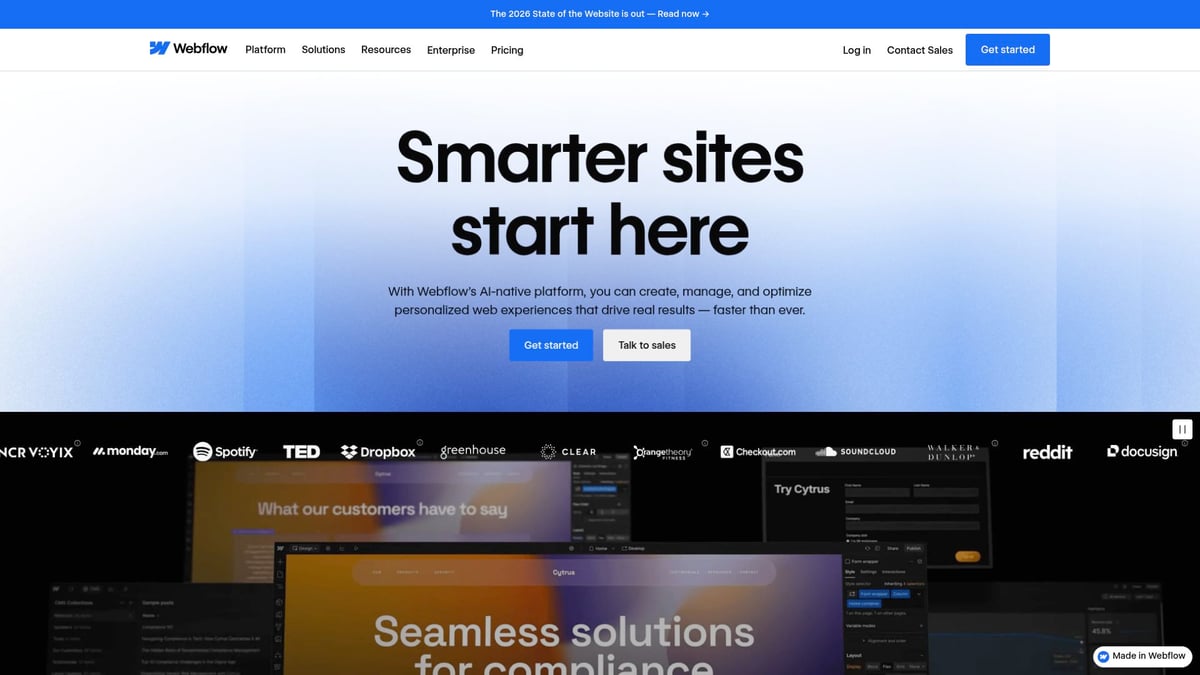
Magdalin’s leadership emphasizes inclusivity, innovation, and customer empowerment. The company’s expansion into enterprise solutions in 2025 demonstrates its adaptability and ambition. Webflow’s revenue and user growth reflect the platform’s relevance in a competitive market.
Despite facing established web platforms, Magdalin’s commitment to product excellence and community engagement has helped Webflow shape the broader SaaS and web development ecosystem. His journey is a blueprint for aspiring saas founders seeking to disrupt established industries.
4. Jonathan Cherki – Contentsquare
Jonathan Cherki is among the saas founders revolutionizing digital experience analytics. Starting as a student project, Contentsquare has grown into a global leader, analyzing billions of user interactions for enterprise clients. Cherki’s mission is to make UX analytics both accessible and actionable.
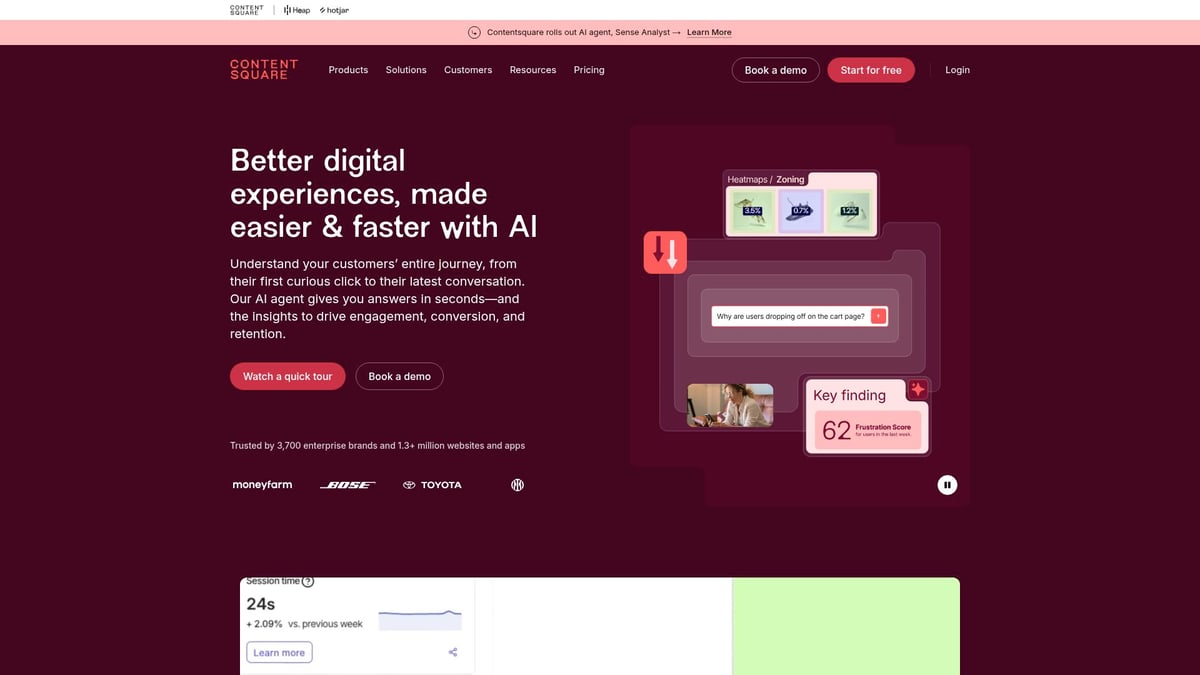
Contentsquare’s core features include real-time insights, AI-powered analytics, and democratized data for all teams. The company’s innovative use of AI agents flips traditional analytics models, delivering measurable ROI for brands. Cherki’s approach is hands-on and education-focused, helping clients understand the value of advanced analytics.
Educating the market and driving adoption remain challenges, but Cherki’s persistence and vision ensure Contentsquare continues to stand out among leading saas founders in 2025.
5. Sheilah MacSporran – DesignFiles
Sheilah MacSporran exemplifies the resilience and adaptability seen in top saas founders. After a near-failure with Olioboard, she pivoted to create DesignFiles, focusing on workflow optimization for interior designers. Her unique insight into professional pain points fueled this successful transition.
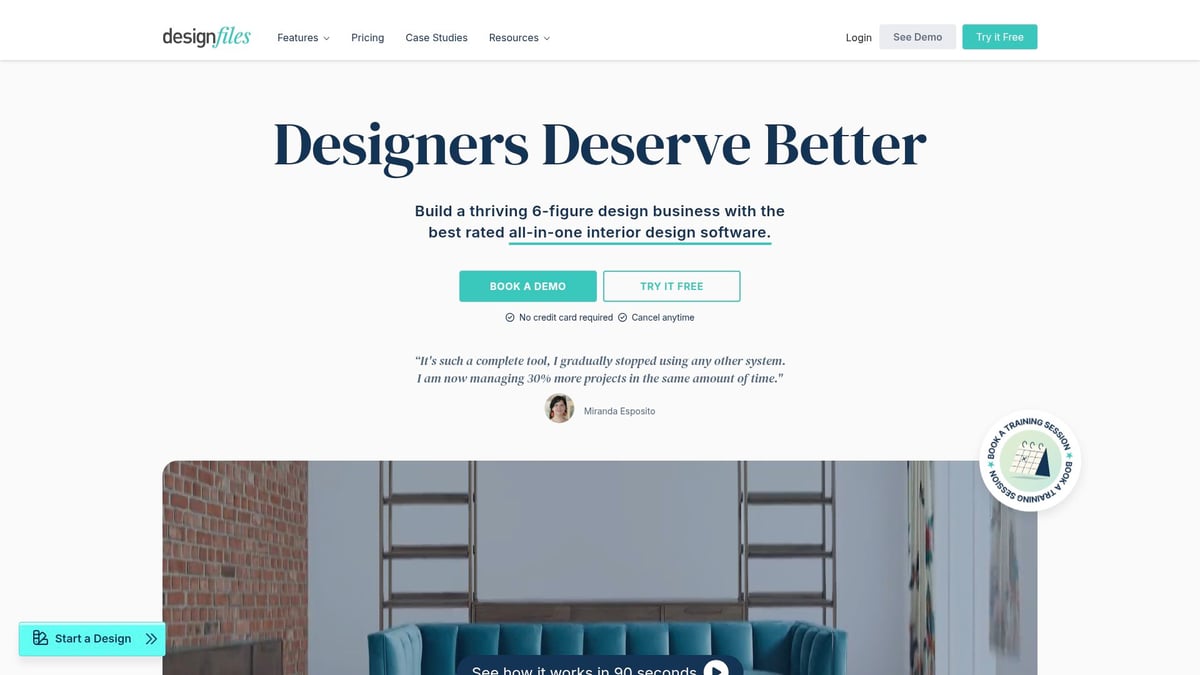
DesignFiles offers project management, client collaboration, and feedback tools tailored for design professionals. MacSporran’s persistence and customer-centric iteration are at the heart of her leadership. By rebuilding the platform based on user feedback, she achieved product-market fit and now serves thousands of designers globally.
Her journey underscores the importance of validation and learning from setbacks. For further insights, see Lessons from SaaS product validation, a resource that many aspiring saas founders can benefit from. MacSporran’s story is a testament to the power of listening and adapting.
6. Marc Benioff – Salesforce
Marc Benioff is a pioneer among saas founders, credited with popularizing cloud SaaS and promoting a values-driven business model. As the architect of Salesforce’s 1-1-1 philanthropic approach, Benioff blends business success with social responsibility.
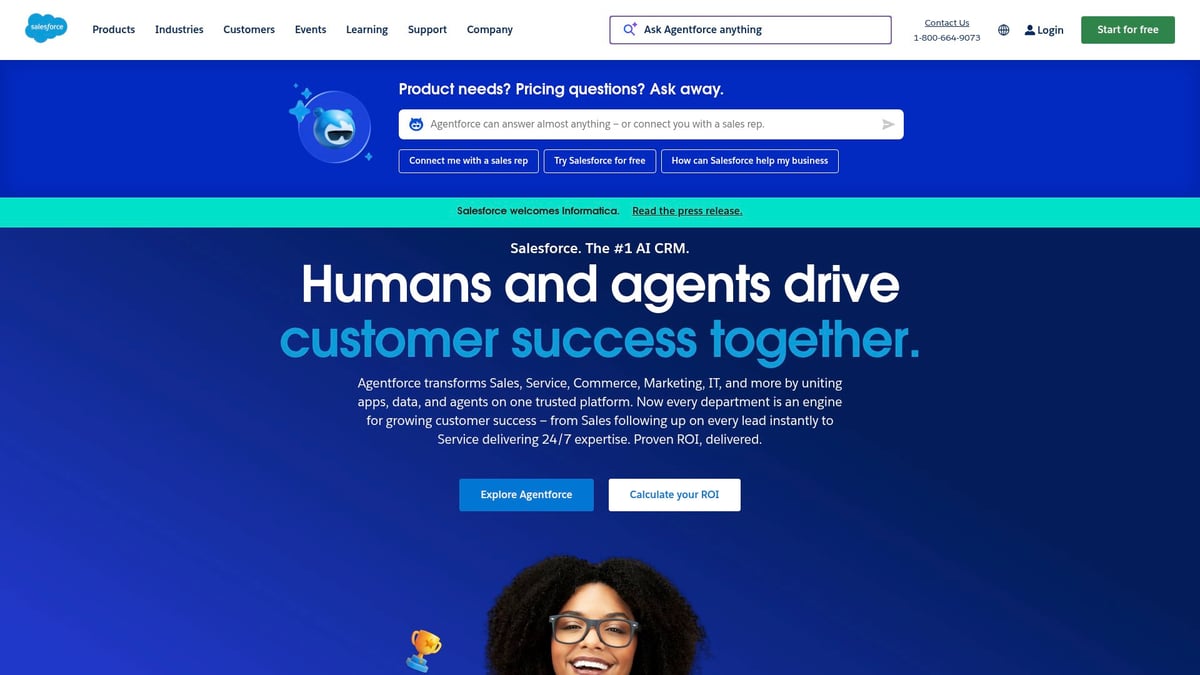
Under his leadership, Salesforce has achieved a remarkable market cap, global influence, and ecosystem expansion. The platform’s core features—CRM, sales automation, and AI-driven analytics—continue to evolve rapidly. Benioff’s commitment to experimentation and iteration has kept Salesforce at the forefront of innovation.
His focus on sustainability and ongoing investment in AI ensures Salesforce remains relevant. Benioff’s enduring legacy inspires current and future saas founders to pursue growth with purpose.
7. Jake Cronin – Siro
Jake Cronin’s unconventional journey from door-to-door sales to SaaS innovation sets him apart among saas founders. Siro’s mission is to provide real-time AI coaching for field sales reps, transforming how teams operate on the ground.
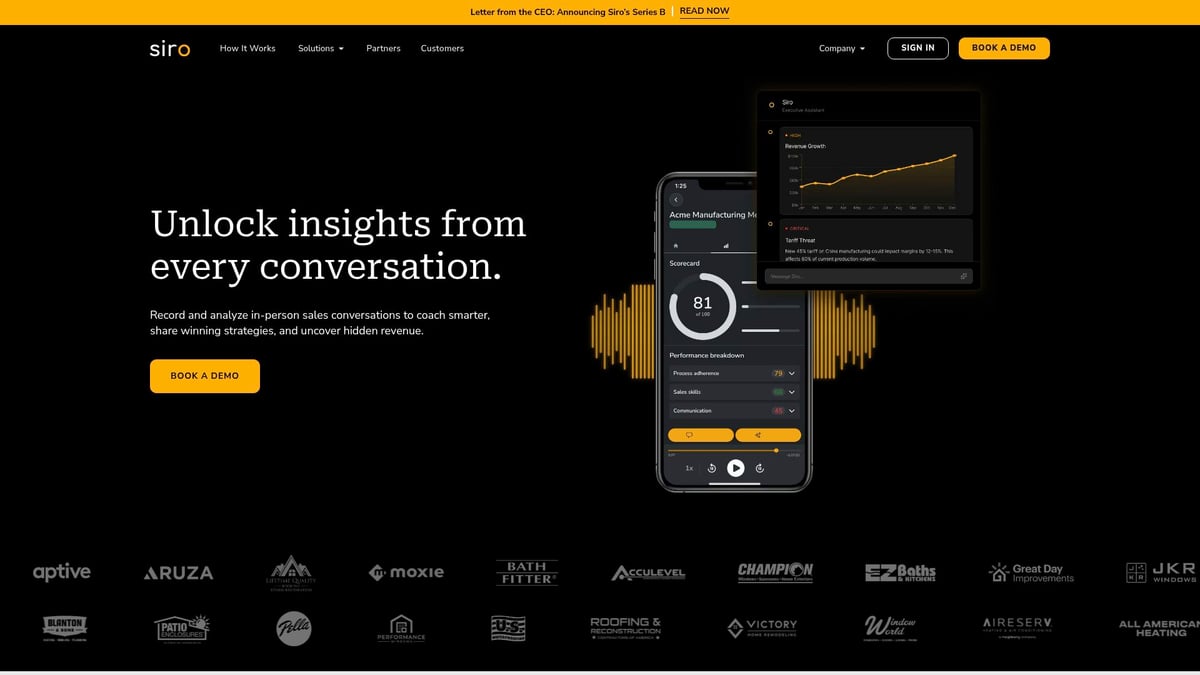
The platform’s core features include AI-driven feedback, performance analytics, and a mobile-first design. Siro’s adoption by major sales organizations demonstrates its impact on productivity and efficiency. Cronin’s focus is on improving the daily lives of sales professionals, not just delivering software.
Differentiating in a crowded sales tech market remains a challenge. However, Cronin’s vision for the future of sales enablement keeps Siro at the cutting edge, making him a standout among innovative saas founders.
8. Nico Ferreyra – Default
Nico Ferreyra is one of the rising saas founders addressing chaos in B2B sales funnels through AI and automation. His background in high-growth sales teams inspired Default, a platform designed to unify data, automate leads, and optimize workflows.

Default’s unique value lies in eliminating lead leakage and maximizing ROI for fast-scaling startups. The platform’s adoption by ambitious companies highlights Ferreyra’s ability to solve real pain points. Success stories from Default’s clients reinforce the platform’s effectiveness.
Convincing traditional sales teams to embrace new technology is an ongoing challenge. Still, Ferreyra’s vision and innovative approach position him among the most promising saas founders shaping the landscape in 2025.
9. Ivan Zhao – Notion
Ivan Zhao is a standout figure among saas founders for his systems thinking and obsession with user experience. Despite early setbacks, Zhao rebuilt Notion from scratch, transforming it into an all-in-one workspace for millions.
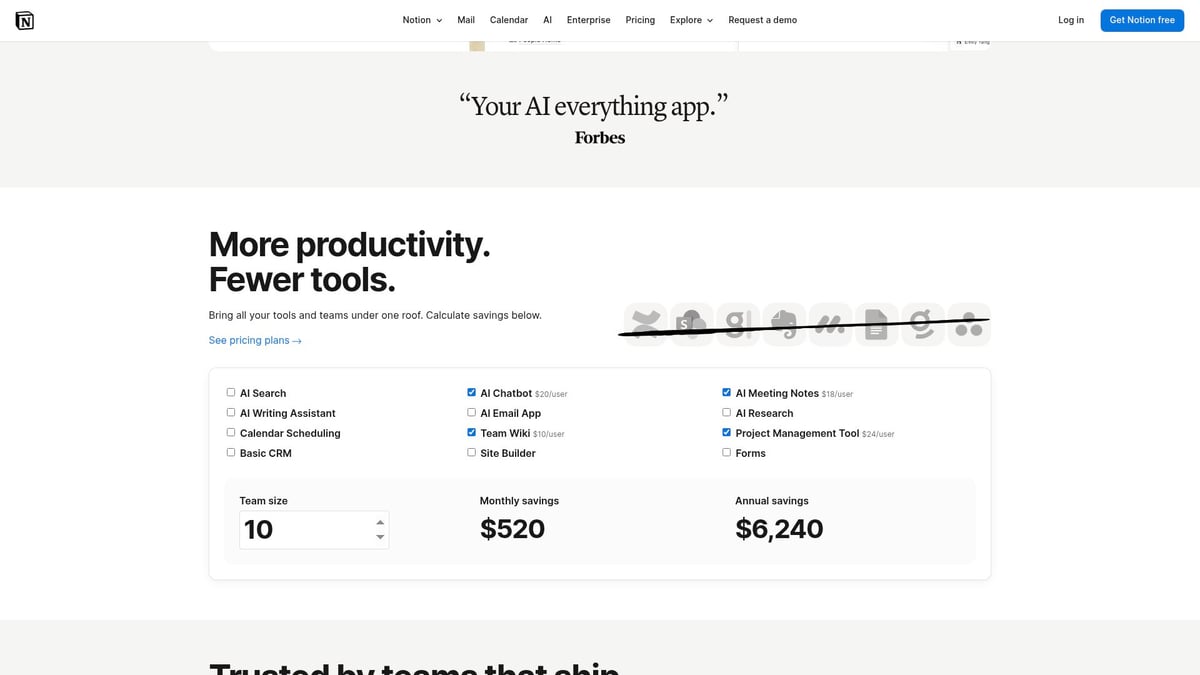
Notion’s modular design and community-driven growth are key differentiators. Zhao’s unique process involves tagging and following up on every user request, fostering an active feedback loop. The platform’s rapid feature rollouts and expanding user base demonstrate this approach’s effectiveness.
Competing in the crowded productivity app market is challenging, but Zhao’s leadership philosophy—centered on continuous learning—ensures Notion remains a favorite among innovative saas founders.
10. Rory Blundell – Gravitee
Rory Blundell’s journey from open-source contributor to SaaS leader distinguishes him among modern saas founders. Gravitee simplifies API management, addressing the complexity of modern software architecture.
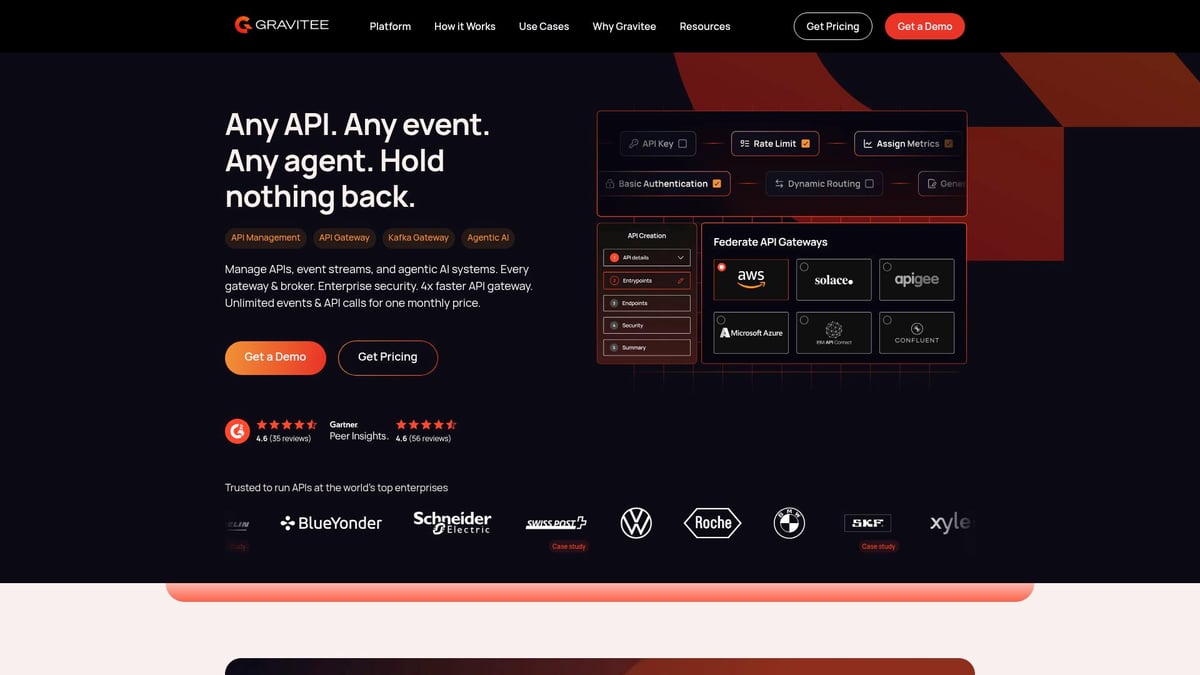
The platform offers robust API security, observability, and event infrastructure, making it essential for enterprises. Gravitee’s recent $125 million in funding and $22 million ARR reflect its growing influence. Blundell’s focus on addressing security and control in dynamic environments sets Gravitee apart.
Keeping pace with evolving API standards remains a challenge, but Blundell’s approach to scaling and constant innovation ensures Gravitee’s relevance. He is a key figure for aspiring saas founders to watch.
11. Bret Goldstein – Micro
Bret Goldstein merges AI research with human-centered design, earning his place among forward-thinking saas founders. Micro transforms email into an action-based productivity hub, integrating AI-powered inboxes and smart business apps.
Micro’s adoption by sales, hiring, and fundraising teams highlights its versatility. The platform’s unique approach positions email as a launchpad for core business processes, streamlining workflows for modern teams.
Changing user habits around email is a significant hurdle. Still, Goldstein’s motivation and leadership style keep Micro at the forefront of workflow automation. He is a source of inspiration for next-generation saas founders.
12. Tobias Lütke – Shopify
Tobias Lütke’s journey from personal frustration to global e-commerce leader is legendary among saas founders. Shopify empowers entrepreneurs to create, manage, and scale online businesses with ease.
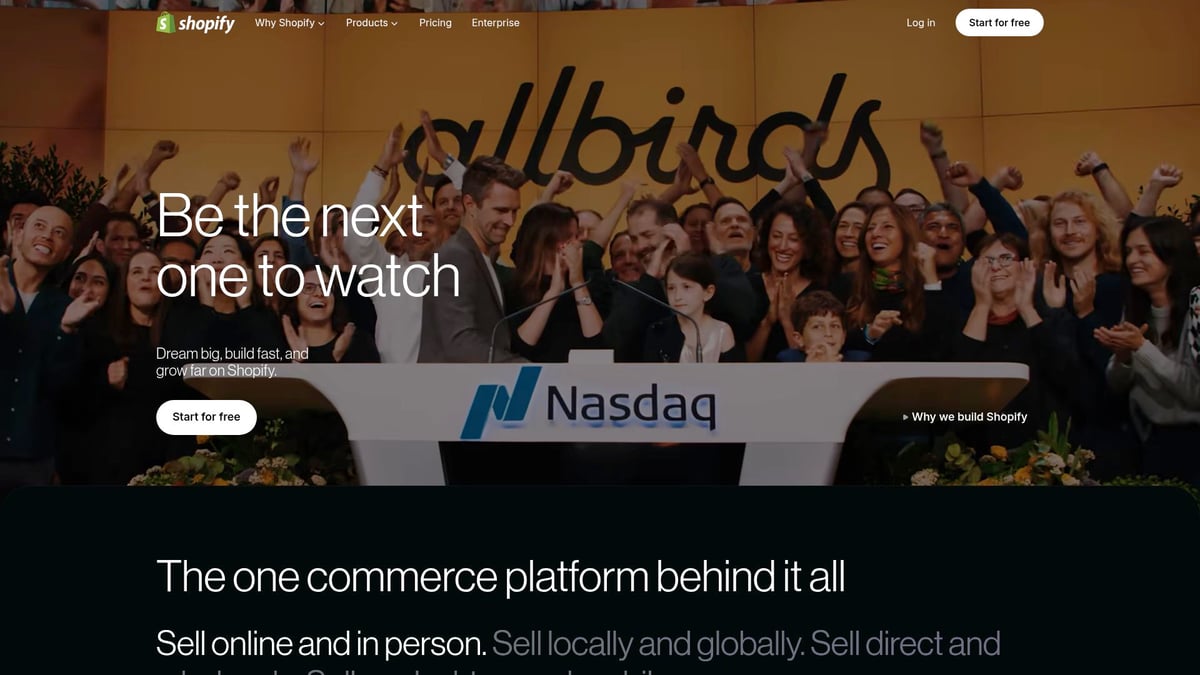
The platform’s features—store builder, payments, marketing, analytics—support millions worldwide. Lütke’s philosophy emphasizes incremental improvement and a founder-driven culture, fostering innovation and adaptability.
Shopify’s support for small businesses during economic shifts demonstrates its commitment to user success. Remaining relevant in a changing landscape is challenging, but Lütke’s focus on craft and sharing continues to inspire current and future saas founders.
How These Founders Are Changing the SaaS Game
The new generation of saas founders is not only shaping technology but also redefining the essence of leadership in the software industry. Their approaches, philosophies, and products are setting benchmarks for what it means to build impactful SaaS businesses in 2025.
Common Traits of 2025’s Most Inspiring SaaS Leaders
What sets these saas founders apart in 2025? Across the board, they embody a relentless focus on the customer, adapting quickly to feedback and shifting market demands. They foster inclusive, mission-driven cultures where every team member feels ownership and purpose.
Key traits include:
- Deep customer obsession, prioritizing real user needs.
- The agility to pivot products or strategies when necessary.
- Commitment to building diverse and empowered teams.
- Dedication to sustainable, long-term growth.
- Continuous investment in product innovation.
By consistently demonstrating these qualities, today’s saas founders raise the bar for leadership and execution.
Lessons for Aspiring SaaS Founders
For emerging saas founders, the journeys of these leaders offer valuable guidance. Validating ideas before scaling is crucial—many successful founders emphasize the importance of testing assumptions early and often. Leveraging community feedback and fostering engagement help refine products and messaging.
A strong culture and focus on leadership development create resilient organizations ready for change. For those seeking actionable advice, SaaS founder validation strategies provide proven frameworks to vet ideas and avoid costly missteps.
Learning from the successes and setbacks of established saas founders can help newcomers navigate challenges with greater confidence.
The Future Impact of These SaaS Founders
Looking ahead, these saas founders are shaping the future of technology, business, and society. Their commitment to product innovation and exceptional customer experiences sets new industry standards. They inspire the next generation of entrepreneurs to pursue bold ideas and ethical leadership.
The ripple effects of their influence are seen in global SaaS ecosystems, encouraging diversity, inclusion, and responsible growth. As these trailblazers continue to lead, the world of SaaS will become more dynamic, accessible, and impactful for all.