The SaaS landscape is racing ahead in 2026, with thousands of platforms competing for just seconds of user attention. In this environment, a standout saas product website can make the difference between rapid growth and getting lost in the crowd.
Leading SaaS brands are rewriting the rules of conversion optimization, blending fresh design trends with data-driven user experiences. This article offers practical inspiration for founders, marketers, and designers aiming to build sites that turn visitors into loyal users.
We will break down 9 outstanding SaaS product website examples, revealing the features and strategies that help them win conversions. Expect impressive growth stats, real-world website breakdowns, and actionable ideas you can apply right away.
Why SaaS Product Website Design Matters for Conversion
A compelling saas product website is no longer optional in 2026—it is the gateway to conversion success. With users judging a site’s trustworthiness and value in just seconds, even the most innovative SaaS solution can be overlooked if its website fails to deliver instant clarity and credibility.
The Impact of First Impressions
First impressions are everything for a saas product website. According to recent studies, 94% of users form an opinion about a business based on its website design. The above-the-fold area alone draws 84% more attention than content further down the page, making it critical for your value proposition to be clear and immediate.
Take Uber as a real-world example. Their homepage headline, paired with impressive stats, instantly conveys credibility. Users can quickly identify whether they are a rider or driver, thanks to segmented messaging and visual cues. This approach reduces friction and bounce rates.
Visual hierarchy and strategic use of whitespace guide visitors’ eyes to the most important elements—like CTAs or product demos. In a multi-device world, mobile responsiveness is non-negotiable for any modern saas product website. Sites must load quickly and display perfectly on smartphones, tablets, and desktops.
Accessibility is another core factor for 2026. Inclusive design broadens your audience and ensures everyone can engage with your product. For more on creating a high-impact homepage, see these SaaS homepage best practices.
Key Conversion Elements on SaaS Websites
What separates a high-converting saas product website from the competition? It starts with a clear, targeted value proposition that speaks directly to the user’s pain points. Effective websites use compelling CTAs—button color, placement, and microcopy all play a role in encouraging action.
Social proof, such as testimonials, client logos, and detailed case studies, helps build trust. Interactive product demos and explainer videos allow users to experience the product’s benefits first-hand, increasing engagement. Offering a free trial or live demo can further lower barriers to conversion.
Navigation must be seamless and intuitive, guiding users through the sign-up or purchase process without confusion. Ongoing A/B testing and analytics are essential for optimizing every element of the saas product website. For example, Appcues places its CTA and product screenshot above the fold, combining focused copy with visual proof to drive results.
A well-optimized saas product website is a living asset—always evolving to meet user expectations and deliver measurable conversion growth.
9 Inspiring SaaS Product Website Examples to Boost Conversions 2026
The SaaS landscape is more dynamic than ever, and the design of your saas product website can make or break your conversion rates. With new products launching daily across a wide range of industries, standing out means learning from the best. The following nine saas product website examples demonstrate how top brands use conversion-focused design, innovative user experience, and crystal-clear messaging to turn visitors into loyal customers.
Our selection spans productivity tools, creative platforms, security solutions, and more. Each site was chosen for its measurable results, clarity, and actionable strategies you can apply. Want more ideas? Check out Best landing pages for SaaS for an extended gallery of high-performing examples.
Notion
Notion’s saas product website stands out as a masterclass in modular design and onboarding simplicity. Pricing starts with a generous free plan, then scales to Plus at $8 per user per month, with Business and Enterprise tiers for larger organizations.
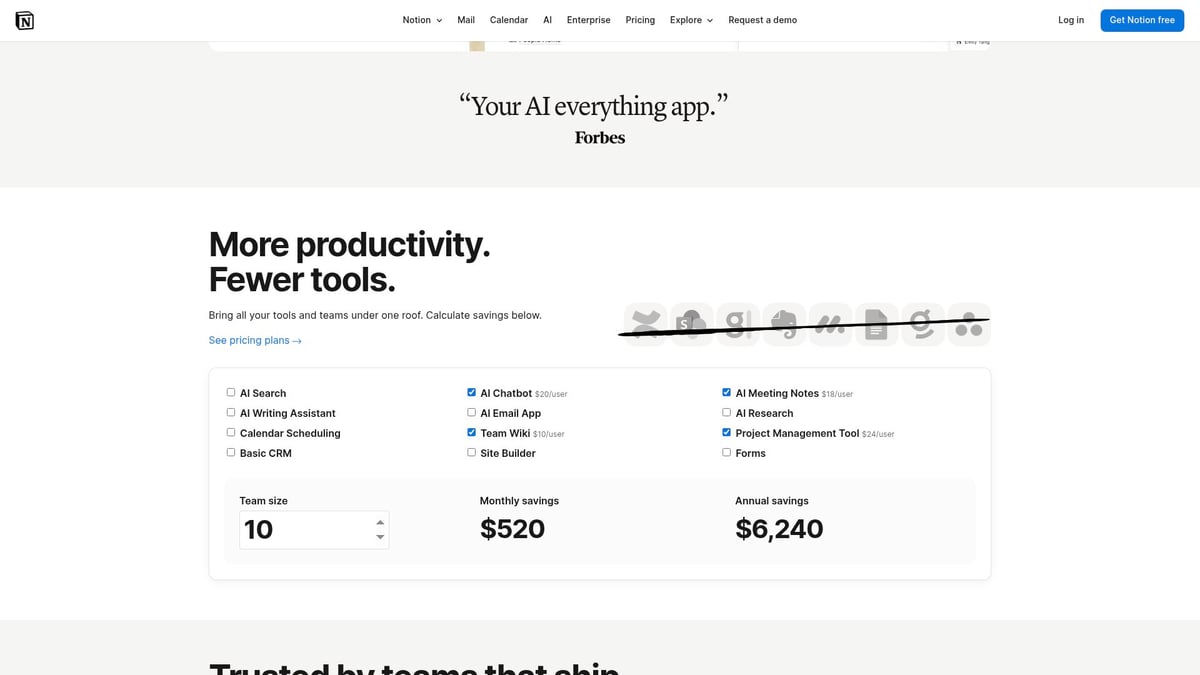
| Plan | Price |
|---|---|
| Free | $0 |
| Plus | $8/user/month |
| Business | Custom |
| Enterprise | Custom |
Core features include an all-in-one workspace for notes, docs, wikis, and project management. Notion’s customizable templates and collaborative editing make it a flexible choice for teams and individuals.
Pros:
- Clean, modular interface
- Instant onboarding
- Robust resources section
- Clear CTAs
Cons:
- Complexity for new users
- Some advanced features require a learning curve
Conversion insight: The homepage grabs attention with an above-the-fold demo and an engaging explainer video. Notion’s “Get Started Free” CTA is prominent, making it easy for users to begin exploring the saas product website immediately.
Webflow
Webflow’s saas product website is a visual feast tailored for designers and agencies who want power without code. The free starter plan allows experimentation, while paid site plans begin at $14 per month. ECommerce and enterprise options are available.
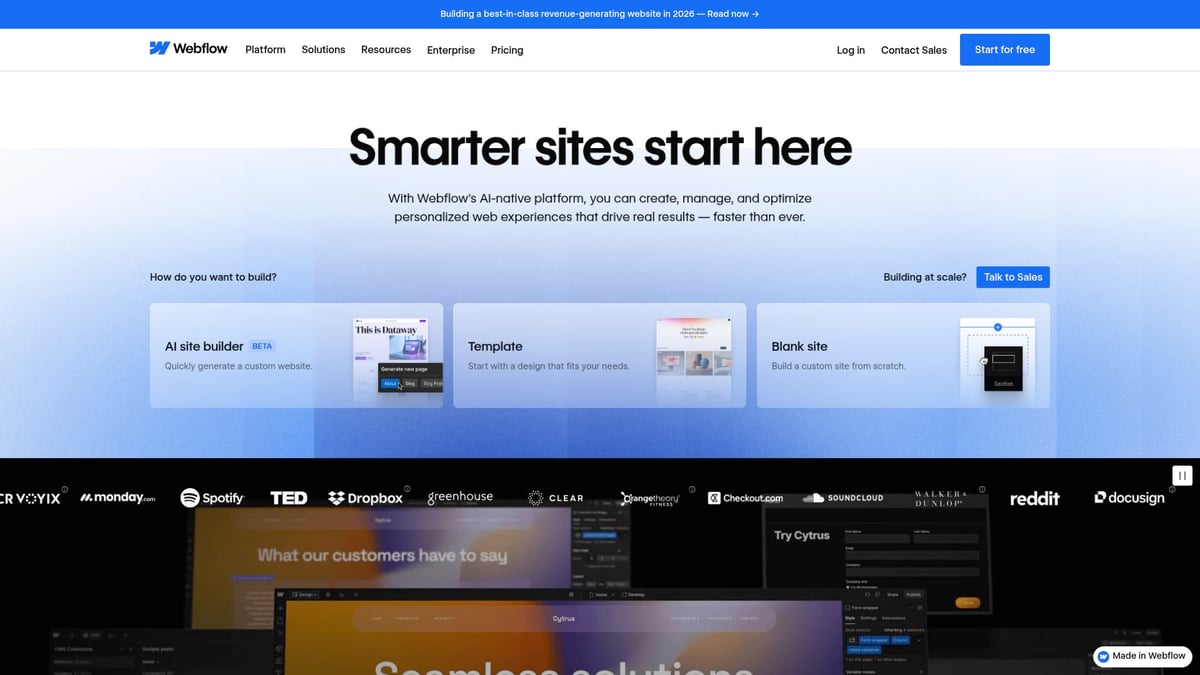
Webflow’s core features include a visual website builder, CMS, eCommerce, hosting, and advanced animations. The platform’s unique selling points are no-code design and live collaboration, bridging the gap between designers and developers.
Pros:
- Striking hero section
- Interactive product tours
- Customer showcase gallery
Cons:
- Steeper learning curve for non-designers
- Pricing increases for advanced features
Conversion insight: The site uses strong social proof, displaying client logos and success stories across the homepage. Webflow’s “Get Started” CTA is clear, while the resource-rich blog nurtures visitors deeper into the funnel.
Appcues
Appcues’ saas product website is designed for growth teams and product managers seeking to boost user engagement. Pricing is tiered: Essentials, Growth, and Enterprise, with custom quotes for large teams.
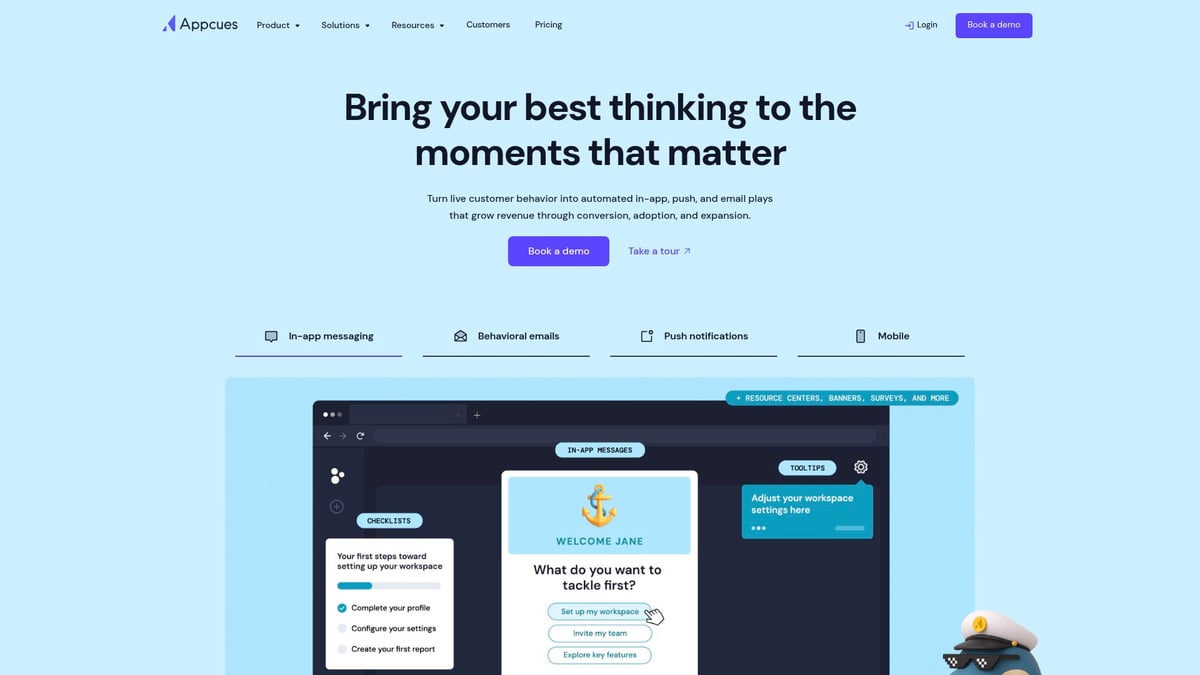
Key features include user onboarding flows, product tours, in-app messaging, and analytics. Appcues sets itself apart with no-code onboarding, segmentation, A/B testing, and seamless integrations.
Pros:
- Clear value proposition above the fold
- Dual CTA (“Start building for free” and “Get a demo”)
- Visual product previews
Cons:
- Advanced features require higher-tier plans
- May be overkill for small apps
Conversion insight: Focused copy and a minimalistic design combine with trust-building testimonials to make the saas product website highly persuasive.
Memberstack
Memberstack’s saas product website is built for web creators who want to add membership functionality without code. The free plan lets users get started, while paid plans begin at $29 per month.
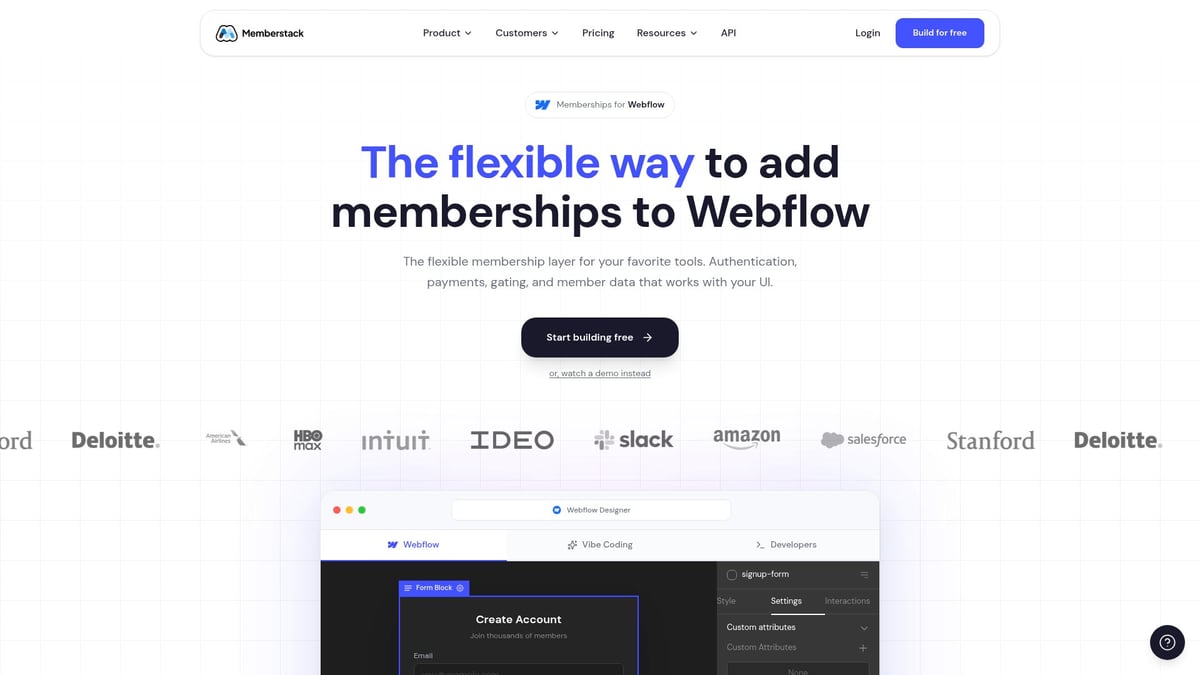
Core features include user authentication, memberships, gated content, and Stripe payments. The platform integrates seamlessly with Webflow and other builders, making it ideal for SaaS founders and content platforms.
Pros:
- Whitespace-focused layout
- “Get Started for Free” CTA
- Intuitive navigation bar
Cons:
- Limited to certain site builders
- Feature set best for membership-based models
Conversion insight: Memberstack excels with a seamless user flow, clear pricing, and frictionless onboarding, all anchored by a conversion-driven saas product website.
Slack
Slack’s saas product website leverages vibrant branding and storytelling to attract teams of all sizes. Pricing includes a free plan, Pro at $7.25 per user per month, Business+, and Enterprise Grid.
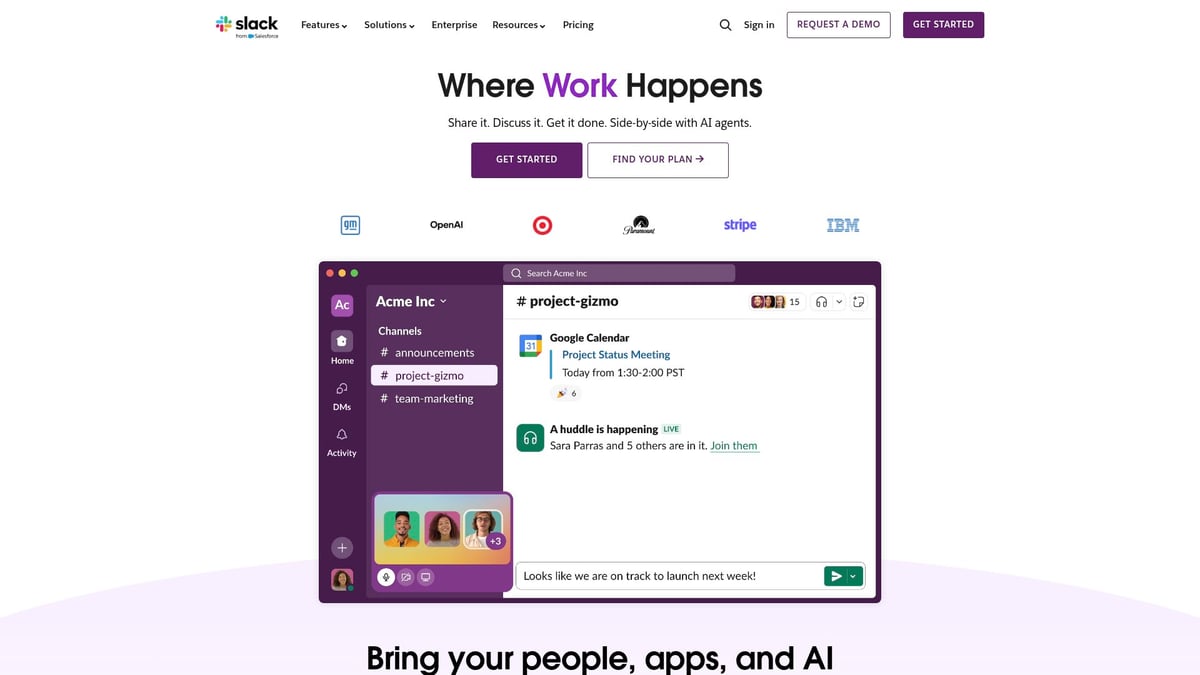
Slack offers team messaging, channels, file sharing, integrations, and powerful search. Its unique selling points include “before and after” narratives and extensive integration options.
Pros:
- Engaging homepage narrative
- Prominent CTA
- Comprehensive resources
Cons:
- Can overwhelm small teams
- Notification overload risk
Conversion insight: Slack’s site uses clear problem/solution framing, animated product demos, and an easy sign-up flow, driving conversions on their saas product website.
Kisi
Kisi’s saas product website targets businesses needing secure access control. Pricing is custom, depending on selected features and hardware.
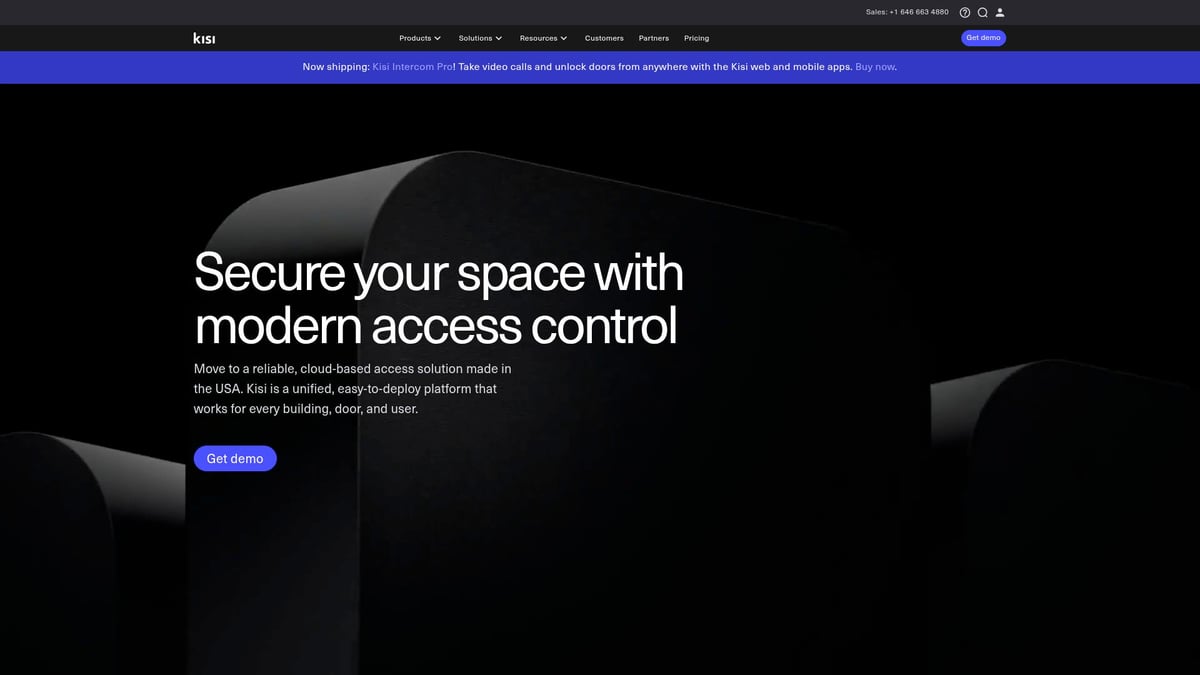
Core features include cloud-based access control, mobile keys, integrations, and analytics. Kisi stands out for its security focus and real-time monitoring capabilities.
Pros:
- Strong product visuals
- Customer success stories
- Trust badges
- Clear CTA
Cons:
- Requires hardware
- Pricing is not fully transparent
Conversion insight: The site builds trust with customer logos and badges, while focused value messaging and product screenshots guide users through the saas product website.
SoundCloud
SoundCloud’s saas product website is a hub for musicians, podcasters, and fans. Pricing starts with a free tier, followed by Pro Unlimited at $12 per month and Repost by SoundCloud.
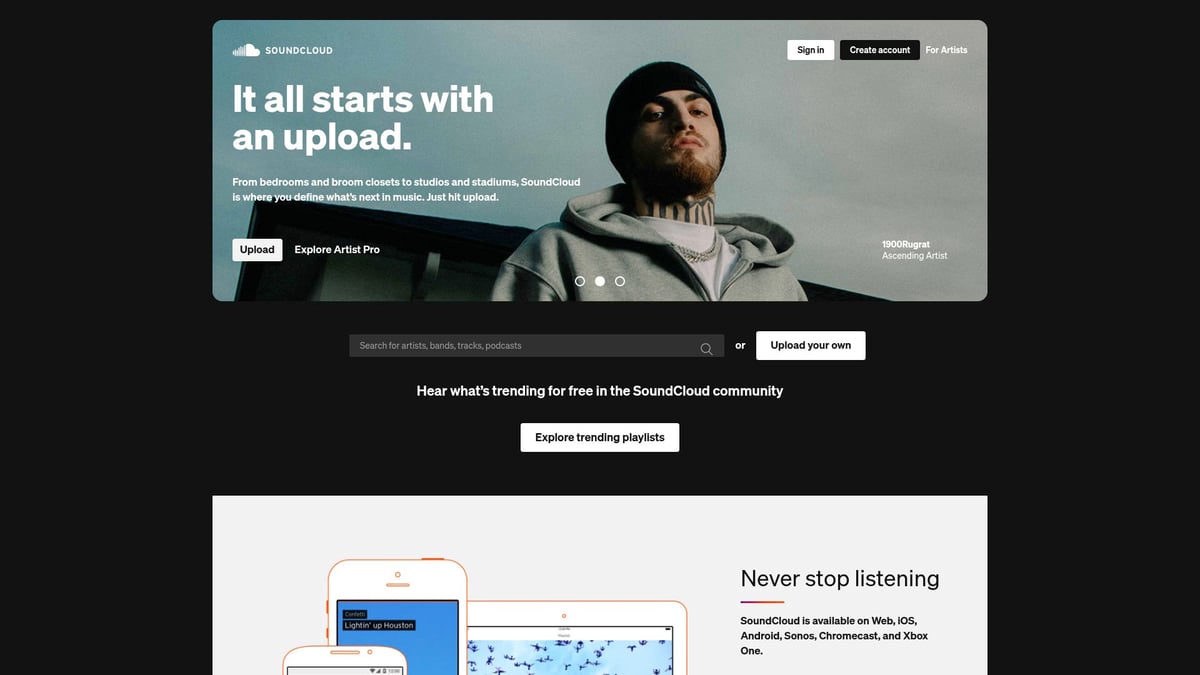
Features include music hosting, streaming, sharing, analytics, and monetization. The platform’s strength is its community-driven ethos and artist tools.
Pros:
- Aspirational value proposition
- Creative visuals
- Clear sign-up flow
Cons:
- Feature set may overwhelm casual users
- Free tier is ad-supported
Conversion insight: SoundCloud’s saas product website focuses on user potential (“Find your fans”), delivering easy onboarding and compelling community testimonials.
Uber
Uber’s saas product website is not a typical SaaS, but its conversion-focused design is world-class. The app is free to download, with pay-per-use services for rides and delivery.
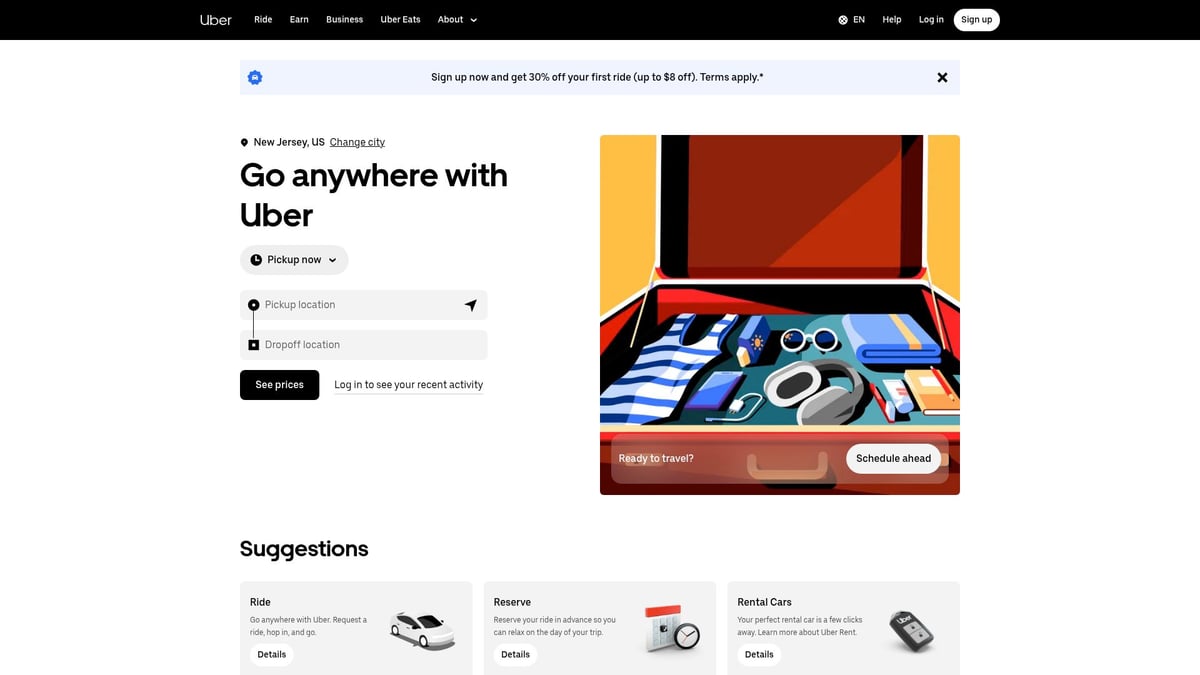
Core features include ride-hailing, delivery, driver management, and in-app payments. Uber’s dual messaging targets both drivers and riders, backed by real-time tracking and a global brand.
Pros:
- Headline-driven value proposition
- Data-backed credibility
- Segmented CTAs
Cons:
- Hardware not required, but app-based
- Not a traditional SaaS
Conversion insight: Uber’s homepage uses a “Get in the driver’s seat and get paid” headline with stats to build trust, guiding users on tailored journeys through the saas product website.
Monday.com
Monday.com’s saas product website is designed for teams and project managers seeking a visual, scalable work platform. Pricing starts with a free trial, then Basic at $8 per seat per month, with Standard, Pro, and Enterprise tiers.
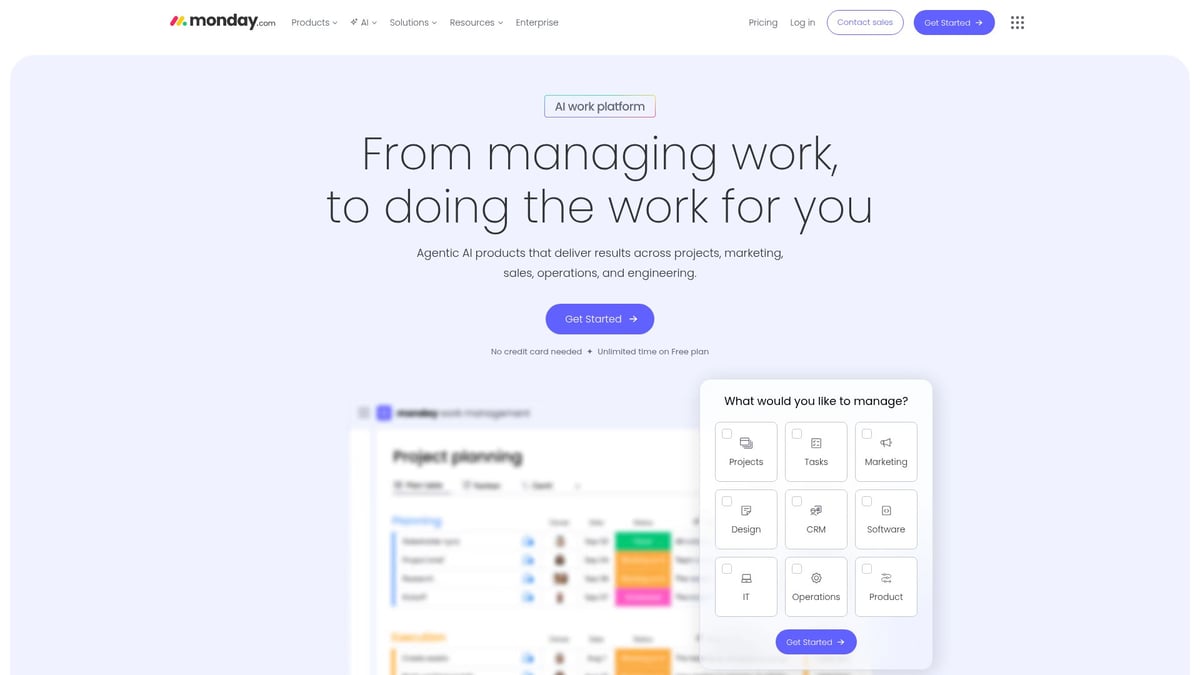
Features include a Work OS, project management, automations, dashboards, and integrations. Monday.com’s unique selling points are customizable workflows and visual boards.
Pros:
- Engaging product video
- Interactive demo
- Dual CTAs (“Get Started” and “See Plans”)
Cons:
- Can get expensive as team grows
- Feature-rich interface may overwhelm new users
Conversion insight: The site uses an above-the-fold explainer, customer logos, and a clear pricing structure to convert visitors on their saas product website.
How to Apply These SaaS Website Strategies to Your Own Product
Building a high-converting saas product website requires more than eye-catching design. It is about understanding the user, communicating value instantly, and removing friction at every step. Let us break down how you can translate the best strategies from leading SaaS brands into actionable improvements for your own site.
Defining and Showcasing Your Value Proposition
Your saas product website must communicate its value instantly. Start by crafting a headline that addresses a specific pain point or aspiration, like Uber’s data-backed promise or SoundCloud’s creative empowerment. Use customer research to gather real user language and identify what resonates. Benchmark competitors to spot messaging gaps and opportunities for differentiation.
Consider using storytelling techniques, such as Slack’s “before and after” transformation narrative, to make your value proposition memorable. For more detailed tactics on landing page messaging, explore these landing page strategies for SaaS to further refine your approach.
A strong value proposition sets the tone for the entire user journey on your saas product website.
User Flow, Navigation, and Conversion Paths
Every saas product website should offer a seamless, intuitive path from landing to sign-up or demo. Start by mapping out the ideal user journey, identifying points of friction, and minimizing unnecessary steps or form fields. Use whitespace, color cues, and directional arrows to guide users visually, ensuring they never feel lost or overwhelmed.
Test your navigation structure for clarity, speed, and accessibility. Consider how Memberstack places a focused navigation bar and a clear above-the-fold CTA to keep users on track. Simple, logical flows make it easier for visitors to become engaged users.
Optimizing these elements transforms a saas product website from a digital brochure into a true conversion engine.
Social Proof and Trust Signals
Trust is the backbone of a successful saas product website. Place client logos, testimonials, and case studies in highly visible areas to build credibility. Use trust badges, security highlights, integration partners, and awards to reassure hesitant visitors.
Customer success stories, like those featured on Kisi, make your offering relatable and authentic. Data-driven evidence, such as usage stats or industry endorsements, further strengthens your case. Strategically placed social proof can tip the scales in favor of conversion.
By embedding these signals throughout your saas product website, you create a sense of safety and authority that encourages action.
Experimentation and Continuous Improvement
A high-performing saas product website is never truly finished. Set up A/B tests for headlines, CTAs, and sign-up flows to understand what resonates with your audience. Use analytics to identify drop-off points and prioritize improvements.
Stay current with design trends for SaaS in 2026, and iterate on your onboarding and demo experiences as Appcues and Monday.com do. Regular updates based on user feedback ensure your website evolves alongside your product and market.
Continuous experimentation keeps your saas product website competitive and maximizes every opportunity for conversion.
Essential SaaS Website Best Practices for 2026
Staying ahead in the competitive SaaS space requires more than just a functional site. To turn a saas product website into a true conversion engine in 2026, founders and designers must embrace a blend of personalization, modern visuals, mobile optimization, persuasive copy, and continuous improvement. Let us explore the essential strategies shaping high-performing SaaS sites this year.
Personalization and Segmentation
A top-performing saas product website tailors experiences for every visitor. Dynamic content adapts to user roles, industries, or company size, helping users see value instantly.
- Segment CTAs for enterprise versus SMB
- Personalize onboarding flows with user-specific data
- Use AI-driven recommendations for features or resources
Uber’s dual messaging for drivers and riders is a strong example. When users feel understood, conversion rates rise and engagement deepens.
Visual Storytelling and Multimedia
Modern SaaS brands rely on visual storytelling to communicate value quickly. Multimedia elements such as explainer videos, product screenshots, and animated transitions help users grasp benefits within seconds.
- Use before and after visuals to show transformation
- Integrate short product walkthroughs above the fold
- Choose creative visuals that enhance, not distract
Slack and Monday.com both use rich multimedia on their saas product website homepages to clarify offerings and inspire action.
Mobile-First and Accessibility
A saas product website must deliver seamless mobile experiences in 2026. Responsive layouts, large touch targets, and fast loading times are non-negotiable. Accessibility is equally essential, ensuring everyone can use your product.
- Ensure color contrast and keyboard navigation
- Add alt text to all images and icons
- Test user flows across devices
For deeper guidance, review the Inclusive Web Accessibility Framework, which outlines customizable approaches to boost user autonomy and reach.
Conversion-Driven Content and Copywriting
Every word on a saas product website should move users closer to action. Use concise, benefit-focused headlines, direct CTAs, and copy that addresses real pain points.
- Place urgent CTAs above the fold (“Start Free,” “See Plans”)
- Bullet-point key benefits for quick scanning
- Match language to your target audience
For more on this, see the SaaS Website UX Best Practices 2025 guide, which details proven strategies to improve user engagement and conversions.
Ongoing Optimization and Growth
A high-converting saas product website is never finished. Regular updates, A/B testing, and analytics-driven changes keep your site aligned with user needs.
- Test new layouts and messaging monthly
- Update resources and testimonials frequently
- Benchmark against top SaaS competitors
Continuous improvement ensures your site evolves as quickly as your product and audience expectations.
Resources and Tools for Building High-Converting SaaS Websites
Building a successful saas product website requires more than just creativity. Access to the right resources and tools can make the difference between an average site and one that consistently converts visitors into loyal users.
Looking for inspiration? Explore curated galleries such as SaaS Landing Page and Lapa Ninja, or dive into comprehensive case studies like the B2B SaaS Website Analysis 2025. These resources showcase real-world examples of high-performing saas product website designs and highlight what sets them apart.
Testing your site's messaging and features is essential. Use landing page validation strategies to ensure your ideas resonate with your audience. For step-by-step guidance, check out this detailed guide on How to use landing page validation.
When optimizing a saas product website, leverage top A/B testing and analytics platforms such as Google Optimize, Hotjar, and Mixpanel. These tools help you identify what works and where users drop off.
Wireframing and prototyping tools like Figma, Sketch, and Adobe XD streamline your design process. They enable teams to collaborate and iterate quickly before committing to development.
Stay ahead by following leading SaaS guides and blogs, including ProductLed, SaaS Validation, and Indie Hackers. Join active community forums and Slack groups for peer feedback and support.
For ongoing learning, tune into SaaS-focused podcasts and YouTube channels. These platforms cover the latest trends and actionable strategies for building a high-converting saas product website in 2026.
Finally, keep your skills sharp by regularly reviewing design inspiration, reading industry benchmarks, and experimenting with new UX approaches. The right combination of resources will empower you to create a standout saas product website that drives measurable growth.