Imagine you want to build saas in 2026, a time when competition is intense, AI tools are everywhere, and users expect seamless experiences from day one. The SaaS market is booming, set to reach over $1 trillion by 2032, with growth rates showing no sign of slowing.
Founders now face both massive opportunities and unique challenges. Rapid technology shifts, evolving customer demands, and strict budgets mean you must be strategic from the start.
This guide is your blueprint for success. You will learn expert strategies to validate your idea, research your market, plan your product, choose the right tech stack, and launch with confidence.
We will walk through SaaS fundamentals, validation, product planning, development best practices, go-to-market tactics, and the trends shaping the future. Ready to turn your SaaS vision into reality? Let’s dive in.
Understanding the SaaS Model in 2026
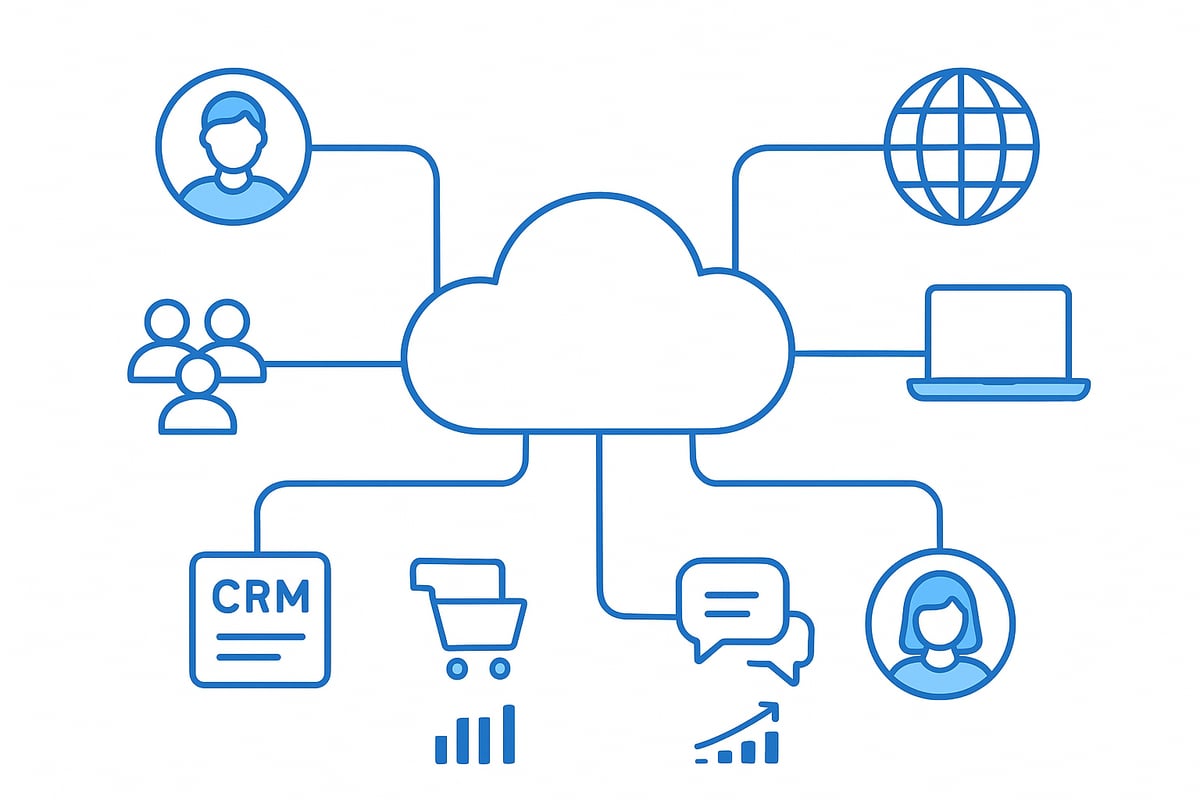
The SaaS model has revolutionized how businesses and consumers access software. To build saas solutions in 2026, it’s crucial to understand that SaaS stands for Software as a Service—software hosted in the cloud and delivered over the internet through a subscription. Users access applications via browsers, eliminating the need for on-premise installations and complex maintenance.
SaaS offers clear advantages over traditional software. Organizations benefit from cost savings, as there’s no need for upfront hardware investment or manual updates. Scalability and global reach are built in, allowing teams to expand quickly and serve users worldwide. According to SaaS Market Growth Projections, the SaaS market is expected to surpass $1 trillion by 2032, growing at an annual rate of 18–20 percent. This rapid expansion signals tremendous opportunities for those aiming to build saas products that meet emerging needs.
When evaluating SaaS architecture, two main models exist: multi-tenant and single-tenant. Choosing the right approach is essential for anyone looking to build saas platforms that balance cost, scalability, and security. Multi-tenant architecture allows multiple customers to share the same infrastructure and codebase, making it more cost-effective and easier to scale. Single-tenant architecture, on the other hand, dedicates separate resources to each customer, offering more customization and enhanced security.
| Architecture Type | Benefits | Drawbacks |
|---|---|---|
| Multi-tenant | Cost savings, scalability | Less customization |
| Single-tenant | Customization, security | Higher costs, complexity |
Core benefits of the SaaS model include predictable recurring revenue, low upfront costs for customers, rapid deployment, and centralized security controls. For those who build saas applications, these features translate into faster growth cycles and the ability to serve a broad range of industries.
SaaS products span diverse categories, each addressing unique business challenges. Common categories include:
- Customer Relationship Management (CRM): HubSpot, Salesforce
- Content Management Systems (CMS): WordPress.com
- Enterprise Resource Planning (ERP): Oracle NetSuite
- Project Management: Jira, Trello
- Vertical SaaS: Veeva (pharma)
- Ecommerce: Shopify
- Marketing Tools: SEMrush
- Remote Collaboration: Slack, Google Drive
Common use cases when you build saas products are customer support portals, workflow automation, inventory and order management, and B2B integrations. These applications help businesses streamline operations and adapt to rapidly changing demands.
Consider leading SaaS examples. Shopify enables entrepreneurs to reach customers globally, while HubSpot’s recurring revenue model exemplifies financial stability. Jira’s workflow automation tools are essential for teams managing complex projects. The widespread adoption of SaaS is fueled by digital transformation, remote work trends, and a growing need for flexible, scalable technology.
Ultimately, to build saas solutions that thrive in 2026, founders must understand how the model’s benefits align with ongoing shifts in business, technology, and customer expectations. SaaS is no longer just a delivery method—it’s a foundation for modern, resilient, and innovative software businesses.
Step 1: Validating Your SaaS Idea for 2026 Success
Launching a SaaS product is exciting, but skipping the validation phase can quickly derail your efforts. In today's competitive landscape, founders who build saas solutions without evidence of real demand risk joining the 35% of startups that fail due to lack of market need.
Understanding the Value of Validation
Before you build saas products, it's essential to confirm whether your idea solves a real problem for your target audience. Start with comprehensive market research. Use tools like Google Trends and industry reports to gauge demand. Analyze competitor offerings to spot gaps and opportunities.
Identify your audience by creating detailed buyer personas. Interview potential users, conduct surveys, and map their pain points. This groundwork ensures your build saas effort addresses genuine needs, not just assumptions.
Crafting a Problem-Solution Fit
Clearly define your value proposition and unique selling points. Ask yourself: What sets your build saas product apart from existing solutions? Evaluate competitors' strengths and weaknesses to find your differentiation. Consider their pricing, features, user experience, and customer feedback.
To visualize your analysis, create a simple comparison table:
| Feature | Your SaaS | Competitor A | Competitor B |
|---|---|---|---|
| Core Value | ✔ | ✔ | ✔ |
| Unique Feature | ✔ | ||
| Pricing Flexibility | ✔ | ✔ | |
| User Support | ✔ | ✔ |
This approach helps you clarify where your build saas project stands in the market.
Gathering Early Feedback and Measuring Demand
Before committing to full development, test interest using landing pages, waitlists, and MVPs. Early feedback is invaluable. Track metrics like signups, survey completions, and engagement rates. For a deeper dive, consider following this Step-by-step SaaS validation guide to structure your process and leverage proven frameworks.
Key validation methods include:
- Building a simple landing page to gauge signups
- Collecting waitlist registrations to measure demand
- Launching a basic MVP for hands-on user feedback
- Running surveys to capture pain points and willingness to pay
Monitor these metrics closely:
| Metric | Why It Matters |
|---|---|
| Landing Page Signups | Indicates initial interest |
| Waitlist Numbers | Shows potential early adopters |
| Survey Responses | Validates problem relevance |
| MVP Engagement | Confirms real-world demand |
Learning from Real-World Examples
Trello is a classic case of how to build saas validation into your process. The team released a simple, shareable board as their MVP, letting users experience the core value immediately. Early traction and feedback shaped the roadmap, reducing wasted effort and accelerating product-market fit.
Why SaaS Validation Matters for Founders
SaaS Validation offers step-by-step resources to help founders test and validate SaaS ideas before investing in development. Access guides on market research, landing page testing, and audience building to ensure your SaaS solves real problems. Leverage expert strategies and curated tools to minimize wasted effort and maximize your chances of SaaS success.
Validating before you build saas not only reduces risk but also increases the likelihood of lasting success. By focusing on real user needs and rigorous testing, you lay the strongest foundation for your SaaS journey.
Step 2: Planning and Designing Your SaaS Product
Strategic planning and thoughtful design are crucial when you build saas products that stand out in 2026. Before you write a single line of code, laying a solid foundation will set the stage for sustainable growth and rapid iteration.
Laying the Foundation: Product Concept & MVP
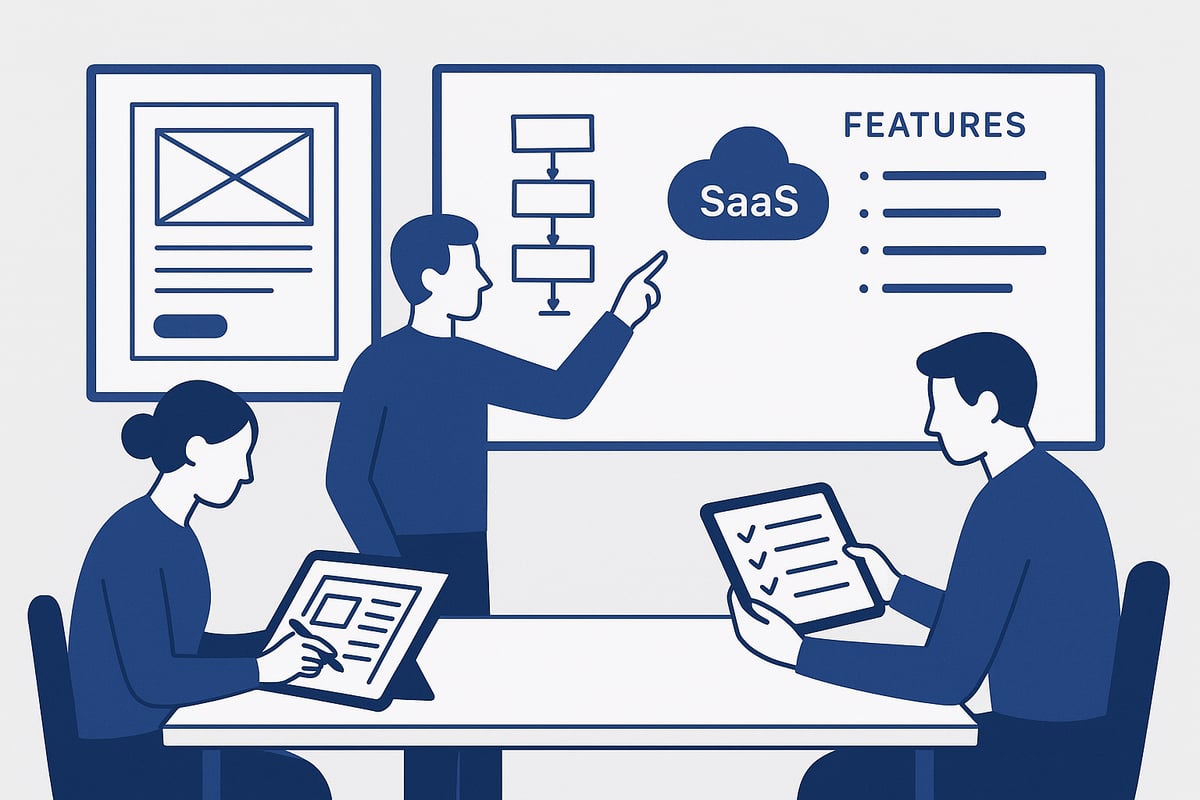
The journey to build saas solutions starts with a compelling product concept. Begin by defining the specific problem your software addresses, who your target users are, and why your solution is uniquely valuable. Articulate your value proposition clearly, as this will shape your messaging and future features.
For an in-depth look at early planning, SaaS product concept fundamentals offers a step-by-step guide to crafting a winning concept. Use frameworks like the Lean Canvas to map out assumptions, customer segments, and revenue streams.
Next, focus on your Minimum Viable Product (MVP). An MVP includes only the essential features needed to solve your users' core problem and validate demand. For instance, Slack’s initial MVP prioritized real-time messaging, leaving advanced features for later. This approach lets you gather feedback, reduce risk, and iterate quickly as you build saas products that truly resonate with users.
Prioritizing Features & Designing Exceptional UX
Feature prioritization is a critical part of the build saas process. Too many features can slow development and dilute your value proposition. Use models like MoSCoW, RICE, or Kano to assess which features are must-haves, should-haves, could-haves, or will not have for now. Here’s a quick comparison:
| Model | Purpose | Example Use Case |
|---|---|---|
| MoSCoW | Must/Should/Could/Won’t | Early MVP scoping |
| RICE | Reach, Impact, Confidence, Effort | Prioritizing roadmap |
| Kano | Basic, Performance, Delight | Differentiating features |
Once you’ve prioritized features, turn your attention to user experience (UX). In 2026, customers expect intuitive interfaces, fast onboarding, and seamless mobile access. Design wireframes and workflows that minimize friction. Accessibility and responsiveness are non-negotiable, ensuring your app is usable for everyone, everywhere.
Feedback loops are vital. Incorporate mechanisms such as in-app surveys or user testing sessions from the start. This continuous feedback helps you refine UX and ensures you build saas products that adapt to evolving customer needs.
Security, Scalability & Feedback Loops
Security and compliance should be embedded in your planning. As you build saas platforms, consider data protection, user authentication, and regulatory requirements like GDPR from the outset. Plan for centralized security controls and maintain clear documentation for audits.
Scalability is another key pillar. Decide early between multi-tenant (cost-effective, easier for startups) and single-tenant (more customization, suited for enterprises) architectures. This choice impacts your ability to grow and meet diverse customer demands.
Finally, establish robust feedback loops. Use analytics, behavior tracking, and direct user input to guide product improvements. Early planning not only prevents scope creep but also accelerates your time-to-market, helping you build saas solutions that are secure, scalable, and customer-centric.
Step 3: Building and Developing Your SaaS Application
Building a successful SaaS application in 2026 requires more than just a great idea. The build saas phase sets the foundation for everything that follows, from scalability to user experience and long-term growth. Each decision at this stage directly impacts your product's ability to adapt and thrive.
Choosing Your Tech Stack and Cloud Provider
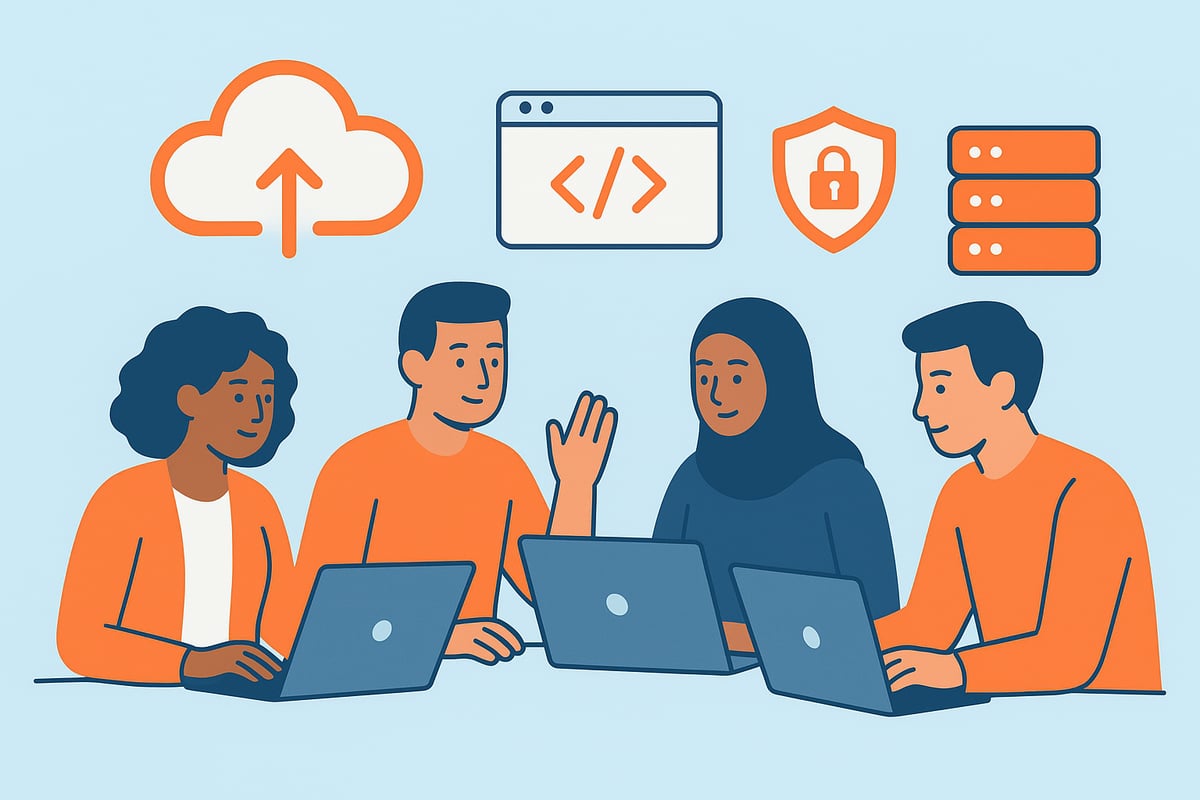
Selecting the right technology stack is a critical step when you build saas products. Popular frameworks like React, Node.js, Ruby on Rails, and Python each offer unique advantages in speed, scalability, and ecosystem support. Compare these options based on your team’s expertise, project requirements, and long-term vision.
Cloud providers such as AWS, Azure, and Google Cloud are foundational for modern SaaS. Consider factors like pricing, global reach, support, and available integrations. Your choice will affect not only performance but also your ability to scale efficiently.
| Framework | Strengths | Best Use Case |
|---|---|---|
| React | Fast, UI-rich, reusable | Frontend interfaces |
| Node.js | High concurrency, scalable | APIs, microservices |
| Ruby on Rails | Rapid prototyping | MVPs, CRUD apps |
| Python | Versatile, AI-ready | Data, analytics, AI |
Assembling Your Team and Adopting Agile Development
To build saas efficiently, assemble a multidisciplinary team. Essential roles include:
- Developers (frontend and backend)
- Designers (UI/UX)
- Product managers
- Quality assurance (QA)
- DevOps engineers
Agile development practices accelerate progress. Work in sprints, conduct regular testing, and release updates iteratively. This approach helps your team respond quickly to feedback and changing requirements.
Example sprint workflow:
- Plan sprint tasks
- Build features
- Test and review
- Deploy updates
Integrations, APIs, and Security Best Practices
Modern SaaS users expect seamless integrations with third-party tools. When you build saas, prioritize robust API design and compatibility. This enables your product to plug into popular platforms and expand your market reach.
Security is non-negotiable. Protect user data using encryption, enforce strict access controls, and schedule regular vulnerability assessments. Proactive security planning builds trust and ensures compliance with industry standards. For an in-depth look at expert development strategies, review SaaS Development Best Practices.
Continuous Deployment, Cost Management, and Real-World Examples
Automating your deployment pipeline minimizes errors and accelerates delivery. A simple CI/CD workflow might look like:
stages:
  - build
  - test
  - deploy
Monitor your infrastructure and support costs closely. Factor in expenses for hosting, development, and ongoing maintenance. Cost-effective decision-making is essential as you build saas products designed for growth.
Shopify offers a compelling example. By leveraging cloud infrastructure and automation, they quickly scaled to serve millions of users worldwide, proving the value of strategic technical planning.
Key Insight
Every technical choice you make when you build saas applications affects your ability to scale, secure, and support your product. By prioritizing the right stack, team, practices, and automation, you lay the groundwork for long-term SaaS success.
Step 4: Launching and Scaling Your SaaS in 2026
Launching and scaling your SaaS in 2026 is a pivotal phase in the build saas journey. The right launch strategies, pricing decisions, and growth tactics will determine whether your product gains traction or stalls in a crowded marketplace. Let’s break down the proven steps to maximize your SaaS success.
Go-to-Market Strategies
A successful build saas launch starts with building anticipation and validating interest. Create pre-launch waitlists to capture early adopters and gather feedback. Offer beta programs that invite select users to test and review your product, generating buzz and valuable testimonials. Early adopter incentives, such as discounted rates or exclusive features, motivate signups and create momentum.
- Launch with a clear value proposition
- Leverage product hunt and SaaS communities for visibility
- Use targeted email campaigns to nurture leads
Pricing Models
Choosing the right pricing structure is essential for your build saas business. Consider subscription tiers, such as freemium, per-user, or usage-based models. Offering both monthly and annual billing options increases flexibility and appeals to a broader audience. Analyze competitor pricing and run A/B tests to find the sweet spot for your market segment.
Customer Acquisition
Attracting and converting customers requires a multi-channel approach. Content marketing and SEO help establish authority and drive organic traffic to your build saas site. Social media campaigns, partnerships, and paid ads further amplify your reach. Collaborate with influencers and industry leaders to expand your audience and build credibility.
- Publish educational blog posts and tutorials
- Host webinars and live demos
- Partner with complementary SaaS tools
Onboarding and Retention
First impressions matter. Design intuitive onboarding flows that guide users through your build saas platform’s core features. Use in-app guides, tooltips, and explainer videos to reduce friction. Establish strong customer support channels, such as live chat and help centers, to address questions quickly and enhance satisfaction.
Metrics to Track
Monitor key metrics to evaluate the health of your build saas business:
| Metric | What It Measures |
|---|---|
| CAC | Cost to acquire a customer |
| LTV | Customer lifetime value |
| Churn Rate | Percentage of lost customers |
| MRR | Monthly recurring revenue |
Regularly review these numbers to identify growth opportunities and areas for improvement.
Feedback and Iteration
Continuous improvement is at the heart of any build saas strategy. Use analytics tools to track user behavior and collect feedback through surveys and interviews. Prioritize feature requests and iterate on your product roadmap to address real customer needs. Refining user experience and features based on data ensures lasting engagement.
Scaling Infrastructure and Growth Example
As demand grows, your build saas application must scale seamlessly. Invest in cloud infrastructure that supports automated scaling and performance monitoring. Plan for internationalization by supporting multiple languages and compliance standards.
For advanced strategies, explore SaaS scaling strategies to optimize infrastructure, operations, and growth. HubSpot’s rapid scale was fueled by a freemium model and robust content marketing, illustrating how early focus on onboarding and retention drives sustainable growth.
Future-Proofing Your SaaS: Trends & Strategies for 2026 and Beyond
As you build saas solutions for the future, staying ahead of emerging trends is essential. The landscape is shifting rapidly, driven by technological innovation, evolving security needs, and the demands of a global, connected customer base. To ensure your SaaS product thrives in 2026 and beyond, it is critical to embrace strategies that safeguard your growth, relevance, and resilience.
Embracing AI, Automation, and Emerging Tech
Artificial intelligence is fundamentally reshaping how companies build saas products and deliver value. From hyper-personalized user experiences to intelligent automation, AI is now at the core of SaaS innovation. Predictive analytics, smart chatbots, and dynamic recommendation engines are no longer optional, but expected by users.
Automation extends beyond customer-facing features. Internally, automated deployment, monitoring, and reporting are streamlining development and operations. Low-code and no-code platforms are empowering teams to build saas prototypes and iterate faster than ever, reducing time-to-market and enabling agile responses to market changes.
The impact of AI is not limited to features. It is also influencing SaaS company valuations and business models, as described in AI’s Impact on SaaS Valuations. Founders must stay informed and adapt their strategies to remain competitive in this AI-driven era.
Security, Compliance, and Data Privacy
Security remains a top concern for every organization that wants to build saas applications for a global audience. As threats become more sophisticated, proactive security measures are non-negotiable. Encryption, multi-factor authentication, and regular vulnerability assessments should be baked into your architecture from day one.
Compliance is equally important. With regulations like GDPR, CCPA, and HIPAA, SaaS providers must ensure robust data protection and transparent practices. Security by design means integrating these standards into every layer of your build saas process, from infrastructure to user interface.
Data sovereignty is another growing priority. Customers expect their data to be stored and processed according to regional laws and preferences. Planning for localized hosting and compliance helps you win trust and expand internationally. Regular audits and certifications, such as ISO 27001 or SOC 2, further demonstrate your commitment to privacy and security.
Customer-Centric Growth and Global Expansion
To build saas products that scale, a customer-centric mindset is vital. Personalization is key, leveraging data to tailor onboarding, features, and support to each user segment. This approach increases satisfaction, retention, and advocacy.
Localization is a must for global success. Adapting your interface, language, and support systems helps you connect with diverse markets. Community-building, through user forums and events, provides valuable feedback and strengthens your brand. As micro-SaaS continues to expand, understanding niche needs and delivering targeted solutions is increasingly advantageous, as explored in the Micro-SaaS Market Expansion.
Scaling support is also crucial. AI-driven help desks, self-service resources, and proactive outreach enable you to serve a growing user base efficiently. By keeping the build saas process focused on customer value, you foster loyalty and organic growth, setting the stage for long-term success.
Sustainable SaaS Operations and Financial Health
Financial sustainability is the backbone of any successful effort to build saas businesses. Cost optimization starts with careful monitoring of cloud expenses and automating scaling to match demand. Avoiding vendor lock-in and diversifying infrastructure partners can further reduce risk.
Predictable recurring revenue streams, such as subscriptions and upsells, provide stability. Reducing churn through proactive engagement and responsive support directly impacts your bottom line. Regularly revisiting pricing models ensures you remain competitive and aligned with customer expectations.
Sustainable scaling also means balancing growth with quality. Investing in reliable infrastructure and maintaining high support standards are essential. Financial planning, including forecasting and scenario modeling, helps you navigate uncertainty and capitalize on new opportunities. By adopting disciplined operational strategies, you ensure your build saas venture remains viable and resilient in a dynamic market.