The SaaS landscape is transforming at an unprecedented pace. As digital innovation accelerates, businesses and entrepreneurs face new opportunities and challenges in the realm of on demand SaaS.
This guide is designed to equip you with a clear, actionable roadmap for success in 2026. Whether you are launching your first product or scaling an existing platform, you will find proven strategies, expert insights, and future-focused tips tailored to help you thrive with on demand saas.
Discover the essentials of on demand SaaS, explore emerging trends, validate your ideas, and future-proof your business. Ready to seize the opportunity? Let’s get started.
Understanding On Demand SaaS: Definition, Trends, and Market Outlook
The on demand saas landscape is reshaping how businesses access and deliver software solutions. As demand for agility and scalability increases, understanding this model is crucial for anyone looking to thrive in the evolving SaaS market.
What is On Demand SaaS?
On demand saas refers to software that is delivered instantly via the cloud, allowing users to access tools and features whenever they need them. Unlike traditional SaaS, which often involves fixed contracts and long-term commitments, on demand saas focuses on flexibility and rapid deployment.
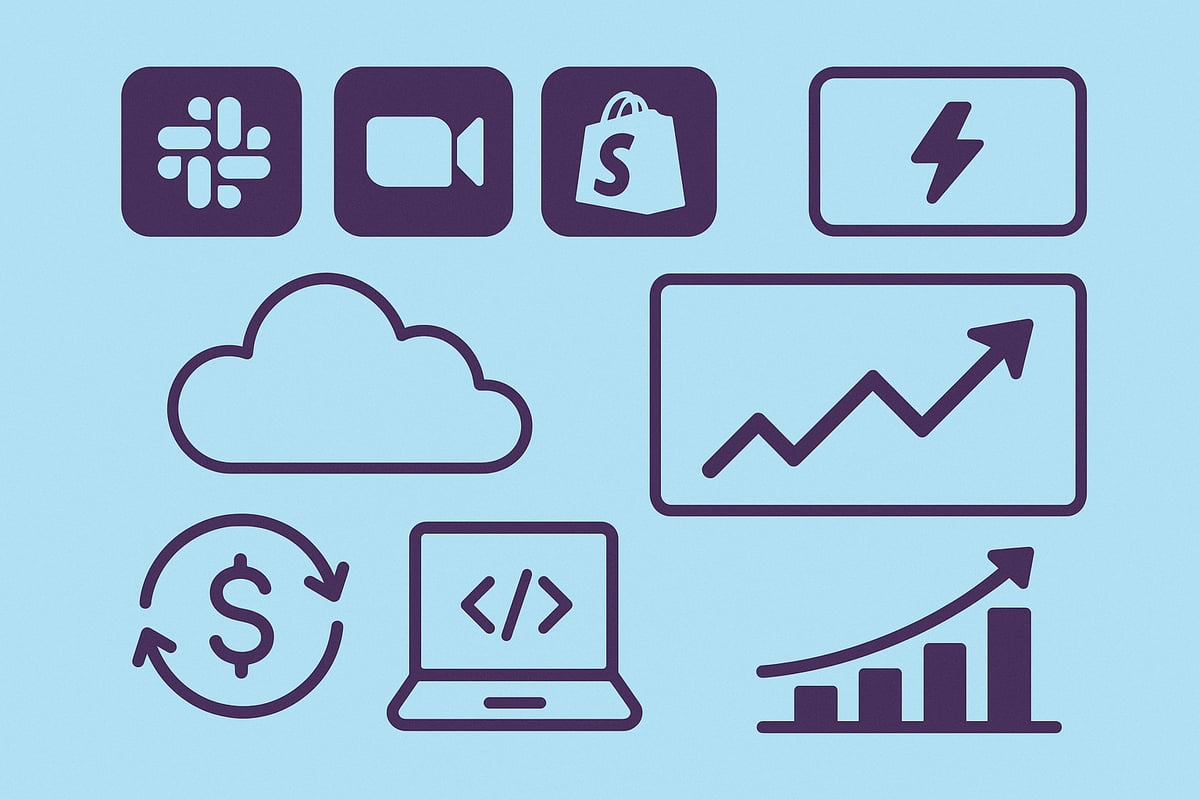
A few key characteristics distinguish on demand saas from older models. It typically offers pay-as-you-go pricing, scalable resources, and minimal onboarding time. Leading platforms such as Slack, Zoom, and Shopify exemplify this approach, empowering users to start, scale, or pause services with ease.
| Feature | Traditional SaaS | On Demand SaaS |
|---|---|---|
| Contract Length | Long-term | Flexible/Monthly |
| Deployment Time | Scheduled/Rollout | Instant |
| Pricing | Fixed | Usage-based |
This model enables businesses to adapt to changing needs without the friction of traditional software agreements.
Why On Demand SaaS is Dominating in 2026
The popularity of on demand saas in 2026 is driven by a shift toward instant access and highly scalable solutions. Customers increasingly expect software that can be deployed in minutes and adjusted on the fly, meeting their specific requirements without delay.
Flexibility is at the heart of this trend, with pay-as-you-go pricing models allowing organizations to control costs and scale usage up or down as needed. According to SaaS Market Statistics, the global SaaS market is projected to reach over $300 billion by 2026, underlining the massive opportunity for on demand saas providers.
This surge is fueled by both startups and enterprises seeking agile, cloud-native solutions that support rapid innovation and business growth.
Key Industry Trends Shaping On Demand SaaS
Several trends are redefining the on demand saas ecosystem. The rise of vertical SaaS and micro-SaaS niches enables providers to target specific industries and use cases with precision.
Integration with artificial intelligence and automation is becoming standard, allowing platforms to deliver smarter, more personalized experiences. Additionally, the growth of API-first and headless SaaS architectures empowers developers to build modular, customizable solutions.
Key trends include:
- Vertical SaaS: Industry-specific solutions driving deeper value
- AI and Automation: Enhanced productivity and insights
- API-First & Headless: Flexible architectures for customization
These trends ensure that on demand saas remains at the forefront of digital transformation.
Challenges and Opportunities in the Market
While the on demand saas sector is expanding rapidly, it also presents unique challenges. Competition is fierce, leading to rising user acquisition costs and the need for standout differentiation.
Regulatory requirements such as GDPR and evolving data privacy laws demand ongoing vigilance and compliance. Yet, these challenges also open doors for innovation. Niche targeting allows smaller players to serve underserved markets, while rapid iteration enables quick adaptation to feedback.
Main challenges and opportunities include:
- Increasing competition and higher acquisition costs
- Regulatory and data privacy considerations
- Opportunities for niche targeting and continuous improvement
By understanding these dynamics, companies can position their on demand saas offerings for long-term success.
Validating Your On Demand SaaS Idea: Laying the Foundation for Success
Launching an on demand saas product is an exciting journey, but skipping idea validation can make or break your venture. With SaaS failure rates still high, founders must establish a solid foundation before investing heavily in development. Let’s explore why validation is crucial, which strategies work, and how to set your on demand saas business up for long-term success.
The Importance of Validation Before Development
Many on demand saas startups fail because they build solutions without confirming real market demand. According to CB Insights, 35% of SaaS failures are due to lack of market need. Validating your idea early helps avoid wasted time and resources by ensuring you are solving a genuine problem.
Skipping validation can lead to costly product pivots or shutdowns. For example, several high-profile SaaS projects invested heavily in development, only to discover later that users were not interested. By validating your on demand saas concept first, you gain confidence and direction before committing major resources.
Proven Validation Strategies for SaaS Ideas
To validate your on demand saas idea, combine qualitative and quantitative research. Start with customer interviews and surveys to understand pain points directly from your target users. Next, build a simple landing page to gauge interest and capture potential leads. Offering a minimum viable product (MVP) lets you test core features with real users and collect actionable feedback.
For a detailed walkthrough, explore SaaS Validation Strategies to access proven frameworks and step-by-step guidance. These approaches help ensure your on demand saas idea resonates in the market before you scale.
Key Metrics and Signals to Look For
Successful validation of an on demand saas idea relies on tracking clear metrics and signals. Waitlist signups, demo requests, and engagement rates reveal early traction. If users are willing to pre-order or leave deposits, it’s a strong indicator of genuine demand.
Continuous feedback loops and iteration cycles are essential. Positive responses, repeated interest, and honest criticism all help refine your on demand saas solution. Monitoring these metrics allows you to make informed decisions and pivot quickly if needed.
Tools and Resources for Effective Validation
Several tools streamline the validation process for on demand saas founders. Use Typeform to create engaging surveys and collect customer insights. Unbounce enables you to build high-converting landing pages without coding. Google Analytics tracks traffic and user behavior, providing data-driven insights.
Community platforms and SaaS-specific resources offer peer feedback and expert advice. Leveraging these tools ensures your on demand saas validation is thorough and efficient, increasing your chances of success.
How SaaS Validation Empowers Founders to Validate On Demand SaaS Ideas
SaaS Validation offers step-by-step guides, actionable checklists, and curated toolkits designed specifically for on demand saas validation. By following expert-driven frameworks, founders access proven methodologies and avoid common pitfalls.
The community also provides benchmarking and peer insights, allowing you to compare your progress with other early-stage on demand saas businesses. Using these resources sets your idea on the right track and builds confidence as you move from concept to launch.
Building and Launching Your On Demand SaaS Product: Step-by-Step Roadmap
Launching a successful on demand saas product requires a thoughtful, systematic approach. Each stage builds upon the last, helping you minimize risk and maximize growth potential. Here is a detailed, actionable roadmap to guide your journey from idea to scalable product.
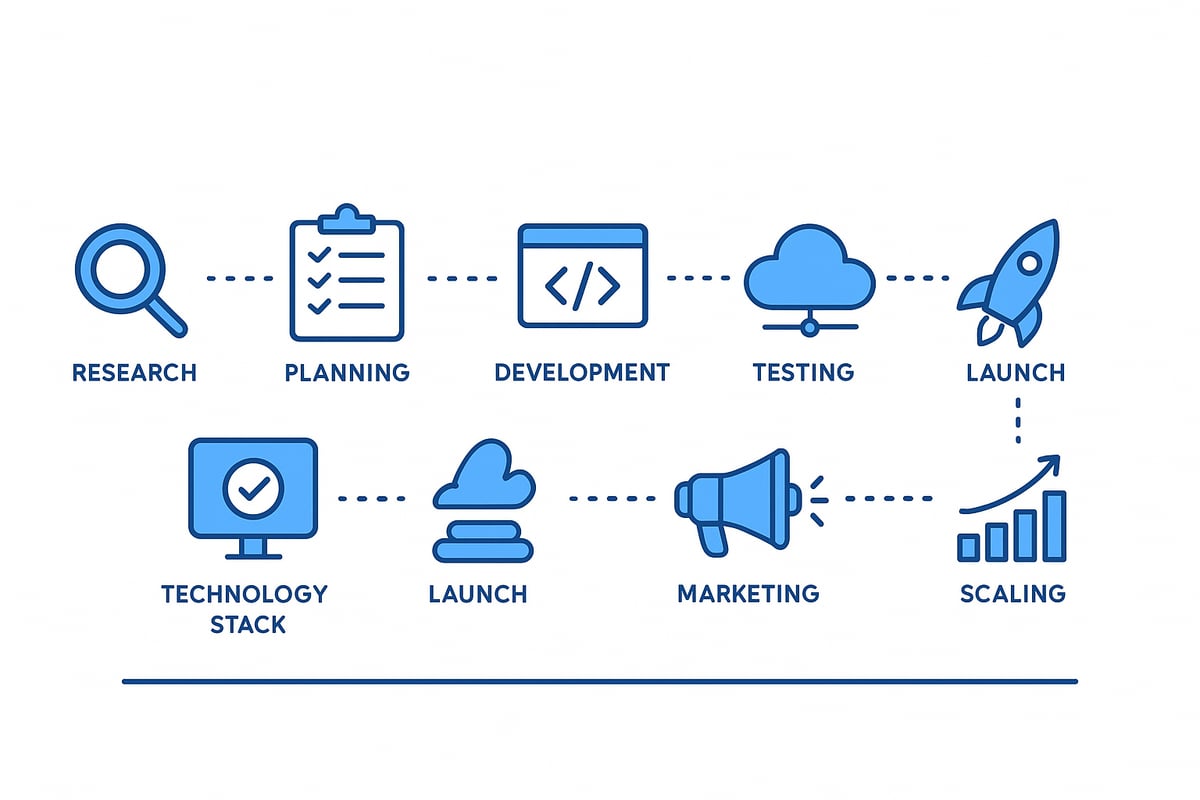
Step 1: Market Research and Opportunity Assessment
Begin your on demand saas journey by identifying the right market and customers. Analyze industry trends to uncover unmet needs and pain points. Use platforms like Crunchbase, G2, and Statista to gather data on competitors and estimate market size.
Segment your target audience based on industry, company size, and specific problems they face. This focused approach allows you to develop tailored solutions that stand out in a crowded on demand saas market.
List the top three competitors in your niche and map their strengths and weaknesses. This analysis helps you define a unique value proposition and spot opportunities for differentiation.
Step 2: Designing the User Experience and Product Architecture
A seamless user experience is crucial for on demand saas adoption. Start by mapping user journeys and identifying friction points. Use Figma or Sketch to create wireframes and interactive prototypes.
Focus on intuitive navigation, fast onboarding, and clear call-to-action elements. Study products like Notion, which prioritize user-first design, for inspiration.
Break down your product architecture into modular components. This ensures flexibility and scalability as your on demand saas evolves. Regularly collect early feedback to refine UI/UX before full development begins.
Step 3: Choosing the Right Technology Stack
Selecting the right technology stack is foundational for any on demand saas platform. Evaluate leading cloud providers like AWS, Azure, or GCP for hosting, scalability, and resilience.
Design your backend using microservices or serverless architectures to support future growth. Integrate APIs for seamless connections with other tools, which is vital for modern on demand saas products.
Prioritize security and compliance from the start. Ensure your stack supports encryption, regular audits, and industry standards. This builds trust and reliability into your product from day one.
Step 4: Developing a Minimum Viable Product (MVP)
Focus your initial development efforts on a core set of features that solve the primary user problem. Use rapid prototyping techniques and iterate quickly to minimize time to market.
No-code and low-code tools like Bubble and OutSystems can help accelerate MVP creation, especially for early-stage on demand saas teams. Build feedback loops into your process to validate each feature with real users.
For a comprehensive walkthrough on this process, see the Building a SaaS Product guide, which covers every step from prototyping to launch in detail.
Step 5: Testing and Quality Assurance
Testing is critical to ensure your on demand saas product delivers a reliable experience. Use a mix of automated and manual tests to catch bugs early and maintain high quality.
Conduct user acceptance testing (UAT) with a select group of beta users. Monitor key metrics such as error rates, uptime, and customer satisfaction. Address issues rapidly and document all fixes.
Prepare checklists for each testing phase. This structured approach helps your on demand saas maintain performance and secure user trust as you scale.
Step 6: Pricing Models and Monetization Strategies
Choosing the right pricing model can make or break your on demand saas. Consider usage-based, tiered, or freemium structures. Each model offers unique benefits for customer acquisition and retention.
Analyze competitors and customer willingness to pay. Experiment with different pricing tiers to find the optimal balance for your on demand saas business.
Zoom’s approach, offering a generous freemium plan and clear upgrade paths, is a proven strategy. Use data-driven insights to refine your monetization as your user base grows.
Step 7: Go-to-Market and Launch Planning
Effective go-to-market strategies are essential for a successful on demand saas launch. Build anticipation with pre-launch marketing, influencer campaigns, and targeted outreach.
On launch day, leverage platforms like Product Hunt, AppSumo, and industry press to drive visibility. Offer early adopter incentives and robust onboarding support to ensure a smooth experience.
Create a launch checklist outlining key milestones. This proactive planning sets your on demand saas up for a strong market entry and sustained momentum.
Step 8: Post-Launch Optimization and Iteration
Continuous improvement is the hallmark of thriving on demand saas products. Collect user feedback through surveys, analytics, and direct support channels.
Release rapid updates to address bugs and introduce enhancements. Establish a comprehensive knowledge base and responsive support system to assist users.
Monitor engagement and retention metrics closely. Use these insights to inform your product roadmap and prioritize features that drive long-term growth for your on demand saas.
Step 9: Scaling Operations and Infrastructure
As your on demand saas gains traction, prepare your infrastructure to handle increased demand. Implement load balancing, redundancy, and scalable support systems to maintain performance.
Invest in hiring and developing a skilled team. Define clear roles to streamline operations and foster a collaborative culture.
Look to examples like Slack, which scaled from startup to enterprise by prioritizing both technical and organizational growth. With strategic planning, your on demand saas can achieve sustainable expansion and industry leadership.
Growth Strategies for On Demand SaaS in 2026
Customer Acquisition Channels That Work
Finding effective customer acquisition channels is vital for any on demand saas business aiming for rapid growth in 2026. Start with content marketing, SEO, and thought leadership to build organic visibility and authority. Supplement these efforts with paid acquisition through Google Ads, LinkedIn campaigns, and listings on SaaS review platforms to capture high-intent buyers.
Referral and affiliate programs continue to be powerful, leveraging word-of-mouth and incentivizing loyal customers to spread the word. According to SaaS Market Size Projections, the industry is expected to reach $340.75 billion by 2026, making competition fierce. Diversifying acquisition channels ensures your on demand saas stands out in this expanding landscape.
Retention and Customer Success Best Practices
Retention is just as important as acquisition for on demand saas growth. Implement proactive onboarding to help users find value quickly, using in-app guidance to reduce confusion and accelerate product adoption. Automate customer support with chatbots and comprehensive help centers, ensuring users receive timely assistance.
To minimize churn, monitor user engagement and conduct regular check-ins. Track Net Promoter Score (NPS) to gauge satisfaction and identify at-risk customers. Providing educational content and personalized recommendations can deepen relationships, keeping your on demand saas top of mind and indispensable for your users.
Leveraging Data and Analytics for Growth
Data-driven decision-making is essential for scaling on demand saas. Focus on key metrics such as Customer Acquisition Cost (CAC), Lifetime Value (LTV), Annual Recurring Revenue (ARR), and Monthly Recurring Revenue (MRR). Cohort analysis helps you pinpoint power users and understand which features drive retention.
Utilize real-time dashboards for instant insights into user behavior and product performance. Rapid feedback loops enable quick iteration and optimization. By continuously measuring and acting on analytics, your on demand saas can adapt to shifting customer needs and market conditions with agility.
Community Building and Network Effects
Building a strong user community is a proven growth lever for on demand saas platforms. Encourage peer-to-peer support through forums, private groups, or ambassador programs. Notion and Slack have demonstrated how user communities can amplify brand loyalty and create network effects.
Active communities foster advocacy, generate valuable feedback, and help users unlock more value from your product. Consider exploring Vertical SaaS Opportunities to identify niche groups where your on demand saas can deliver tailored solutions, further deepening engagement and differentiation.
International Expansion and Localization
Expanding globally is a major opportunity for on demand saas in 2026. Begin by assessing new markets for demand, competition, and regulatory requirements. Localize your platform’s language, currency, and compliance features to remove barriers for international users.
Shopify’s global strategy highlights the importance of adapting product and support to each region. Understanding local business customs and user preferences helps your on demand saas resonate with new audiences and drive adoption across borders.
Navigating Partnerships and Integrations
Strategic partnerships and seamless integrations can accelerate the reach of your on demand saas. Build integrations with popular platforms like Zapier and Salesforce to fit into existing workflows, making your solution more attractive to enterprise customers.
Explore marketplace listings and co-marketing opportunities with complementary SaaS providers. An API-first approach allows other developers to build on your platform, enhancing functionality and stickiness. By prioritizing partnerships, your on demand saas can tap into new user bases and foster long-term growth.

Future-Proofing Your On Demand SaaS Business
Staying ahead in the on demand saas landscape requires more than just innovation. To ensure long-term viability, founders must anticipate technological shifts, regulatory changes, and evolving customer needs. Let’s explore the essential strategies to future-proof your on demand saas business and secure sustainable growth.
Embracing Emerging Technologies
The future of on demand saas will be shaped by rapid technological advancements. Integrating AI and machine learning enables smarter automation, personalized experiences, and predictive analytics. SaaS providers are also exploring blockchain, IoT, and edge computing to deliver secure, scalable, and high-performing solutions.
To remain competitive, evaluate emerging trends early. Invest in R&D, attend industry conferences, and foster a culture of experimentation. By proactively adopting new technologies, your on demand saas can deliver innovative value and stand out in a crowded market.
Security, Compliance, and Data Privacy in 2026
Security and compliance are non-negotiable for any on demand saas platform. With regulations like GDPR and CCPA evolving, businesses must stay vigilant about data privacy requirements. Transparent data practices build customer trust and reduce legal risks.
Implement robust security frameworks, such as SOC 2 and ISO 27001 certifications. Regularly audit your systems and update policies as standards change. By prioritizing compliance, your on demand saas will not only protect user data but also gain a competitive edge.
Building a Resilient SaaS Culture and Team
A strong company culture is the backbone of any successful on demand saas organization. Embrace remote-first or hybrid work models to attract top talent globally. Encourage continuous learning and upskilling, so teams can adapt to new technologies and processes.
Focus on diversity, equity, and inclusion when building teams. Diverse perspectives drive creativity and better decision-making. By nurturing a resilient culture, your on demand saas will thrive amid uncertainty and change.
Adapting to Market Changes and Customer Needs
Agility is crucial for on demand saas success. Adopt agile methodologies that allow for rapid iteration and quick responses to customer feedback. Scenario planning can help you prepare for market shifts or economic downturns.
Stay attuned to user needs by maintaining open communication channels. Gather insights through surveys, user interviews, and analytics. When your on demand saas adapts swiftly, it can pivot strategies and capture new opportunities, even in volatile times.
Monitoring Industry Benchmarks and KPIs
Consistently tracking performance against industry benchmarks is vital for future-proofing your on demand saas. Monitor metrics like retention, churn, and revenue growth. Leverage external data and annual reports to inform your strategic planning.
For a deeper understanding of market dynamics, consult resources like the SaaS Market Forecast, which offers comprehensive analyses of global trends and projections. Informed benchmarking ensures your on demand saas remains competitive and aligned with industry best practices.